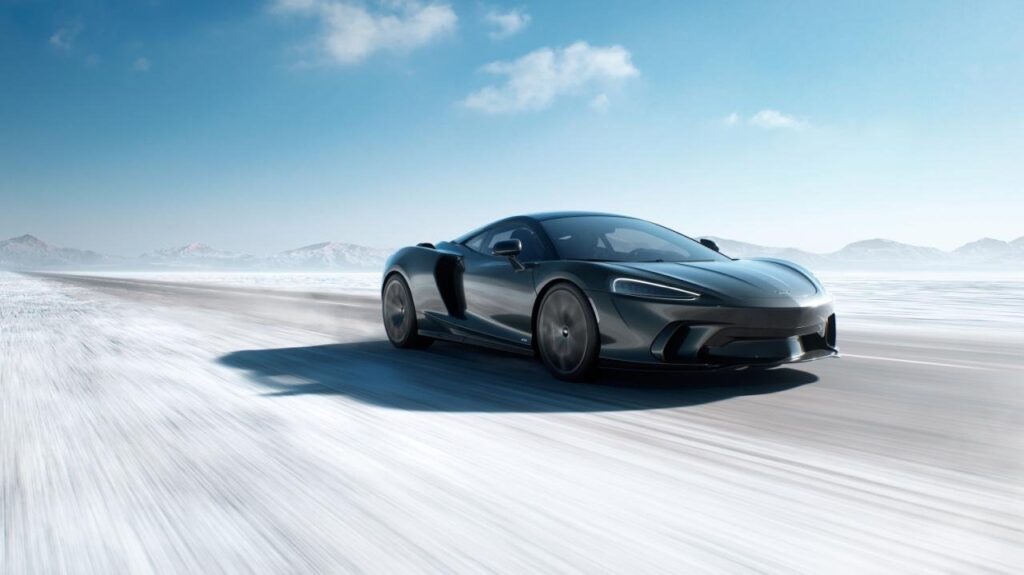
McLaren appears to be moving toward one of the more significant lineup changes of its modern road-car era.
The GTS and 750S are both approaching the end of their production lives, clearing space for the next generation of McLaren performance cars after a long run for the brand’s V8 architecture.
It’s a notable moment because these cars sit at two very different ends of the same McLaren idea, one tuned for long-distance usability and the other for sharper supercar intent.
At a glance
- McLaren is expected to phase out the GTS and 750S over the next few years as part of a broader road-car lineup reset.
- The GTS is likely to leave first, with production expected to continue until around 2027.
- The Artura is also expected to be phased out in 2028 after nearly six years in production.
A planned handover for McLaren’s V8 era
The GTS is expected to be the first of the current models to leave the range, with production likely running until around 2027.
The 750S is also nearing the closing stage of its cycle, although it remains available to order for now.
For McLaren, this isn’t just a case of retiring a pair of familiar nameplates.
The GTS and 750S represent two important branches of the company’s modern identity, from the lighter, comfort-biased grand tourer to the more focused mid-engined supercar descended from the 720S line.
The Artura is expected to follow in 2028, which would give McLaren a clear opportunity to reshape its showroom around newer platforms and a different product rhythm.
The GTS made room for a more usable McLaren
The GTS traces its roots to the GT introduced in 2019, a two-seat mid-engined grand tourer intended to give McLaren buyers something less uncompromising without losing the brand’s core performance character.
It was an unusual proposition because McLaren didn’t try to make a traditional front-engined grand tourer.
Instead, it kept the mid-engined layout and V8 performance template, then softened the brief just enough to make the car more suitable for longer journeys and daily usability.
That positioning gave the GTS a distinct place in the range.
It wasn’t the most extreme McLaren and wasn’t meant to be, which made it interesting for buyers who wanted the brand’s speed and lightness with a calmer temperament.
The 750S approaches its final chapter
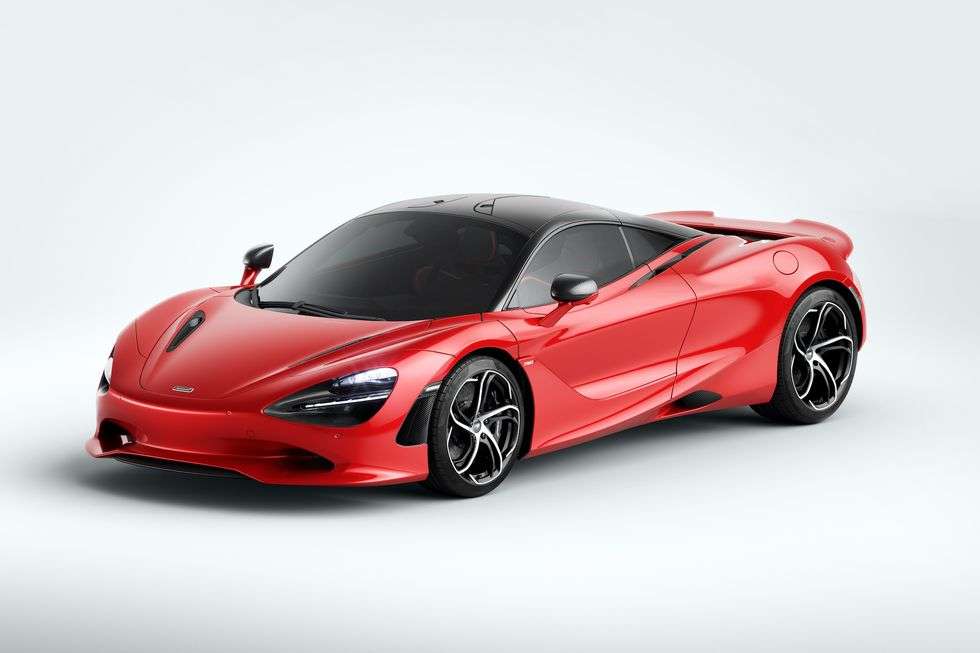
The 750S sits closer to McLaren’s classic supercar centre line.
Its lineage stretches back to the 720S, giving it a development history that now runs close to a decade.

That longevity matters because the 720S family helped define McLaren’s standing among modern supercars, combining serious performance with a carbon-focused engineering approach and an unusually clean design language.
The 750S sharpened that formula, but it also arrived as an evolution rather than a clean-sheet replacement.
McLaren has already shown the limited-run 788HS, a more aggressive, track-focused model that could act as a closing statement for the 750S family.
If that proves to be the case, it would be a familiar McLaren pattern, with the final stretch of a model cycle marked by a more focused derivative aimed at collectors and drivers who want the most intense version of the theme.
What the changes mean for buyers and collectors
For current buyers, the immediate point is simple.
The 750S can still be ordered, while the GTS appears to have a longer runway before it exits around 2027.
For collectors, the more interesting question is how the market will view late-production cars once McLaren’s next product phase becomes clearer.
Final-year examples, rarer specifications and limited-run derivatives often draw attention when a model family reaches the end of its life, particularly when the car has played a major role in a brand’s recent history.
The GTS may appeal most to owners who want a usable McLaren rather than a weekend-only machine.
The 750S, by contrast, remains the more obvious choice for those who want the sharper, purer expression of McLaren’s V8 supercar lineage.
Details & Specifications
| Brand | McLaren |
|---|---|
| Models affected | GTS, 750S, Artura |
| GTS body style | Two-seat mid-engined grand tourer |
| GTS engine layout | V8 |
| GTS production outlook | Expected to continue until around 2027 |
| 750S engine layout | V8 |
| 750S availability | Still available to order |
| 750S lineage | Developed from the 720S family |
| Related limited-run model | McLaren 788HS |
| Artura production outlook | Expected to be phased out in 2028 |
McLaren’s next chapter will be judged by what replaces these cars, but the outgoing lineup already says plenty about where the brand has been.
The GTS, 750S and Artura each answered a different question for McLaren buyers, and their departures will mark the end of a familiar showroom era in Woking.