KwaZulu-Natal is one of those South African provinces that rewards travellers who resist the obvious route.
Within a manageable driving circuit, it folds together the Drakensberg’s high drama, Durban’s warm-ocean energy, Zulu heritage, battlefield storytelling and serious wildlife country.
For travellers with 10 to 14 days, KZN can feel less like a single destination than a complete South African itinerary in miniature.
At a glance
- KwaZulu-Natal combines mountains, beaches, wildlife reserves, history and culture in one highly varied South African itinerary.
- The province stands out for Drakensberg hiking, warm Indian Ocean swimming and surfing, Durban cuisine, Zulu heritage and strong safari options.
- A 10 to 14-day trip can link the Northern Drakensberg, Durban, Zululand and reserves such as Hluhluwe-iMfolozi, Tembe Elephant Park and iSimangaliso Wetland Park.
The Drakensberg delivers the opening act
The Northern Drakensberg is where KwaZulu-Natal shows its most cinematic side, with rugged peaks, open skies and the great curve of the Amphitheatre setting the tone.
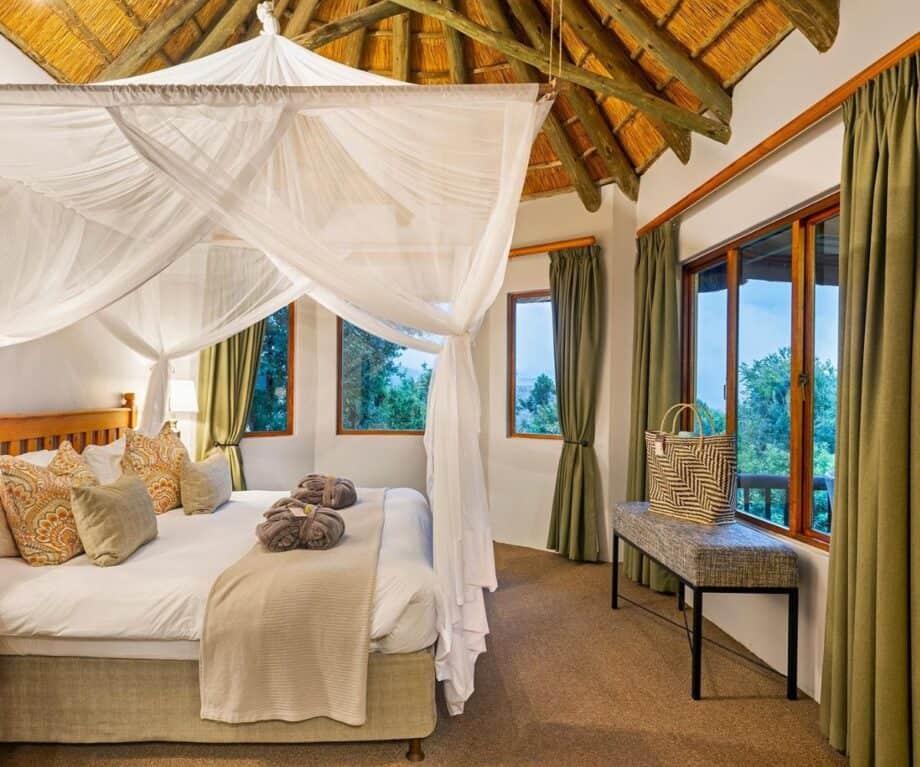
Montusi Mountain Lodge makes a strong case for slowing down here rather than treating the mountains as a scenic stopover.
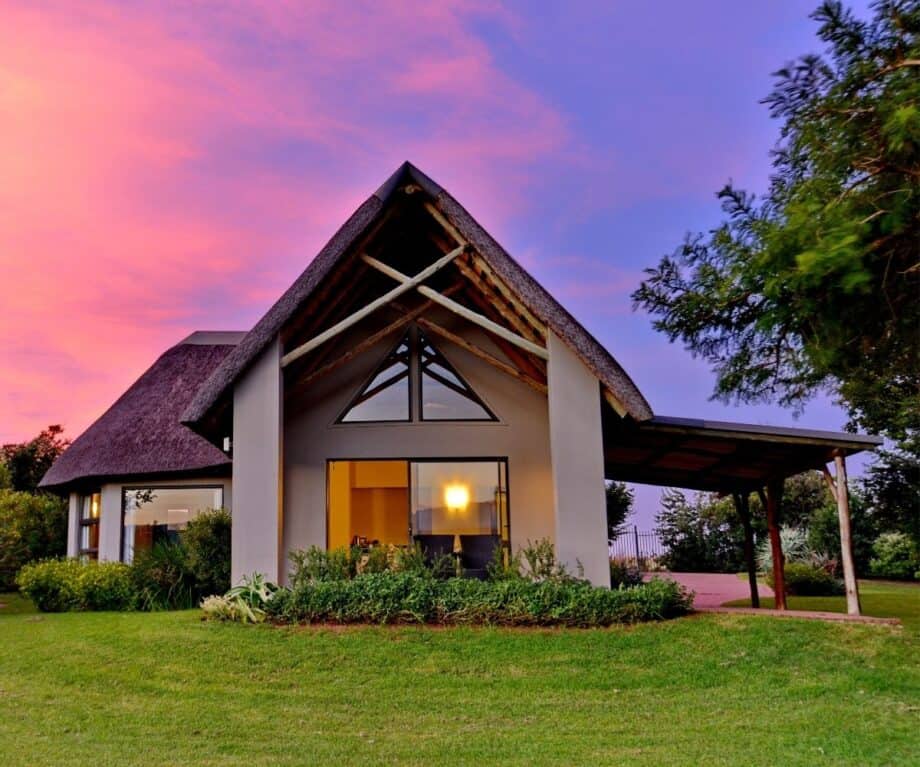
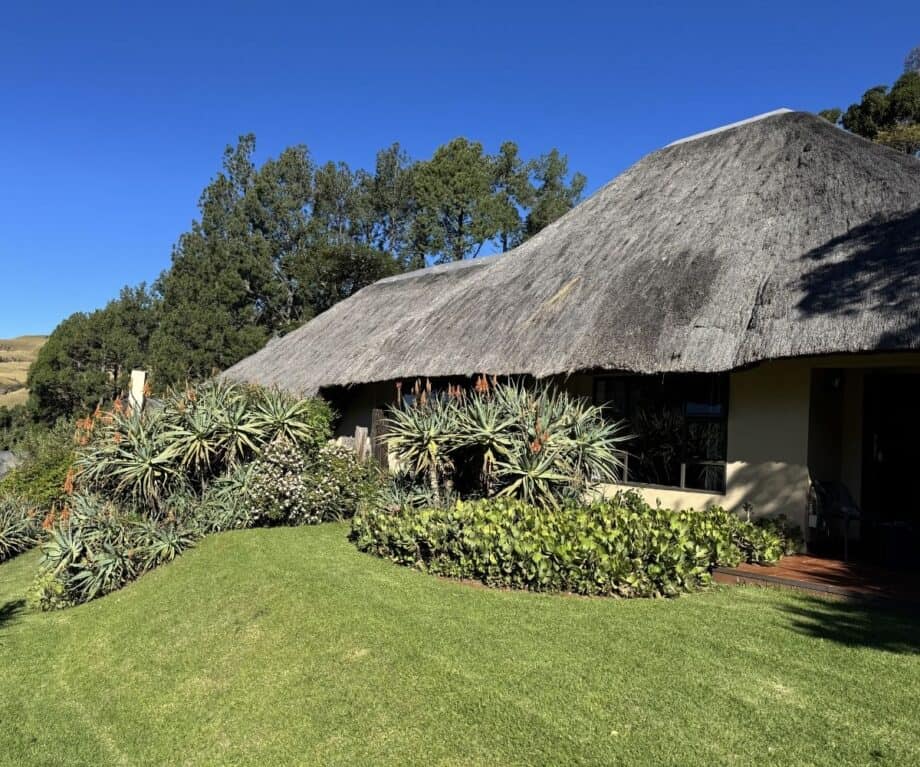
The family-run retreat sits in the Northern Drakensberg Nature Reserve, with individual chalets set in private gardens and views that make early mornings feel properly worthwhile.
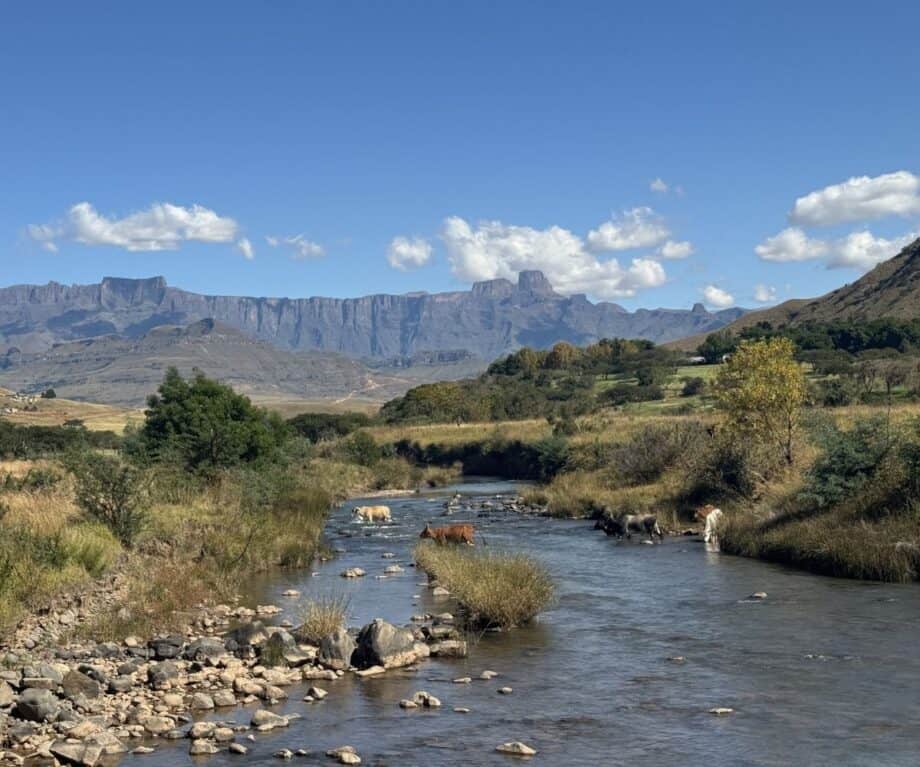
Its appeal is the mix of privacy and activity, with guided hikes to Montusi Peak, horse riding, mountain biking, trail running, fishing, birdwatching, photography, tennis, a spa and a playground for younger guests.
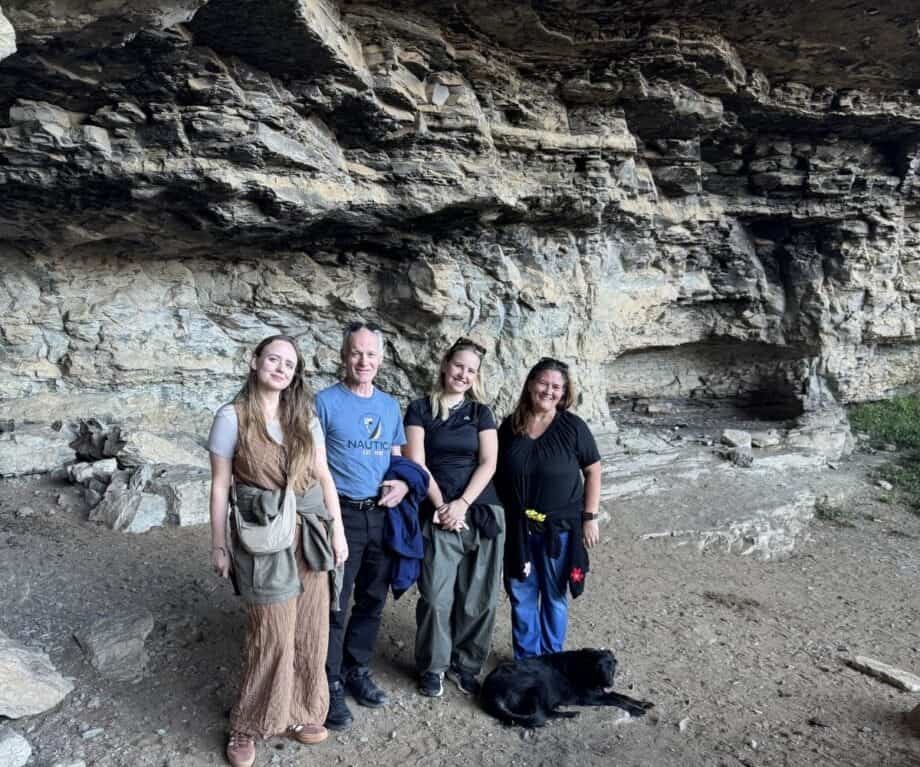
A walk to Bushman’s Cave adds a quieter layer to the mountain experience, especially with sightings of eland and birdlife along the way.
The mood is relaxed rather than over-programmed, which suits families, active couples and anyone who wants comfort without losing contact with the landscape.
The Cavern keeps the mountain rhythm going
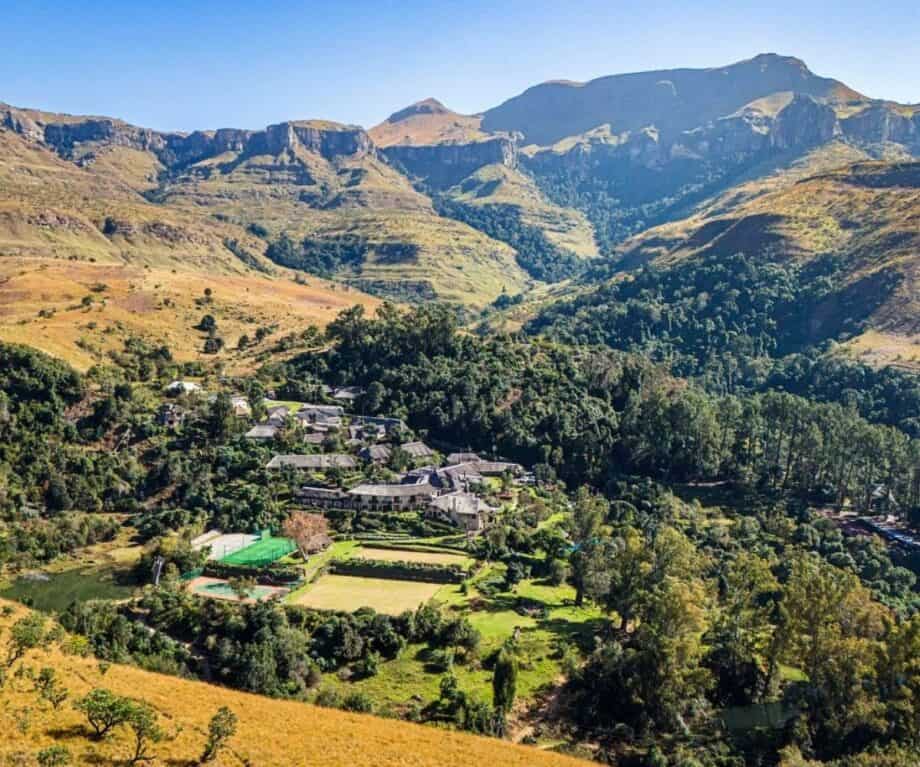
Nearby, The Cavern Drakensberg Resort & Spa has a different but complementary character.
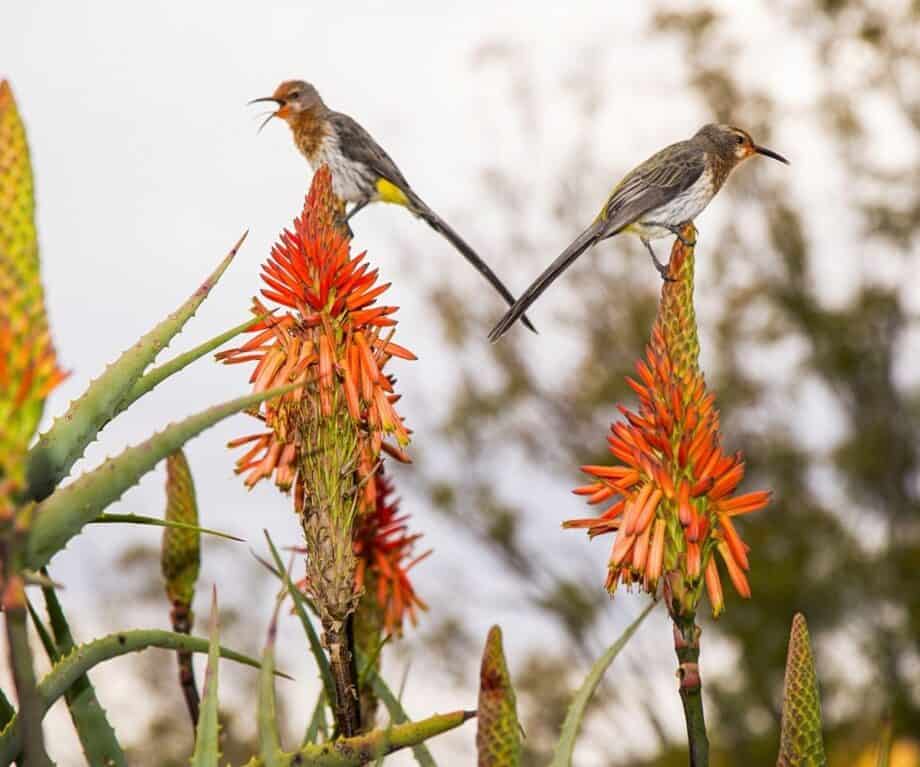
Tucked into a lush valley and surrounded by gardens alive with birds, it has the atmosphere of a long-loved mountain address rather than a conventional resort.
The property marks 85 years of welcoming returning guests, and that sense of continuity is part of its charm.
Accommodation is varied enough for honeymooners, hikers, solo travellers, groups of friends and multi-generational families, while the public spaces lean into the pleasure of lingering.
There’s the Forest Retreat spa, the sociable Cave Bar, a mini cinema, games room, lounges, terraces and a pool, along with guided hikes, horse riding, trout fishing and access to the nearby All-Out Adventure centre.
Birding is a particular strength, helped by the gardens and the expertise of local guides, while a walk to the Silent Lady rock carving at Sungubala adds a cultural and historical note to the stay.
It’s the kind of mountain hotel that works because it doesn’t try too hard to be fashionable.
Durban adds ocean, curry and city-beach energy
After the Drakensberg, Durban shifts the pace with warm Indian Ocean currents, golden beaches and a coastline that offers some of South Africa’s best swimming and surfing conditions.
The city’s food culture is reason enough to pause, especially for Durban curries and bunny chows, which remain among the country’s most distinctive casual dining signatures.
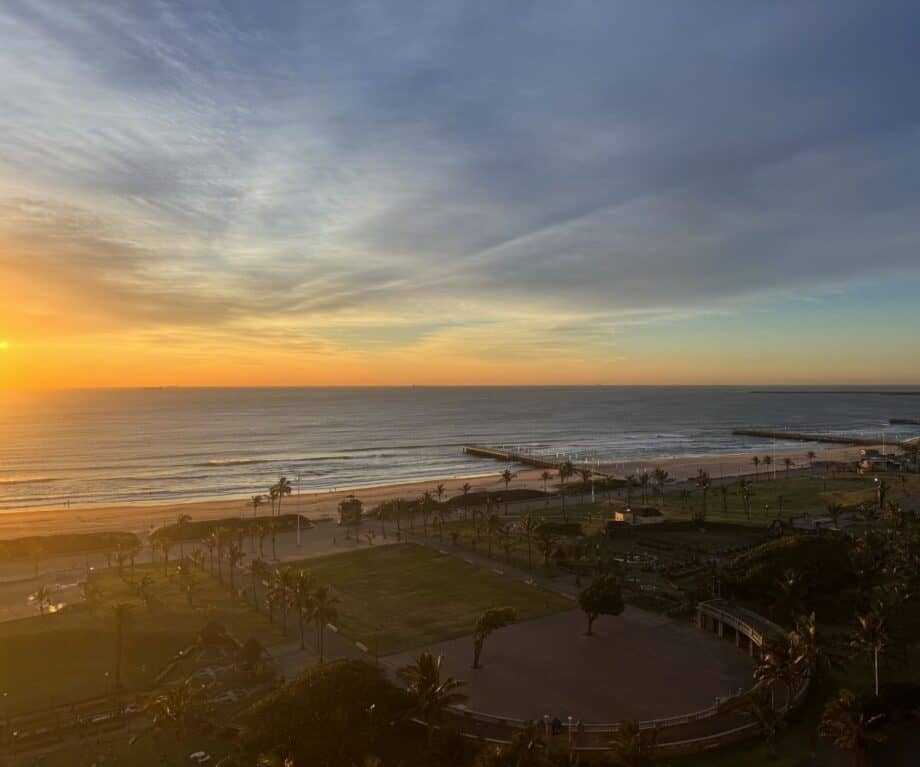
Southern Sun Elangeni & Maharani is a landmark base on the Golden Mile, facing the Indian Ocean and offering direct access to the promenade.
With a large spread of rooms, several restaurants, pools and conference facilities, it suits both leisure and business travellers who want easy access to Durban’s beachfront rhythm.
Its position also puts uShaka Marine World and the Durban ICC within easy reach, making it useful for families, city-break travellers and anyone building a broader KZN itinerary.
The sunrise over the water is worth the early alarm.
Zululand brings wildlife, heritage and a slower pace
North of Durban, the road into Zululand opens up another side of the province.
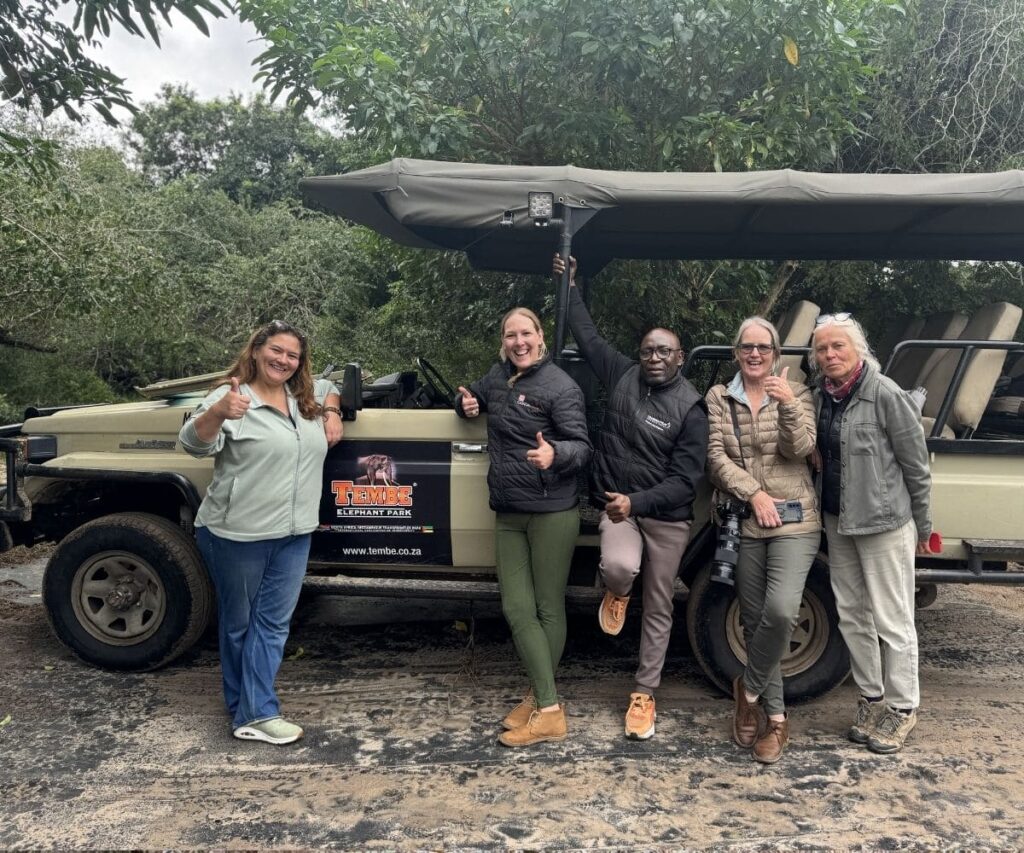
Game viewing is one of KwaZulu-Natal’s great strengths, with Hluhluwe-iMfolozi, Tembe Elephant Park and iSimangaliso Wetland Park offering compelling reasons to keep moving beyond the coast.
For travellers driving towards Tembe Elephant Park, Ghost Mountain Inn in Mkuze makes a natural pause, particularly as the journey from Durban can take around five to six hours.
The family-owned property sits at the foot of Tshaneni, often known as Ghost Mountain, in a region shaped by wildlife, Zulu heritage and the waters of nearby Lake Jozini.
Suites overlook indigenous gardens filled with birdsong, and the atmosphere is calm, comfortable and quietly affordable.
Two pools, a spa, a lake jetty and a bird hide add to its usefulness as more than just a stop en route.
This part of KZN is also where the province’s history becomes especially powerful, with battlefield visits offering moving insight into the stories that shaped the region.
A province built for varied travellers
KwaZulu-Natal’s strength is not one headline attraction but the way its pieces fit together.
Honeymooners can pair mountain seclusion with beach time, families can alternate activity with easy comfort, and keen naturalists can move from Drakensberg birds to Zululand wildlife without an awkward detour.
It also suits travellers who want cultural depth rather than a simple fly-and-flop escape.
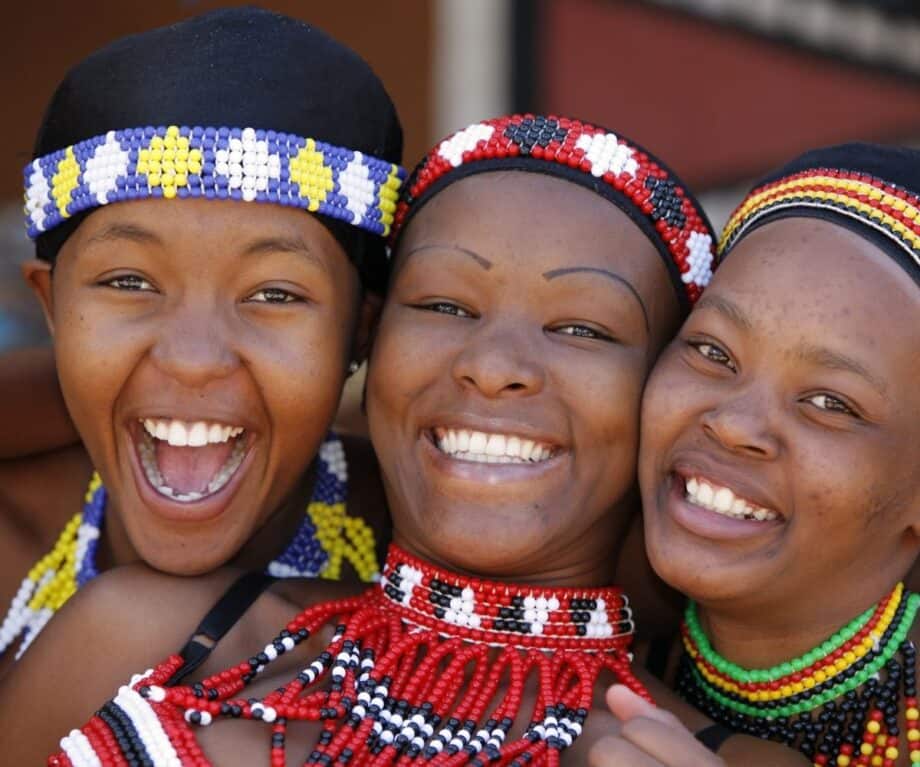
Zulu traditions, dramatic history, local food, Indian Ocean beaches and big landscapes give the province a texture that’s hard to replicate in a shorter, single-note trip.
KwaZulu-Natal may still be underrated beside South Africa’s better-known travel circuits, but that is part of its current appeal.
For those willing to connect the mountains, Durban and the northern reserves, it offers a rich, all-year journey with an unusually satisfying sense of range.