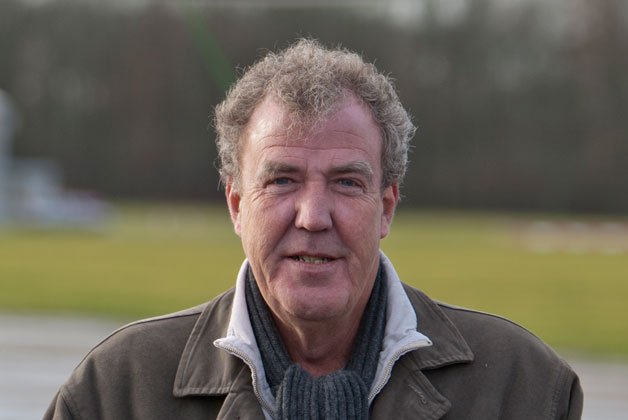
Jeremy Clarkson has spent decades as one of motoring television’s most unmistakable voices, usually at his loudest when there’s a fast car, a bad idea or a farm crisis involved.
His latest on-screen admission landed very differently, as the 66-year-old revealed he has been diagnosed with an aggressive form of prostate cancer.
The news has resonated far beyond farming television, reaching the car fans who have followed Clarkson from Top Gear through The Grand Tour and into his current life at Diddly Squat Farm.
At a glance
- Jeremy Clarkson has revealed an aggressive prostate cancer diagnosis during recent episodes of Clarkson’s Farm.
- The diagnosis followed a biopsy in May, with Clarkson saying the cancer was caught early and treatment has already begun.
- Clarkson has indicated he expects to recover, though he will be stepping back for a period while he focuses on his health.
A Rarely Quiet Clarkson Moment
The disclosure came in a subdued exchange with Kaleb Cooper and Charlie Ireland, two of the familiar faces who have become central to Clarkson’s Farm.
Rather than the usual comic tension of machinery, weather and farm economics, the moment was marked by visible shock and concern.
That shift in tone is part of why the news has travelled so quickly among viewers.
Clarkson’s public persona has always been built around bluntness, irreverence and a certain refusal to appear fragile, so hearing him speak plainly about cancer carried unusual weight.
Early Detection and Treatment Underway
Clarkson said the diagnosis came after a biopsy in May.
While the exact type of prostate cancer hasn’t been publicly detailed, he described it as aggressive and also said it had been caught early.

Treatment has already started, including the removal of part of his prostate.
He also reassured those around him that he expects to recover, while acknowledging that he’ll need time away from his usual workload.
The update follows another recent health scare, after Clarkson previously underwent a heart procedure when serious arterial blockages were found.

Why the Reaction Has Been So Personal
For many enthusiasts, Clarkson isn’t simply a presenter who happened to review cars.
He helped define an era of automotive television, turning road tests, supercar comparisons and improbable adventures into mainstream entertainment.
That familiarity has made the response feel personal, particularly for viewers who grew up watching him argue with co-presenters, abuse unsuitable vehicles and describe performance cars with the kind of theatrical certainty that became his signature.

Clarkson’s Farm has added another layer to that relationship, showing a more exposed and often more human version of Clarkson than the one long associated with studio audiences and test tracks.
The diagnosis has therefore landed with fans of both worlds, from longtime petrolheads to viewers who discovered him through the rhythms and frustrations of rural life.
A Pause, Not a Farewell
Clarkson’s decision to step back appears to be a practical part of treatment and recovery rather than a closing chapter.
His public confidence about recovering will be reassuring to fans, even as the diagnosis itself is a reminder that early medical checks can change the course of serious illness.
For now, the automotive and television communities are responding less to the celebrity headline than to the man behind it, wishing one of motoring culture’s most recognisable figures a steady recovery.