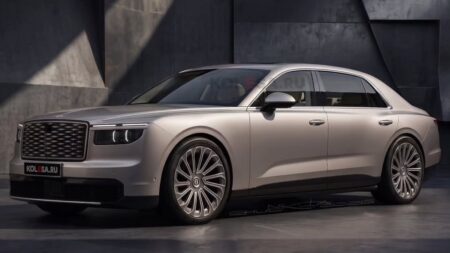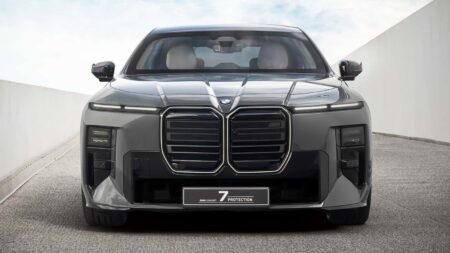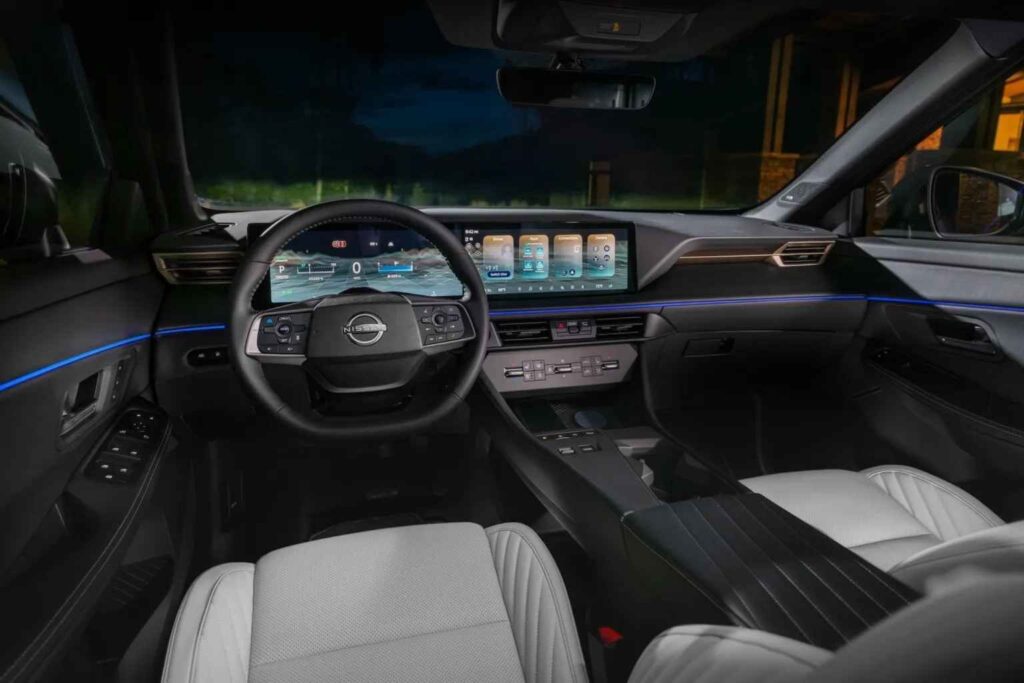
The race to replace buttons with screens has changed the feel of modern car interiors almost overnight.
Nissan is pushing back on the idea that every control belongs behind glass, arguing that a cleaner dashboard can come at the cost of simple, instinctive usability.
It’s a timely position as automakers try to balance high-tech cabin design with the basic reality of driving a car at speed, in traffic, and often without the luxury of staring at a menu.
At a glance
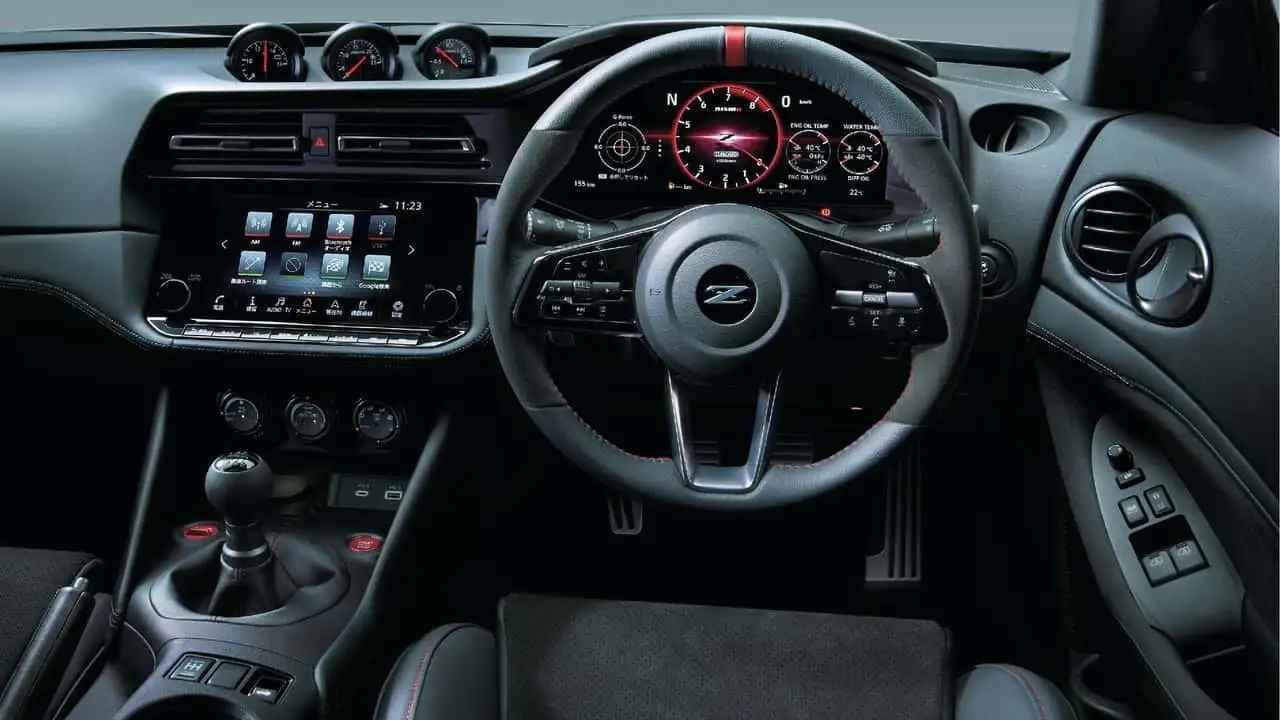
- Nissan says certain in-car controls should remain physical rather than moving entirely to touchscreens.
- Volume and power controls are among the functions the brand sees as better suited to tactile knobs.
- The view reflects a broader industry shift, with several major automakers reconsidering screen-heavy interiors.
Nissan’s case for the humble knob
Ponz Pandikuthira, Senior Vice President and Chief Planning Officer for Nissan North America, has made the point plainly that cabin control design can’t be treated as a styling exercise alone.
A dashboard with fewer switches may look calmer and more futuristic, but the driver still needs to complete basic tasks quickly and with minimal distraction.
“Ultimately, you could put everything on a screen, for example, make everything a digital switch,” Pandikuthira said. “It’s a very clean design on the inside. But the functionality takes a big beating.”
That tension sits at the heart of modern interior design.
The best cabins now need to look advanced, feel premium, and still work intuitively when the driver’s attention is split between the road, traffic, navigation prompts, passengers, and changing conditions.
The cockpit usability problem
Nissan’s argument is strongest when it comes to controls that drivers adjust often and without thinking.

Audio volume is the clearest example.
A physical volume knob gives immediate feedback, can be found by touch, and usually works without requiring the driver to look away from the road.
A screen control can do the same job in theory, but it may require more visual attention, especially if the function is buried in a submenu or represented by a small touch target.
The issue isn’t that touchscreens are inherently bad.
They’re useful for navigation, media, software updates, connected services, and the increasingly complex settings that define modern vehicles.
The problem comes when they absorb functions that are better handled by muscle memory.

Drivers have spent decades learning the feel of knobs, switches, stalks, and buttons, and that familiarity has practical value beyond nostalgia.
A wider reset across the industry
Nissan isn’t alone in rethinking how far the screen-first approach should go.
Volvo, Audi, Mercedes, and Volkswagen have all shown interest in bringing more physical controls back into their cars after years of increasingly digital cabin layouts.
That shift doesn’t mean the industry is abandoning screens.
It suggests automakers are starting to draw a clearer line between functions that benefit from digital flexibility and functions that should remain instantly accessible.
For premium brands in particular, this is also about perceived quality.
A well-damped knob or crisp physical switch can communicate engineering care in a way a flat icon often can’t.
Luxury interiors have always been about interaction as much as appearance, and the renewed interest in tactile controls fits that tradition.
BMW is taking a different path
BMW is approaching the question from another angle, placing greater confidence in touchscreens and voice-controlled interfaces.
The thinking is straightforward.
Younger buyers have grown up navigating phones, tablets, voice assistants, and connected devices, so a more digital cockpit may feel natural rather than compromised.
That view will appeal to drivers who expect a car interior to behave more like consumer technology.
It also raises the central challenge for every automaker designing the next generation of cabins.
A vehicle needs to feel current without making basic operations harder than they used to be.
Nissan’s stance lands as a reminder that progress inside a car isn’t measured only by screen size.
The smartest interiors may be the ones that know when to be digital, when to be tactile, and when to let the driver act without thinking about the interface at all.