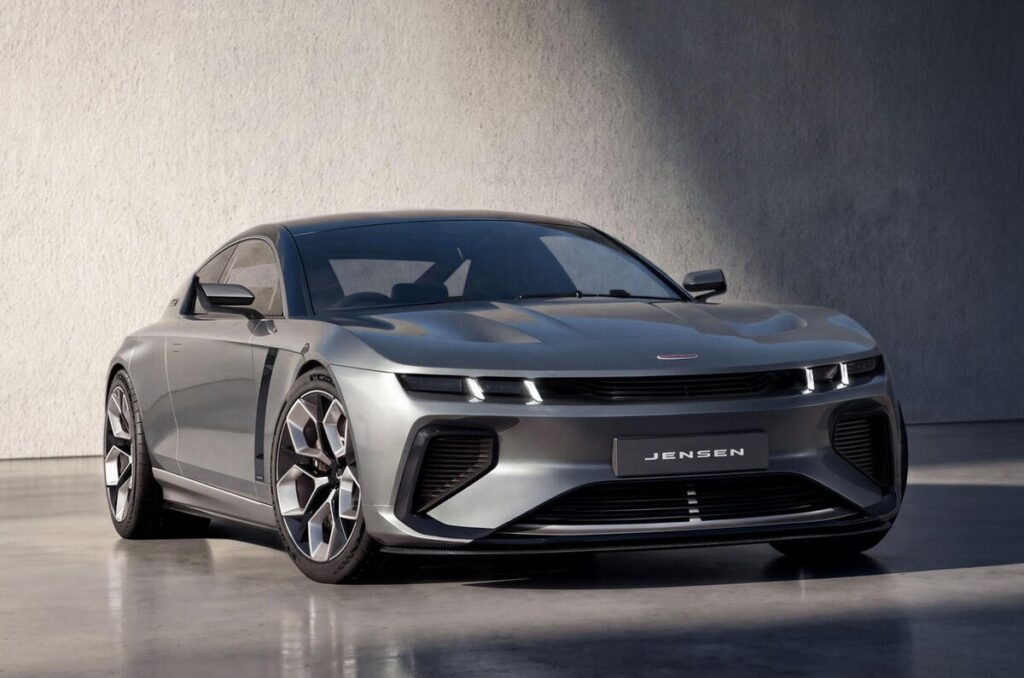
Jensen is using the Interceptor GTX for more than track-day theatre.
The high-output two-seater is being positioned as a signal of intent for a more usable road car, one that would move the reborn Interceptor name into luxury grand tourer territory.
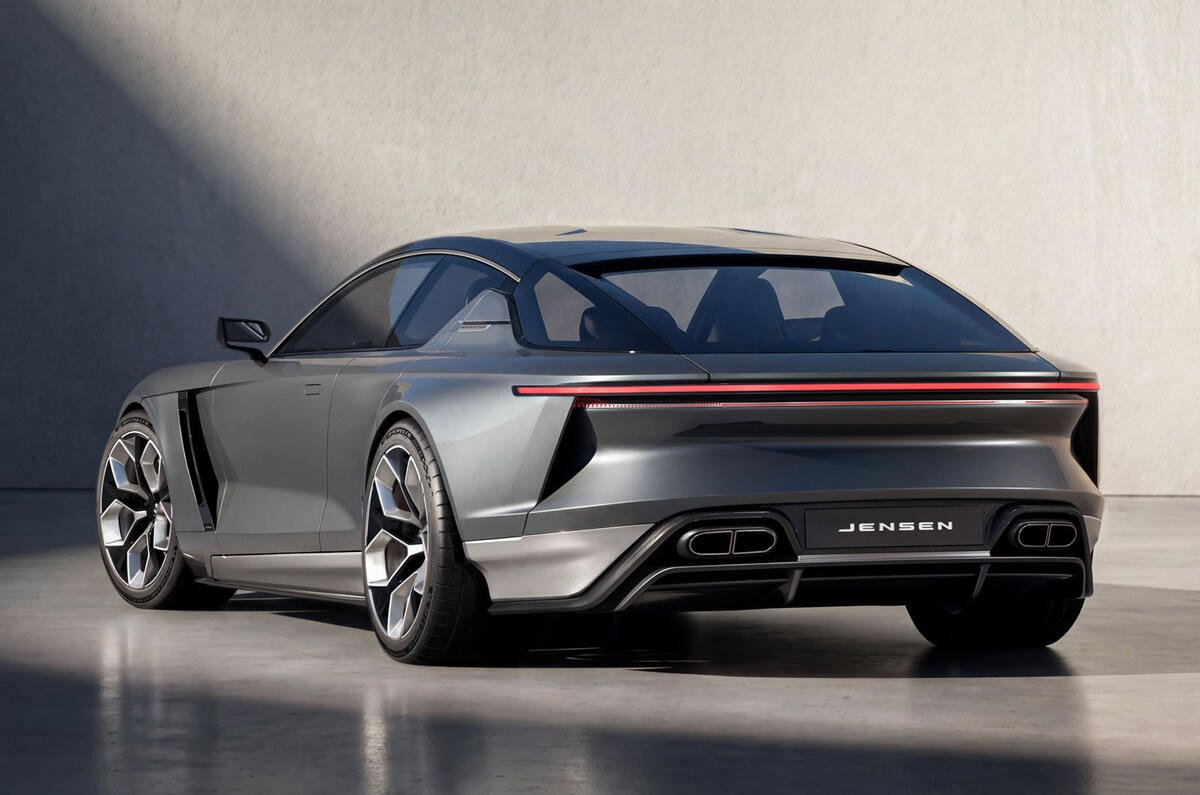
If it goes ahead, the production version will take a notably different shape from the GTX, with four seats, four doors and a brief aimed less at lap times than long-distance pace.
At a glance
- Jensen plans to use the track-focused Interceptor GTX to assess demand for a road-going Interceptor grand tourer.
- The road car is planned with four seats and four doors, unlike the two-seat GTX.
- Jensen is positioning the project against luxury GTs such as the Aston Martin DB12 and Bentley Continental GT, with pricing expected below the GTX.
A track car with a road-car purpose
The Interceptor GTX is the sharper, more focused machine, but its importance may lie in what it previews.
Jensen intends to use the GTX to read customer appetite before committing to the road-going Interceptor, making the track model a rolling statement of both design direction and brand ambition.
That distinction matters because the road car isn’t being pitched as a stripped-back performance special.
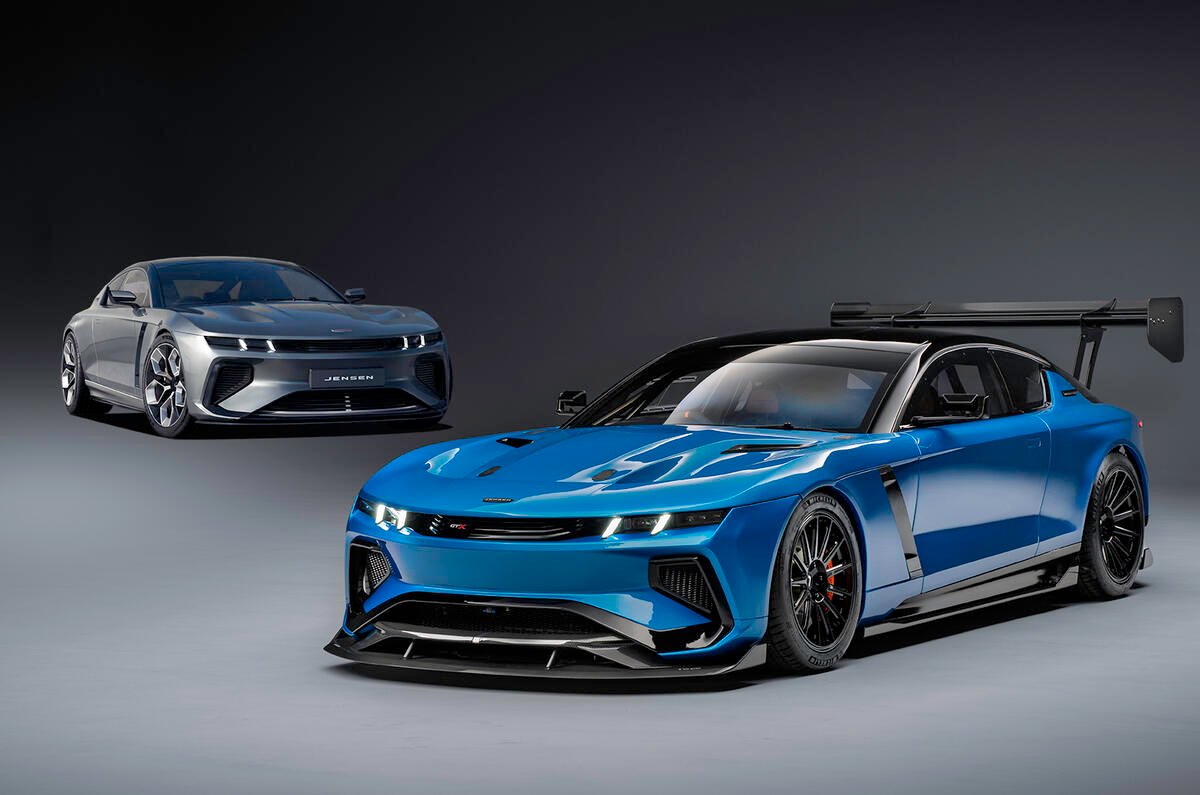
Instead, Jensen sees it as a luxury GT, putting it in the same conversation as the Aston Martin DB12 and Bentley Continental GT rather than more single-minded circuit machinery.
Four doors change the Interceptor proposition
The biggest shift is packaging.
Where the Interceptor GTX is a two-seat track-focused car, the road-going model is planned with four seats and four doors, a layout that could give Jensen a more distinctive angle in the grand touring space.

That format suggests a car built for high-speed travel with genuine cabin usability, rather than a weekend toy with token practicality.
It also gives the Interceptor name a broader remit, appealing to buyers who want character and performance without giving up everyday access or rear-seat accommodation.
V8 performance remains central to the project
The GTX’s powertrain gives a clear indication of how serious Jensen wants this revival to feel.

Its 6.8-litre supercharged V8 is rated at 900 hp, with the potential to be tuned to as much as 1200 hp later.
Power is paired with a six-speed sequential manual gearbox operated by both paddle shifters and a central-stick shifter, a combination that suits the GTX’s track-led brief.
Jensen has not confirmed whether the road-going four-door Interceptor will carry the same final specification, so the GTX should be read as a performance marker rather than a locked-in showroom blueprint.

Details & Specifications
| Brand | Jensen |
|---|---|
| Model | Interceptor GTX |
| Vehicle type | Track-focused two-seat car |
| Engine | 6.8-litre supercharged V8 |
| Power | 900 hp |
| Maximum stated tuning potential | Up to 1200 hp |
| Transmission | Six-speed sequential manual gearbox |
| Shift controls | Paddle shifters and central-stick shifter |
| Road-car plan | Four-seat, four-door luxury grand tourer |
| Market positioning | Aston Martin DB12 and Bentley Continental GT territory |
| Pricing | Expected below the track-focused GTX, final pricing not confirmed |
| Production | Not confirmed |
The appeal of the project is straightforward.
If Jensen can translate the GTX’s drama into a polished four-door GT, the road-going Interceptor could become an unusual alternative for buyers who want big-engine performance, luxury-car usability and a badge with a very different flavour from the established British grand tourers.