China’s electric wagon scene is getting another serious contender, and this one isn’t arriving quietly.
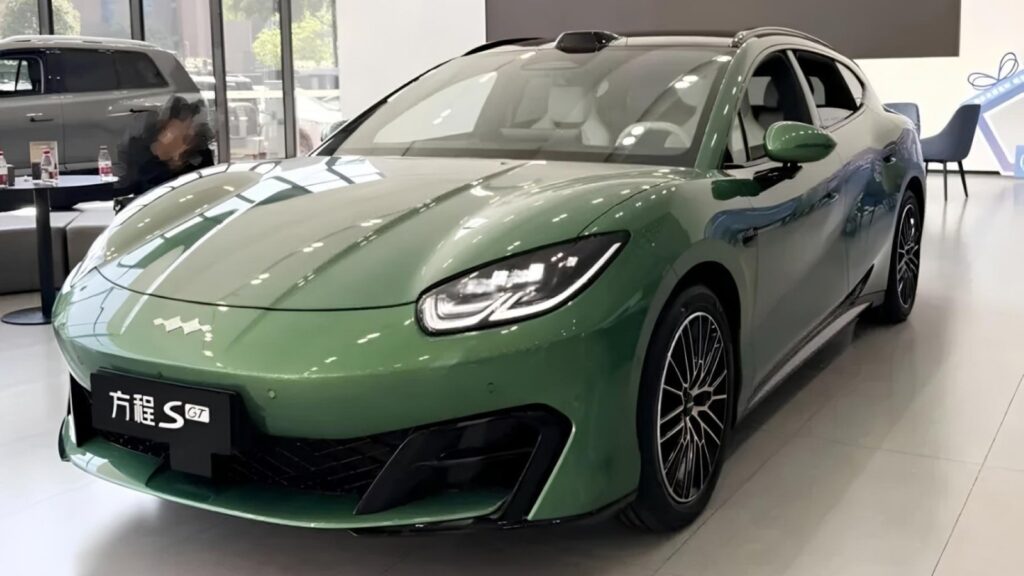
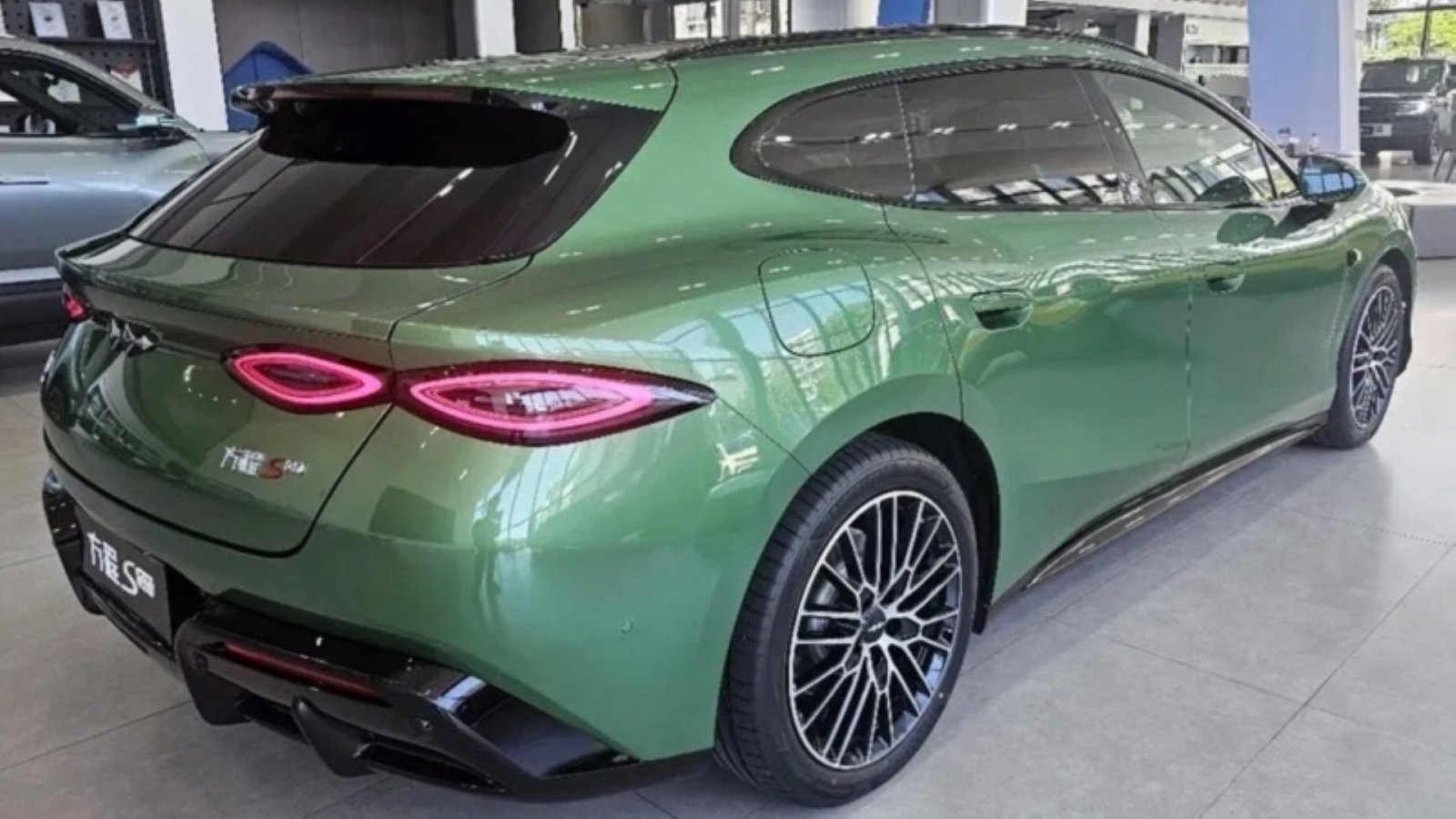
The Formula S GT has started reaching dealerships ahead of its official launch, bringing a low-slung shooting brake silhouette, high-output electric powertrains and the sort of range figures that make the segment more interesting than its niche status suggests.
For buyers who want space without defaulting to an SUV, this is exactly the kind of car that keeps the electric wagon conversation alive.
At a glance
- The Formula S GT electric station wagon has arrived at dealerships in China ahead of its official launch.
- It pairs a 92.1 kWh LFP battery with rear-wheel-drive and all-wheel-drive powertrains, the latter producing 490 kW, or 657 hp.
- The longest-range version is rated at up to 850 km on the CLTC cycle, while the all-wheel-drive model is rated at up to 730 km.
A low-roof alternative to the electric SUV
The Formula S GT stands out because it doesn’t follow the default premium EV formula of going taller, heavier and more crossover-like.
Its shape is closer to a grand touring wagon, with a stretched roofline, a sloping bonnet and a planted stance that gives it a more dynamic visual profile than most family-focused electric cars.
The front end uses trapezoidal LED headlights and sporty bumper detailing, while semi-hidden door handles keep the side surfacing relatively clean.
Multi-spoke wheels, roof rails and a small ducktail spoiler add just enough aggression without turning the car into a caricature.
There are also roof-mounted LiDAR sensors, which point toward a driver-assistance suite positioned for the increasingly technology-led Chinese EV market.
Cabin layout keeps the screen but not at any cost
Inside, the Formula S GT follows the modern EV template but doesn’t appear to abandon physical usability entirely.
A three-spoke steering wheel sits in front of a compact digital instrument display, while the gear selector is mounted on a stalk to free up space on the centre tunnel.
The floating central touchscreen dominates the dashboard, as expected in a contemporary Chinese electric car.
Still, the console retains practical touches including physical controls, cup holders and a wireless charging pad, which should matter to anyone using the car daily rather than simply admiring its spec sheet.
The overall impression is of a cabin built around technology, but with enough conventional touchpoints to avoid feeling stripped of familiar functions.
Power and range give the wagon real intent
The technical headline is the all-wheel-drive version, which produces 490 kW, equivalent to 657 hp.
That puts the Formula S GT in the territory of serious performance EVs, even before acceleration figures are confirmed.
The rear-wheel-drive version uses a 300 kW motor, or about 400 hp, which is hardly modest for a practical long-roof electric car.
Both versions use a 92.1 kWh LFP battery, a chemistry widely valued for durability and cost advantages, though charging details have not yet been laid out.
Range is the other major talking point, with the rear-wheel-drive model rated at up to 850 km on the CLTC cycle.
The more powerful all-wheel-drive model is rated at up to 730 km, a predictable trade-off given the additional motor and performance focus.
Details & Specifications
| Model | Formula S GT |
|---|---|
| Vehicle type | Electric station wagon |
| Market | China |
| Battery | 92.1 kWh LFP |
| Rear-wheel-drive output | 300 kW, or 400 hp |
| All-wheel-drive output | 490 kW, or 657 hp |
| Rear-wheel-drive range | Up to 850 km CLTC, or 528 miles |
| All-wheel-drive range | Up to 730 km CLTC, or 453 miles |
| Exterior features | Trapezoidal LED headlights, semi-hidden door handles, roof rails, ducktail spoiler, roof-mounted LiDAR |
| Interior features | Floating central screen, compact digital instrument display, stalk-mounted gear selector, wireless charging pad |
| Availability | Arriving at dealerships ahead of official launch |
Where the Formula S GT fits
Electric wagons remain a relatively small slice of the market, but China’s EV industry has been unusually willing to experiment with body styles that other markets have neglected.
The Formula S GT is interesting because it mixes family-car usability with genuine performance figures, rather than treating the wagon format as purely practical.
Its design also leans into the idea of the wagon as a lifestyle object, with enough visual drama to appeal to buyers who might otherwise look at fastbacks or performance SUVs.
For enthusiasts, the appeal is obvious.
It offers the packaging advantages of a long-roof body with the sort of power that would have belonged to a super-sedan not long ago.
The key unknowns are pricing, final equipment and how the car feels beyond the showroom floor, but the Formula S GT already looks like one of the more compelling electric wagons entering China’s rapidly evolving EV market.