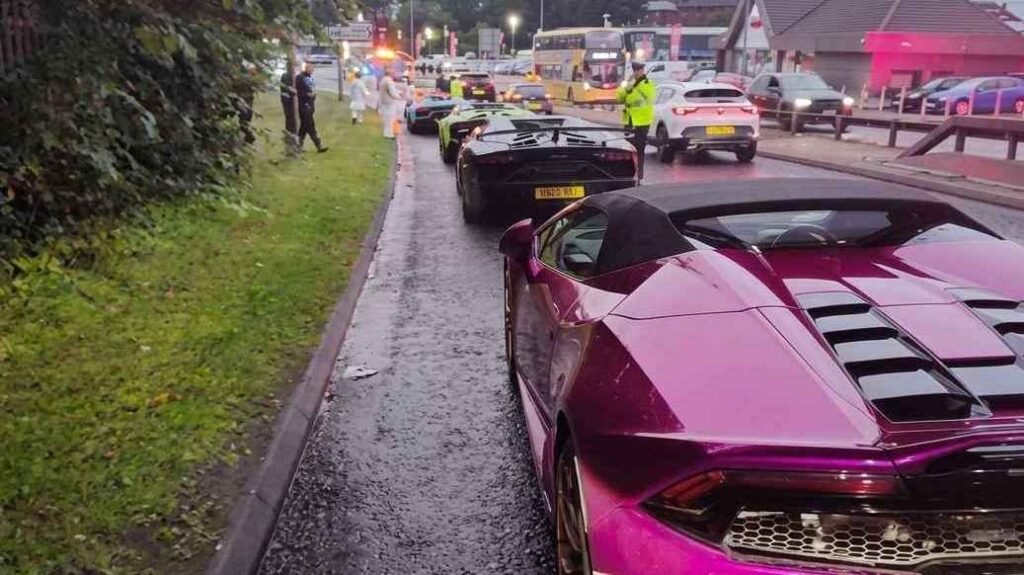
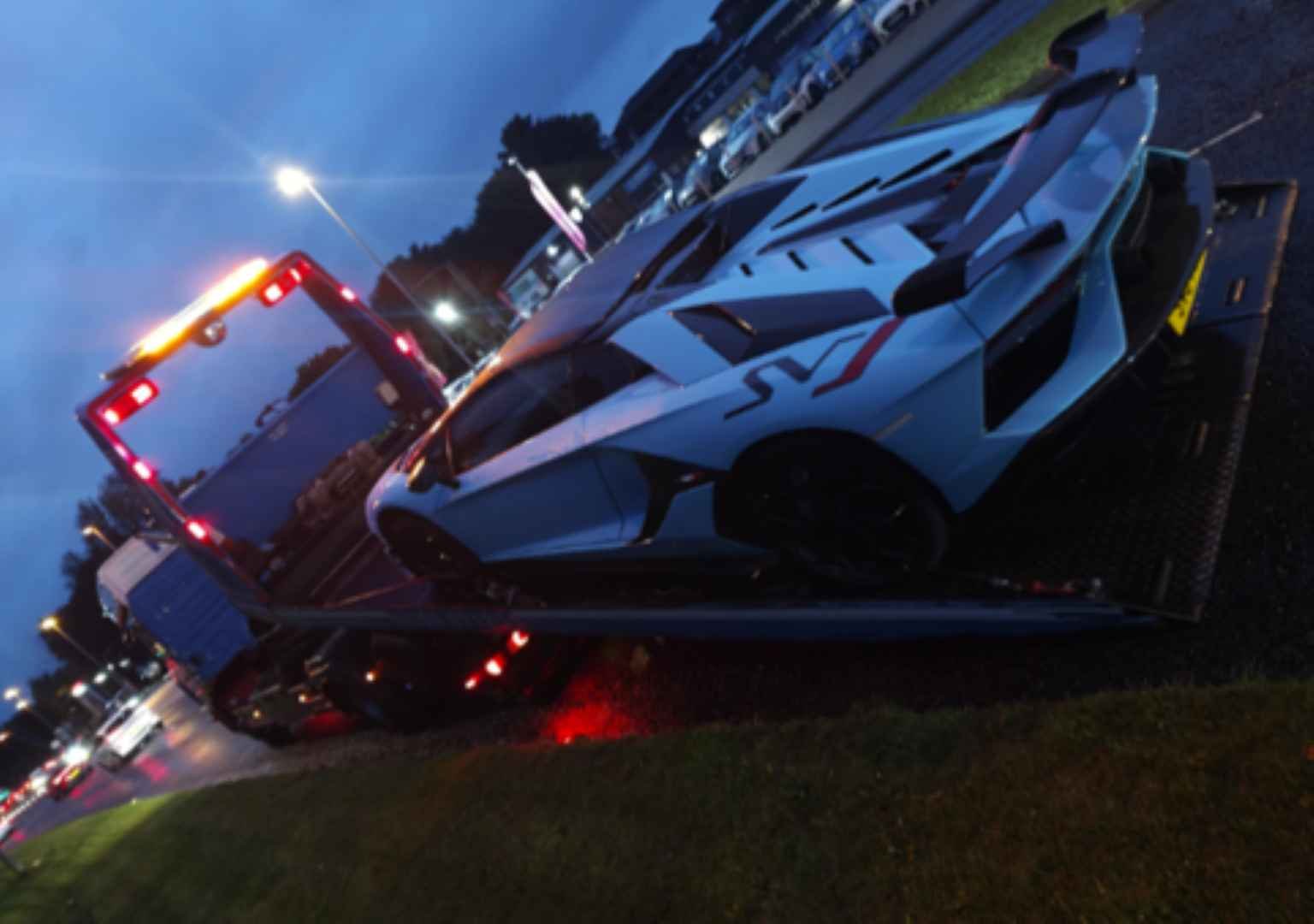
A convoy of exotic cars has been taken off the road in Greater Manchester after police received multiple complaints about driving behaviour on the M66.
The group included five Lamborghini supercars and a Mercedes-Benz G-Wagon, an attention-grabbing mix that became a policing matter on Wednesday night, September 2.
What makes the case unusual is the spread of allegations, from speeding and burnouts to travelling at just 17 mph and holding up traffic.
At a glance
- Greater Manchester Police seized five Lamborghinis and a Mercedes-Benz G-Wagon after complaints on the M66.
- Reported behaviour included speeding, weaving between lanes, burnouts and slowing traffic to around 17 mph.
- The vehicles were seized under Section 59 of the Police Reform Act 2002.
A supercar convoy draws police attention on the M66
Greater Manchester Police said its Transport Policing and Crime Command team received several complaints about the group on Wednesday night.
The reports described behaviour likely to frustrate and alarm other road users, including excessive speed, lane-weaving and burnouts.
There was also a less typical complaint for cars with this sort of performance potential.
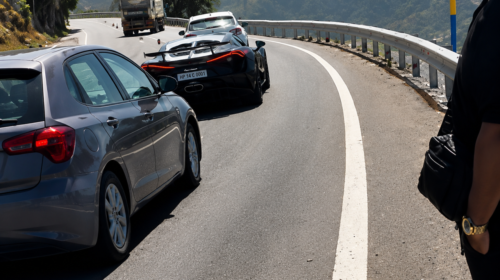
Police said the drivers were travelling at about 17 mph, slowing traffic and creating further problems on the motorway.
Five Lamborghinis and a G-Wagon taken into custody
Officers eventually stopped the convoy and seized all six vehicles involved.
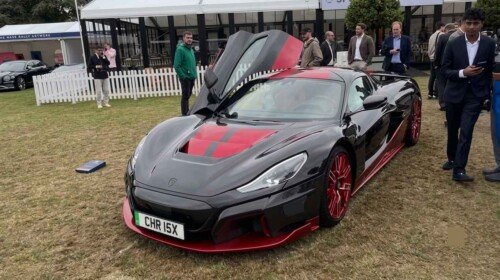
The group consisted of five Lamborghini supercars and a Mercedes-Benz G-Wagon, though the specific Lamborghini models involved were not detailed by police.
The Mercedes-Benz G-Class is hardly a supercar, but in modern performance culture it often moves in the same circles as exotic machinery, particularly in AMG form.
That combination of low-slung Lamborghinis and a boxy luxury SUV would have been hard to miss on a motorway at night.
How Section 59 powers vehicle seizures
The cars were seized under Section 59 of the Police Reform Act 2002.
The legislation gives police the power to act when a vehicle is being used in a way that causes, or is likely to cause, alarm, distress or annoyance.
It is commonly associated with anti-social driving, including behaviour that affects public roads and other motorists.
A prior warning is not always required before a seizure, which gives officers room to respond quickly when circumstances justify it.
Performance cars and public-road consequences
For enthusiasts, the incident is a reminder that attention works both ways.
A convoy of Lamborghinis will always attract interest, but on public roads the tolerance for disruptive driving is low, particularly when other motorists are forced to react to it.
There is nothing inherently wrong with enjoying special cars in a group, and the UK has a healthy car culture built around meets, rallies and owners’ clubs.
The problem comes when the road becomes part of the performance.
In this case, the combination of alleged speeding, burnouts, lane-weaving and unusually slow driving was enough for police to remove the vehicles from circulation.
For anyone running a high-profile car on public roads, the lesson is simple enough: the spectacle may be part of the appeal, but so is knowing when to keep it restrained.