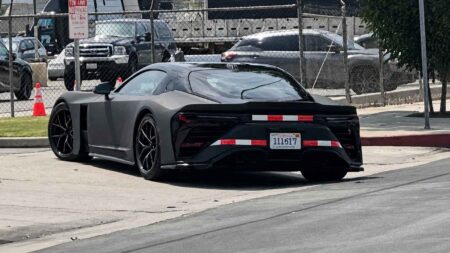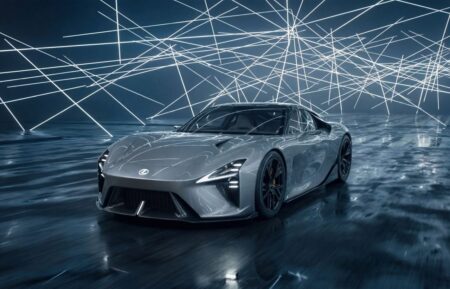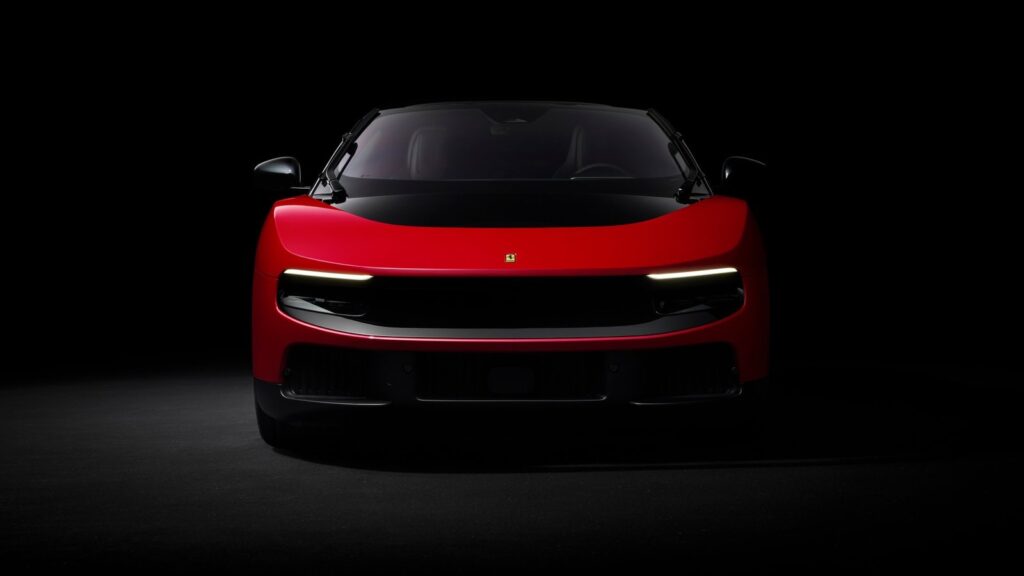
Ferrari’s first fully electric model was never going to arrive quietly.
The Luce has triggered a fierce response from enthusiasts, with criticism aimed at its proportions, its styling and the simple fact that it moves Ferrari into fully electric territory. Maranello, however, isn’t treating the noise as a problem.
For Ferrari, the reaction says something more useful than a polite round of applause ever could.
At a glance
- Ferrari expected the Luce to provoke a strong reaction as its first fully electric model.
- The car’s design was developed with LoveFrom and shaped around a clean-sheet EV architecture.
- Ferrari sees the backlash as evidence of visibility, emotional ownership and long-term brand relevance.
Maranello sees emotion as brand capital
Ferrari global marketing boss Emanuele Carando has made it clear that the intensity of the Luce reaction didn’t alarm the company.
If anything, he described it as the kind of visibility a brand can’t simply buy.
“Being a marketing director, I was very pleased,” Carando said, pointing to the fact that Ferrari is so deeply loved that people feel entitled to have an opinion on every new direction it takes.
That’s the core of Ferrari’s position.
Apathy would be more worrying than criticism, especially for a marque whose power has always relied on emotional investment as much as engineering.
The Luce backlash confirms that Ferrari still occupies rare cultural territory, where a new model can feel personal even to people who may never buy one.
A new shape for an electric Ferrari
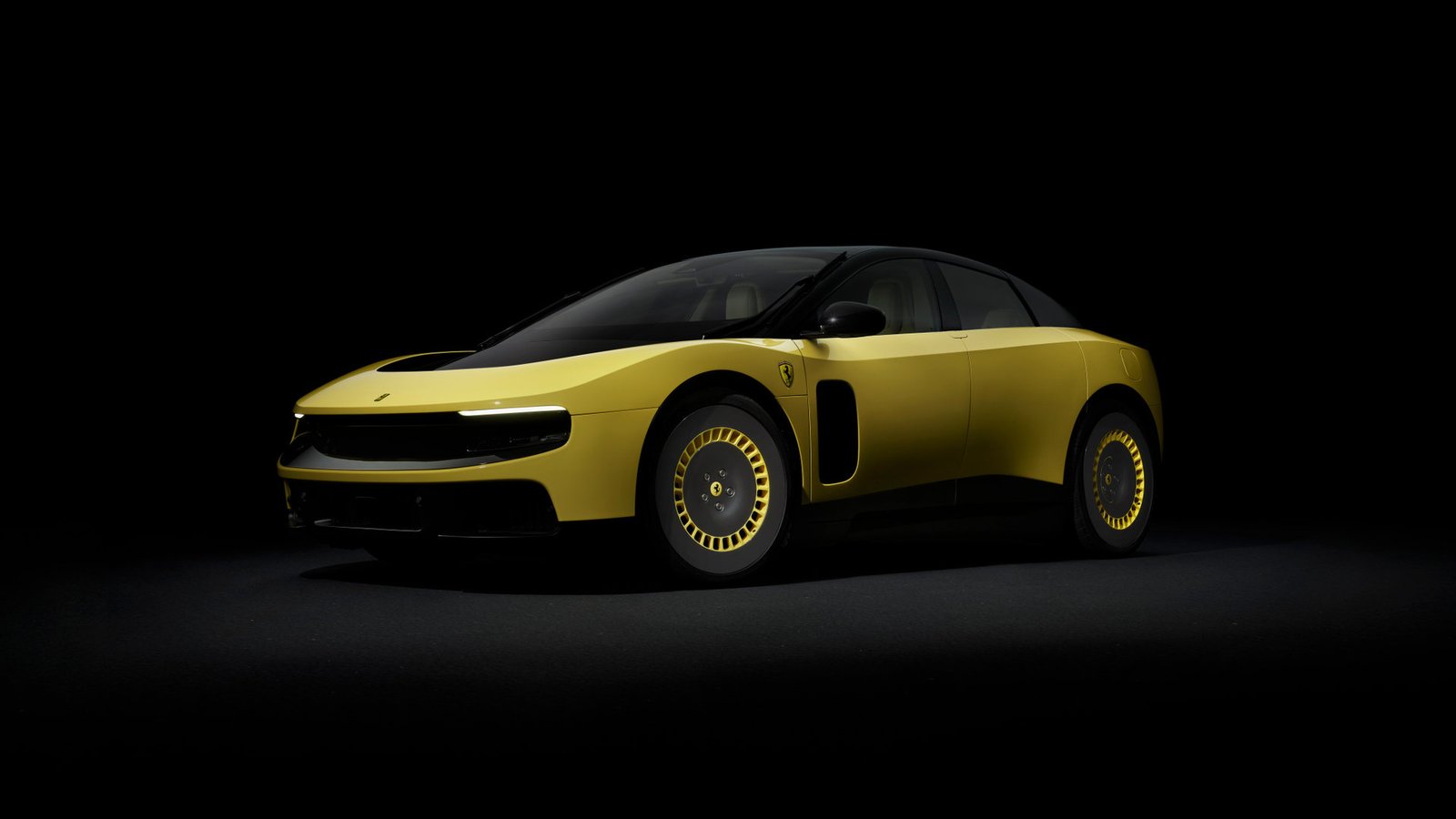
Much of the criticism has centred on how the Luce looks.
That was always the most vulnerable part of the project, because Ferrari hasn’t simply placed an electric drivetrain into a familiar silhouette.
The Luce was shaped around a dedicated EV architecture, a decision Ferrari says was necessary to deliver the kind of driving experience it wanted from its first electric car.
The design work involved LoveFrom, the creative firm best known for its minimalist approach and high-profile design culture connections.
That partnership alone was enough to suggest the Luce wouldn’t be a cautious translation of existing Ferrari design language.
Electric architecture changes proportion, packaging and surface treatment, and the Luce appears to be Ferrari’s attempt to let those realities shape the car rather than disguise them.
The Purosangue lesson still matters
Ferrari has been here before, even if not at the same scale.
When the Purosangue arrived, it was accused by some of stretching Ferrari’s identity too far.
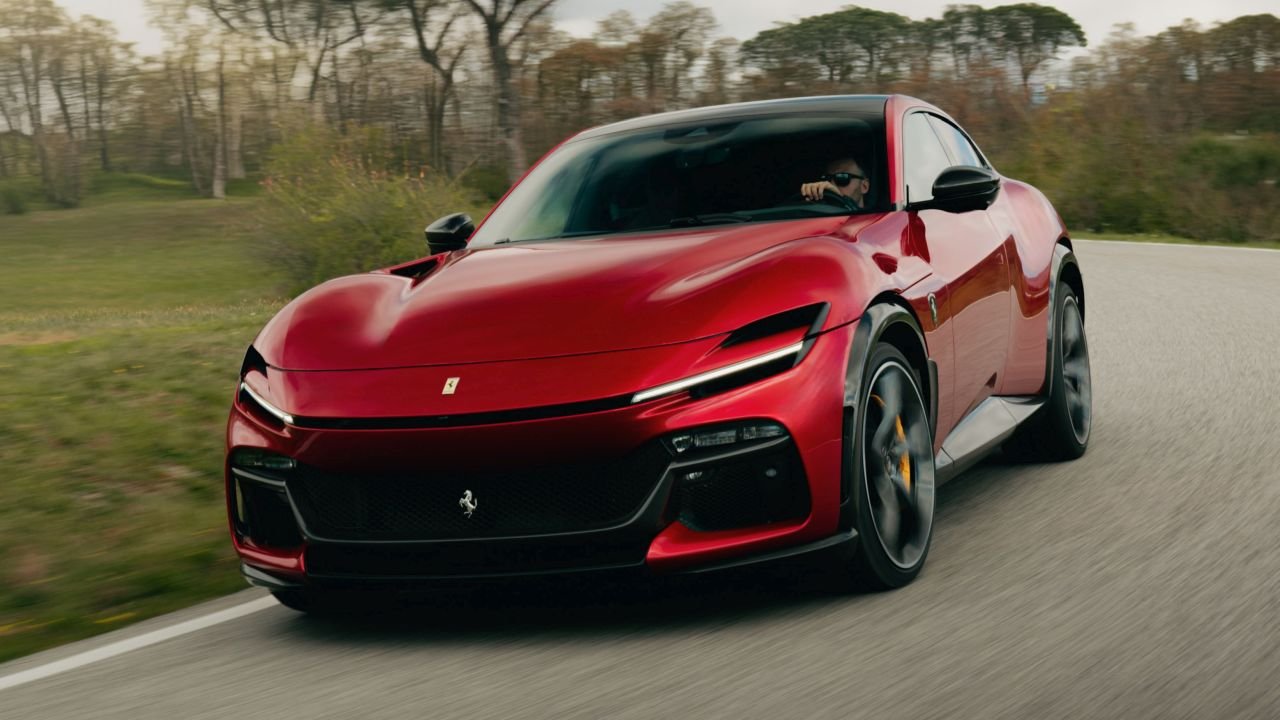
A four-door, four-seat Ferrari was a difficult idea for purists to accept, particularly for a company that had long resisted the SUV category more openly than many rivals.
Years later, the Purosangue is widely regarded as one of Ferrari’s most successful modern departures.
Carando has pointed to that shift in perception as a reminder that early resistance doesn’t necessarily predict long-term acceptance.
The Luce faces an even more emotional challenge because electrification touches the sound, ritual and mechanical character many enthusiasts associate with Ferrari.
What the Luce reaction really reveals
The backlash around the Luce is less about one car than it is about Ferrari’s transition into a new era.
For some fans, the model represents progress, technical inevitability and the chance for Maranello to define what an electric performance car can feel like.
For others, it challenges the sensory language that made Ferrari famous.
That tension is exactly why Ferrari seems comfortable letting the conversation run hot.
The Luce has already achieved what many launches struggle to do, which is to force people to engage with the future of the brand in public, loudly and emotionally.
Whether the design ages into acceptance, as the Purosangue did for many, will depend on how convincingly the car drives and how well Ferrari can translate its character into electric form.
For now, Maranello appears content with the noise, because silence would have said far less.