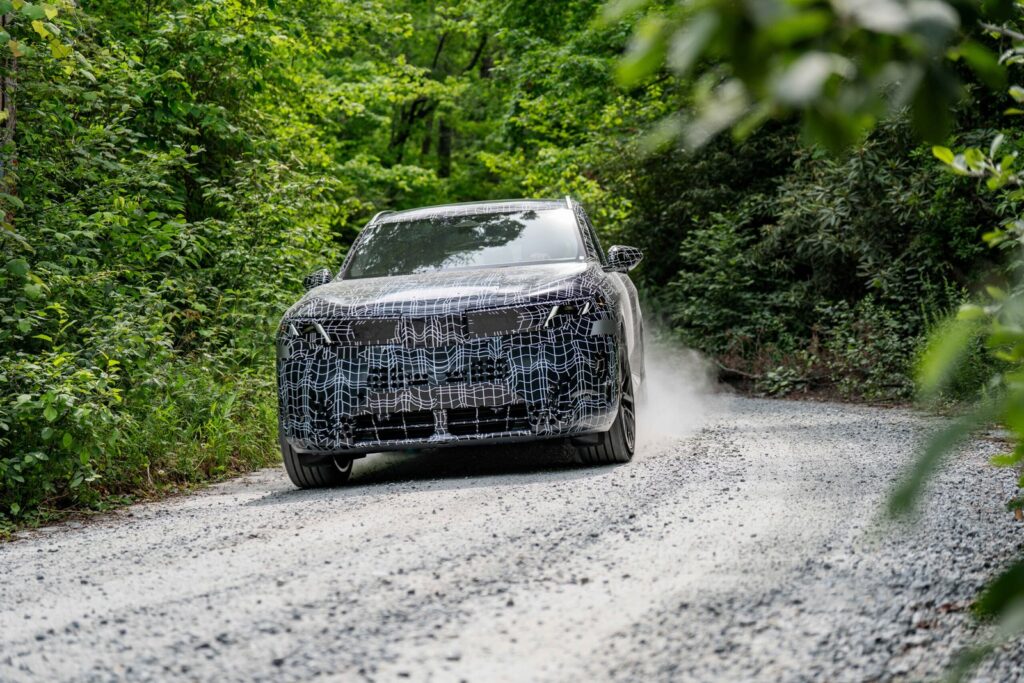
BMW is preparing one of its most important SUVs for a wider brief than ever before.
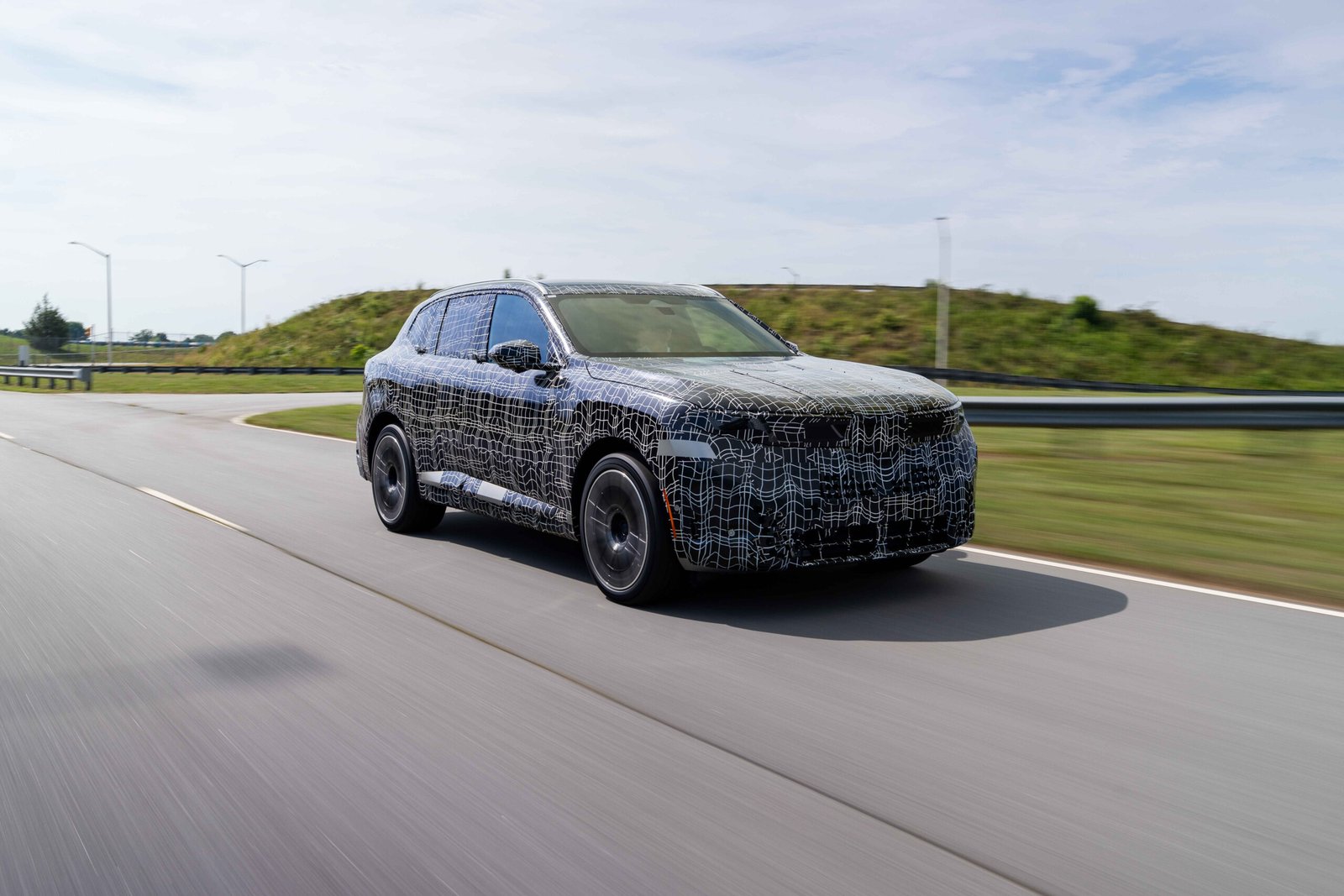
The next-generation X5 is now in final calibration drives at the brand’s Spartanburg facility, and its powertrain strategy says a great deal about where premium SUVs are heading.
Rather than choosing one route into the future, BMW is giving the X5 five of them.
At a glance
- The next BMW X5 is nearing production with five planned powertrain options across combustion, hybrid, electric and hydrogen.
- The electric iX5 60 xDrive is set to use sixth-generation BMW eDrive technology, 800V architecture and 578 hp.
- A hydrogen-powered iX5 is planned for 2028, while level 2 driver assistance will feature across the new X5 family.
Five drivetrains make the X5 a broader luxury SUV
The new X5 will be offered with petrol and diesel 48V mild-hybrid engines, a plug-in hybrid, a fully electric iX5 and a hydrogen fuel-cell version.
That spread is unusually wide, even in a segment where flexibility matters.
For buyers, it means the X5 will be able to serve several very different use cases, from long-distance diesel driving to electric daily running and plug-in hybrid compromise.
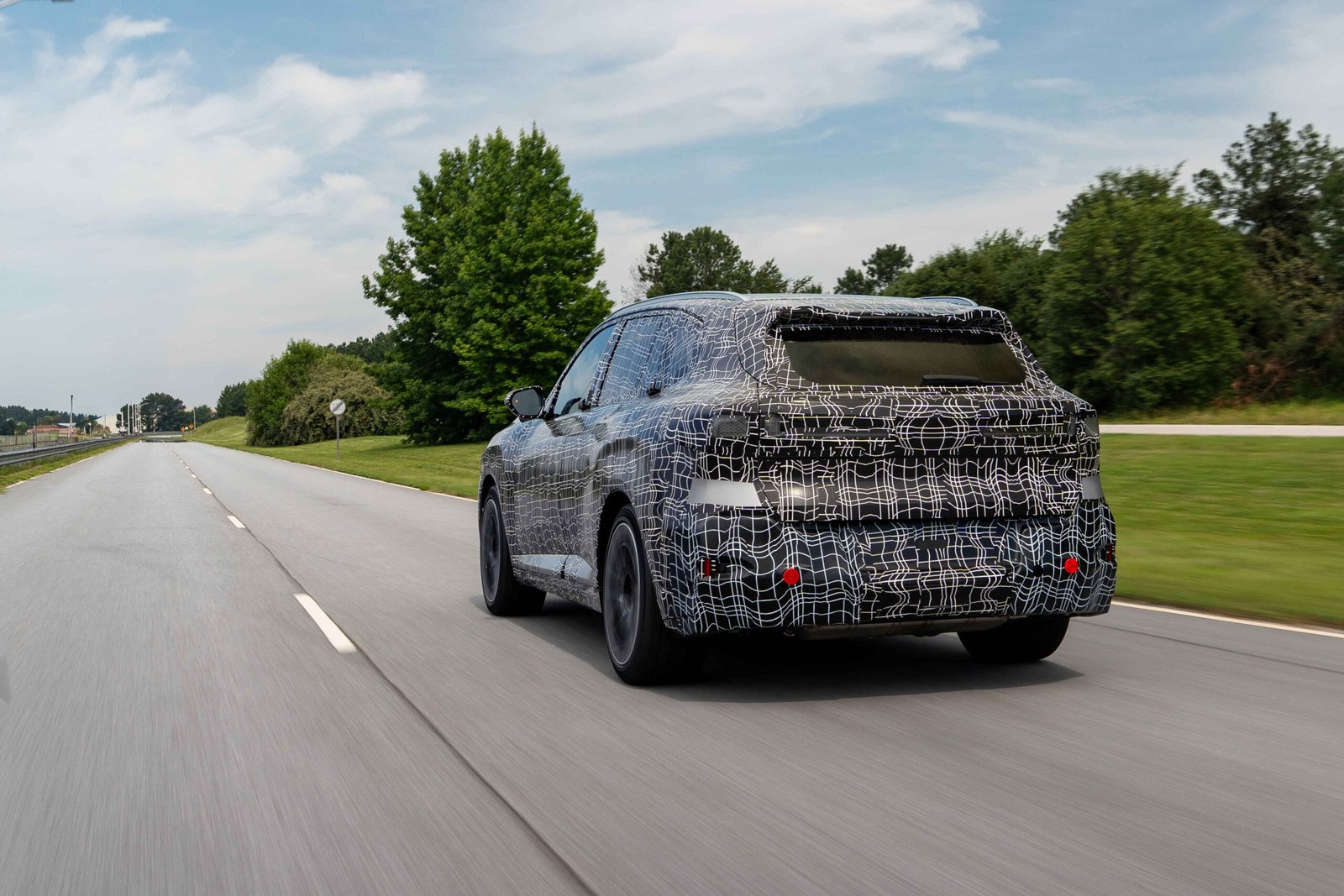
It also gives BMW room to keep the X5 relevant across markets that are moving at different speeds toward electrification.
The iX5 60 xDrive leads with BMW’s latest eDrive technology
The electric iX5 60 xDrive sits at the front of the story for now.
BMW’s sixth-generation eDrive technology brings 800V architecture, 578 hp and the largest battery yet fitted to a BMW electric vehicle.

That combination is aimed at giving the electric X5 both the performance expected of a modern luxury SUV and the long-range usability buyers will demand from a family flagship.
The hydrogen model is further away, with the iX5 Hydrogen scheduled to arrive in 2028.
Its appeal will rest on BMW’s fuel-cell system and packaging approach, which are intended to preserve day-to-day practicality while offering another zero-emission route beyond battery-electric power.

Chassis control and driver assistance move forward
Beneath the new X5 range, BMW is introducing a Dynamic Performance Control system designed to manage power, braking and steering more quickly than before.
The goal is a sharper and more connected drive, regardless of whether the SUV is running a combustion engine, a plug-in hybrid system, a battery-electric drivetrain or hydrogen fuel-cell hardware.
The next X5 will also bring level 2 driver assistance, adding semi-automated support while keeping the driver responsible and engaged.
That will be important in a class where comfort, technology and long-distance ease now matter as much as outright performance.
Details & Specifications
| Brand | BMW |
|---|---|
| Model | Next-generation X5 |
| Production status | Final calibration drives underway at Spartanburg |
| Powertrain options | Petrol 48V mild-hybrid, diesel 48V mild-hybrid, plug-in hybrid, electric iX5, hydrogen iX5 |
| Electric variant | iX5 60 xDrive |
| Electric output | 578 hp |
| EV technology | Sixth-generation BMW eDrive |
| EV architecture | 800V |
| Battery | Largest battery yet fitted to a BMW EV |
| Hydrogen version | iX5 Hydrogen planned for 2028 |
| Driver assistance | Level 2 automation |
| Key rival | Audi Q7 |
The next X5 looks less like a single-model replacement and more like a platform for BMW’s competing powertrain futures.
If the execution matches the ambition, it could become one of the most versatile luxury SUVs in the segment.