BMW’s next cabin revolution won’t be led by another rotary controller or a denser bank of shortcut keys.
The brand is pushing further into touchscreen and voice-led interiors, arguing that younger drivers are already trained by phones, tablets and smart speakers to interact this way.
It’s a clear statement of intent at a moment when several major carmakers are reconsidering the value of proper buttons.
At a glance
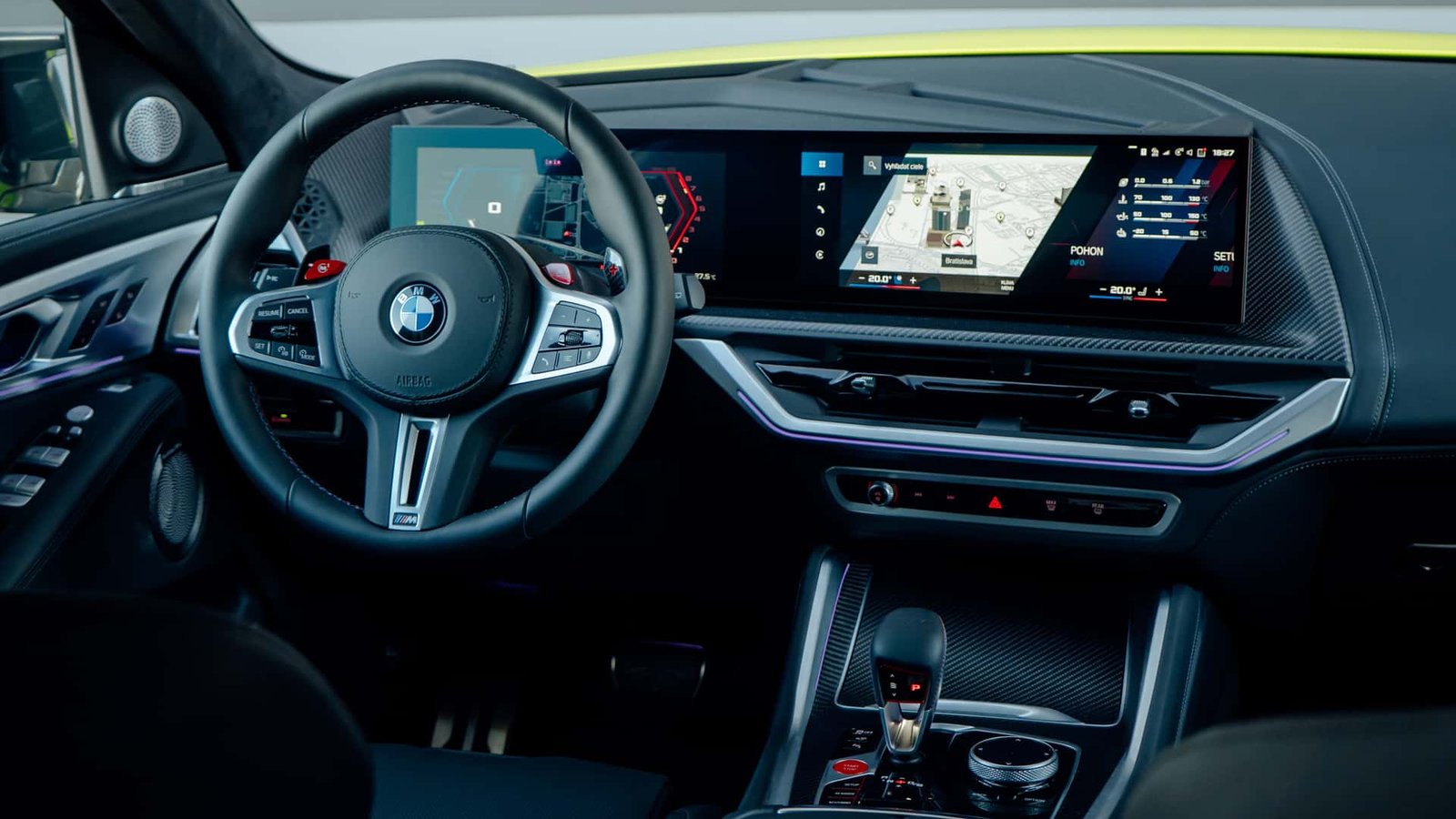
- BMW is reducing traditional buttons and knobs as it moves toward touchscreen and voice-controlled cabins.
- The Neue Klasse-based iX3 shows the approach clearly, with conventional climate controls removed and most functions moved into the screen or voice interface.
- BMW sees the strategy as a way to align its cars with younger buyers’ everyday technology habits.
BMW’s cabin strategy follows the smartphone generation
BMW Group Australia CEO Vikram Pawah has framed the decision as part of a broader shift in how people use technology, rather than a car industry trend in isolation.
The thinking is simple enough.
If a buyer spends much of the day navigating apps, touch interfaces and voice assistants, BMW believes the car should feel like a natural extension of that environment.
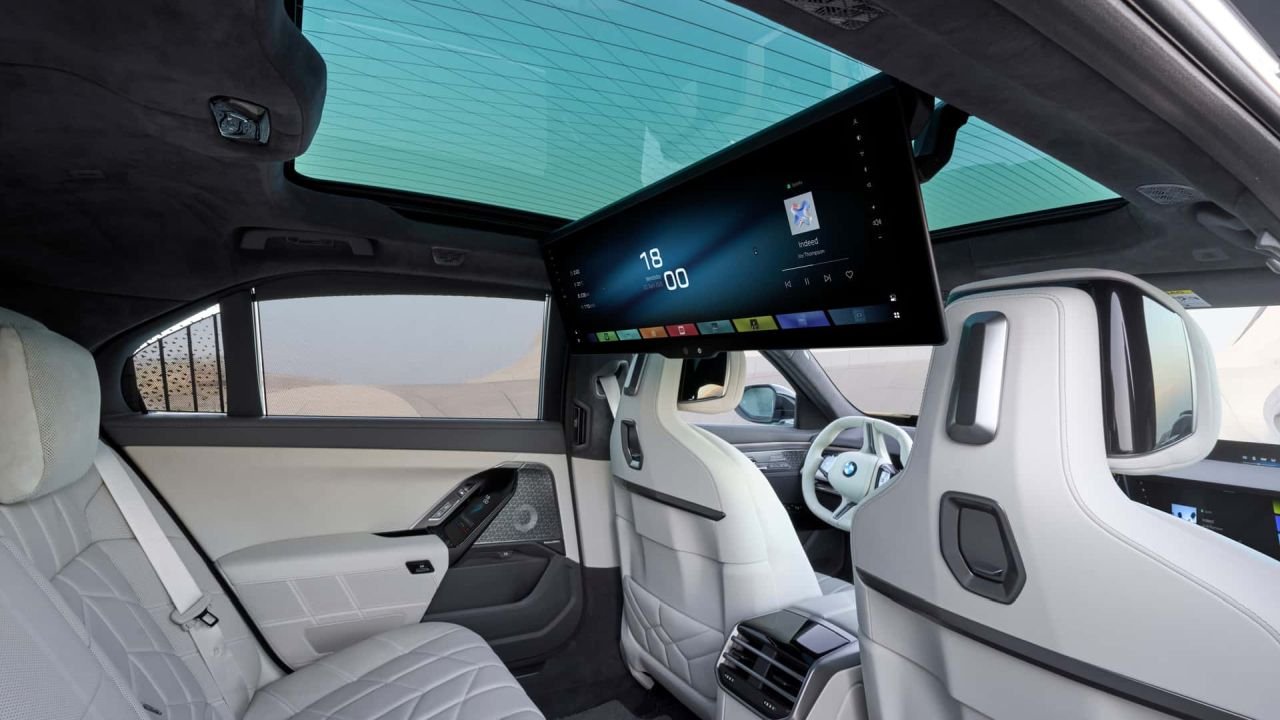
That doesn’t mean every driver will welcome the change, especially those who still value the immediacy of a hard switch for common functions.
But BMW’s direction suggests the brand sees digital fluency as a growing part of premium-car expectations, particularly among younger customers entering the market.
The Neue Klasse iX3 shows how far BMW is willing to go
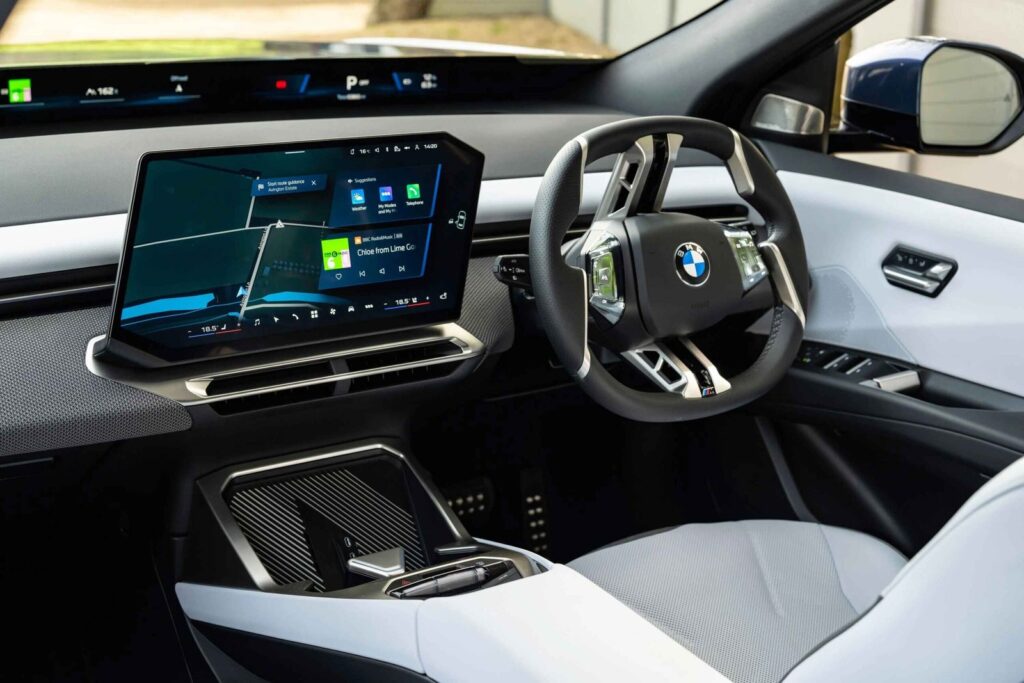
The clearest sign of this strategy is the new Neue Klasse-based iX3.

Its interior has moved away from conventional climate-control buttons, with most functions handled through the central touchscreen or voice commands.
Physical switchgear hasn’t disappeared entirely, but it has been pared back to a small cluster on the centre console.
That’s a meaningful departure for a brand whose cabins were once defined by driver-focused ergonomics and tactile control layouts.

For BMW, the screen-heavy format is not just a design clean-up exercise.
It’s a bid to make the cabin feel more contemporary, more adaptable and less tied to fixed hardware that can date quickly.
The button debate is not going away
BMW’s confidence comes as other brands appear more cautious about fully digital interiors.
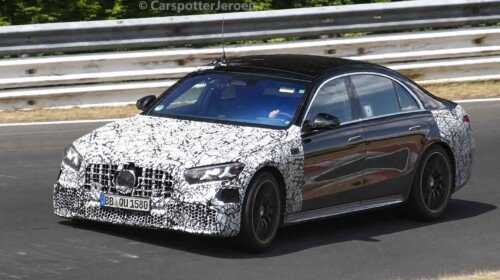
Audi, Mercedes and Volkswagen have all been weighing the return of more physical controls after years of increasingly screen-centric cabin design across the industry.
The reason is not nostalgia alone.
Buttons and rotary controls offer tactile feedback, and once a driver learns their position, they can often be used with minimal visual distraction.
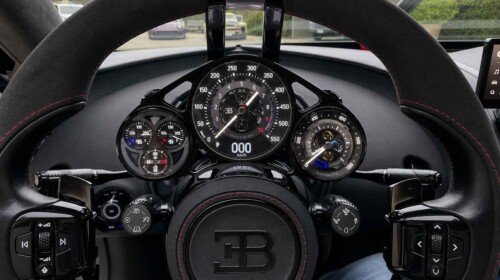
That matters most for repetitive tasks such as changing temperature, adjusting fan speed or selecting frequently used vehicle settings.
Touchscreens can be visually cleaner and software-rich, but they often ask the driver to look, aim and confirm.
Voice control solves some of that, provided it works quickly and understands the command in normal driving conditions.
What this means for BMW buyers
BMW’s approach will likely divide its audience along familiar lines.
Drivers who want a modern, phone-like cabin may see fewer buttons as a benefit, especially if the voice interface proves intuitive in daily use.
Long-time enthusiasts may be harder to convince, particularly if they associate BMW with fast, instinctive control and minimal distraction.
The real test will be whether the system feels seamless after the showroom impression fades.
A premium digital cabin has to do more than look clean in photography.
It has to make simple tasks feel simple at speed, in traffic, at night and in bad weather.
For now, BMW appears committed to the digital path, and the Neue Klasse generation makes that commitment visible in metal, glass and software.
Whether buyers see it as progress or overreach will depend less on the absence of buttons and more on how well BMW makes the alternatives work.