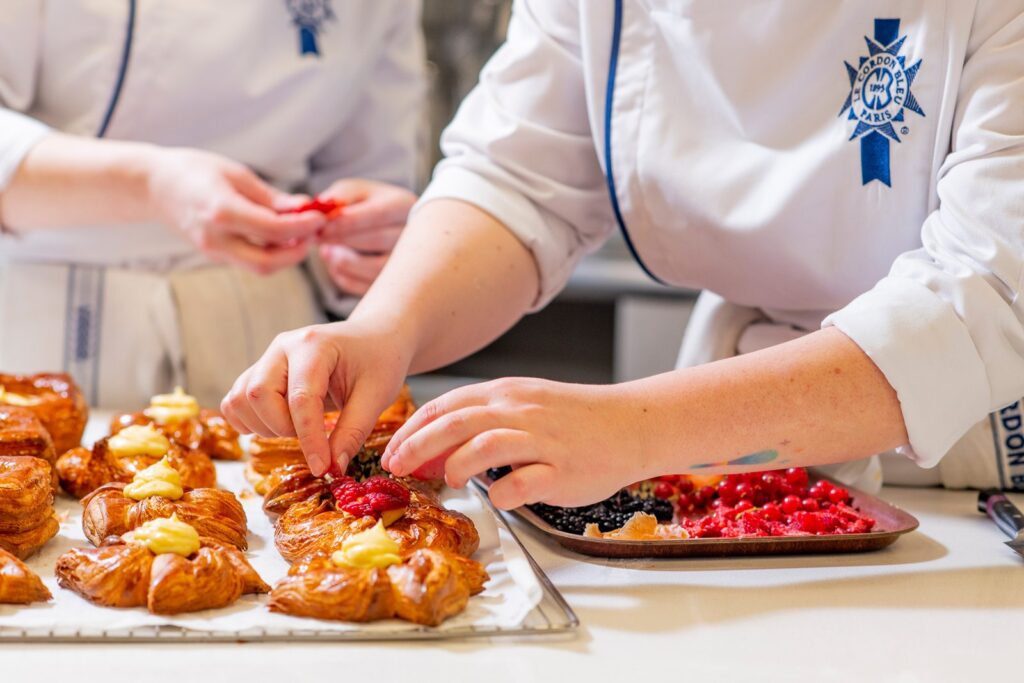
Few culinary schools carry the cultural weight of Le Cordon Bleu, and its London institute has a particular place in British food history.
What makes it interesting today is not just its devotion to classical French technique, but the way that foundation is being used to address a more complex dining world shaped by nutrition, sustainability, entrepreneurship and changing appetites.
For aspiring chefs, pastry specialists, hospitality leaders and serious home cooks, Le Cordon Bleu London remains a rare bridge between tradition and the future of food.
At a glance
- Le Cordon Bleu London continues to develop its culinary education around classical French technique, modern food trends and hospitality leadership.
- Its programmes span plant-led cuisine, pâtisserie innovation, gastronomy, nutrition, culinary management and postgraduate hospitality study.
- The London institute opened in 1931 and remains closely tied to British culinary history, including the creation of Coronation Chicken in 1953.
A London school with Parisian roots
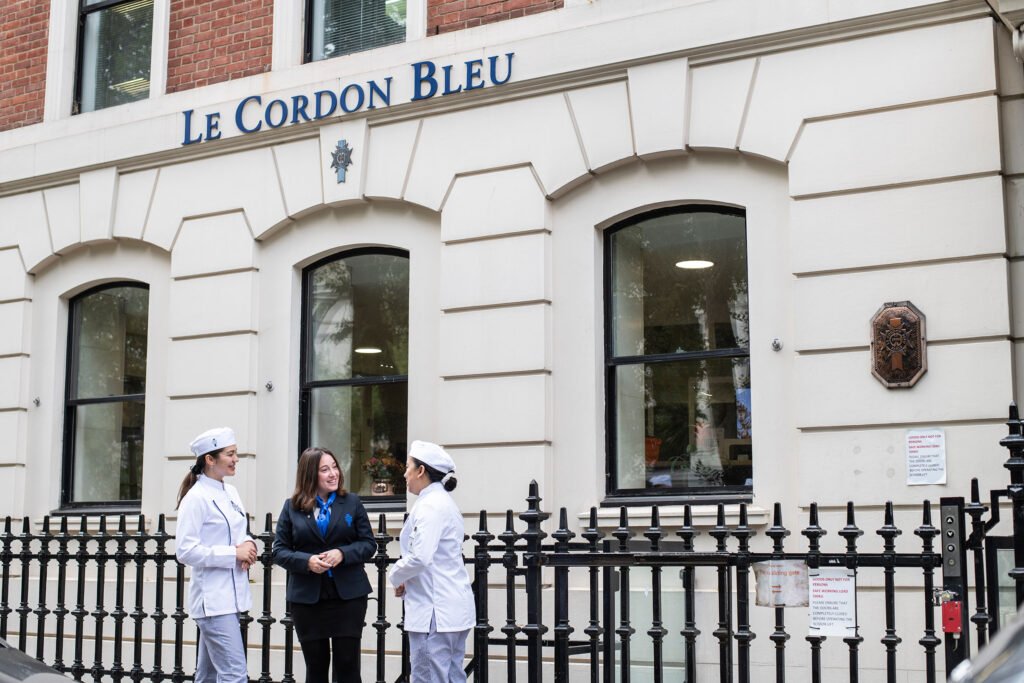
Le Cordon Bleu began in Paris in 1895, long after the phrase itself had become shorthand for exceptional cooking.
The London institute followed in 1931, led by Rosemary Hume and Dione Lucas, bringing the school’s disciplined French approach into one of the world’s most influential food cities.
That heritage is still central to its identity.
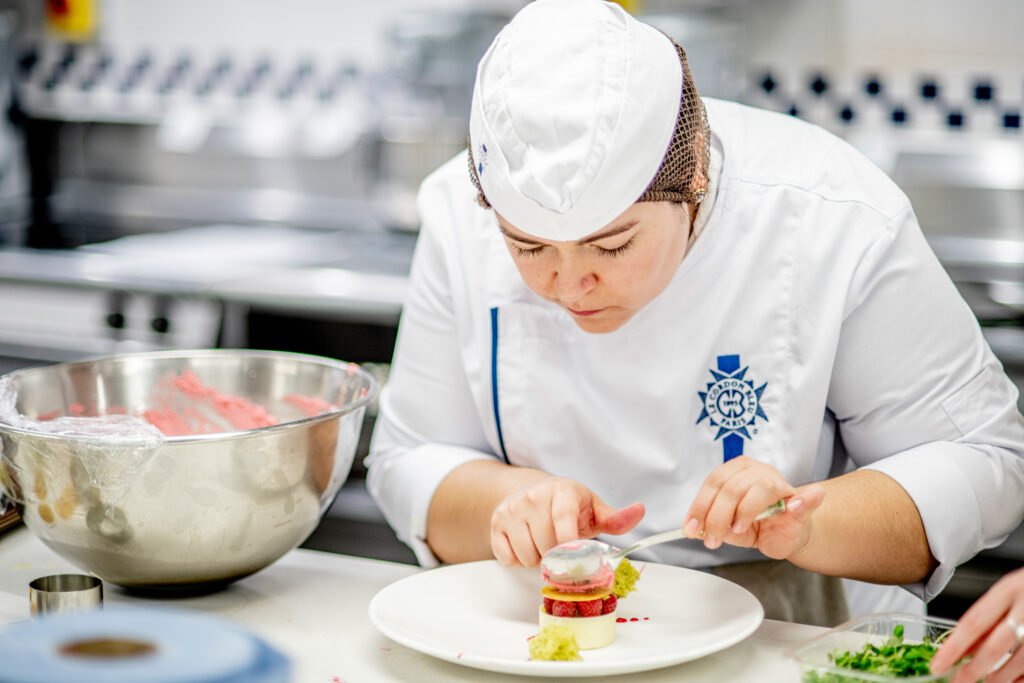
Students are trained in technique first, with the rhythms of classical cuisine giving structure to everything from sauces and pastry to menu thinking and kitchen discipline.
Yet the London school has never existed as a museum piece.
Its most famous contribution to British dining came in 1953, when Hume and her students prepared the Coronation Luncheon for Queen Elizabeth II and created Poulet Reine Elizabeth, now better known as Coronation Chicken.
Today, the dish is often encountered in sandwiches and salads, but at the time it was a sophisticated response to a country just emerging from rationing.
Its use of ingredients that had only recently become more accessible made it feel quietly modern, and it remains a useful symbol of the school’s wider philosophy.
Classical technique meets changing appetites
The modern diner is asking more of food than polish and flavour alone.
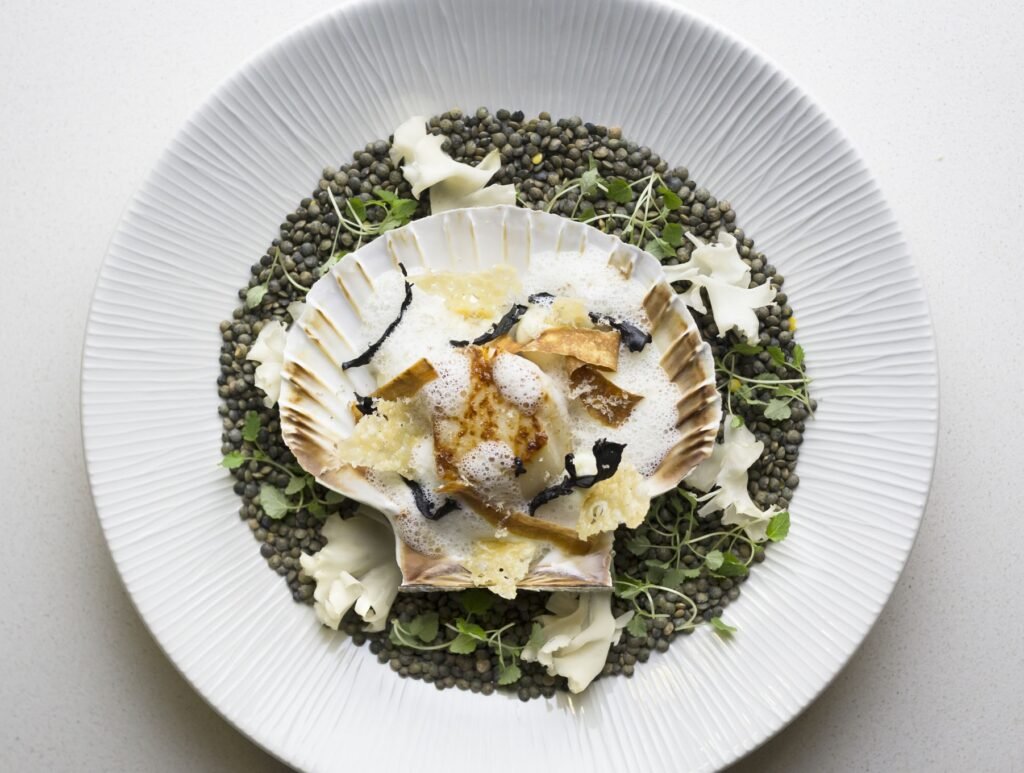
Questions around health, provenance, dietary requirements, sustainability and ingredient choice now sit alongside craft, presentation and pleasure.
Le Cordon Bleu London has responded by broadening its curriculum beyond the core disciplines that built its reputation.
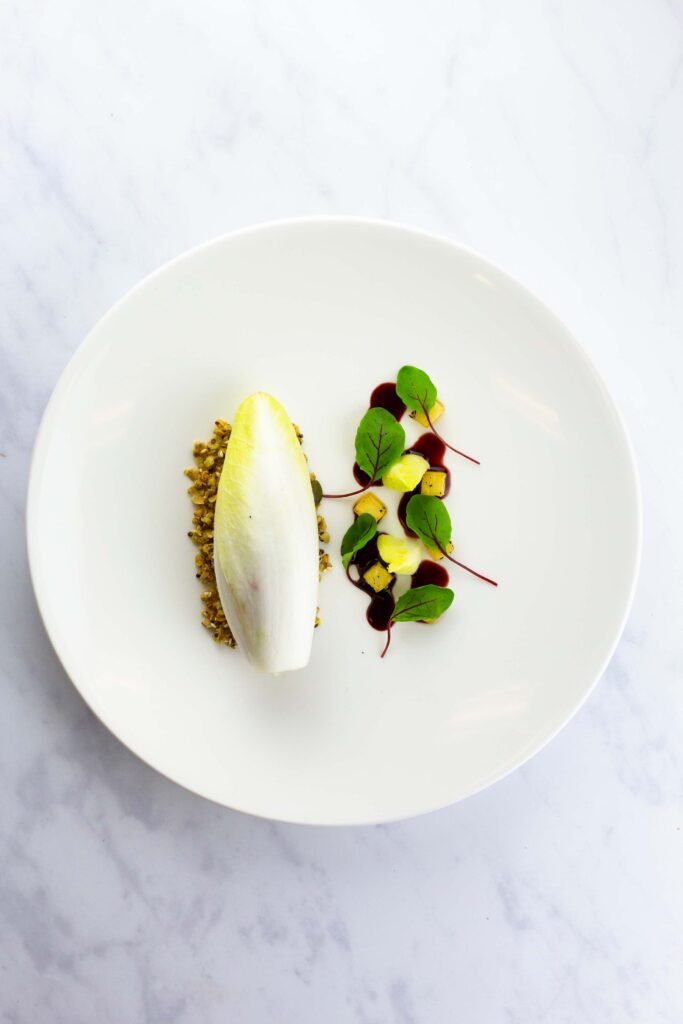
In 2020, the school introduced its first entirely plant-based programme, reflecting the growing interest in alternative culinary approaches.
That area has since developed into two three-month programmes, the Diploma in Plant-Based Culinary Arts – Cuisine and the Diploma in Plant-Based Culinary Arts – Pâtisserie.
The split is significant because it treats plant-led cookery not as a single trend, but as a technical field with distinct savoury and sweet challenges.
In pâtisserie, where butter, cream and eggs have traditionally done so much structural work, that challenge is especially demanding.
The Diploma in Gastronomy, Nutrition & Food Trends looks at food through a wider lens, examining the relationship between culinary arts, food science, nutrition, health, sustainability and gastronomy.
For students who want to understand why people eat the way they do, not just how to cook for them, it brings useful context to the plate.
The Diploma in Pâtisserie Innovation takes another route into modernity.
Designed for those with previous pastry experience or study, it explores ingredient substitution, texture, flavour balance and the development of advanced pâtisserie for contemporary tastes.
From kitchen craft to hospitality leadership
Technical skill may open the door in hospitality, but it rarely sustains a career on its own.
Restaurants, hotels, bakeries, catering concepts and food businesses require people who can read a market, lead teams, manage costs and understand the guest experience.
Le Cordon Bleu London’s Diploma in Culinary Management is designed as a companion to practical chef training, giving students business management knowledge after completing their culinary studies.
For many, that education can be the difference between being a skilled practitioner and building a viable venture.
The school’s academic route expanded in 2017 through a partnership with Birkbeck, University of London, creating the BBA in Culinary Industry Management.
The degree combines business, management, culinary arts and hospitality, placing food within a commercial and operational framework.
In 2019, the MSc in Culinary Innovation Management added a postgraduate path focused on culinary arts, business, innovation, sustainability, customer experience and entrepreneurship.
The emphasis is practical but strategic, aimed at a global industry where fresh ideas need to be commercially resilient.
Hospitality leadership became an even stronger focus in 2024 with the launch of the Master of Sciences in Hospitality Innovation Management.
In 2025, the programme was expanded with a 12-month internship, giving students the chance to gain direct experience inside a hospitality organisation.
Short courses for curious cooks
Not everyone who walks through the door is preparing for a professional kitchen.
Part of Le Cordon Bleu London’s appeal is that it also serves enthusiasts who want to cook with more confidence, precision and pleasure.
Its shorter courses cover areas such as French cuisine foundations, classic sauces, macarons, croissant technique, global flavours and wine tasting.
That range matters because culinary education is no longer reserved for those chasing a chef’s jacket.
For some, it is a career step.
For others, it is a way to understand craft more deeply and bring a little more fluency to everyday cooking.
Le Cordon Bleu London’s strength is that it can speak to both audiences without losing its centre.
Its enduring value lies in the balance between discipline and curiosity, preserving the grammar of French cookery while giving students the tools to write something of their own.