Bentley’s new Torcal EV arrives at a moment when luxury-car dashboards are becoming wider, brighter and more screen-heavy.
That makes one of its interior decisions especially interesting. The Torcal has modern digital hardware, but Bentley has deliberately left out the front passenger display that’s becoming familiar across the upper end of the market.
At a glance
- Bentley considered a front passenger screen for the Torcal EV but chose not to include one.
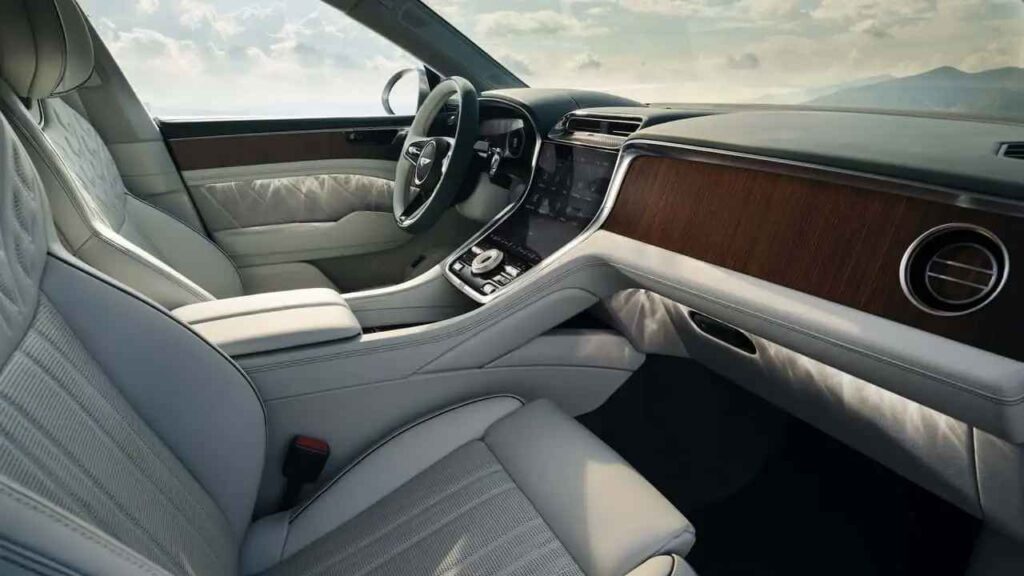
- The Torcal uses a curved OLED central display with Bentley-specific software, while the passenger side is finished in traditional cabin materials.
- Bentley says passenger displays don’t currently add enough value to suit its human-focused approach.
A quieter approach to cabin technology
Martin Page, Bentley Product Line Director, said the brand explored the idea during the Torcal’s development but ultimately found it out of step with the car’s character.
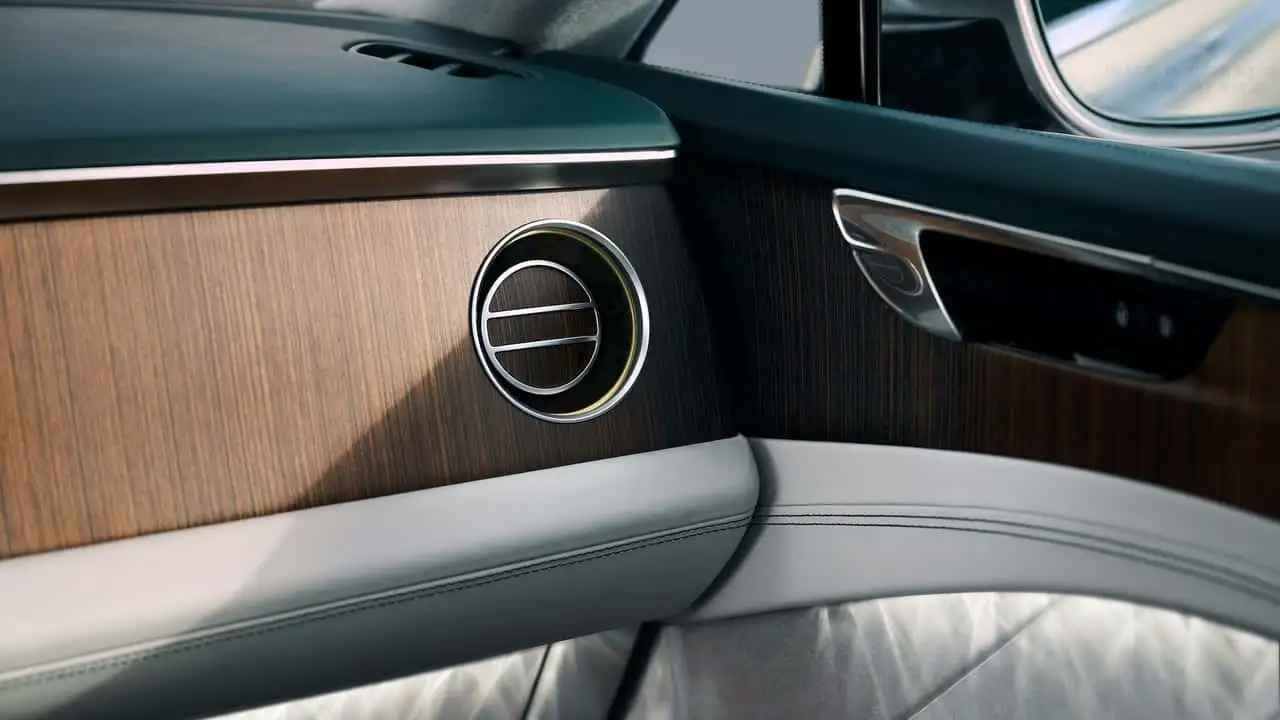
Page put the thinking in simple terms. “Technology has to add value. It should not dominate the experience.”
That line neatly sums up Bentley’s current position on screen-led interiors.
The brand hasn’t rejected digital interfaces altogether, but it’s drawing a line between useful integration and technology that feels present simply because the industry has the hardware to fit it.
Why the passenger side stays analogue
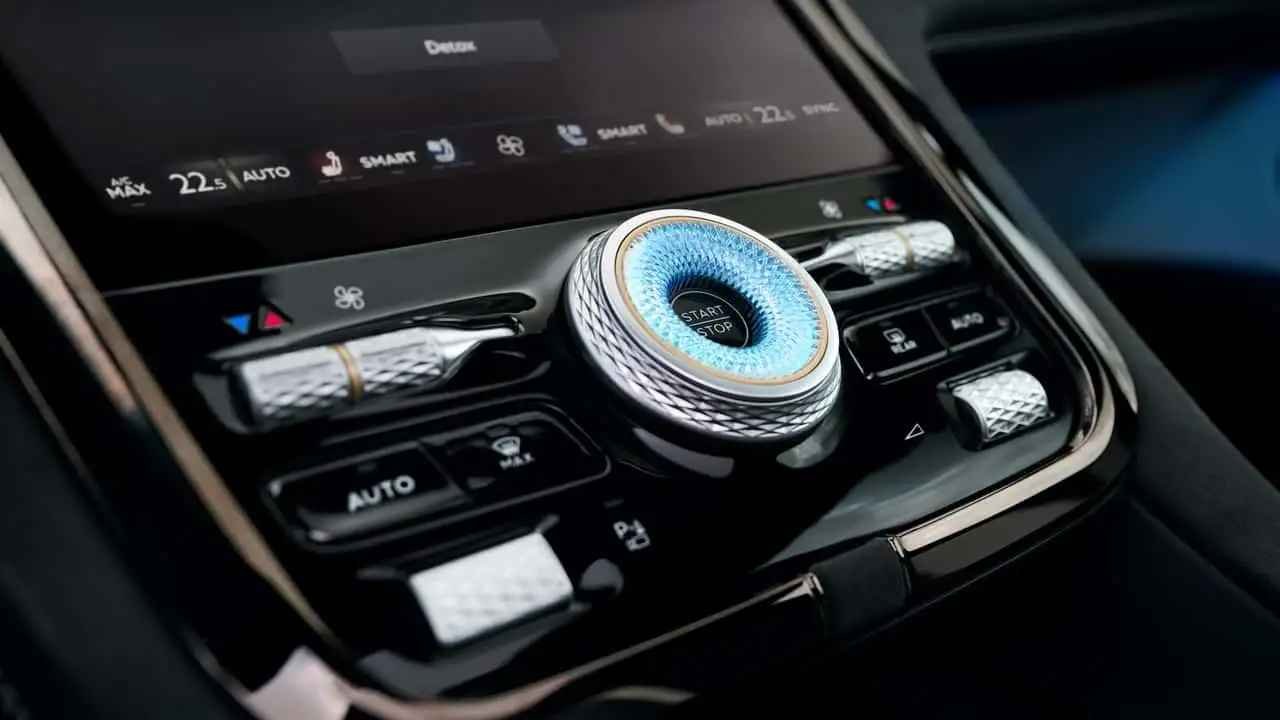
The Torcal EV shares its curved OLED central display with the Porsche Cayenne Electric, though Bentley runs its own software and interface treatment.
The split comes on the passenger side of the dashboard.
Where the Cayenne Electric can be specified with a 14.9-inch passenger display, Bentley fills the equivalent space with wood, aluminium or carbon fibre.
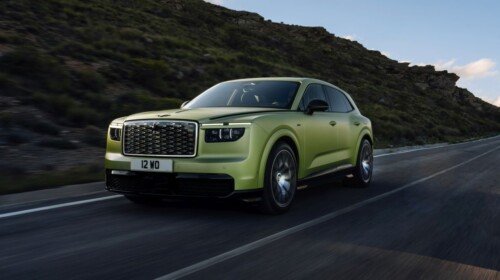
That decision says a lot about the way Bentley wants the Torcal to feel from inside.
Rather than turning the front cabin into a multi-screen command centre, the brand is preserving a more tactile surface in the passenger’s immediate view.
It’s a small but telling rejection of the idea that every luxury car needs another display to feel advanced.
Autonomy could change the equation
Bentley’s stance is firm for cars in their current form, with the company indicating it would not add a passenger display to its models as things stand.
The reasoning is practical rather than nostalgic.
Page suggested that fully autonomous cars could eventually make individual passenger screens more relevant, because occupants may have a stronger reason to interact with dedicated displays when they’re no longer focused on the driving experience.
Until that point, Bentley appears comfortable treating the dashboard as part of the cabin’s architecture, not just a place to mount another piece of glass.
Details & Specifications
| Brand | Bentley |
|---|---|
| Model | Torcal EV |
| Powertrain | Electric |
| Central display | Curved OLED display |
| Software | Bentley-specific interface |
| Passenger display | Not fitted |
| Passenger-side finish | Wood, aluminium or carbon fibre |
| Related platform model | Porsche Cayenne Electric |
For buyers who see luxury as restraint as much as specification, the Torcal’s missing passenger screen may become one of its more meaningful interior choices.
It’s not a lack of technology, but a decision about where technology belongs.