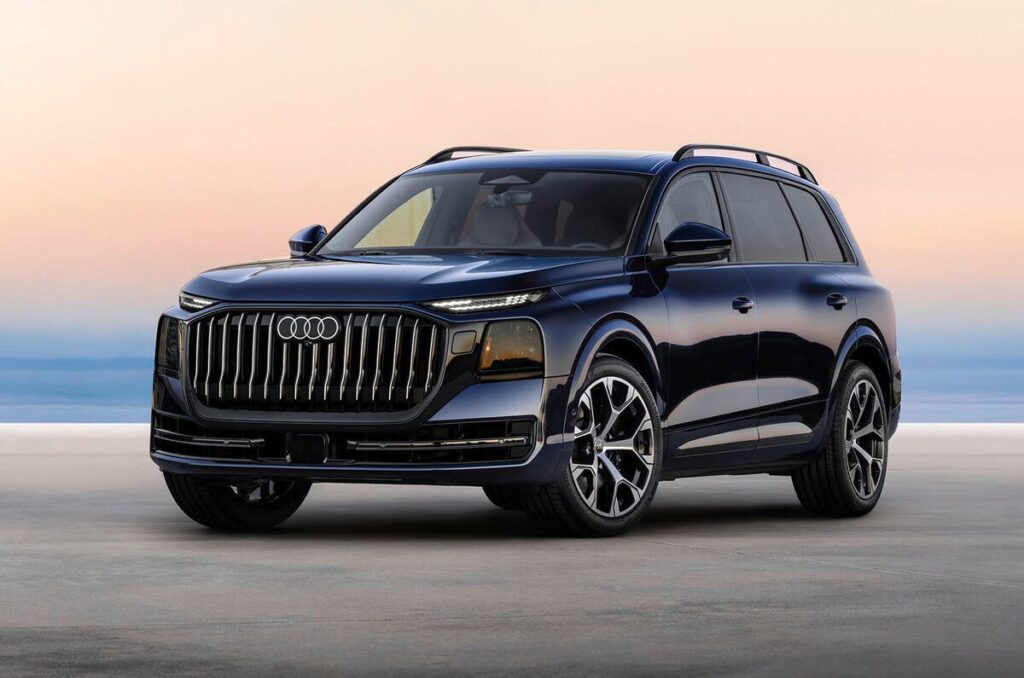
Audi is making a small design decision that says a lot about where premium cars may be heading next.
The upcoming Q7 and Q9 SUVs had been developed with electronic, flush-style door handles, the sort of feature now common on high-end EVs and luxury crossovers.
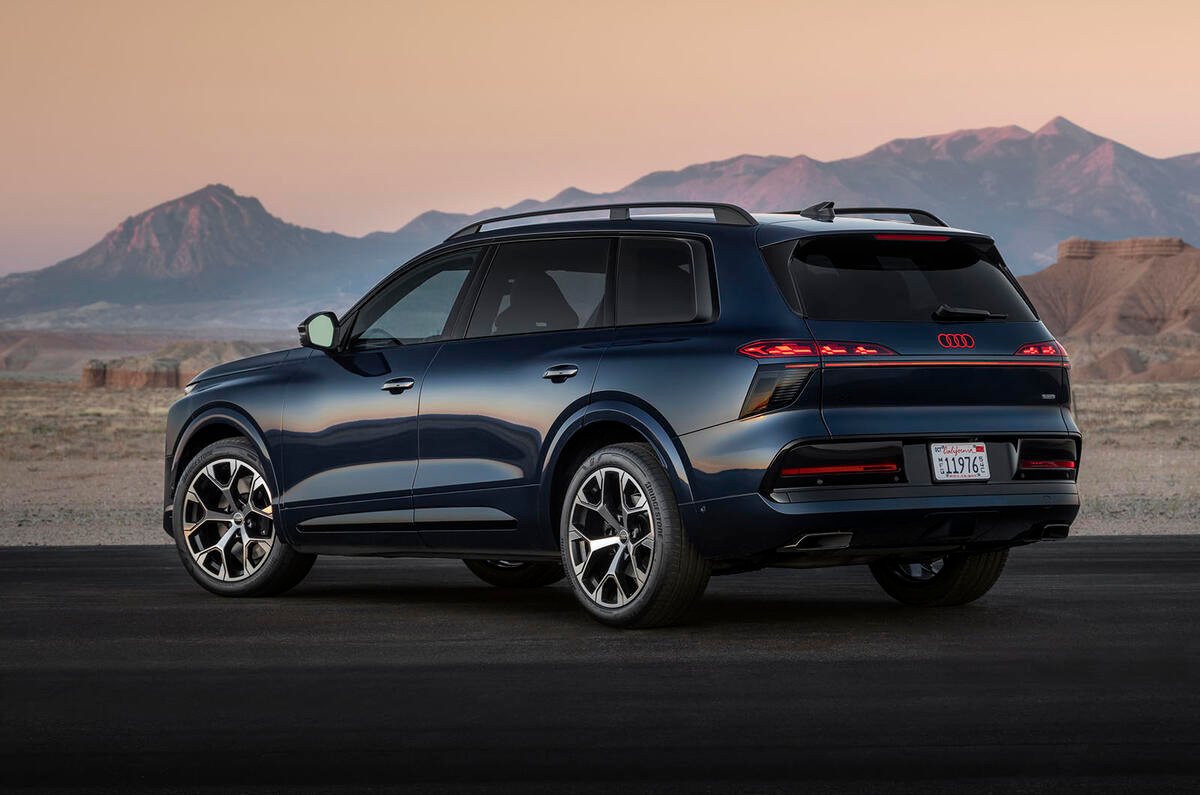
Late in development, Audi changed course and returned to conventional door handles after deciding the more futuristic setup didn’t improve the real ownership experience.
At a glance
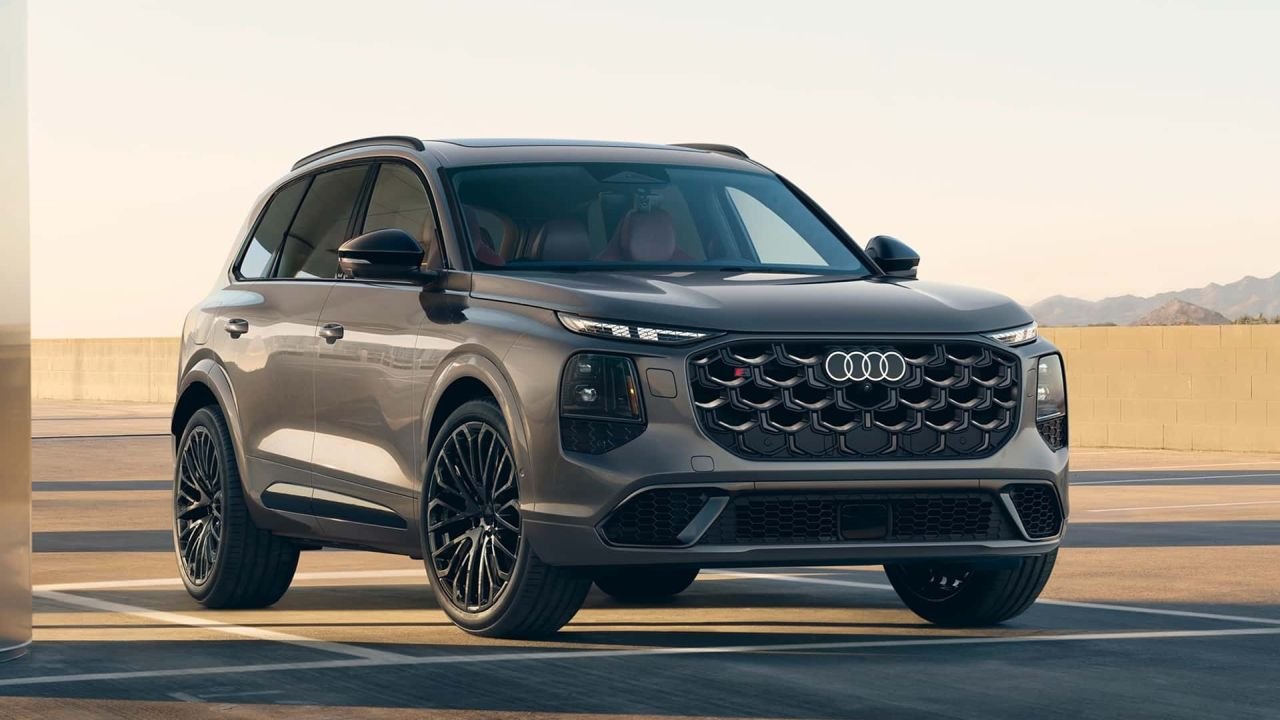
- Audi has switched the new Q7 and Q9 back to conventional door handles after initially developing them with electronic designs.
- CEO Gernot Döllner said the innovative handle concept felt worse for customers than a traditional mechanical solution.
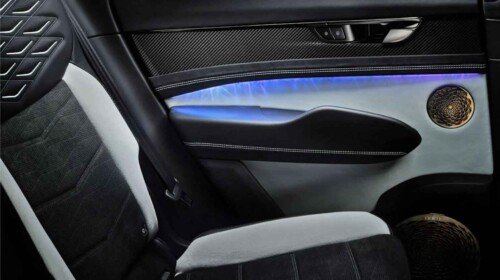
- The rethink also extends inside, where physical controls will replace the touch-capacitive driver’s door panel used in some recent Audi models.
A rare step back from touch-sensitive design
For years, carmakers have treated flush handles, touch panels and hidden controls as shortcuts to a cleaner, more technical look.
Audi’s decision on the new Q7 and Q9 is notable because it pushes in the opposite direction, favouring an everyday interaction that’s easier to understand and more reliable in use.
Gernot Döllner, Audi’s CEO, said the company had an “innovative door handle concept” on the SUVs before a final test drive prompted a change of heart.
His conclusion was blunt enough to cut through the usual design language, with the electronic approach judged worse from a customer perspective than a conventional door handle.
That’s a meaningful admission from a brand built on technical confidence.
It suggests Audi is willing to separate genuine progress from features that merely look advanced in a studio or on a specification sheet.
What changed on the Q7 and Q9
The Q7 and Q9 were set to use electronic door handles, likely in keeping with the smooth, flush hardware that has spread across the industry.
Instead, both SUVs will move forward with conventional handles after the change was made roughly 45 weeks before Döllner’s comments, around June or July 2025.
The timing underlines how late the decision came in the development cycle.

Changing exterior hardware on a modern vehicle isn’t a casual adjustment, especially when door packaging, sealing, electronics and crash requirements are involved.
Audi clearly considered the customer benefit important enough to absorb that late revision.
For a large family SUV, the logic is easy to see.

Owners interact with door handles constantly, often with bags, children, gloves, rain or impatient passengers involved, and a simple mechanical action can feel more premium than a clever one that occasionally hesitates.
Physical cabin controls return to the driver’s door
The rethink isn’t limited to the exterior.
Audi has also dropped the touch-capacitive driver’s door panel seen on models such as the A5 and Q5, replacing it with proper physical controls in the new SUVs.

That change fits a wider shift in the luxury car world, where brands are reassessing the rush toward touch-only interiors.
Touch surfaces can look elegant when the car is parked, but they often demand more attention while driving and don’t always deliver the tactile certainty expected at this level.
Physical controls remain hard to beat for high-frequency functions.
They give the hand a fixed point, work by feel and reduce the need to look away from the road.
For Audi, a brand long associated with precise cabin ergonomics, the move feels less nostalgic than corrective.
Details & Specifications
| Brand | Audi |
|---|---|
| Models | New Q7 and Q9 SUVs |
| Exterior door handles | Conventional handles replacing the planned electronic concept |
| Previous concept | Flush, touch-sensitive electronic door handles |
| Interior control update | Physical driver’s door controls replacing a touch-capacitive panel |
| Decision timing | Changed late in development, around June or July 2025 |
| Key executive comment | Gernot Döllner said the innovative handle concept was worse for customers than a conventional handle |
A more practical kind of premium
The decision matters because it challenges a familiar assumption in modern car design.
Not every hidden switch, touchpad or electronic interface makes a car feel more advanced once it leaves the showroom.
In a luxury SUV, premium quality is often found in the actions owners repeat every day, from opening a door to adjusting a mirror or lowering a window.
If those actions feel natural, immediate and dependable, they do more for the ownership experience than a cleaner surfacing trick.
Audi’s late reversal on the Q7 and Q9 may look like a minor hardware change, but it points to a bigger recalibration.
The next phase of luxury car design may be less about removing every visible control and more about knowing which ones deserve to stay.