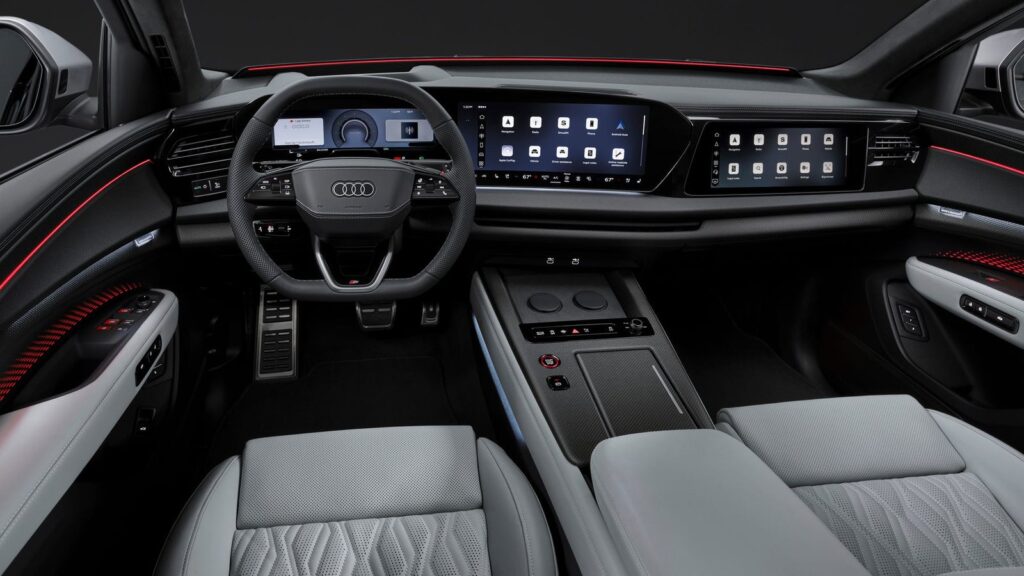
Audi is rethinking the kind of cabin that has defined much of the modern car industry over the past decade.
After years of ever-larger displays and increasingly minimalist dashboards, the brand is preparing to give physical controls a more meaningful role again.
It’s a timely shift, especially for drivers who’ve grown tired of digging through menus for basic functions while on the move.
At a glance
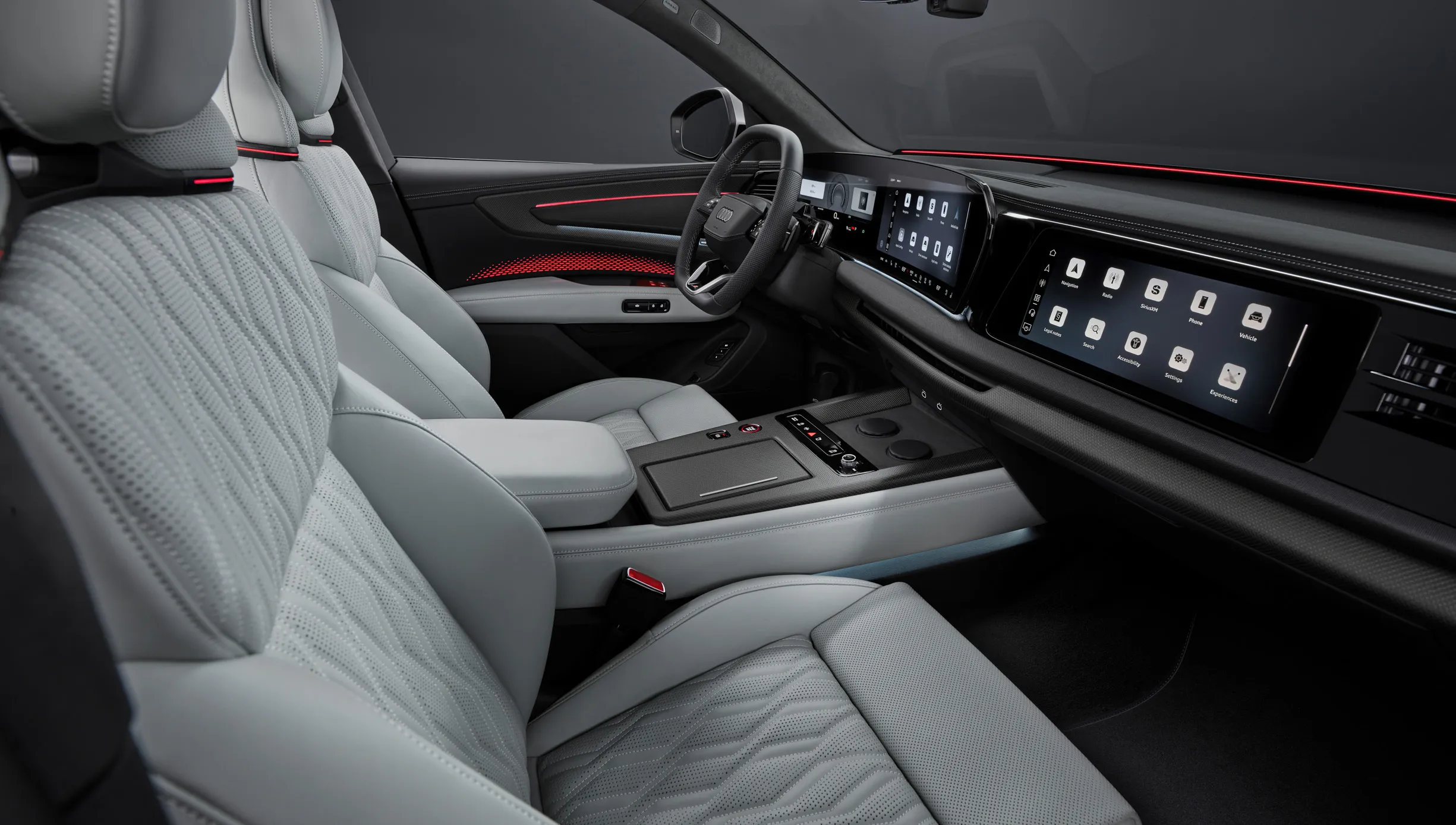
- Audi’s next-generation interiors will move away from layouts dominated by large screens.
- Physical controls are set to return as part of a more balanced, tactile cabin experience.
- Upcoming models such as the Q7 and rumored Q9 are still expected to retain the current screen-led approach.
A more restrained approach to digital cabins
Audi technical chief Rouven Mohr has confirmed that future interiors will integrate technology in a less dominant way.
That doesn’t mean screens are disappearing from Audi cabins.
Instead, the brand appears to be moving toward a layout where digital displays handle what they do best, while key everyday functions return to more intuitive physical interfaces.

For Audi, that could be an important correction.
The company built much of its modern reputation on cabin design, with clean architecture, crisp materials and controls that felt deliberate rather than decorative.
Why buttons are coming back into focus
The appeal of physical controls is straightforward.

A well-placed switch, dial or button can be used by feel, which matters when the driver’s attention should remain on the road.
Customer feedback from Europe, North America and Australia has made that preference hard to ignore.
Many buyers still appreciate large displays for navigation, media and vehicle settings, but climate control, drive modes and frequently used functions can become frustrating when buried in a touchscreen.

The broader industry is beginning to recognise that minimalism can go too far when it compromises usability.
Current models will not change overnight
Audi’s change in direction won’t arrive across the range immediately.
Upcoming vehicles such as the next Q7 and the rumored Q9 are expected to continue with the existing interior philosophy, where large displays remain central to the dashboard layout.

That timing matters because automotive interiors are locked in years before a model reaches showrooms.
The more tactile cabin approach is therefore likely to appear in later-generation Audi products rather than in models already deep into development.
What this says about Audi’s next design phase
The move suggests Audi wants its interiors to feel less like consumer electronics and more like thoughtfully engineered driving environments.
For enthusiasts, that’s good news, but it should also appeal to everyday buyers who simply want a car that’s easier to operate without distraction.
The most successful version of this idea won’t reject digital technology.
It’ll make the screen feel like one part of the cabin rather than the entire point of it.
If Audi gets that balance right, the return of physical controls could become more than a nostalgic gesture.
It could mark a smarter, more mature phase for premium car interiors.