The Nürburgring Nordschleife has humbled generations of drivers, engineers and manufacturers, which is why Xiaomi’s latest run is more than a novelty lap.
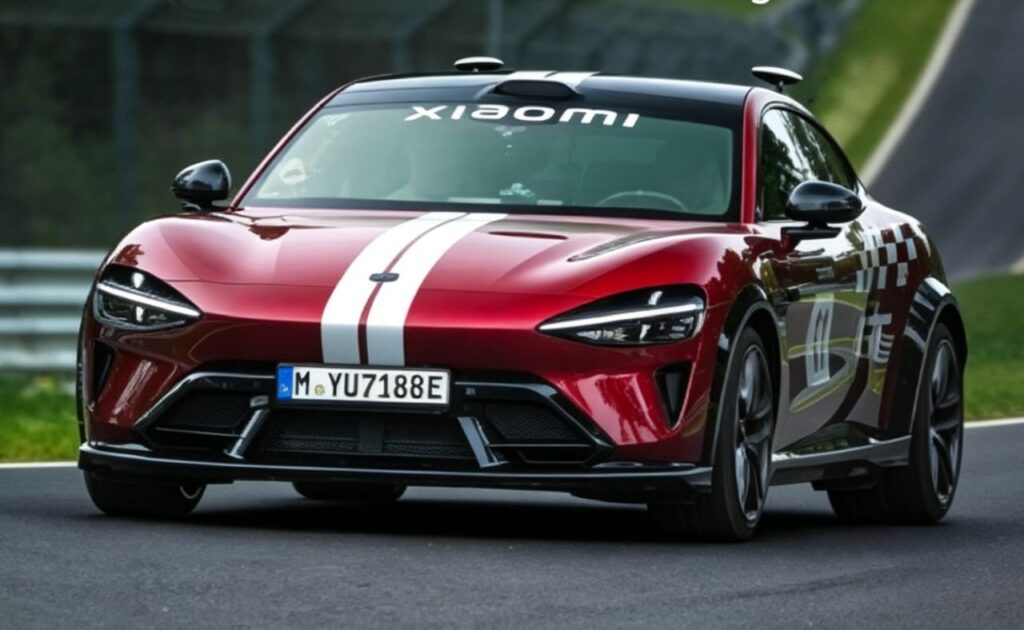
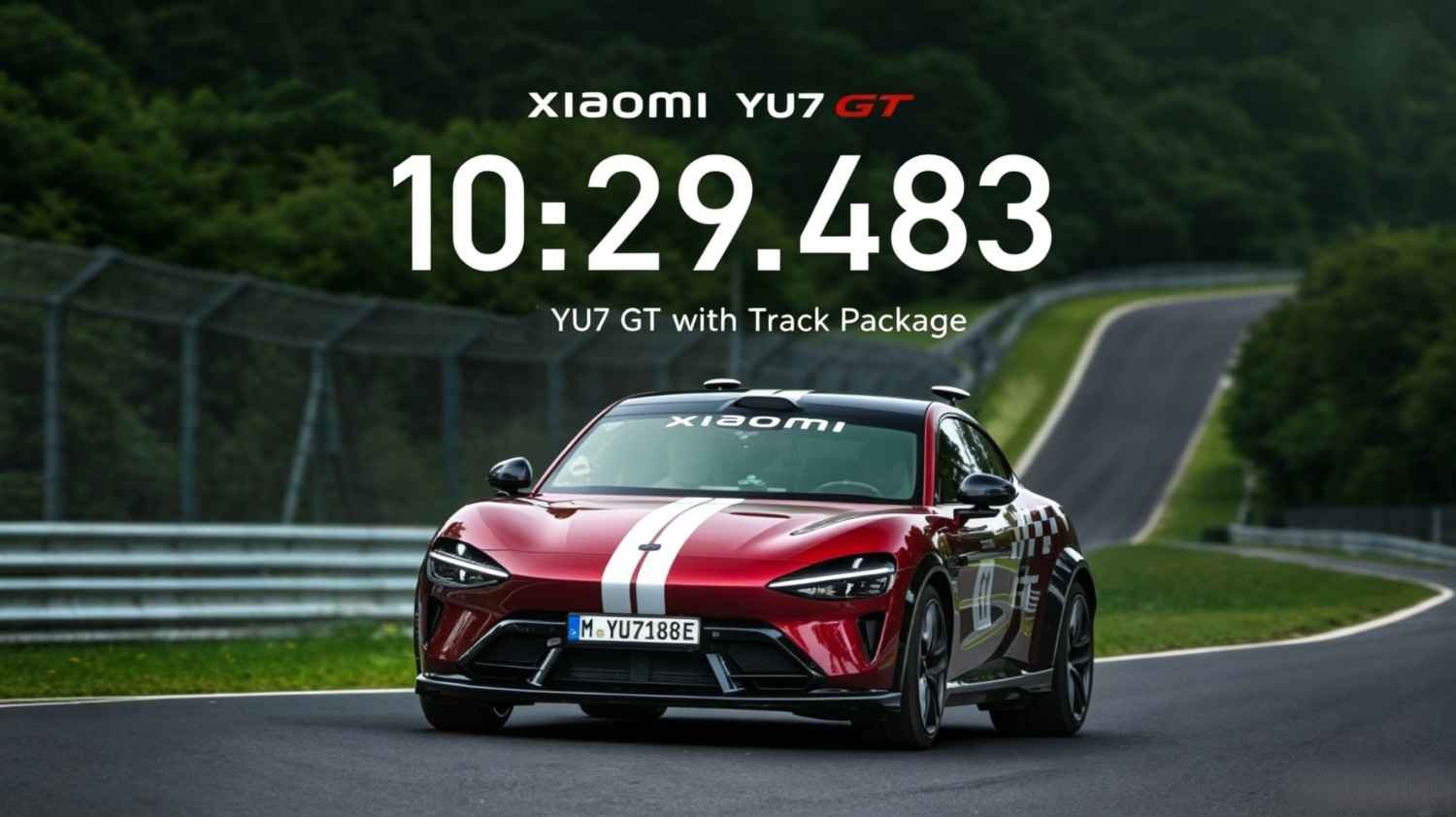
The YU7 GT has completed a fully autonomous circuit of the 20.8 km track, with no driver and no human intervention, stopping the clock at 10 minutes and 29.483 seconds.
It’s not yet troubling the pace of an expert human in the same car, but as a proof point for autonomous performance driving, it’s a striking marker.
At a glance
- Xiaomi’s YU7 GT has completed a fully autonomous lap of the Nürburgring Nordschleife in 10 minutes and 29.483 seconds.
- The EV uses an 897V silicon carbide high-voltage platform, a 101.7 kWh ternary lithium battery and produces 1003 hp.
- The lap creates a new benchmark for driverless track driving, though it remains more than three minutes off the pace of a human-driven YU7 GT.
Autonomy takes on the Green Hell
The Nordschleife is a brutal place to demonstrate automated driving because it isn’t a clean, predictable test loop.
Its length, blind crests, elevation changes and rhythm shifts demand constant judgement, which is why a driverless lap there carries more weight than a controlled proving-ground exercise.
For Xiaomi, the headline number is only part of the story.
The more interesting detail is that the YU7 GT completed the lap without a human fallback, leaving the software to manage speed, line selection and stability across one of the world’s most demanding circuits.
A 10-minute lap won’t reset expectations for outright Nürburgring performance, but that isn’t really the point here.
This is a technology benchmark, not a traditional lap-time flex, and it shows where high-performance EV hardware and autonomous systems are beginning to overlap.

The car behind the autonomous lap
The YU7 GT brings serious performance credentials to the exercise.
Its 897V silicon carbide high-voltage architecture is paired with a 101.7 kWh ternary lithium battery pack, giving the car the electrical backbone expected of a modern high-output EV.
Peak output is listed at 1003 hp, enough to send the YU7 GT from 0 to 62 mph in 2.92 seconds.

Top speed is limited to 186 mph, while claimed driving range is 705 km on a full charge.
Those numbers matter because autonomy on track isn’t only about steering accuracy.
The system also has to deal with rapid acceleration, heavy braking zones and the changing balance of a very powerful electric car across a long lap.
A benchmark with room to grow
The time of 10 minutes and 29.483 seconds gives Xiaomi a clear reference point for future development.
It also underlines how far autonomous driving still has to go before it can match the instincts and aggression of a skilled human driver on a circuit as complex as the Nordschleife.
Being more than three minutes slower than a human-driven YU7 GT keeps the achievement in perspective.
Yet the gap is less important than the fact that a production-style performance EV platform has now been used to complete the lap without someone behind the wheel.
For enthusiasts, it’s a reminder that the next phase of performance cars may not be defined purely by power and lap records in the old sense.
Software, control logic and decision-making are becoming part of the performance conversation.
Details & Specifications
| Brand | Xiaomi |
|---|---|
| Model | YU7 GT |
| Powertrain | Electric |
| Platform | 897V silicon carbide high-voltage platform |
| Battery | 101.7 kWh ternary lithium battery pack |
| Power | 1003 hp |
| Acceleration | 0-62 mph in 2.92 seconds |
| Top speed | 186 mph, limited |
| Range | 705 km |
| Autonomous lap time | 10 minutes 29.483 seconds |
| Circuit | Nürburgring Nordschleife, 20.8 km |
The Xiaomi YU7 GT’s driverless Nürburgring lap won’t replace the drama of a committed human lap anytime soon, but it gives the autonomous performance race a tangible number to chase.