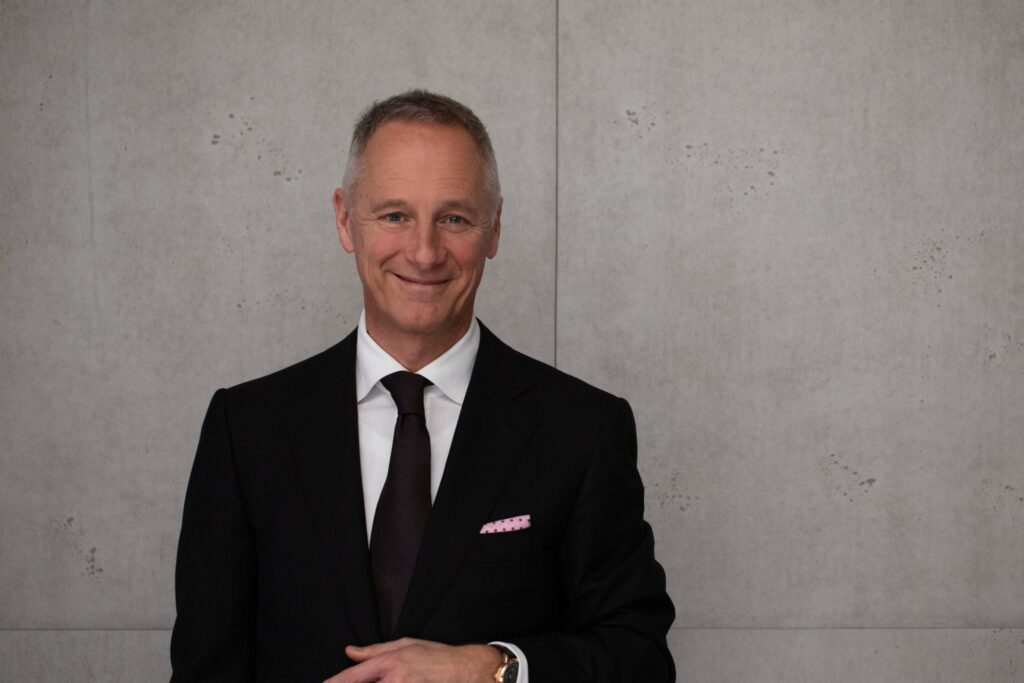
Wilhelm Schmid has spent years at the helm of A. Lange & Söhne, but his relationship with watches still seems rooted in the same emotional pull that draws collectors to the craft in the first place.
For the Lange CEO, a watch isn’t only a feat of precision or finishing. It has to be readable, personal and capable of delivering a small moment of pleasure every time it’s seen on the wrist.
At a glance
- A. Lange & Söhne CEO Wilhelm Schmid shares a personal view of watchmaking shaped by the Lange 1, Glashütte craft and collector instinct.
- He values legibility, movement integrity and chronographs, with the Odysseus Chronograph among the watches he wears most often.
- His view of the industry centres on relevance, discretion and earning the attention of younger collectors without diluting Lange’s identity.
The Lange 1 as a defining watch
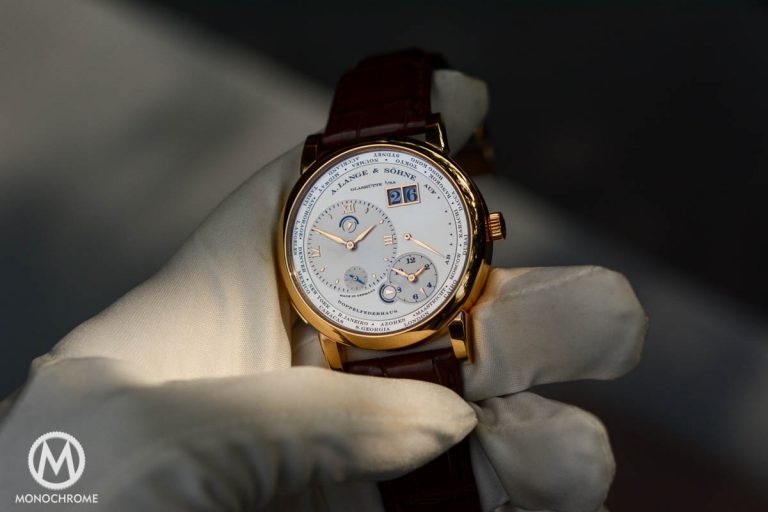
For Schmid, the Lange 1 remains the watch that changed the way he looked at modern horology.
When A. Lange & Söhne returned in 1994 with its first four modern watches, the Lange 1 stood apart with a design language that didn’t behave like anything else in the market.
Its asymmetric dial, oversized date and unmistakably German sense of order helped establish the modern Lange identity in a single watch.
Schmid has described it as a piece he admired long before he could afford one, eventually buying his own around a decade later.
That detail matters because it frames the Lange 1 not merely as a company icon, but as a watch that shaped the taste of the person now leading the manufacture.
Legibility, emotion and the active appeal of chronographs
Schmid’s idea of a good watch starts with legibility.
That may sound simple, but in his view it depends on a precise balance between design and function rather than oversized markers or obvious dial architecture.
A watch, he believes, also needs to create an emotional response.
It should offer a small lift whenever the wearer checks the time, which is a more demanding standard than mere technical correctness.
His favourite complication is the chronograph, and the reason is telling.
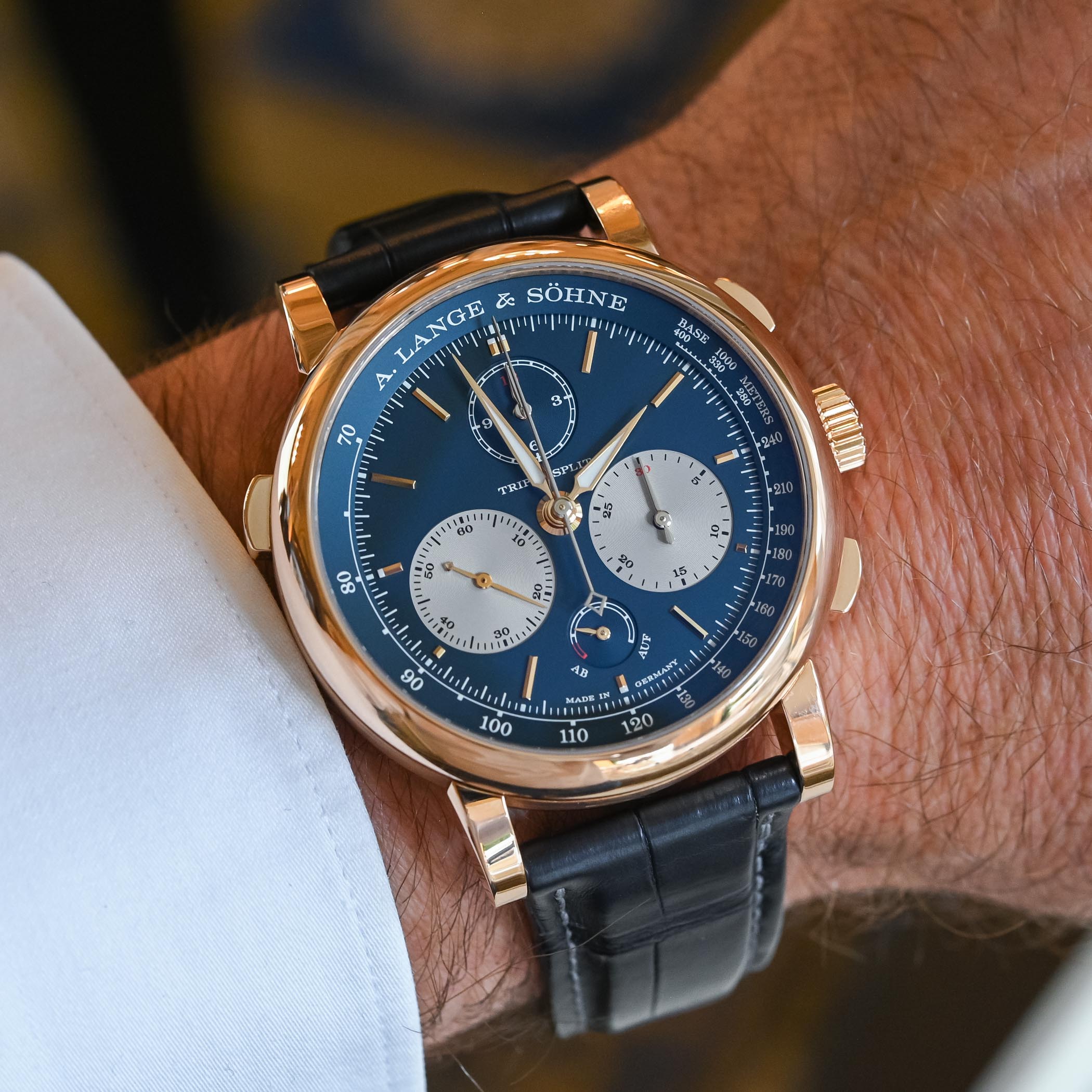
Where a perpetual calendar performs its main work at midnight and a moon-phase indication unfolds slowly, a chronograph invites the wearer to act.
It starts, stops and resets on command, making the mechanism visible in a way that feels immediate and mechanical.
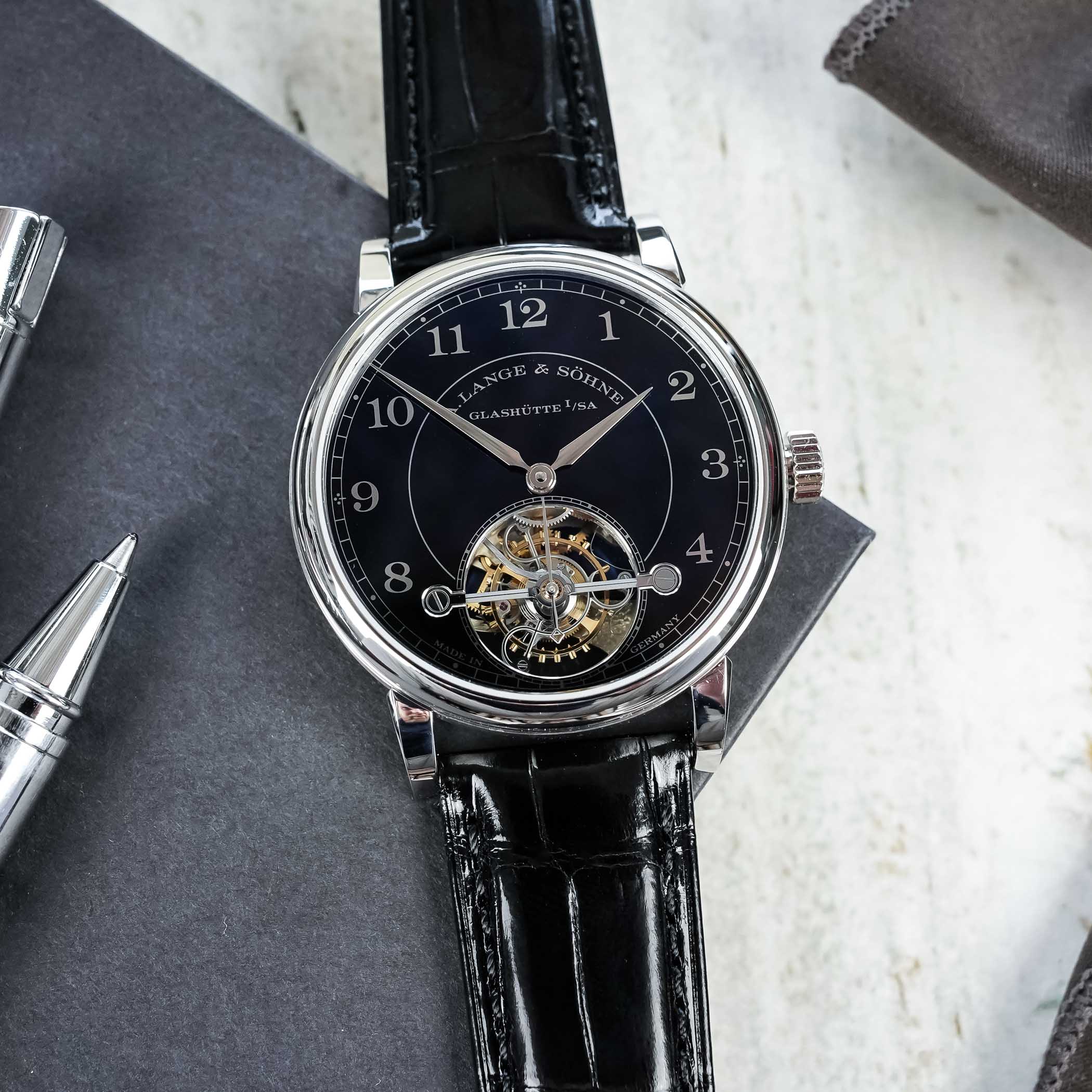
Within Lange’s own world, the Triple Split stands as one of the clearest expressions of that fascination, turning the split-seconds chronograph into something dramatically more complex.
What careful watchmaking looks like from the back
Schmid’s shortcut for judging whether a watch has been made with care is to turn it over.
If the movement properly fits the case, the fundamentals are already in better order than they are on many watches.
For a manufacture such as A. Lange & Söhne, the unseen parts matter too.
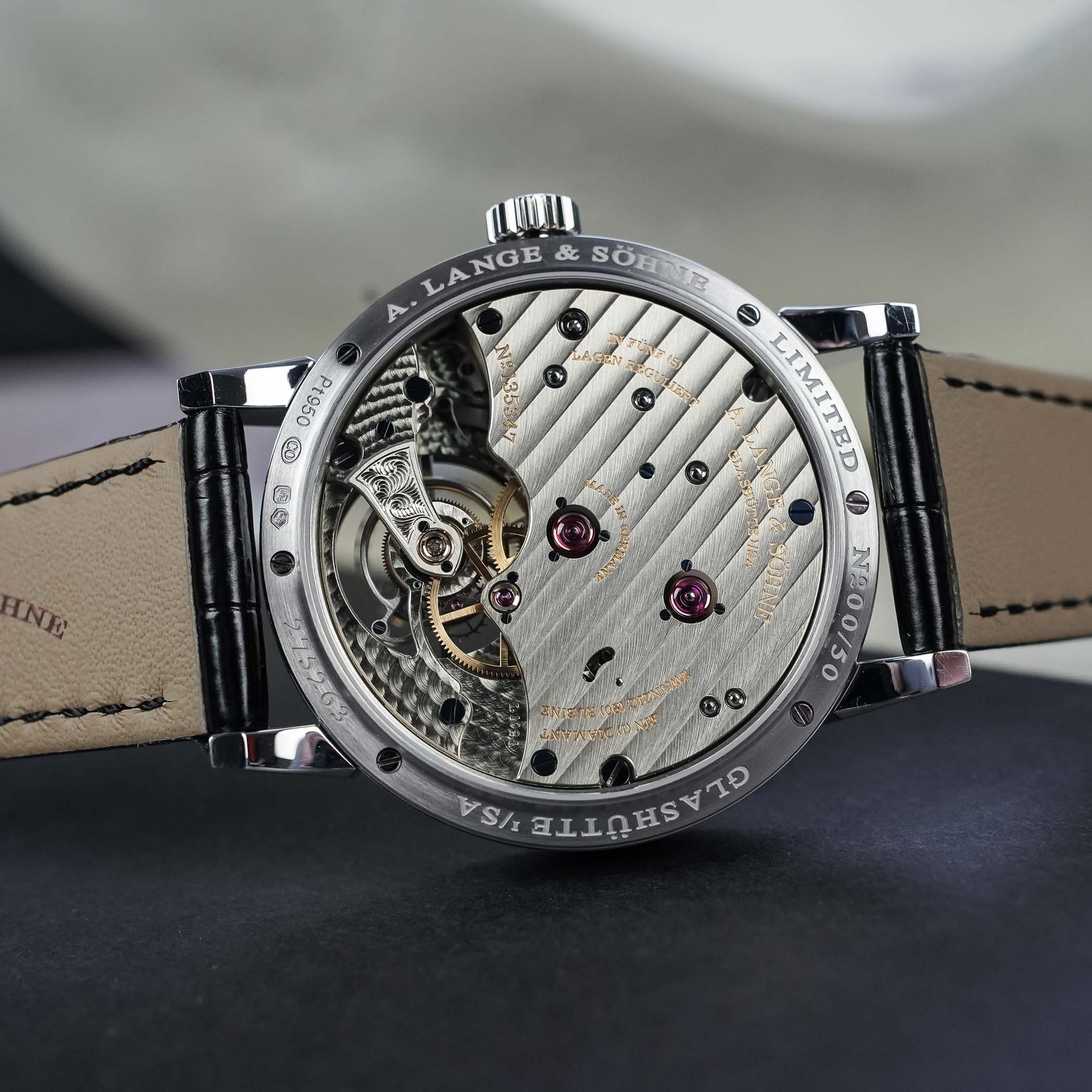
Finishing components that most owners will never inspect closely is part of the larger philosophy, because the integrity of a watch is not limited to what appears on the dial.
He is less persuaded by one of modern watchmaking’s more persistent habits, which is the emphasis on size.
The more important question is whether a watch suits the wrist and the person wearing it.
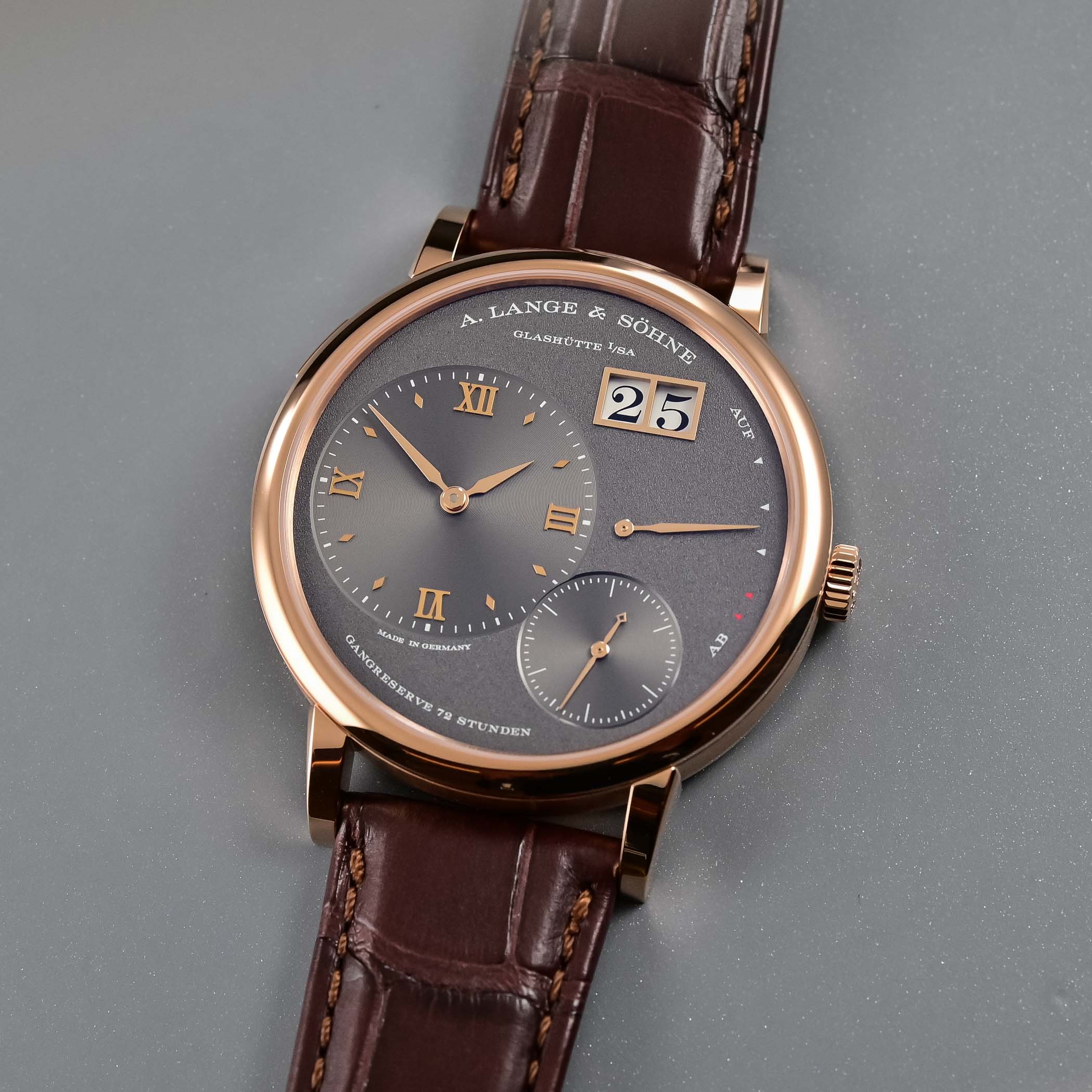
That view feels particularly relevant in a market where case diameter can still dominate conversation more than proportion, comfort or character.
Keeping Glashütte close to a global audience
Schmid sees the quartz crisis as the moment that most fundamentally changed watchmaking.
Before quartz, higher accuracy and higher price often moved together; once inexpensive quartz movements arrived with superior precision, the mechanical watch had to find a new role.
It became less of a necessary instrument and more of an expression of personality, taste and craft.
That shift still shapes Lange’s position today.
The company’s centre of gravity remains Glashütte, where most of its employees live and work, while its clients are spread around the world.
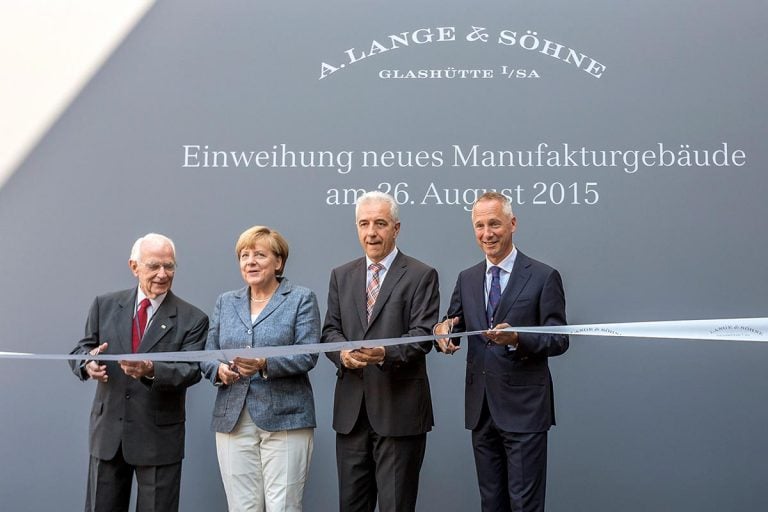
Schmid’s challenge is to connect those two worlds without making the brand feel overexposed.
The expansion of Lange’s boutique network is part of that effort, giving clients the chance to handle the watches, hear the movements and understand the details that are difficult to communicate from a distance.
At the same time, he recognises the delicate nature of Lange’s appeal.
Many collectors value the brand because it feels beautiful, valuable and discreet rather than loudly visible.
That discretion is part of the attraction, but it creates a second challenge for the future.
Lange still has to reach collectors in their twenties and earn their appreciation if its style of watchmaking is to carry forward.
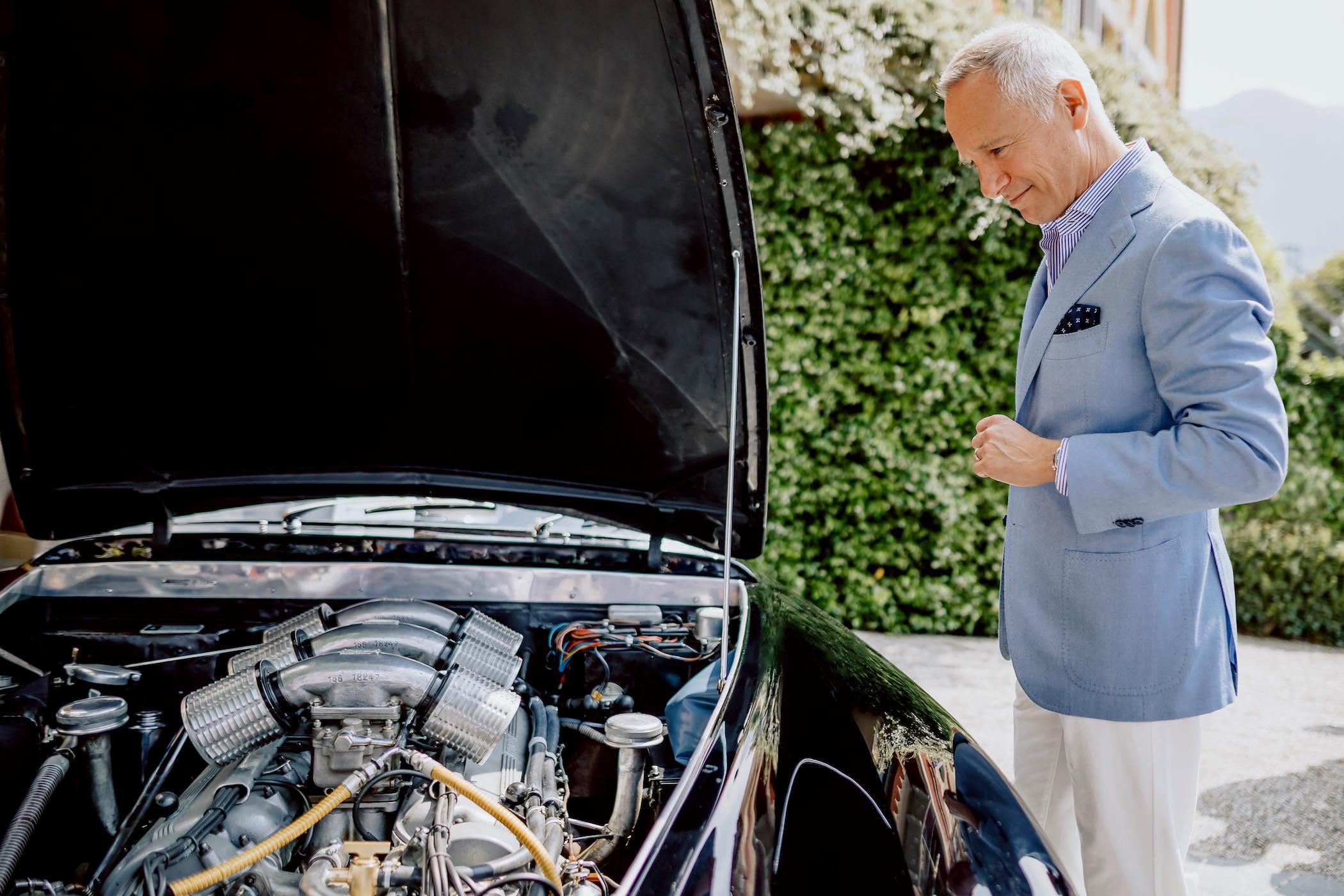
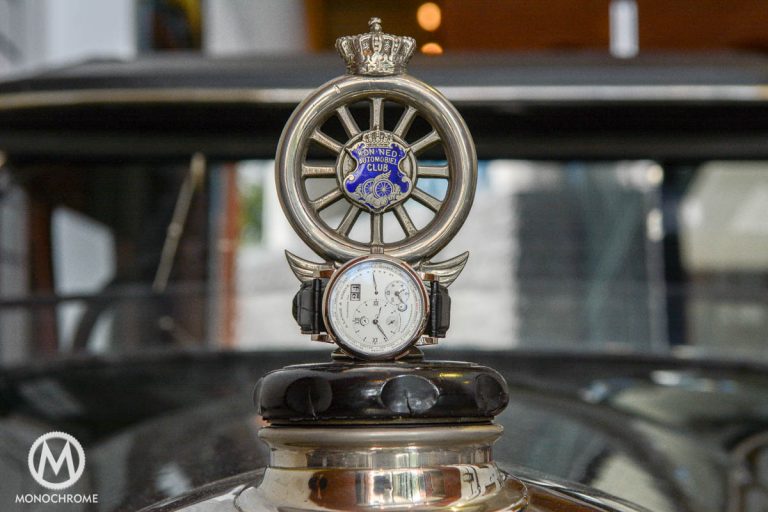
Schmid’s own taste reaches beyond watches as well, particularly into classic cars.
He is drawn to the way historic automobiles can still create an emotional reaction even when they are plainly less safe or practical than modern machines.
That kind of enduring beauty, imperfect but magnetic, sits naturally beside the appeal of mechanical watches in a digital age.
For his own wrist, Schmid often chooses the Odysseus Chronograph, including away from the public side of the job.
It’s a fitting choice for someone who admires chronographs and understands the importance of a watch that can live in daily use.
He also credits Tino Bobe, Lange’s Director of Manufacturing, and Anthony de Haas, its Director of Product Development, with shaping his understanding of how the manufacture thinks and works.
His advice to younger collectors is equally direct.
Buy what you truly want, wait if necessary and don’t settle for the second-best watch on the wish list.
It’s the kind of guidance that suits Lange’s world particularly well, where patience, restraint and conviction tend to age better than impulse.