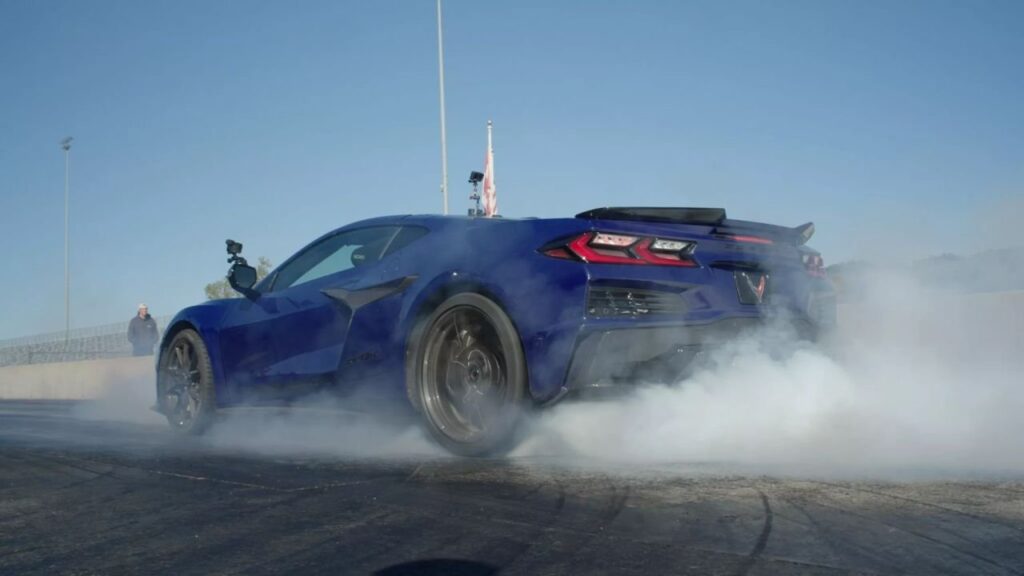
The C8 Corvette changed the character of America’s sports car when it moved the engine behind the driver, but it also left behind one of the things many enthusiasts still associate with Corvette ownership.
A manual gearbox remains absent, and GM’s explanation is refreshingly direct. For the mid-engine Corvette, adding a clutch pedal isn’t a matter of simply bolting in old hardware.
At a glance
- GM says cost is the main reason the C8 Corvette hasn’t received a manual transmission.
- The mid-engine layout would require a newly developed manual transaxle rather than the long-running manual architecture used by earlier Corvettes.
- A Tremec six-speed manual transaxle shown at SEMA wasn’t fully homologated for production, so it couldn’t simply be fitted to a road-going C8.
The mid-engine shift changed the gearbox equation
Tony Roma, GM’s executive chief engineer for Corvette and Performance Cars, has pointed to development cost as the central obstacle.
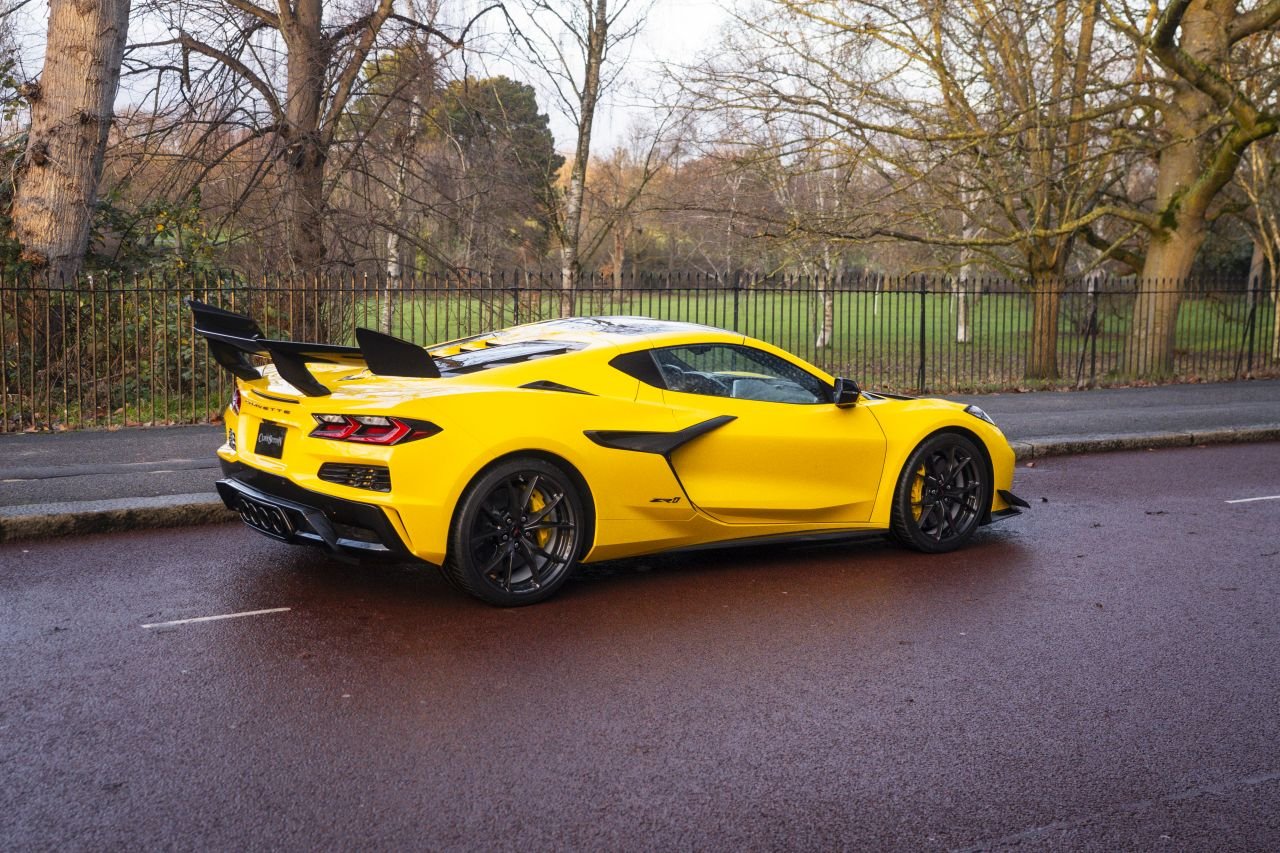
Earlier Corvette generations could draw from a manual transmission architecture that had evolved over decades, which helped keep both development and production expenses within reason.
The C8 is a different proposition because its mid-engine layout relies on a transaxle package.
That means a manual version would need to be engineered around a very different layout, rather than adapted from what came before.
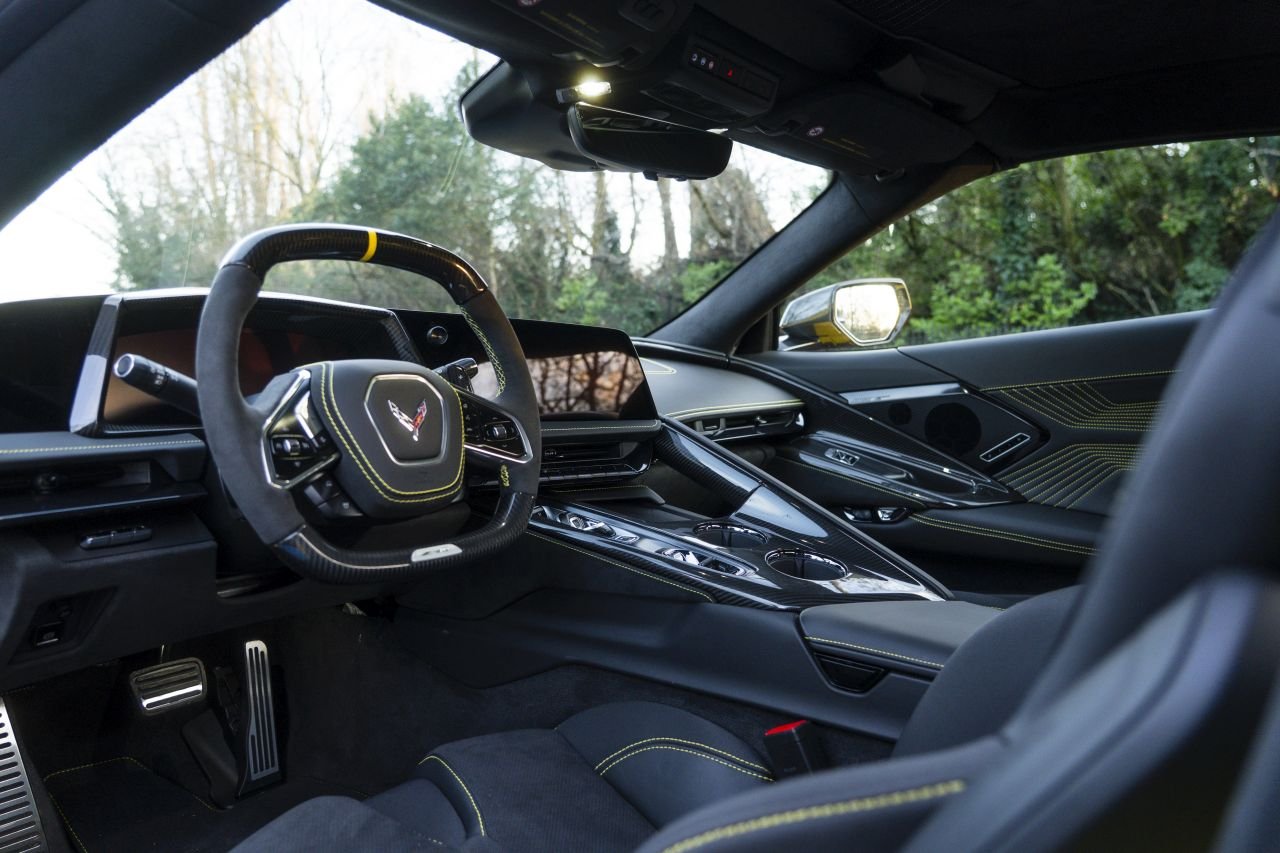
For a company building a production sports car at scale, that distinction matters.
A manual transmission for the C8 would not be a nostalgic parts-bin exercise. It would require a new gearbox program with its own engineering, validation and manufacturing case.
Why the Tremec gearbox isn’t a simple answer
The existence of a Tremec six-speed manual transaxle shown at SEMA has naturally kept the conversation alive among Corvette fans.
On paper, it appeared relevant to the C8’s packaging needs, but Roma has said the unit wasn’t fully homologated for production.
That is the practical barrier enthusiasts sometimes overlook.
A component shown publicly, even one that looks technically promising, isn’t automatically ready for installation in a road-going Corvette.
Production homologation brings its own demands, and GM would still have to justify the broader investment required to integrate, certify and build such a version.
Manual demand and the question of purpose
Roma also sees part of the renewed interest in manual supercars as a matter of exclusivity.
That’s an important observation because modern manual-equipped performance cars often appeal as much to collectors and traditionalists as to drivers chasing outright capability.
Still, GM doesn’t appear convinced that rarity alone is enough.
“You don’t do it just because you can. You do it because it makes the car better,” Roma said.
That line neatly explains the current Corvette position.
GM isn’t saying a manual C8 is impossible in abstract terms. It’s saying the business case, engineering burden and product rationale don’t align closely enough to make it happen.
Details & Specifications
| Manufacturer | GM |
|---|---|
| Model | C8 Corvette |
| Layout | Mid-engine |
| Manual transmission status | Not offered |
| Main stated obstacle | Cost of developing a new manual transaxle for the C8 layout |
| Related component | Tremec six-speed manual transaxle shown at SEMA |
| Production limitation | The Tremec unit was not fully homologated for production |
For the drivers who still want a clutch pedal in the C8, the explanation may not be emotionally satisfying, but it is coherent.
The mid-engine Corvette reset the car’s engineering foundations, and GM’s view is that a manual version has to do more than please a vocal audience. It has to make the Corvette better on its own terms.