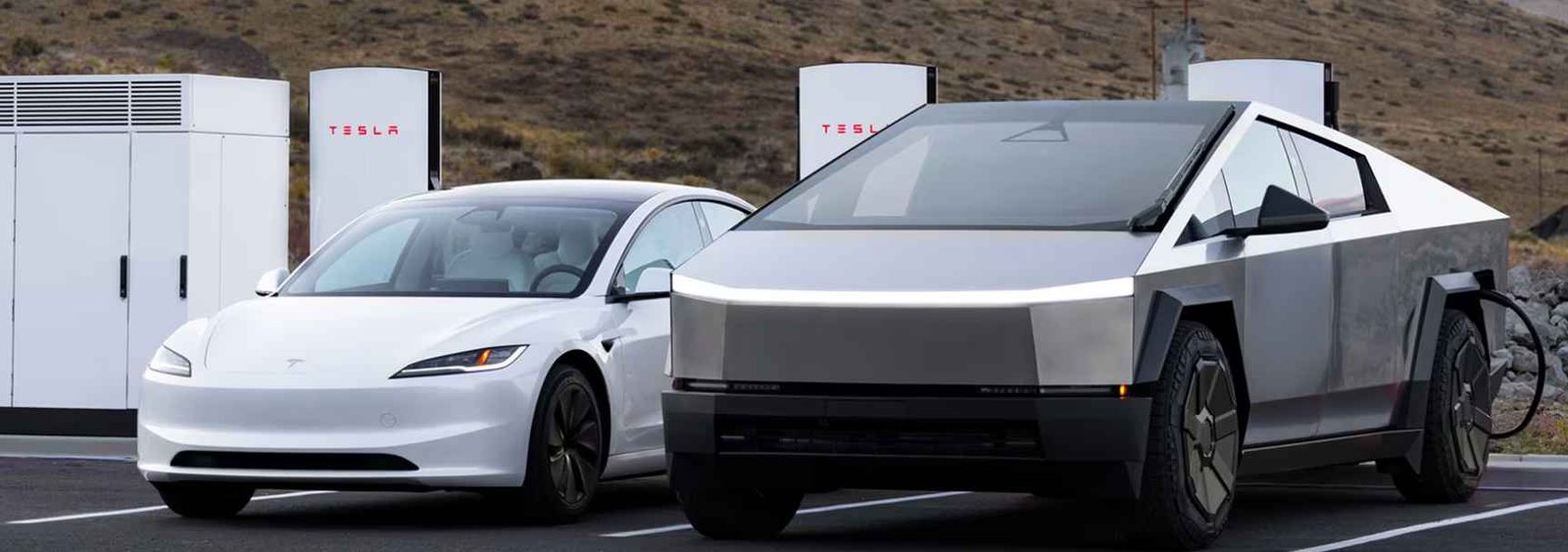
Tesla’s Cybertruck is heading for an early production sunset, but Elon Musk is pushing back on the idea that profitability is the reason.
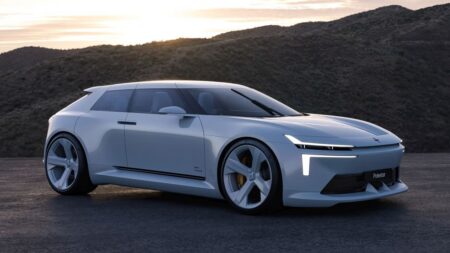
The sharper read is strategic rather than sentimental, with Tesla preparing to shift factory space toward the Cybercab robotaxi program that now sits closer to the company’s long-term priorities.
At a glance
- Tesla plans to end Cybertruck production and redirect Texas factory space toward Cybercab robotaxis.
- Elon Musk said the issue isn’t Cybertruck profitability, but the complexity of production versus the value of increasing Cybercab output.
- Tesla plans an extra production shift to reduce the backlog, though many customers are expected to receive deposit refunds.
A factory decision shaped by Cybercab
Musk has clarified that the Cybertruck isn’t being discontinued because it is unprofitable.
Instead, Tesla believes the production space used for the pickup can deliver more value if it is repurposed for the Cybercab, the two-seat robotaxi that has become central to the company’s future plans.
The decision points to a larger shift in how Tesla wants to use its manufacturing capacity.
Cybertruck production is described by Musk as complex, and Tesla appears to see greater upside in expanding output of a vehicle built around autonomy and fleet use rather than continuing to allocate that space to its stainless-steel pickup.
The backlog problem for Cybertruck buyers
The change won’t be clean for customers still waiting for trucks.
Musk has said Tesla will have to return deposits to a large number of buyers because the company won’t be able to fulfill all outstanding orders before the production line shuts down.
Tesla plans to add an extra production shift to build as many Cybertrucks as it can before the end of production.
Even with that additional shift, Musk has indicated the effort may not be enough to clear the full backlog.
The current plan is to keep building the pickup for around eight more months before shutting down the line.
What the shift says about Tesla’s priorities
The Cybertruck has always been one of Tesla’s most unconventional products, both as a design object and as a manufacturing challenge.
Ending production to free up factory space suggests Tesla is now willing to make hard calls around products that don’t align as closely with its robotaxi ambitions.
For Cybertruck customers, the practical question is whether their orders can be built before the clock runs out.
For Tesla, the larger question is whether Cybercab output can justify taking production space away from one of the brand’s most talked-about vehicles.
Details & Specifications
| Brand | Tesla |
|---|---|
| Model | Cybertruck |
| Production status | Planned to end in around eight months, based on Musk’s comments |
| Production site | Texas factory |
| Planned factory use | More Cybercab robotaxi production |
| Cybercab layout | Two-seat robotaxi |
| Customer impact | Deposit refunds expected for many buyers whose orders cannot be fulfilled |
The move reframes the Cybertruck less as a failed product and more as a casualty of Tesla’s changing production priorities, with the company choosing factory space for robotaxis over continuing one of the most polarising pickups in recent memory.