Long before watch collaborations became weekly news, Jaeger-LeCoultre and Aston Martin built something that felt genuinely engineered. The AMVOX line wasn’t a logo exercise; it gave collectors alarms, tourbillons, world timers and one of the cleverest chronograph controls of the modern era. Two decades on, it still looks like the rare automotive watch partnership with real mechanical substance.
At a glance
- Jaeger-LeCoultre and Aston Martin’s AMVOX partnership ran from 2004 to 2016 and produced some of the most technically ambitious automotive-linked watches of its era.
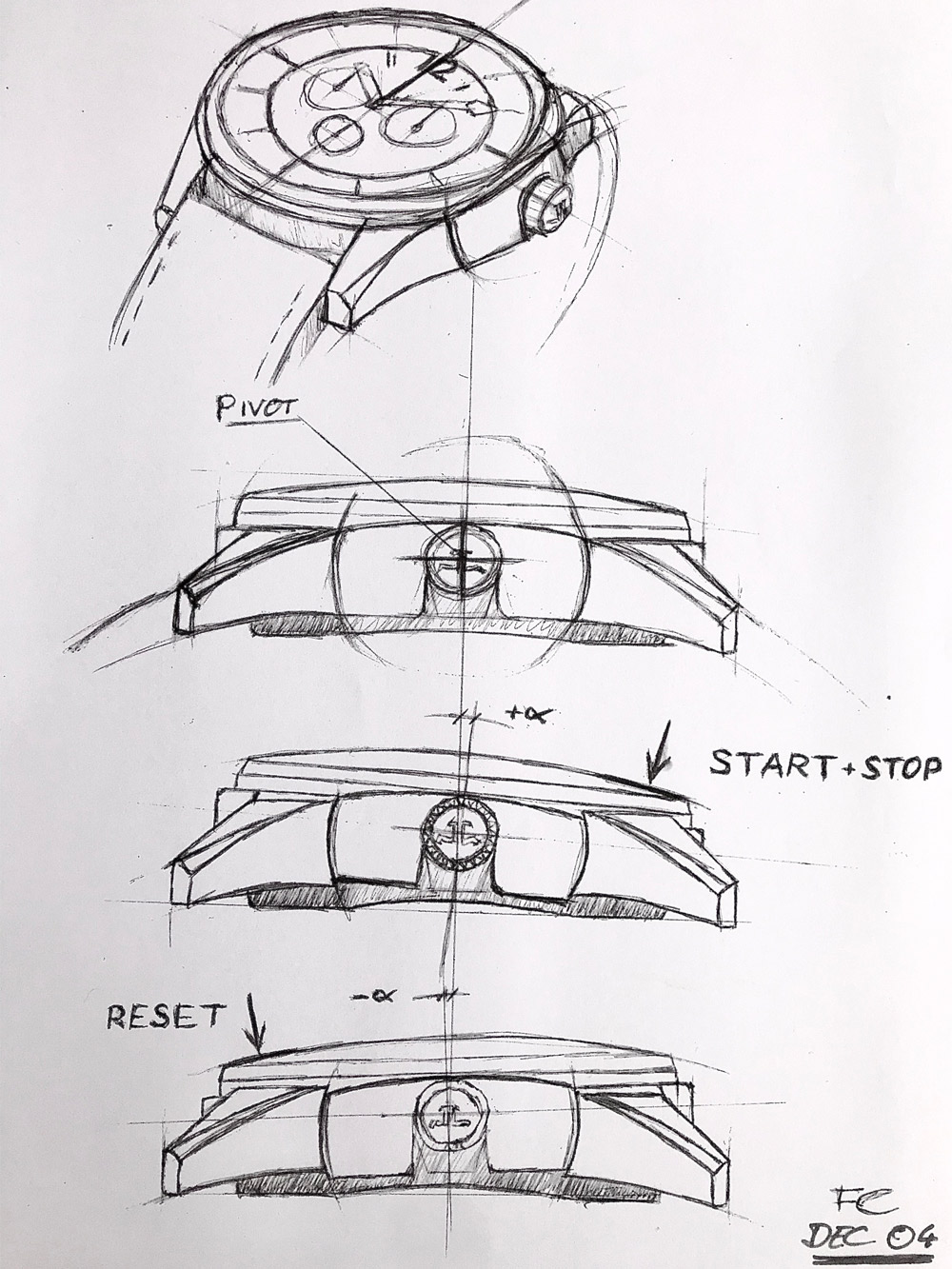
- The defining innovation was the Vertical Trigger chronograph, which lets the wearer start, stop and reset timing by pressing the crystal rather than using conventional pushers.
- Key models include the AMVOX 1 Alarm, AMVOX 2 Chronograph, AMVOX 3 Tourbillon GMT, AMVOX 2 DBS Transponder, AMVOX 5 World Chronograph and AMVOX 7.
The AMVOX name joined Aston Martin’s initials with the final syllables of Jaeger-LeCoultre’s Memovox, and that tells you plenty about the brief.
This was a watch collection built around sound, timing, motion and machines, not just shared branding between a Swiss manufacture and a British sports-car maker.
A partnership that went beyond the dial logo
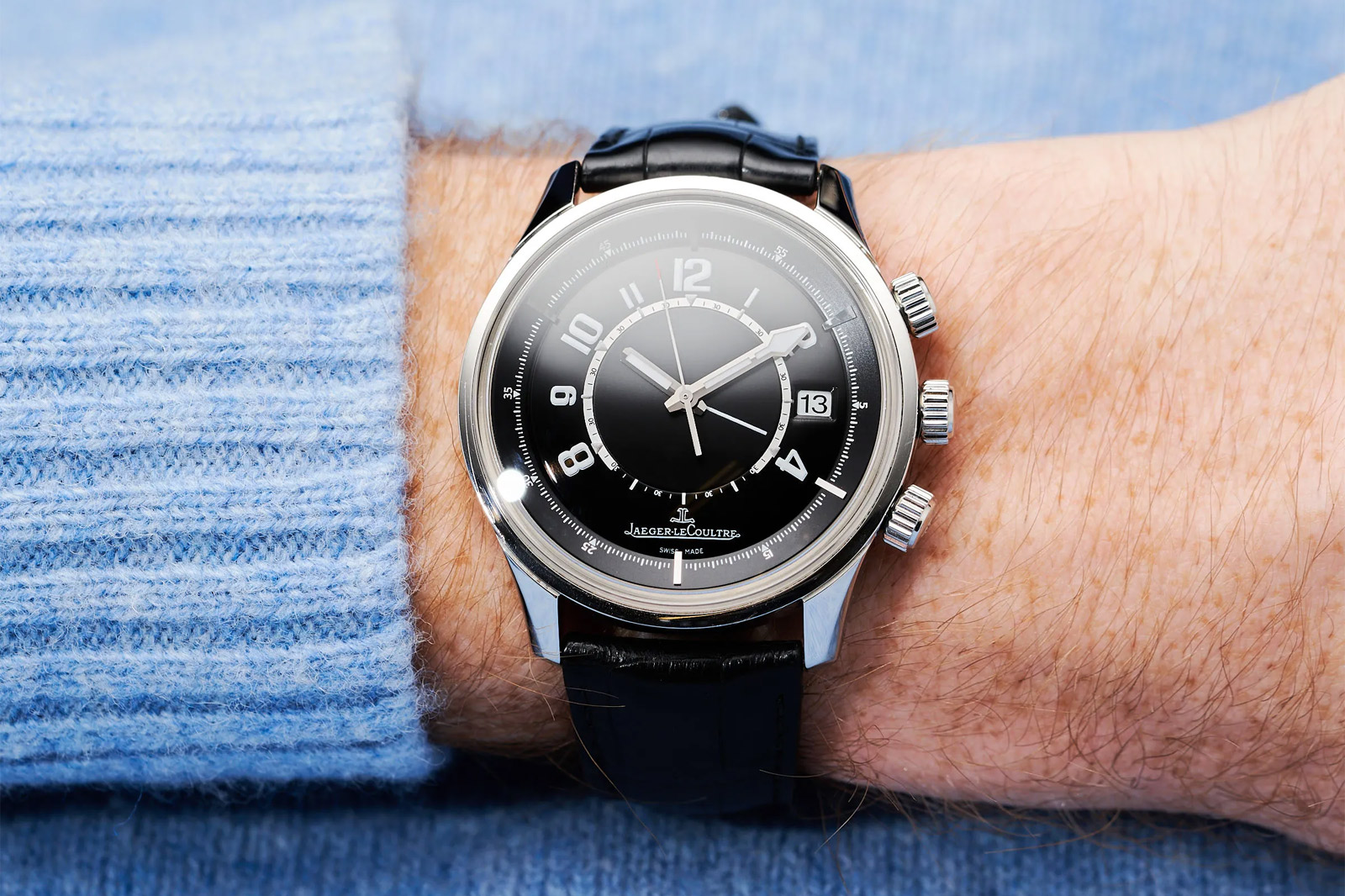
The first AMVOX arrived in 2004 as an alarm watch closely related to the Memovox, using an internal bezel to set the alarm function.
It was a cautious start, but not an empty one, especially with a titanium limited edition at a time when the material still felt more purposeful than fashionable in traditional watchmaking.
The AMVOX 1 also set the tone for what followed by keeping the Aston Martin connection relatively restrained.
That restraint matters, because the most convincing car-and-watch projects tend to borrow an attitude from the automotive world rather than simply printing a grille badge on the dial.
The Vertical Trigger chronograph was the breakthrough
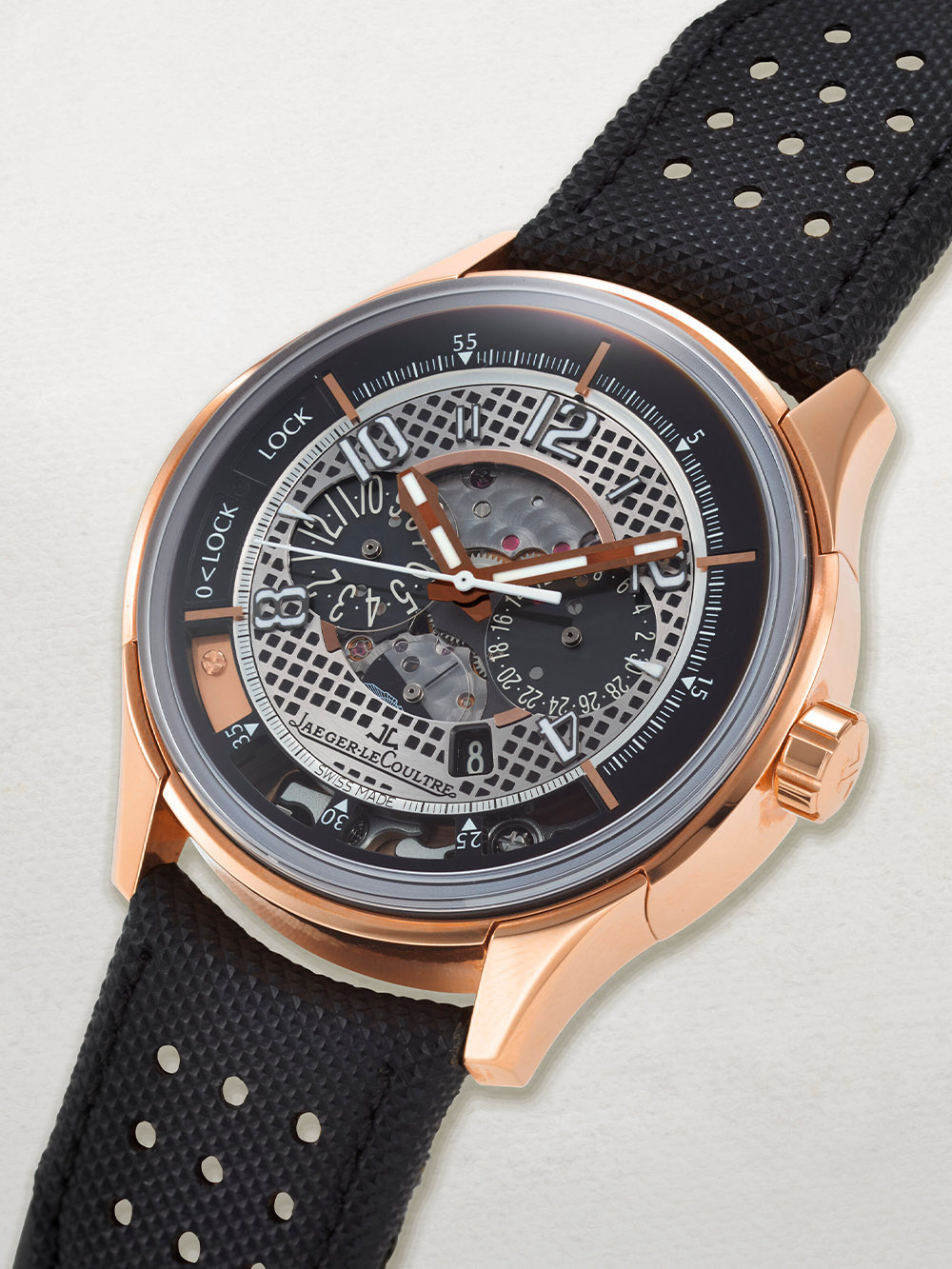
The collection truly found its voice in 2006 with the AMVOX 2 Chronograph and Jaeger-LeCoultre calibre 751B.
Its headline feature was the Vertical Trigger chronograph system developed by engineer Francis Cretin, a mechanism that removed the usual chronograph pushers entirely.
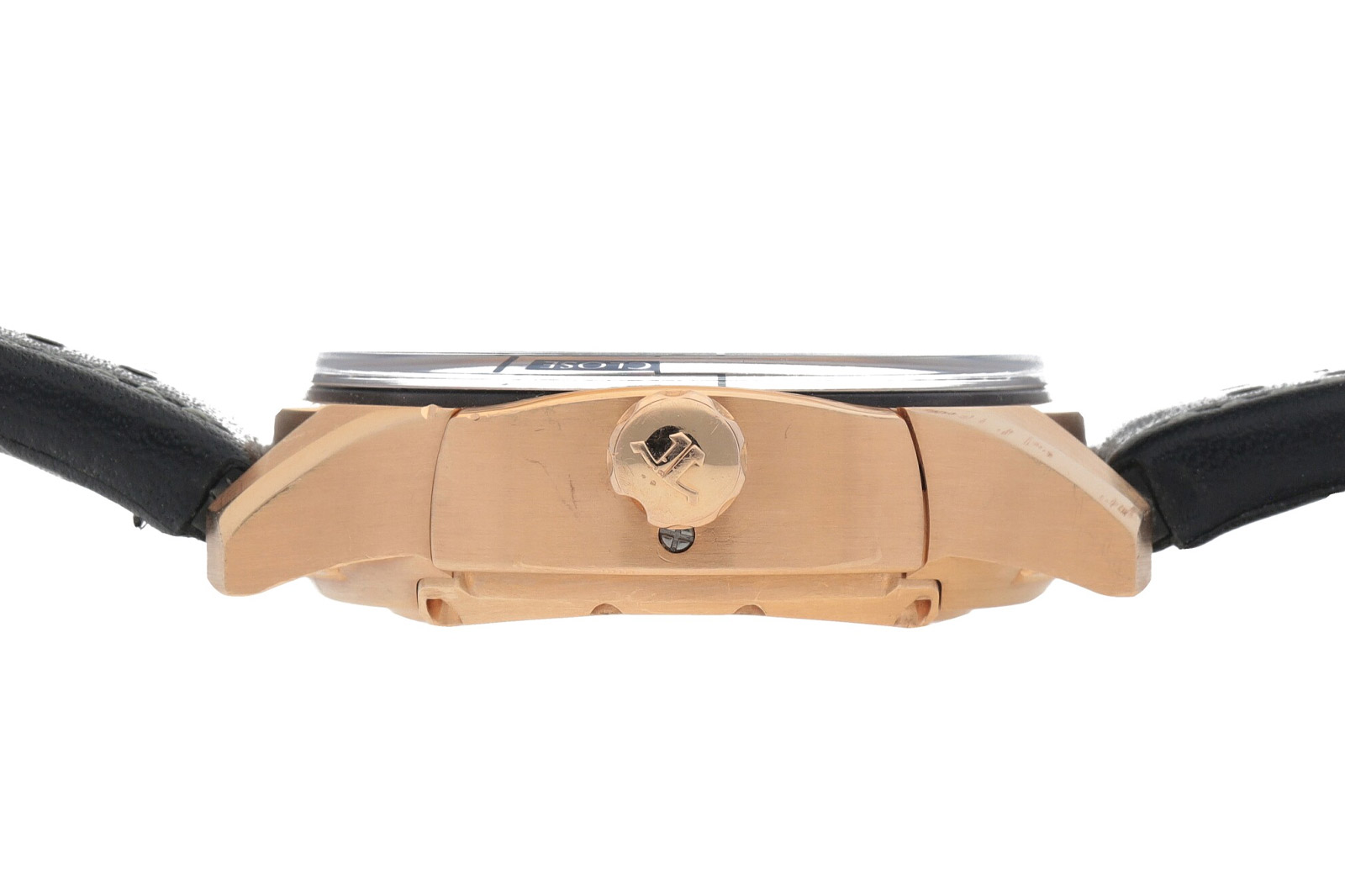
Instead of pressing buttons on the case flank, the wearer presses the crystal at 12 o’clock to start or stop the chronograph and at 6 o’clock to reset it.
Inside, the case assembly pivots just beneath the crown and actuates an internal pusher, with a spring returning the structure to neutral and ball bearings helping the rotation.
The idea makes immediate sense in an automotive context, where operating tiny pushers with gloves or while focused on driving is more romantic than practical.
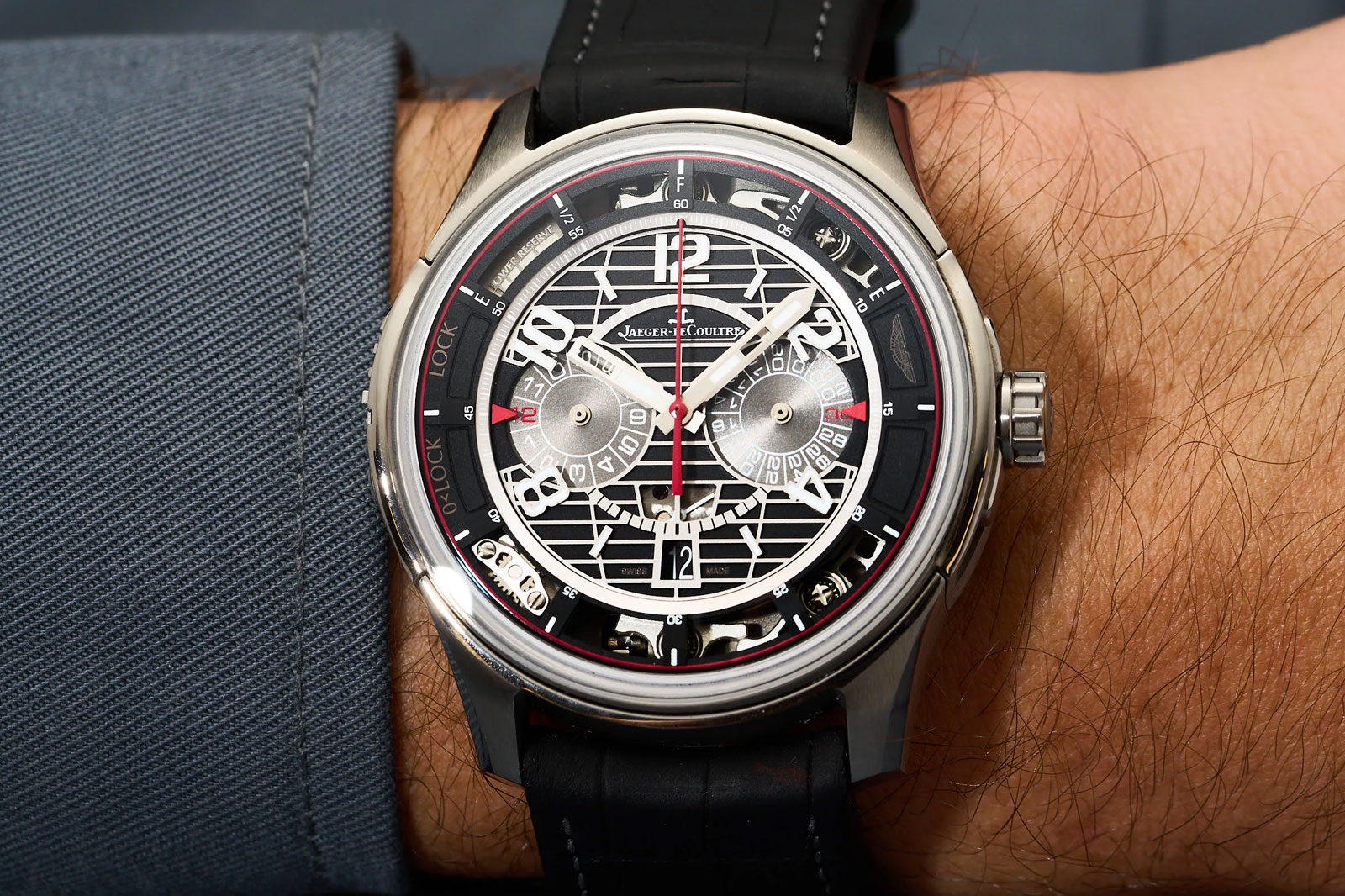
It also gave the AMVOX 2 a visual identity of its own, helped by a partially open-worked dial and a more technical case language than the first model.
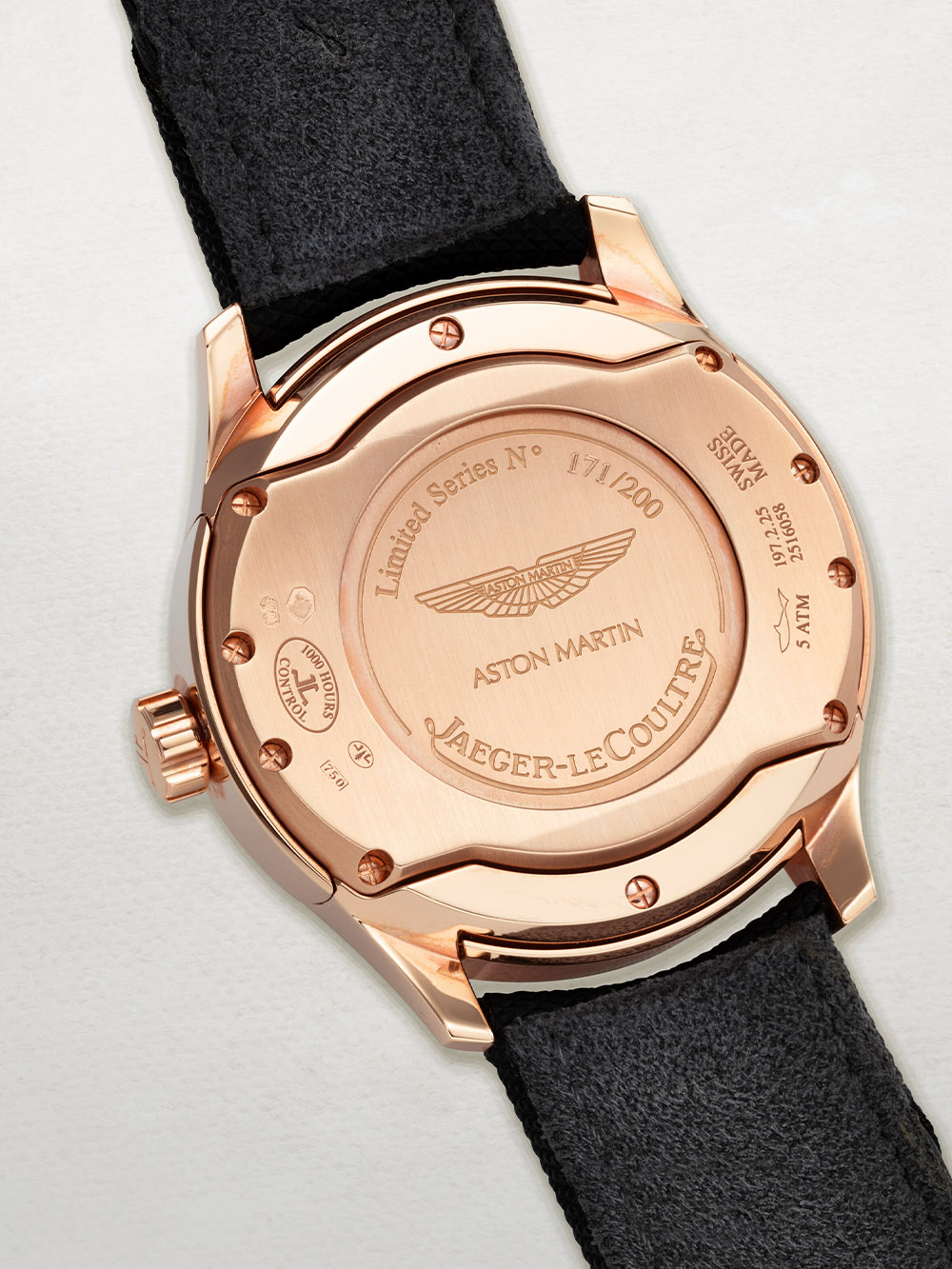
The initial AMVOX 2 Chronograph appeared in titanium limited to 750 pieces, titanium with black PVD limited to 500 pieces and platinum limited to 200 pieces.
Alarm, tourbillon, transponder and world time
Jaeger-LeCoultre didn’t leave the AMVOX formula in one lane.
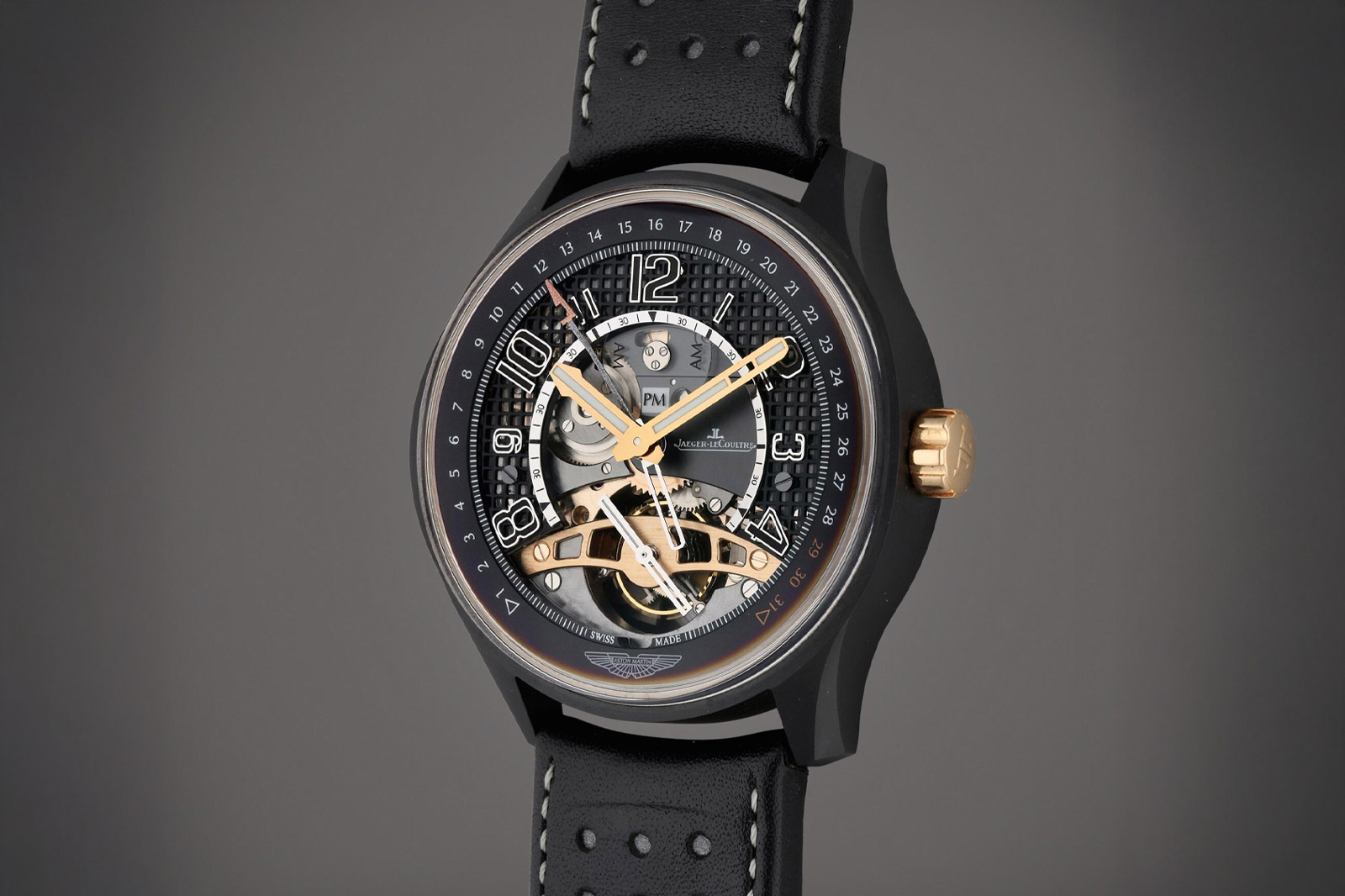
The AMVOX 3 Tourbillon GMT moved the series into higher complication territory with calibre 988, two time zones, a tourbillon, an AM/PM indicator and a date display designed to avoid blocking the tourbillon during the jump from 31 to 1.
Its black ceramic and rose-gold-accented execution gave the line a more dramatic presence, while a later 2010 edition connected the watch to Aston Martin’s LMP1 activity at Le Mans.
The most unusual entry may still be the AMVOX 2 DBS Transponder from 2008.
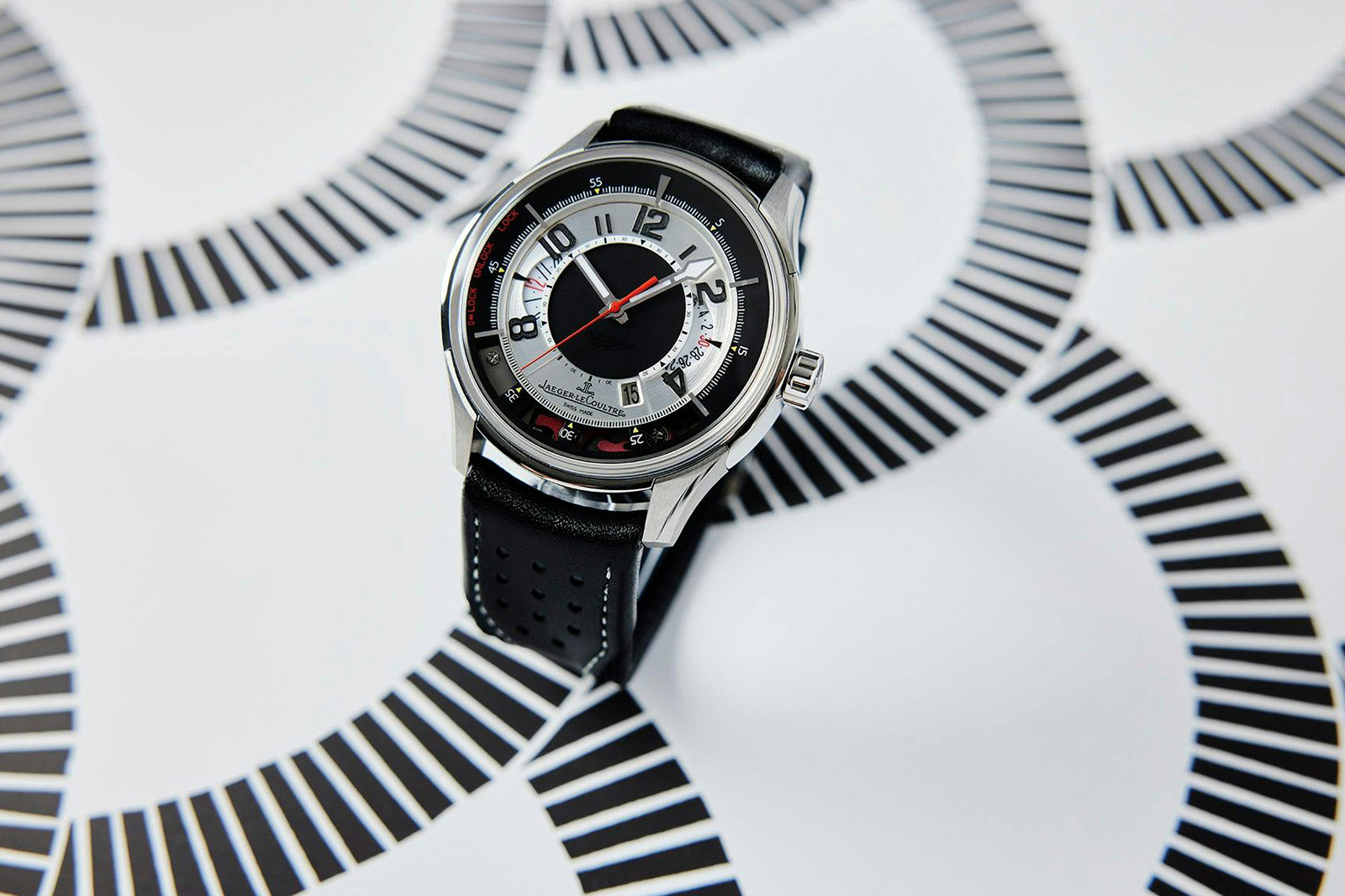
It combined the mechanical Vertical Trigger chronograph with an independent microelectronic system that could lock and unlock a compatible Aston Martin through touch zones marked OPEN and CLOSE around the sapphire crystal.
Each watch was paired with its compatible car through an Aston Martin dealership, with DBS, Rapide and DB9 Transponder versions forming part of the story.
The electronic unit sat above a conventional solid caseback in a double-caseback construction, leaving the mechanical movement to do its watchmaking work while the additional system handled the vehicle function.
Later, the AMVOX 5 World Chronograph took a different route with calibre 752, combining a world timer and chronograph while returning to conventional pushers.
The AMVOX 7 brought the Vertical Trigger concept back with a useful sliding lock at 9 o’clock to prevent accidental activation, pushing the aesthetic further into semi-skeletonised, machinery-forward territory.
Why AMVOX still feels relevant
The AMVOX watches are important because they show what can happen when a collaboration is treated as an engineering problem rather than a marketing shortcut.
Not every reference is equally pure, and some models are more overtly automotive than others, but the best AMVOX pieces have a reason to exist that’s visible in the mechanics.
For Jaeger-LeCoultre collectors, the line captures a period when the manufacture was willing to be unusually experimental outside its more classical families.
For Aston Martin owners and enthusiasts, it remains one of the few watch partnerships that genuinely translated driving culture into functional watch design.
That’s why AMVOX deserves to be remembered alongside the great modern collaborative projects, not as merchandise, but as a serious chapter in complicated watchmaking.
Details & Specifications
| Brands | Jaeger-LeCoultre and Aston Martin |
|---|---|
| Collection | AMVOX |
| Partnership period | 2004 to 2016 |
| First model | AMVOX 1 Alarm, initially known as the Aston Martin Jaeger-LeCoultre Edition |
| Signature mechanism | Vertical Trigger chronograph control introduced on the AMVOX 2 Chronograph |
| Notable movement | Jaeger-LeCoultre calibre 751B in the AMVOX 2 Chronograph |
| Notable complications | Alarm, chronograph, tourbillon GMT, world timer and electronic vehicle transponder |
| Limited editions | AMVOX 2 Chronograph in titanium limited to 750 pieces, titanium with black PVD limited to 500 pieces and platinum limited to 200 pieces |
| Availability | Discontinued and traded through the secondary market |
FAQ