Chartering a yacht in Greece sounds simple until the Aegean starts behaving like the Aegean.
The islands are close enough to tempt ambitious itineraries, the water is spectacular, and the idea of moving between beaches, harbours and late-night tables by tender is hard to resist.
What separates a seamless week from a frustrating one is rarely the size of the yacht alone. It’s the planning behind it, especially in the Cyclades.
At a glance
- Greek yacht charters need to be planned around the Aegean’s summer wind patterns, especially the Meltemi.
- The right captain can shape the entire experience, from safe anchorages to restaurant access and daily timing.
- Before signing, travellers should be clear about whether they want sailing, speed, privacy, nightlife or island discovery.
The Meltemi changes the rhythm of the Cyclades
In July and August, the Meltemi is one of the defining facts of yacht life around Mykonos, Paros, Naxos and the wider Cyclades.
It usually arrives from the north and often builds in the afternoon, which means a route that looks effortless on a map can feel very different on deck.
This doesn’t make the Aegean unsuitable for chartering.
Quite the opposite, for anyone who enjoys proper sailing, the regularity of the wind is part of what makes the region so compelling.
The mistake is treating the Meltemi as an afterthought.
A good itinerary in midsummer often means moving early, choosing sheltered anchorages before the wind peaks, and allowing evenings to unfold once conditions ease with the sun.
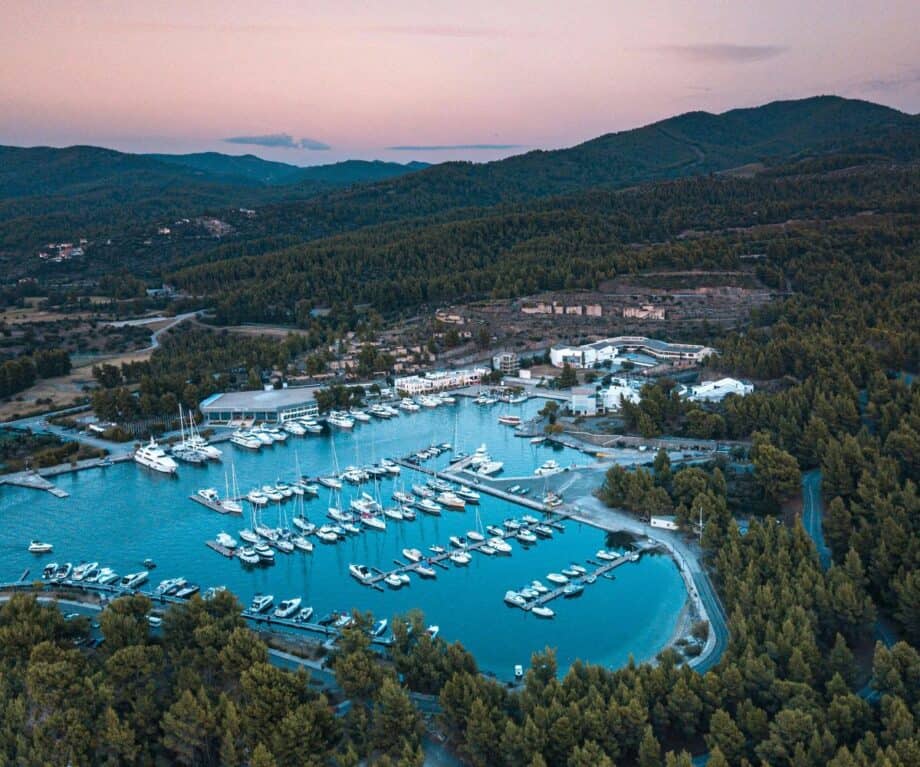
That rhythm can be beautiful when it’s built into the charter from the start.
Choose the yacht around the trip you actually want
Not every Greek yacht charter is chasing the same experience.
Some guests want to sail properly, with the engine off and the boat moving under canvas across open water.
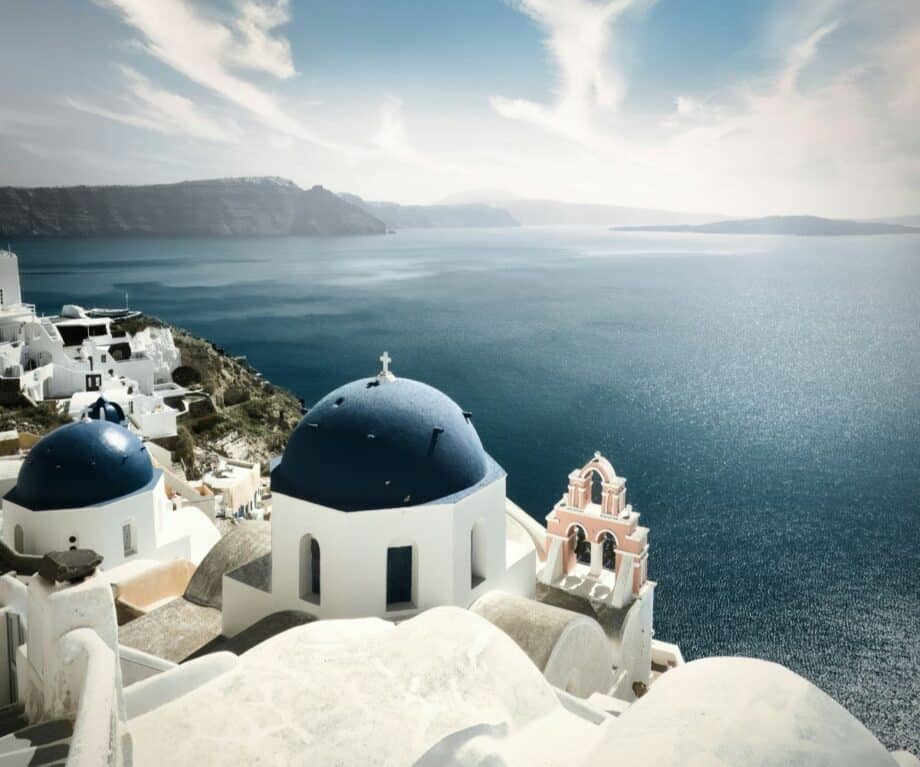
For them, the Cyclades can deliver a serious and rewarding week, provided the plan respects the weather rather than fighting it.
Others are better served by a motor yacht.
If the aim is to move quickly between islands, keep timings predictable and maximise time ashore, speed and deck space may matter more than the romance of sail.
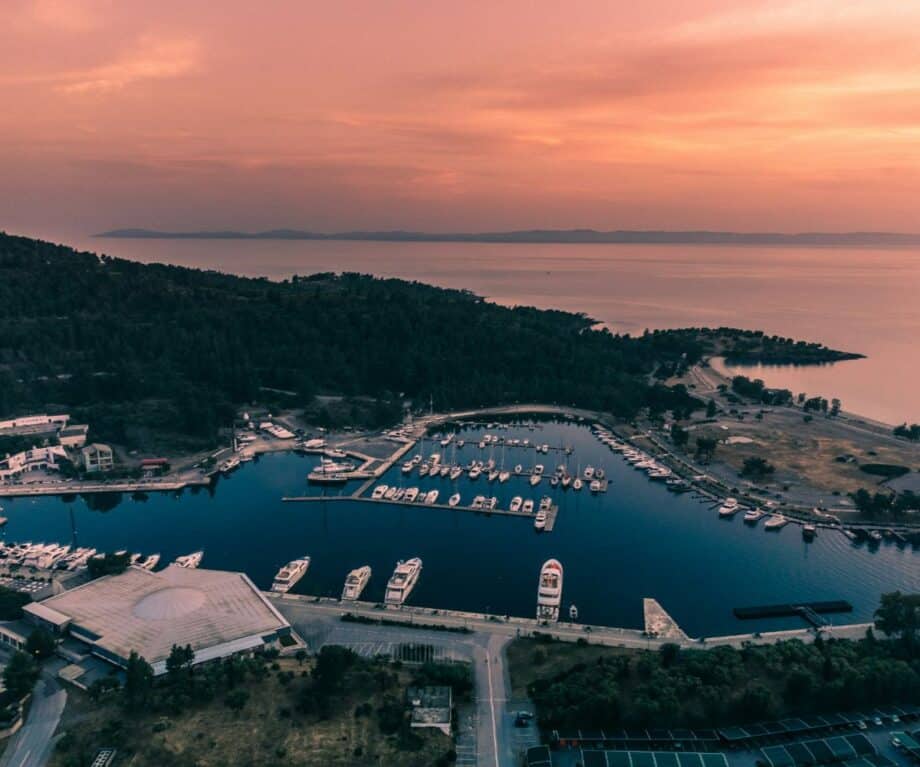
Then there’s a third type of charter guest, often the one who gets the most from Greece.
They care less about the yacht as an object and more about what it unlocks, from waking in a quiet cove to arriving at a beach club by tender rather than by road.
For this traveller, the yacht is the instrument, not the point.
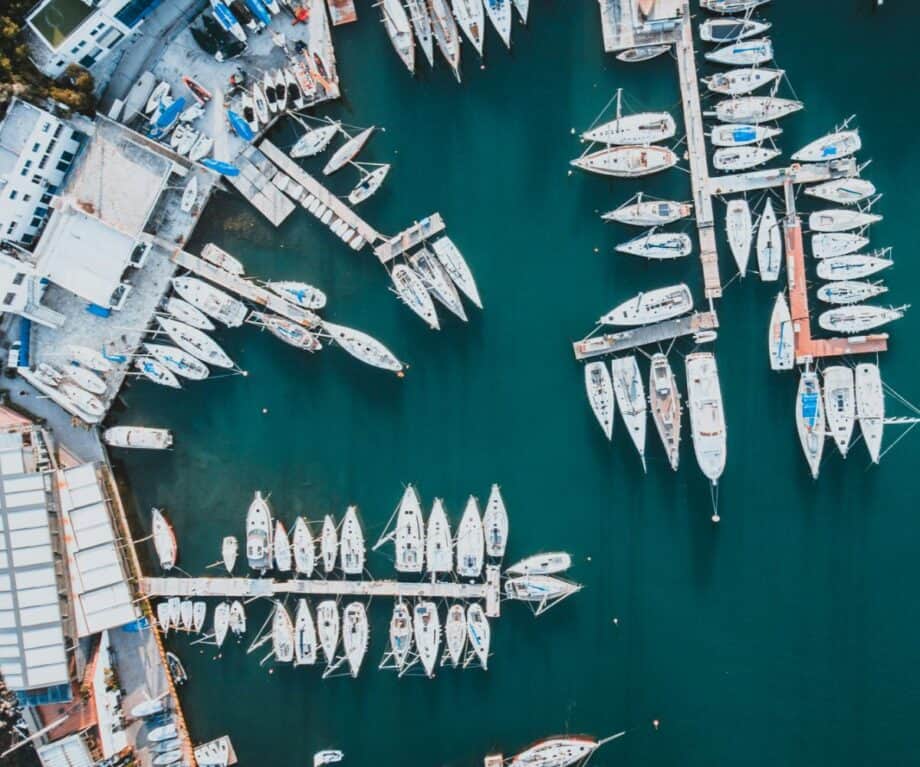
The best weeks are arranged around moments, not just mileage.
The captain matters more than the brochure
Yacht listings tend to make vessels look interchangeable within a category.
They aren’t, and neither are captains.
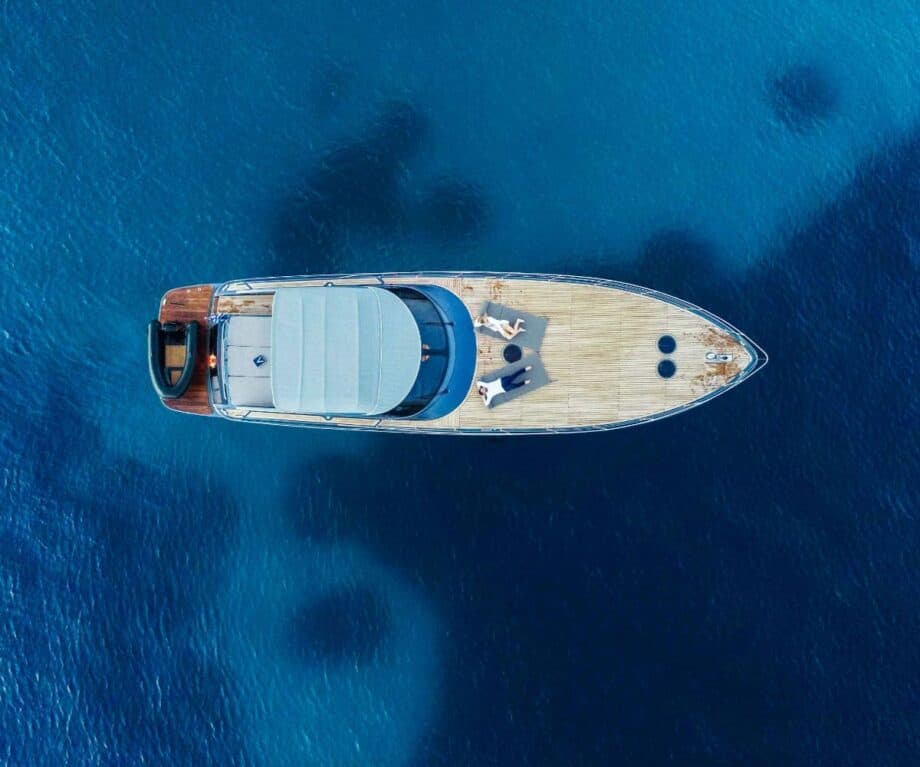
A strong captain brings more than technical competence.
He or she understands how the wind has behaved that day, which anchorage will be calm that night, where to provision well, and when a harbour table is realistically possible in high season.
Much of that work is invisible when it’s done well.
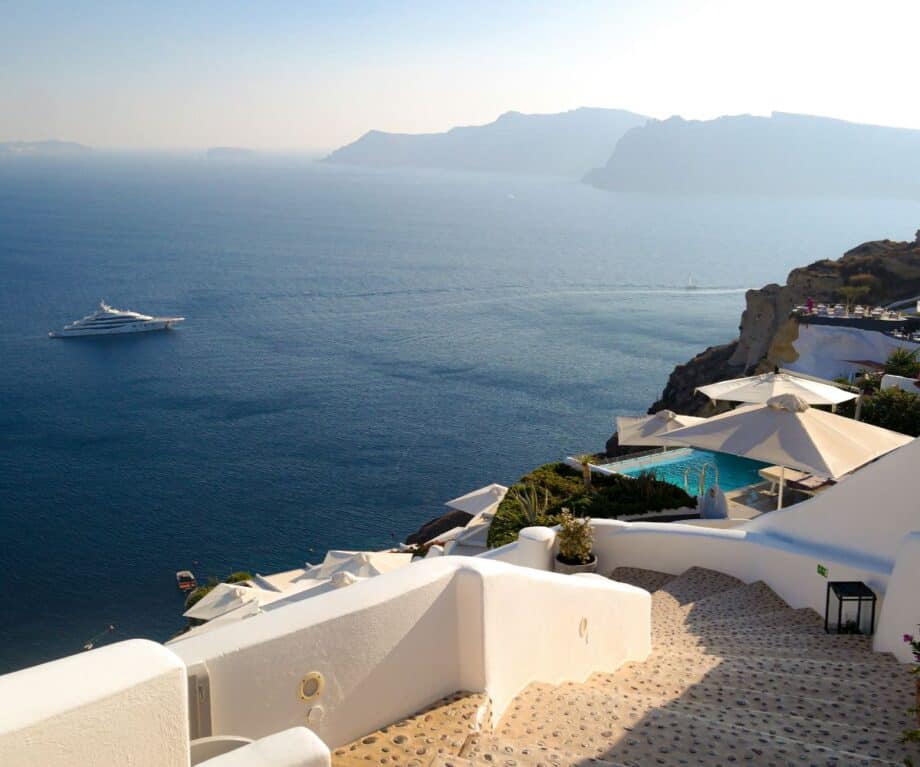
The tender appears at the right moment, lunch feels unforced, the anchorage is protected, and the next day’s plan quietly adjusts before anyone has to ask.
A technically capable but poorly matched captain can make a yacht feel less like a private charter and more like someone else’s domain.
The difference may show up in small things, from inflexible route suggestions to provisioning that misses the mood of the group.
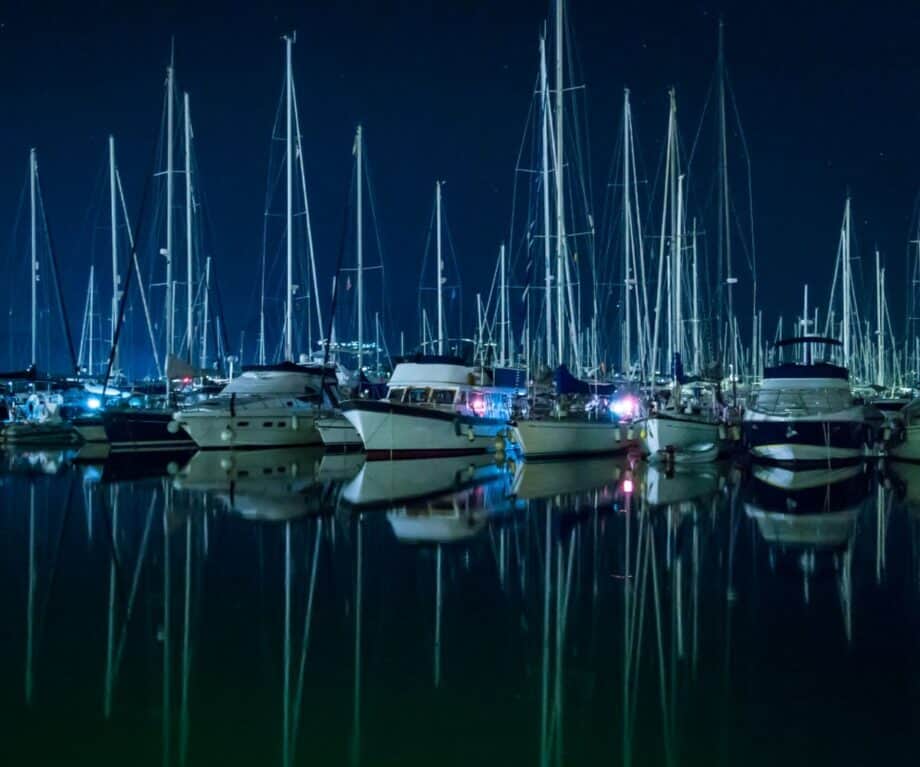
Before signing, it’s worth asking who will be running the yacht, how well they know the islands on the proposed route, and whether they’re the right fit for the style of trip being planned.
Plan the evenings before fixing the route
Many charters are planned island by island, but in Greece the evening often matters more than the day’s headline destination.
An overnight in a quiet anchorage requires a different sequence from arriving by tender for dinner in Mykonos.
A late lunch on a remote side of an island may change the sensible morning departure time.
A harbour restaurant that feels effortless at sunset might require the yacht to be in position hours earlier.
This is why the best itineraries don’t simply join famous names on a map.
They consider wind, distance, anchorages, tender runs, meals ashore and the level of privacy the guests actually want.
The Cyclades reward this kind of thinking because the difference between a conventional island hop and a properly arranged charter is enormous.
Two groups can visit the same islands in the same week and have entirely different experiences.
Questions to ask before you sign
A yacht charter contract can make the arrangement feel settled, but the practical experience is shaped by decisions made before that point.
These are the questions worth raising early.
- How is the itinerary adjusted if the Meltemi is strong?
- Which passages are best done in the morning?
- What sheltered anchorages are planned along the route?
- Who is the captain, and how well do they know the Cyclades?
- Is the yacht suited to sailing pleasure, fast transfers or relaxed coastal living?
- How are restaurant bookings, beach club arrivals and provisioning handled?
- Who is responsible if plans need to change during the week?
None of these questions should make the experience feel less luxurious.
They’re what allow it to feel relaxed once you’re aboard.
Greece remains one of the great yacht charter destinations in the Mediterranean, but it isn’t a place to approach with a generic itinerary and blind faith in a glossy deck plan.
The right boat matters, but the right timing, captain and route matter more.
Get those right, and the Aegean does what it has always done best, turning wind, distance and island life into a week that feels impossible to replicate from land.