If you could only wear one watch for the next year, it probably wouldn’t be the most complicated piece in your box or the biggest diver you own.
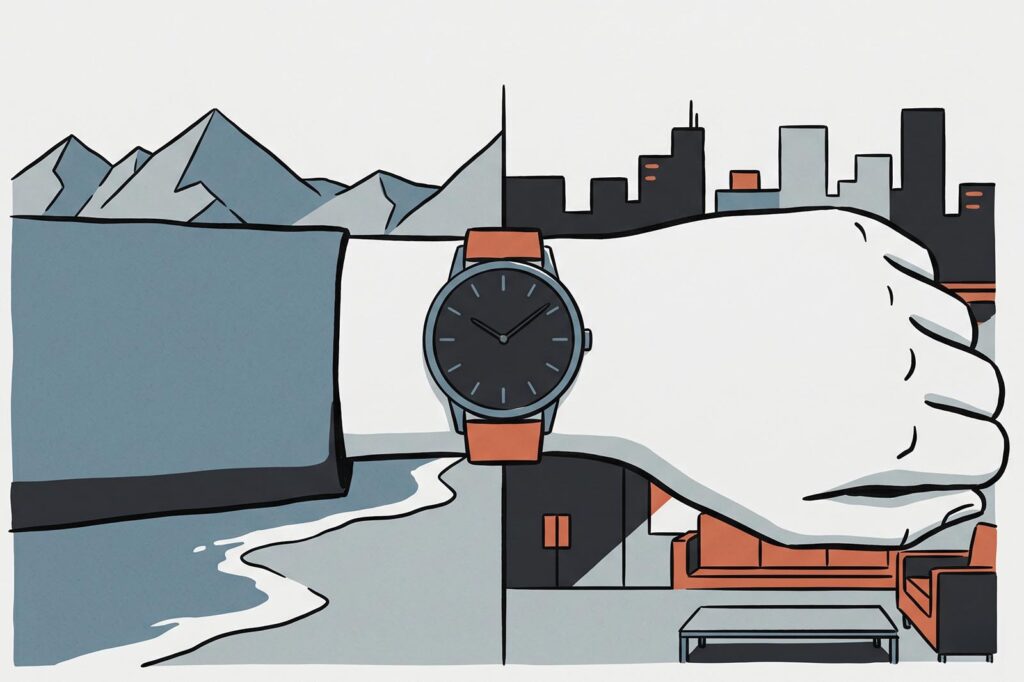
It would need to handle a workday, a flight, a dinner, a weekend away and the occasional swim without looking out of place.
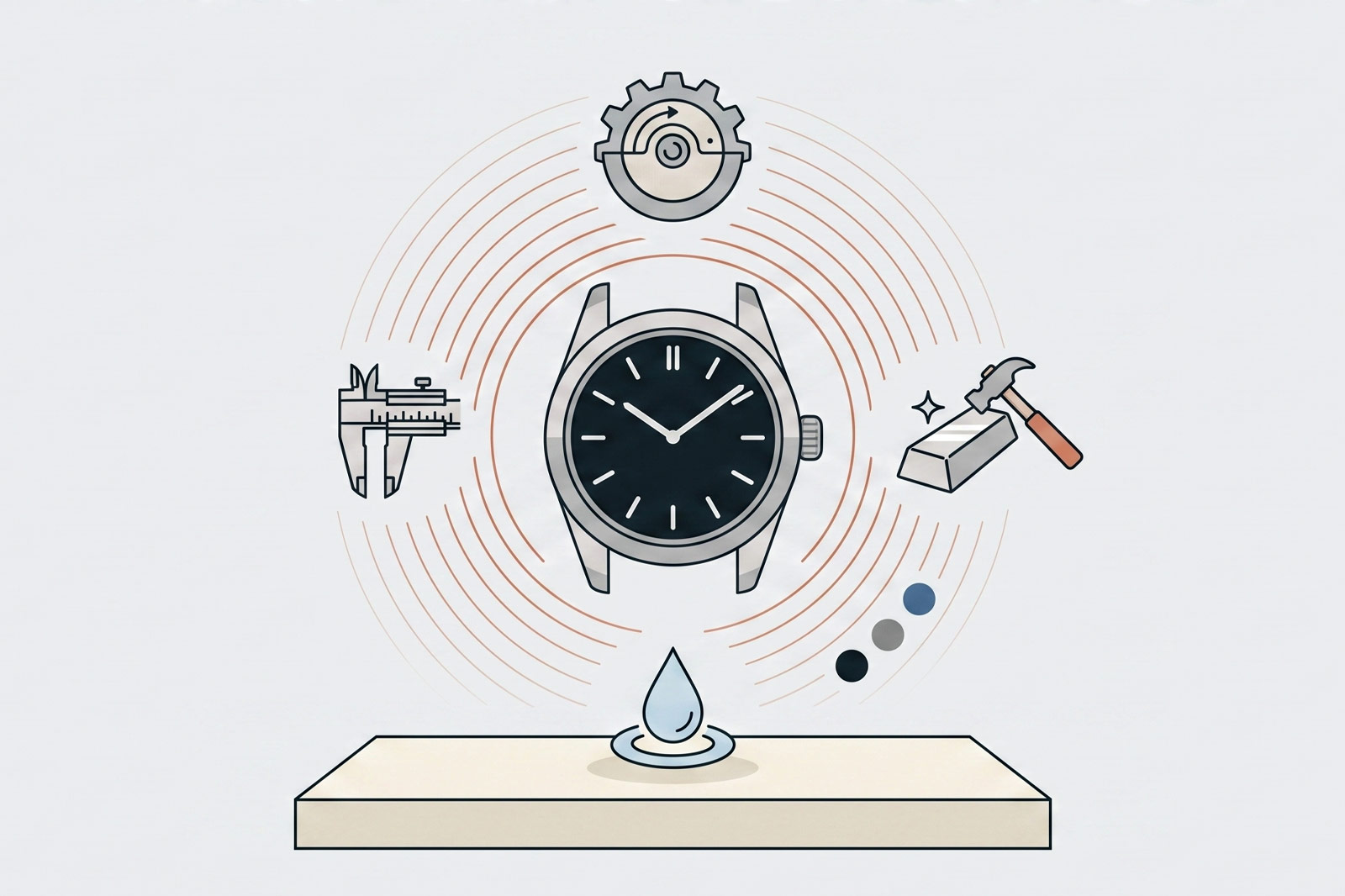
That’s the idea behind the GADA watch, short for Go Anywhere, Do Anything, and it has become one of the most useful concepts in modern collecting.
At a glance
- A GADA watch is an everyday timepiece designed to work across casual, formal, travel and leisure settings.
- The strongest examples tend to sit between 38mm and 41mm, use steel or titanium, run on an automatic movement and offer 100m water resistance.
- It’s less about owning only one watch and more about having one dependable piece that covers most situations well.
The GADA idea and why collectors use it
GADA stands for Go Anywhere, Do Anything, a phrase that gained traction among watch enthusiasts online in the early 2010s.
The appeal is simple.
A GADA watch removes decision fatigue because it’s the one piece you can put on in the morning without studying your calendar.
It isn’t necessarily the rarest, most technical or most expensive watch in a collection.
Its value comes from range.
It should look calm with tailoring, feel natural with denim, survive rain and poolside wear, and remain comfortable after a full day on the wrist.
Case size, thickness and all-day wearability
Size is where the GADA conversation usually starts, and for good reason.
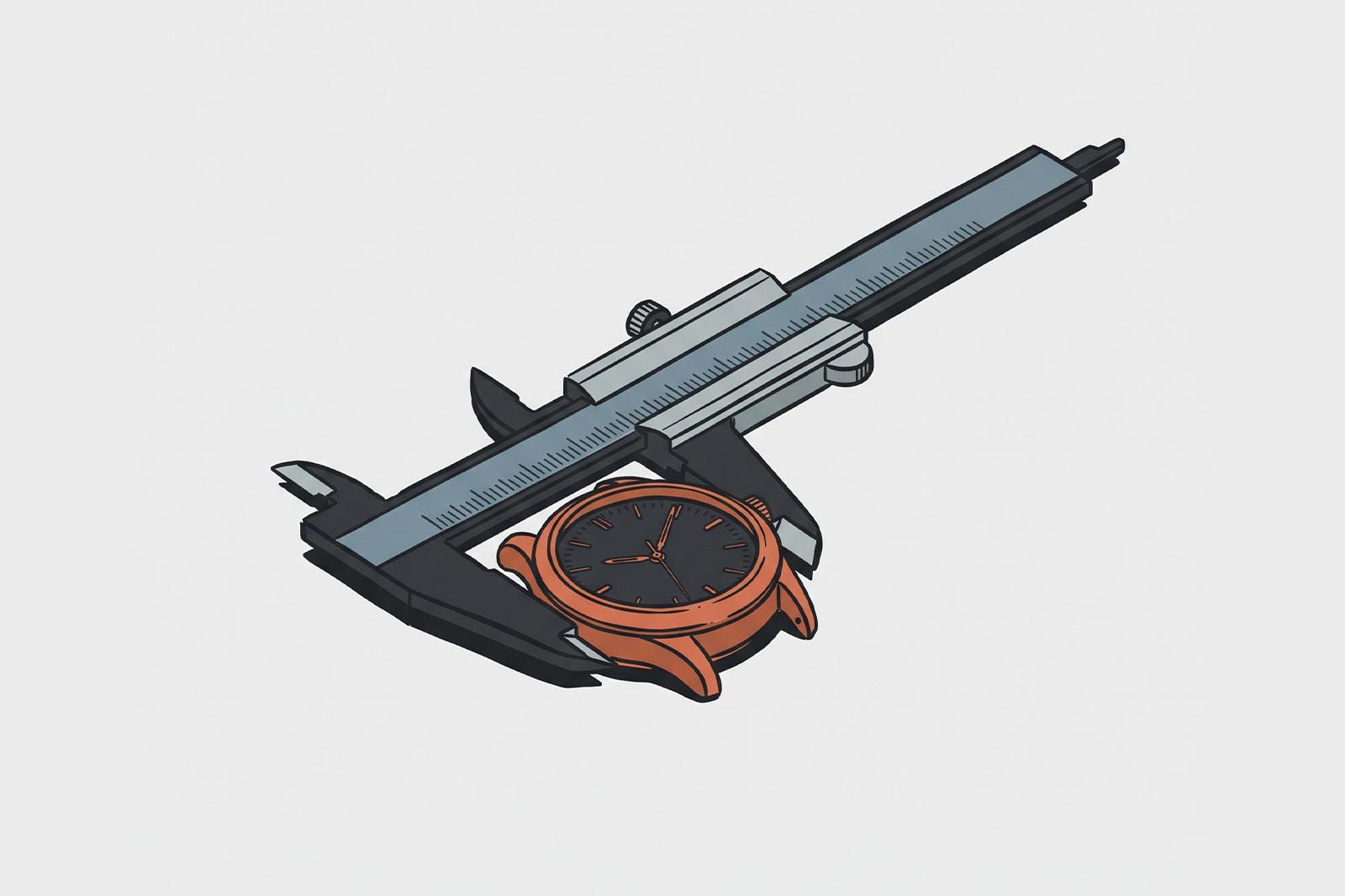
The sweet spot is generally 38mm to 41mm, a range that suits a broad spread of wrists without feeling either too delicate or too dominant.
Smaller watches can be elegant, but a true all-rounder needs enough wrist presence to feel current and legible.
Go too large, though, and the watch starts to lose the quiet adaptability that makes the format work.
Thickness matters just as much as diameter.
A watch under 12mm thick is far more likely to slide under a cuff, sit comfortably through long wear and avoid the top-heavy feel that can make sportier watches tiring.
Dial colours and materials that don’t fight your wardrobe
A GADA watch shouldn’t demand that the rest of your outfit adapt to it.
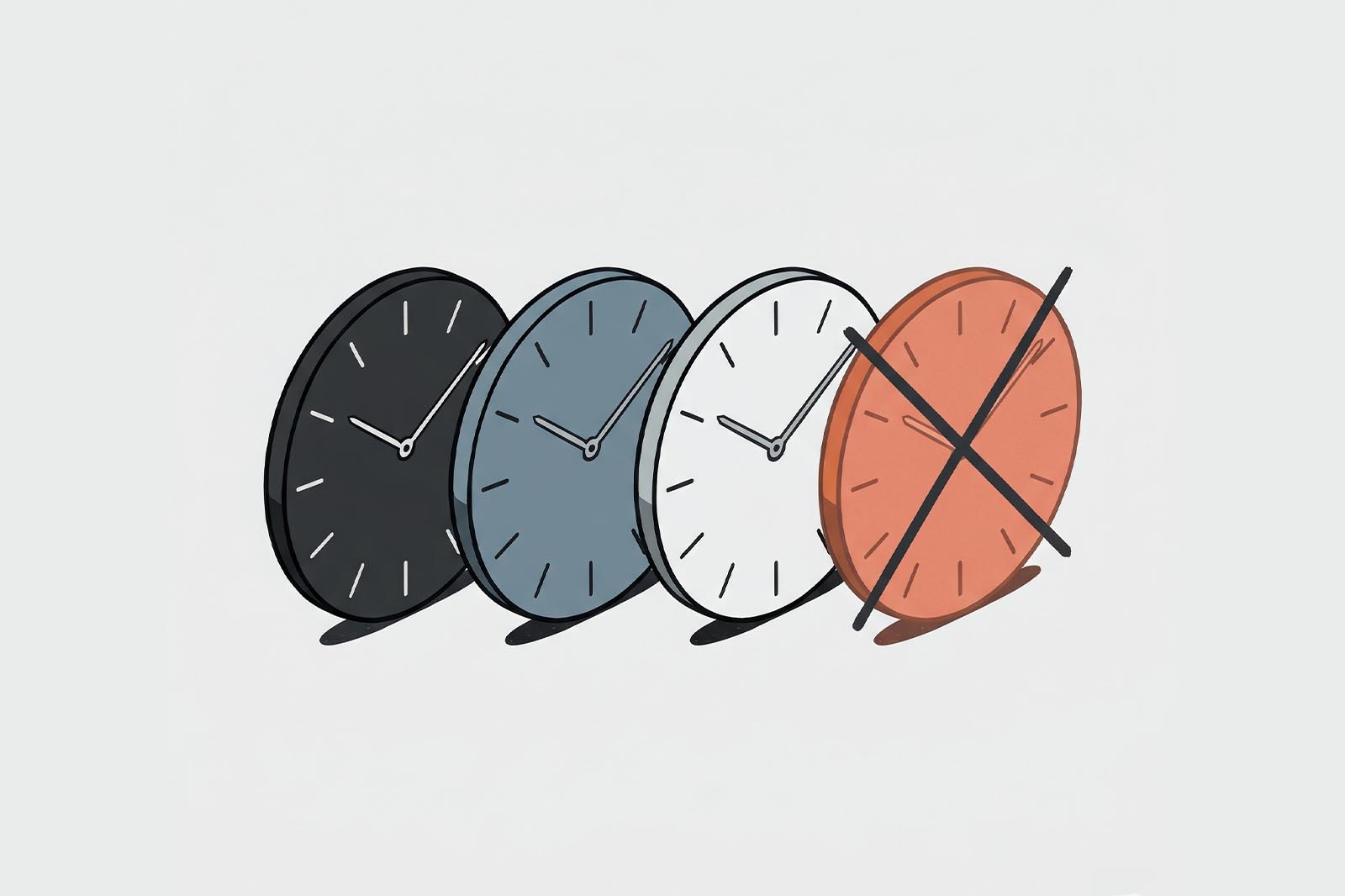
That’s why restrained dial colours remain the safest choices.
Black, dark grey and blue are the core options because they carry the same easy versatility as a navy jacket or charcoal suit.
Silver can work beautifully when the watch leans dressier, while white is especially effective on a sportier case.
There’s still room for character.
A subtle accent colour, distinctive markers or a date window can add personality, provided the dial’s base tone stays adaptable.
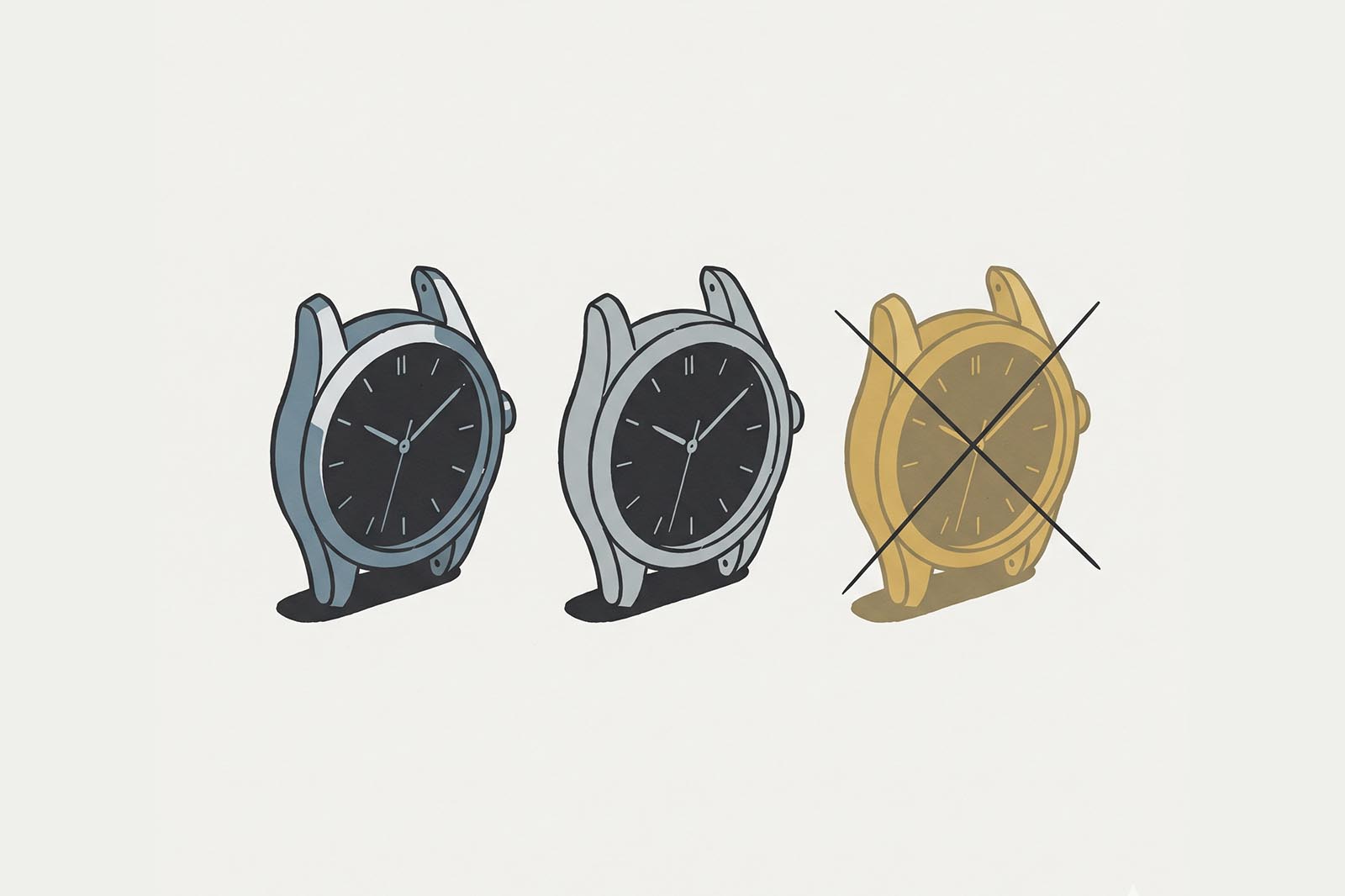
For the case, stainless steel remains the default for a reason.
It’s durable, widely available, relatively easy to refinish and visually neutral enough for almost any setting.
Titanium is the other compelling choice.

Its lightness makes it extremely comfortable for daily wear, while its darker matte tone gives it a more technical, modern edge.
Whichever metal you choose, a sapphire crystal is the sensible partner, adding scratch resistance to a watch that’s meant to see regular use.
Movement, water resistance and strap flexibility
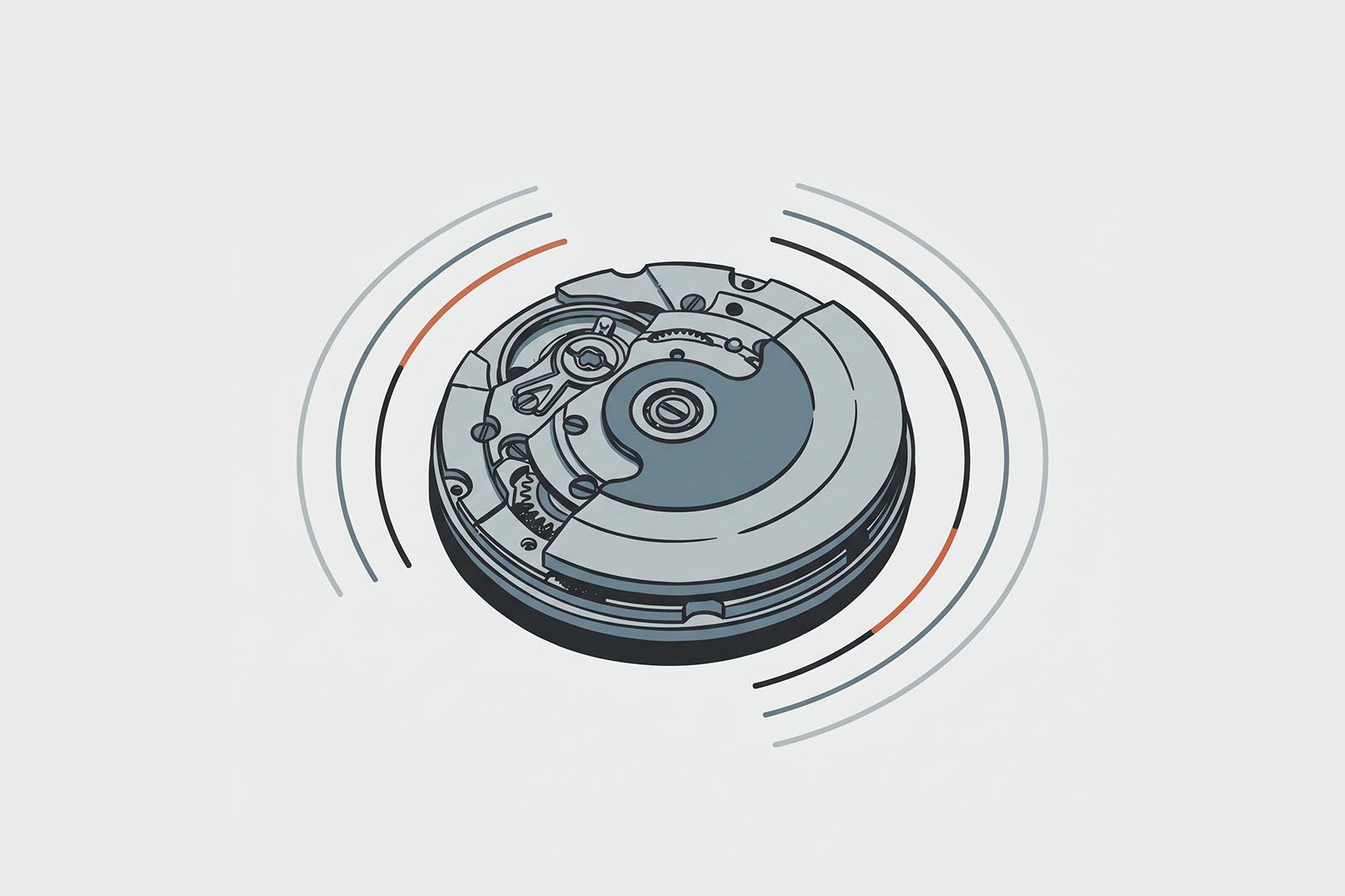
An automatic movement is the natural fit for a GADA watch.
The point is convenience, so you don’t want a watch that asks for constant winding or leaves you thinking about a battery.
The movement doesn’t need to be exotic.
A reliable workhorse calibre from makers such as Sellita, Miyota, ETA or La Joux-Perret can make just as much sense as an in-house option if it’s robust and easy to live with.
A 72-hour power reserve is useful, especially if you rotate watches over the weekend, but it isn’t essential to the definition.
Water resistance is more straightforward.
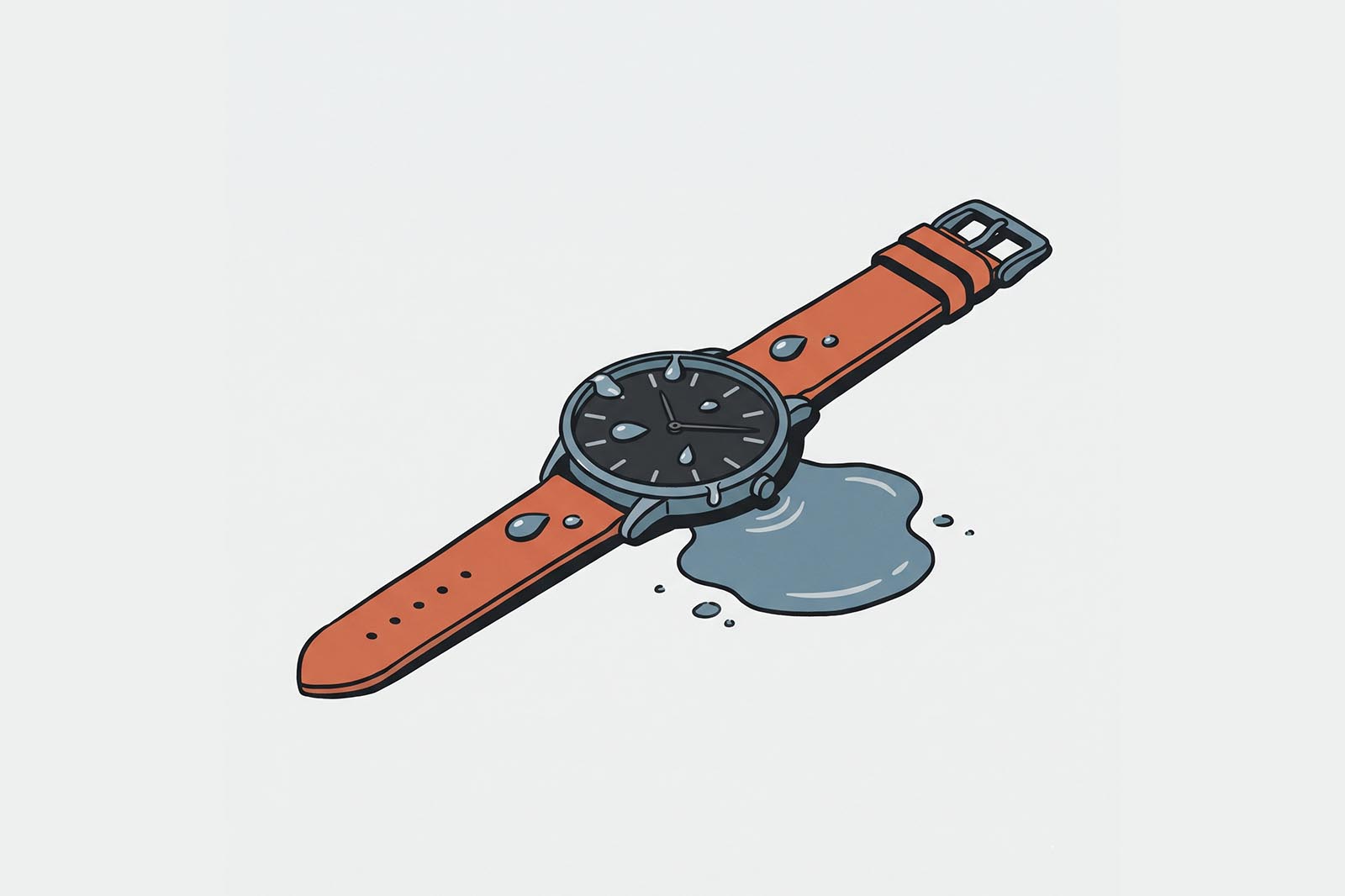
For a true everyday watch, 100m is the practical benchmark.
That gives enough confidence for showers, rain, swimming and travel without forcing the case into the bulkier territory of serious dive watches.
Straps are where a GADA watch becomes more than a technical checklist.
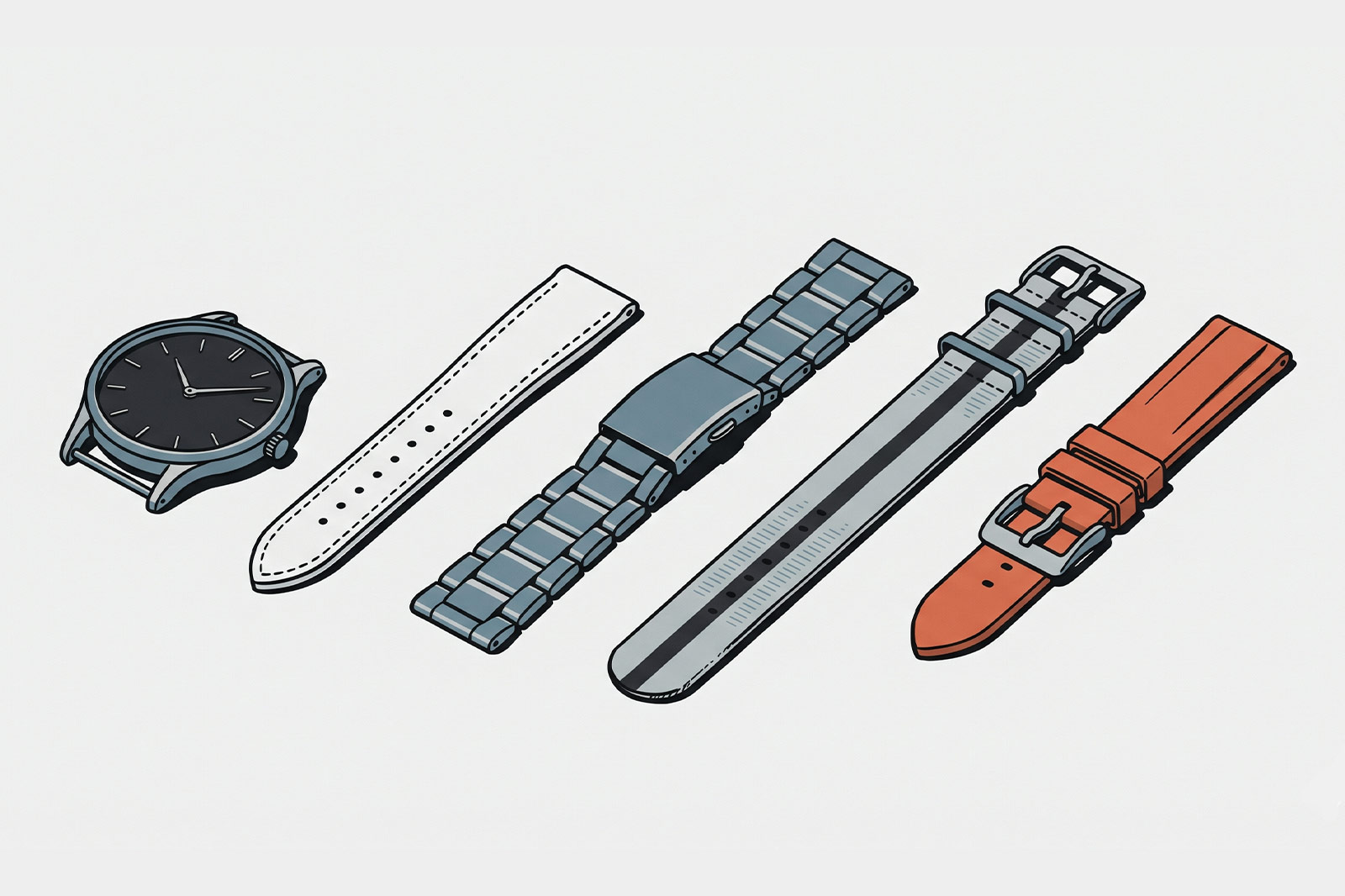
A steel or titanium bracelet gives it everyday durability, leather makes it more formal and rubber suits summer, sport and travel.
Learning to change straps is one of the easiest ways to make a single watch feel like several.
Specialist strap makers now offer everything from FKM rubber to refined leather and exotic skins, making the strap drawer a far more accessible route to versatility than buying another watch.
Details & Specifications
| Category | Ideal GADA watch criteria |
|---|---|
| Case size | 38mm to 41mm |
| Case thickness | Under 12mm where possible |
| Case material | Stainless steel or titanium |
| Crystal | Sapphire |
| Dial | Black, dark grey, blue, silver or white |
| Movement | Automatic workhorse movement |
| Power reserve | 72 hours is useful but not required |
| Water resistance | 100m |
| Strap options | Bracelet, leather and rubber compatibility |
A GADA watch isn’t meant to make the rest of a collection irrelevant.
Collectors will still want divers, chronographs, GMTs, dress watches and more idiosyncratic pieces for specific moods or uses.
The strength of a good GADA watch is that it fills the gaps between them.
It’s the watch you pack when you’re travelling light, the one you reach for when you don’t know where the day will end, and the piece that quietly proves versatility can be just as satisfying as specialization.