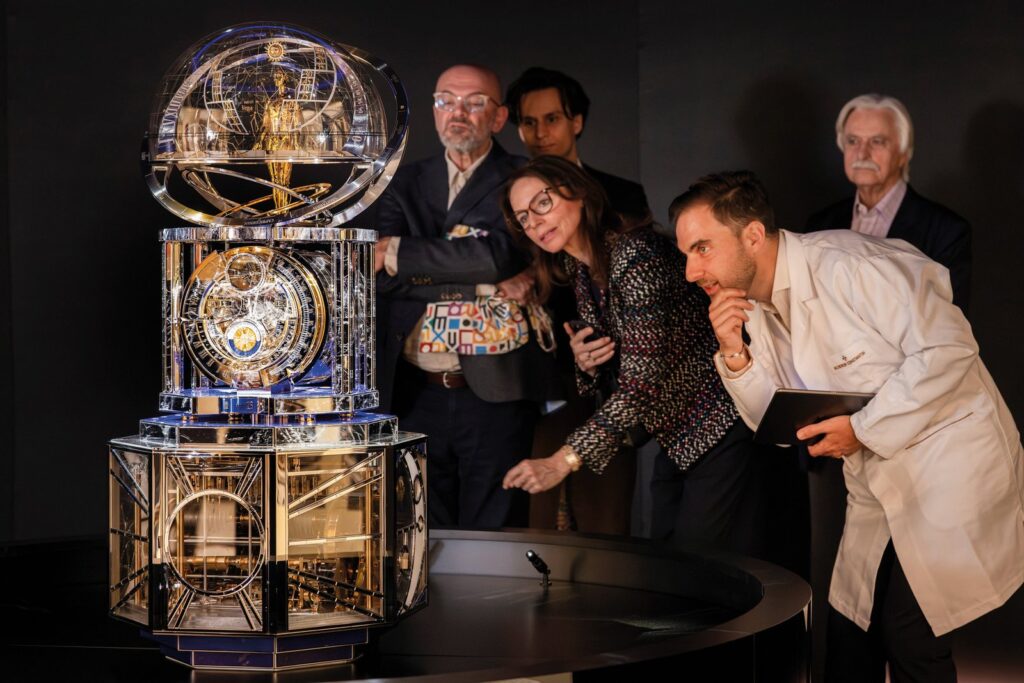
Watches and Wonders Geneva 2026 made a persuasive case for watchmaking as a discipline of evolution rather than reinvention.
The most compelling launches weren’t simply louder, larger or more complicated for the sake of it.
They showed how independent and specialist maisons are using mechanics, materials and design restraint to give contemporary horology a sharper sense of identity.
At a glance
- Watches and Wonders Geneva 2026 highlighted a shift toward refined identity, discreet complexity and personal expression.
- Key pieces ranged from hidden chronographs and collector-led chronometers to meteorite dials, tourbillons and circular-design watchmaking.
- The mood favoured clarity and craft over spectacle, with independent maisons playing a visible role in shaping the conversation.
The new language of independent watchmaking
For collectors who already know the biggest names in Geneva, the interesting work often happens in the space between technical ambition and a clearly defined design point of view.
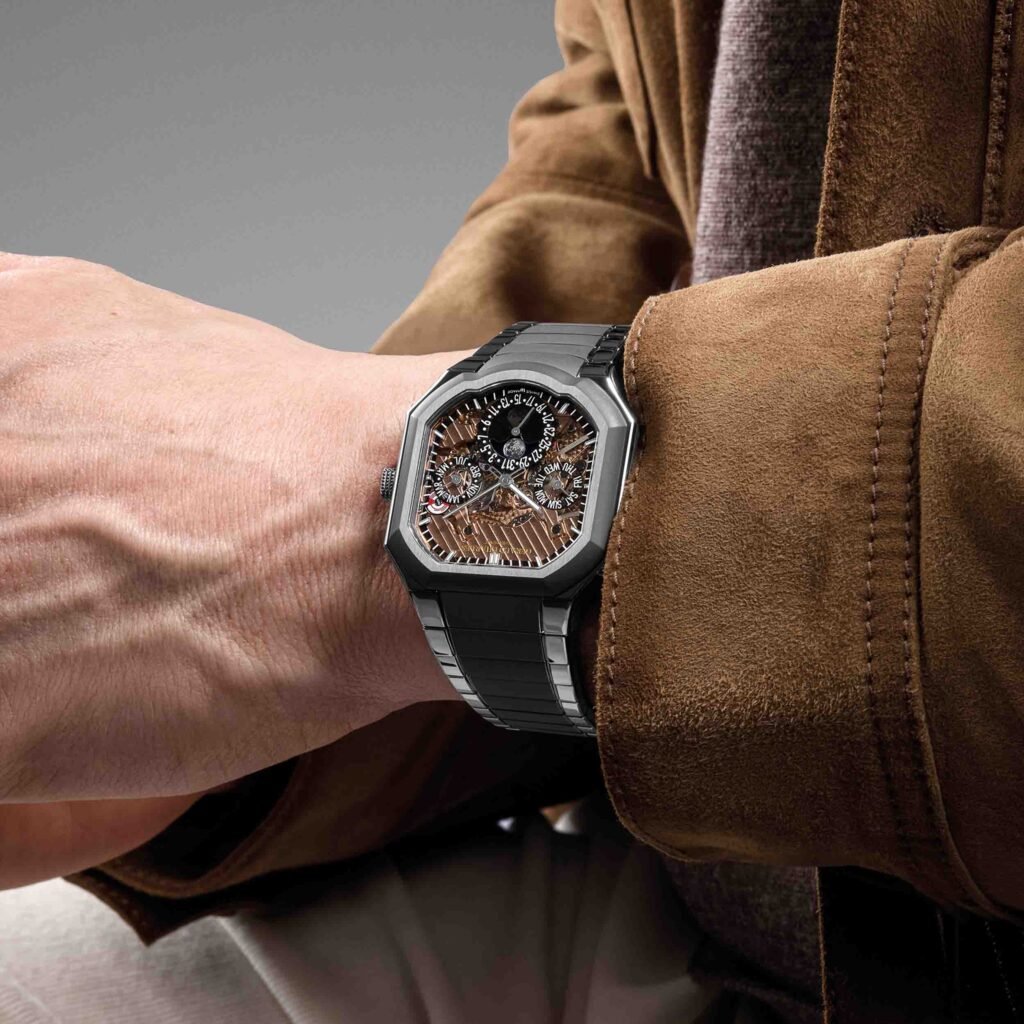
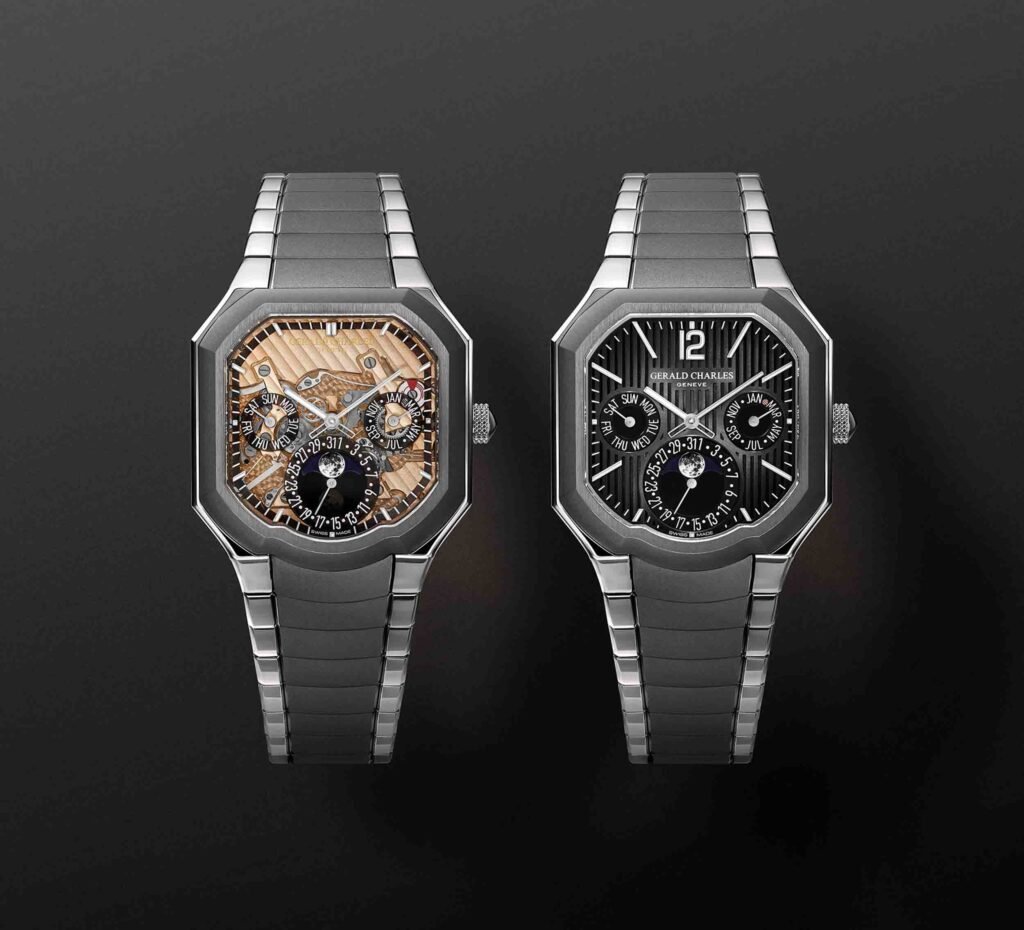
That was especially true at Gérald Charles, where the Masterlink Perpetual Calendar brought the revived maison’s design vocabulary into its most intricate form to date.
The watch pairs a distinctive case with an in-house asymmetrical calibre, creating a perpetual calendar that feels integrated rather than forced into an existing silhouette.
It displays day, date, month, moon phase and leap year indications, with water resistance rated to 100 metres.
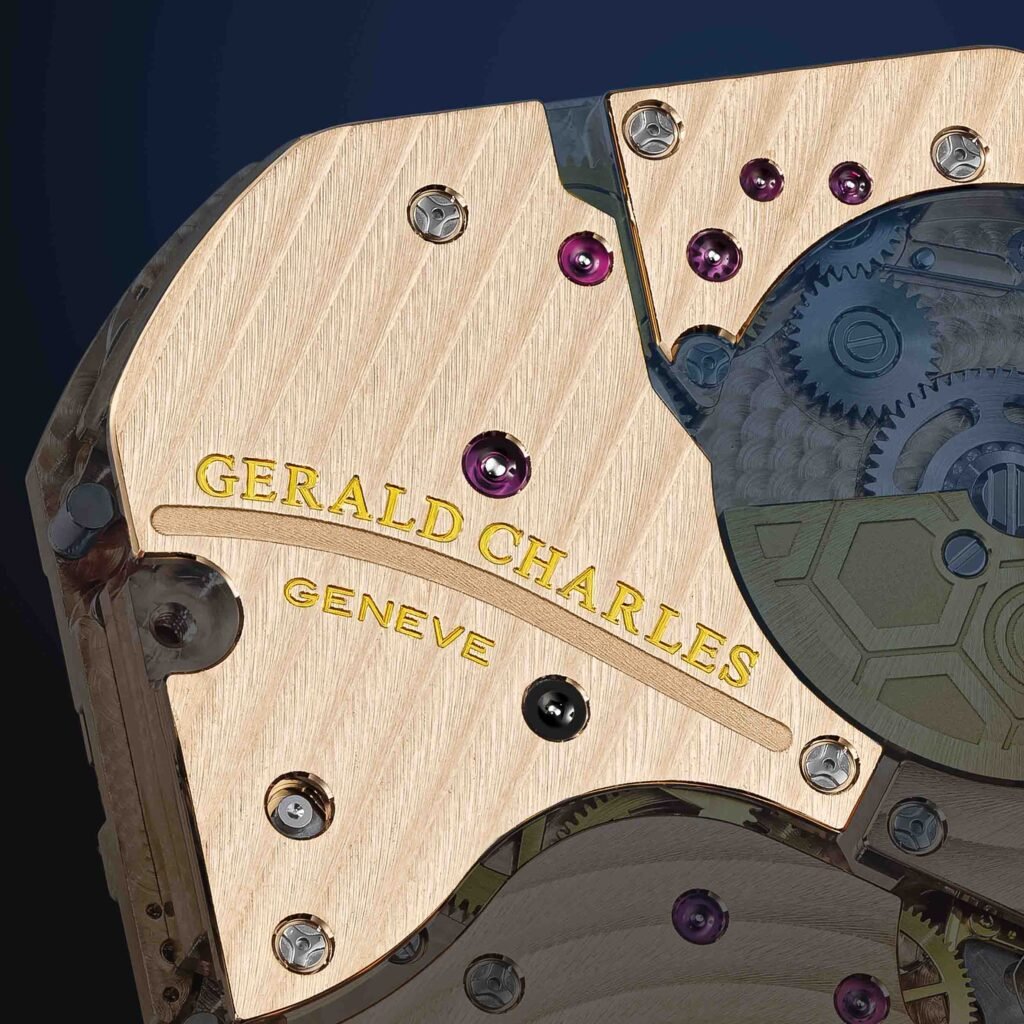
The rear of the watch adds a more intimate layer, using Geneva stripes to trace the roads of the city and Lake Léman, with the Rhône, the Jet d’Eau and the maison’s Rue du Mont-Blanc atelier worked into the movement’s visual geography.
It’s a reminder that decoration can do more than fill space when it’s tied to place and identity.
Complications that know when to disappear
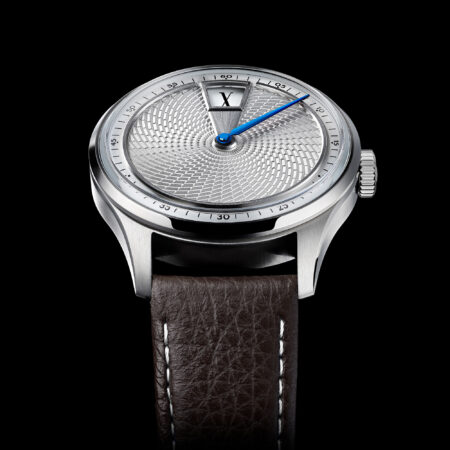
Parmigiani Fleurier approached its 30th anniversary with a familiar sense of restraint, and the TONDA PF Chronographe Mystérieux was among the clearest expressions of that philosophy.
Its chronograph is concealed until the pusher is activated, at which point the indications appear across the dial before receding again into the calm of a three-hand watch.
The result is a complication that treats discretion as part of the performance.
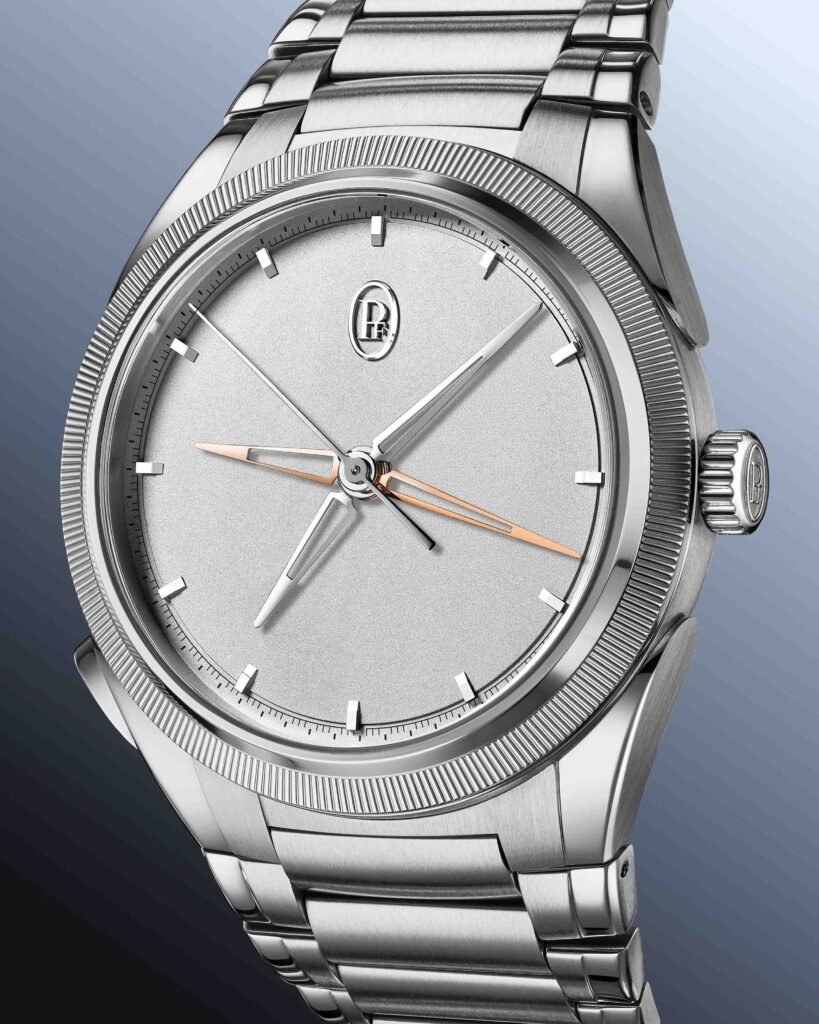
Behind that quiet behaviour is the calibre PF053, a 362-component integrated column-wheel chronograph with a triple-clutch system and a 60-hour power reserve.
Ferdinand Berthoud took a different path with the Mesure du Temps 1787, Chapter I Chronomètre FB 2TV.1, a piece shaped around the maison’s marine chronometer heritage and the expectations of serious collectors.
Here, the mechanical architecture is openly displayed rather than hidden, with a 60-hour power reserve and a focus on chronometric integrity.
It’s the kind of watch that speaks less to casual novelty and more to those who want the construction itself to carry the drama.
Personal worlds, pure mechanics and circular thinking
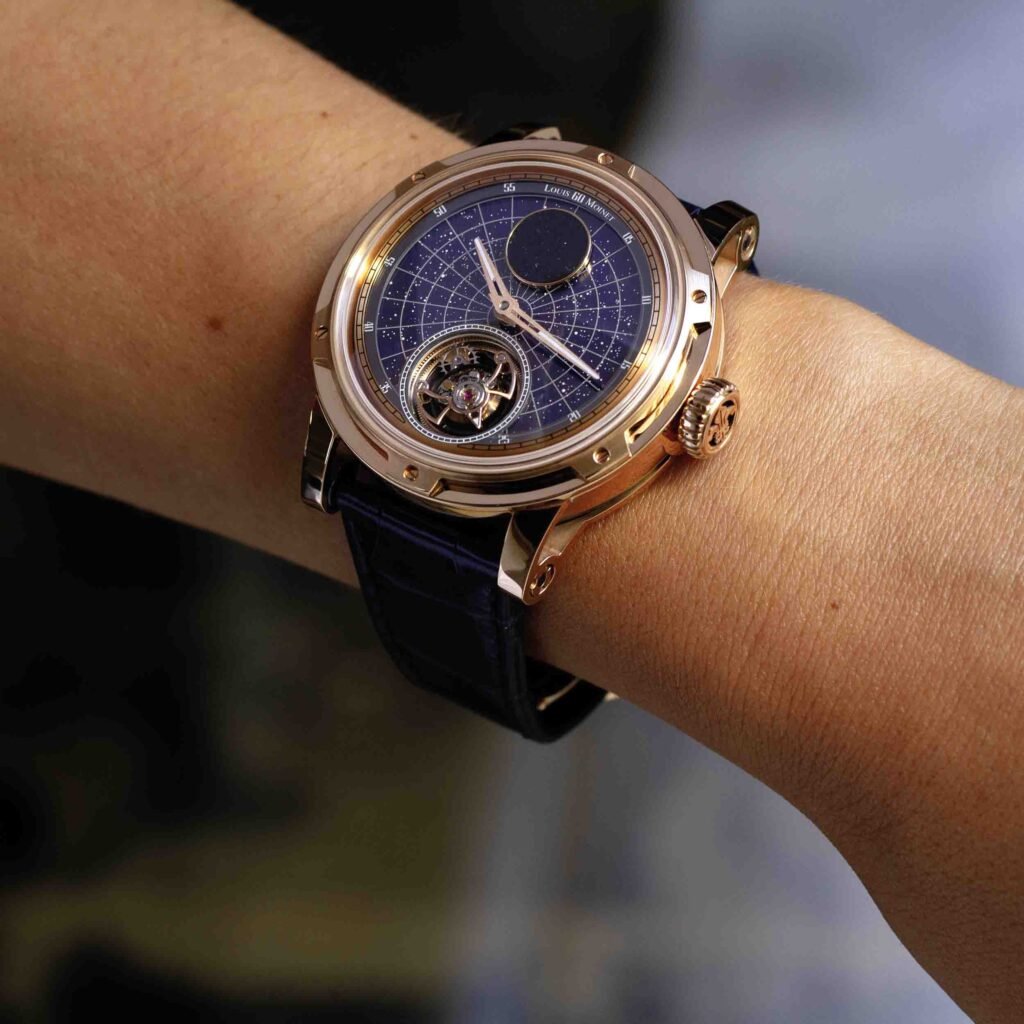
Louis Moinet’s STARMAN brought a more celestial sensibility to Geneva, using an 18-carat white gold case and a dial that layers Gibeon meteorite with a hand-painted map of the heavens.
Its most personal feature is the ability to configure the solar system to reflect the planetary alignment of a client’s chosen moment.
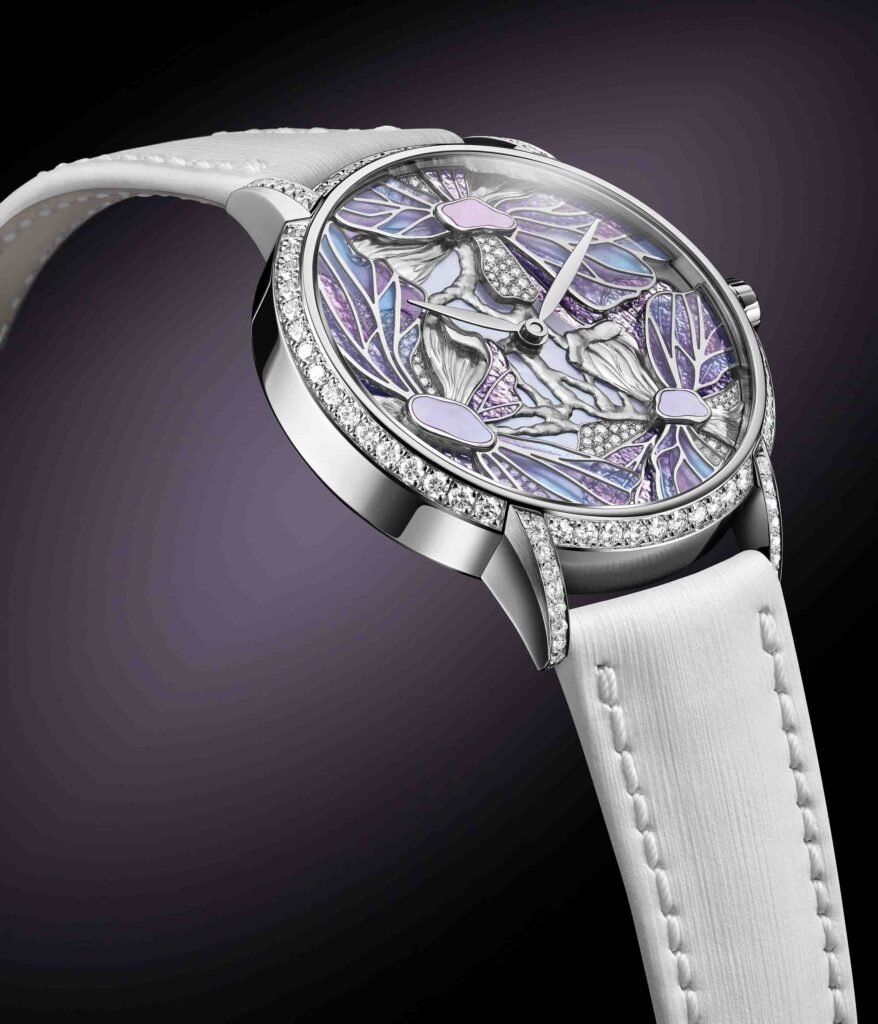
That takes personalisation beyond initials, colours or engraving and turns the watch into a private astronomical marker.
Marco Tedeschi’s MT1.1 Le Tourbillon 7 Jours went in the opposite direction aesthetically, stripping the case language back so the movement could lead.
The winding crown sits on the back, while a discreet pusher at 3 o’clock handles time-setting, preserving the purity of the case profile.
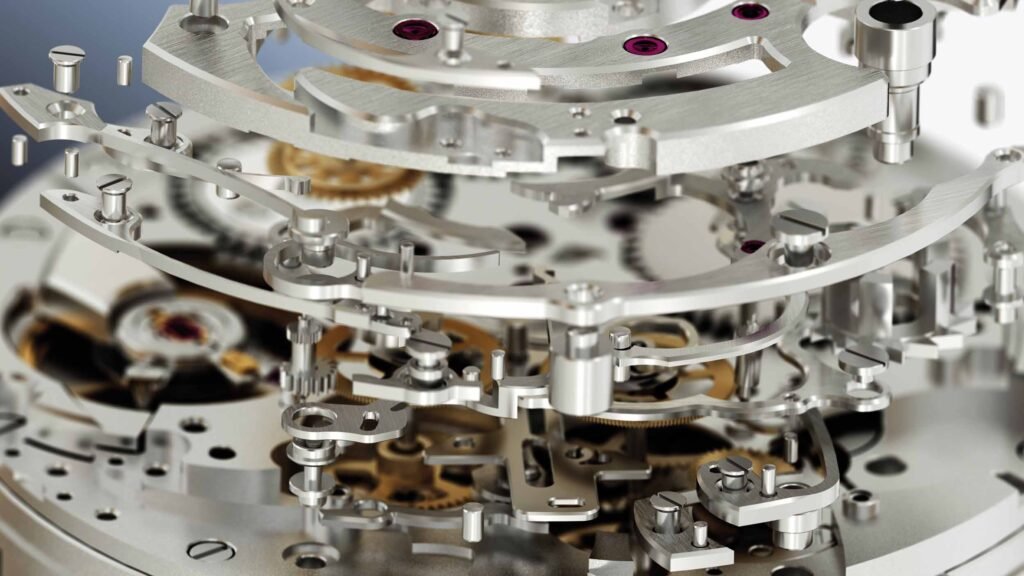
A single oversized barrel at 12 o’clock provides a seven-day power reserve, balanced visually by a flying tourbillon at 6 o’clock.
With black titanium, tantalum and 5N gold in the material mix, the watch feels technical without becoming aggressive.
ID Genève continued to push another conversation entirely with the Circular Choco-Too-Late, placing circular thinking at the centre of its watchmaking proposition.
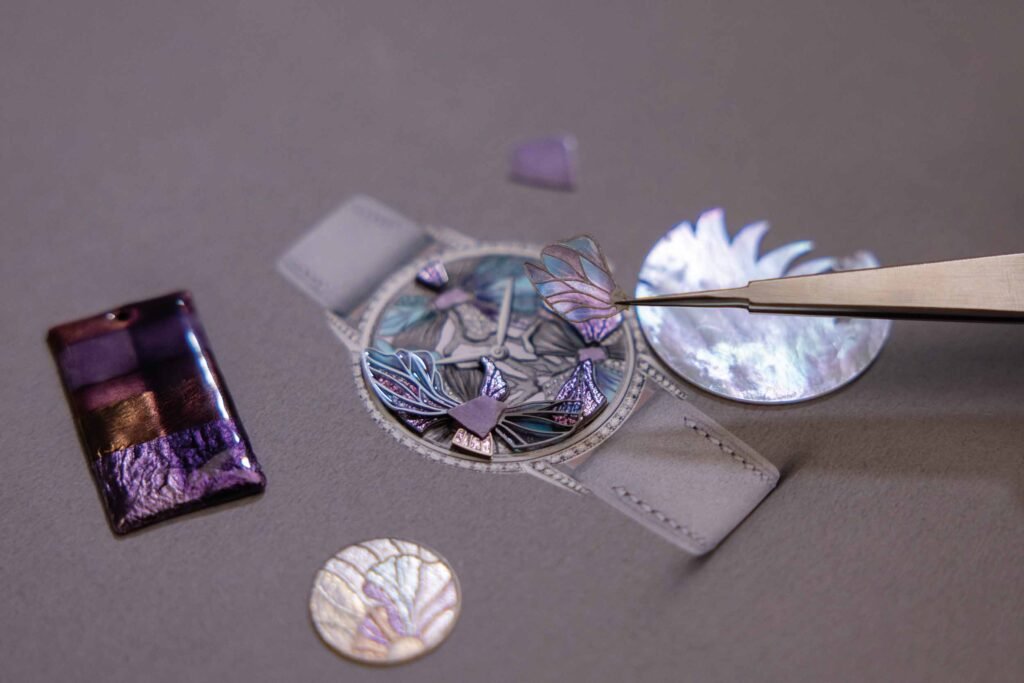
Backed by impact-driven investors including Leonardo DiCaprio, the brand’s relevance lies in how it frames a watch as an object shaped by responsibility as much as by design.
Details & Specifications
| Gérald Charles Masterlink Perpetual Calendar | In-house asymmetrical calibre, day, date, month, moon phase and leap year display, 100-metre water resistance, transparent case back with Geneva-inspired decoration |
|---|---|
| Parmigiani Fleurier TONDA PF Chronographe Mystérieux | Concealed chronograph display, calibre PF053, 362 components, integrated column-wheel chronograph, triple-clutch system, 60-hour power reserve |
| Ferdinand Berthoud Mesure du Temps 1787 Chapter I Chronomètre FB 2TV.1 | Collector-led wristwatch concept, visible movement architecture, marine chronometer inspiration, 60-hour power reserve, limited production |
| Louis Moinet STARMAN | 47.4mm 18-carat white gold case, engraved stellar trajectories, Gibeon meteorite dial, hand-painted celestial map, personalised planetary alignment |
| Marco Tedeschi MT1.1 Le Tourbillon 7 Jours | Flying tourbillon, seven-day power reserve, oversized barrel at 12 o’clock, rear winding crown, time-setting pusher at 3 o’clock, black titanium, tantalum and 5N gold |
| ID Genève Circular Choco-Too-Late | Circular-design watchmaking approach, supported by impact-driven investors including Leonardo DiCaprio |
What stood out in Geneva was not a single dominant style, but a shared confidence among maisons that know exactly what they want to say.
In a market often drawn to noise, the strongest watches of 2026 made their point through proportion, purpose and the kind of detail that rewards a longer look.