The Watch Awards 2026 shortlist has landed, and it’s a broad snapshot of where watchmaking is right now.
There are tool watches with genuine depth ratings, slim dress pieces built around craft, heavyweight chronographs, inventive travel watches and an open Readers’ Choice vote that will decide the overall Watch of the Year.
For collectors, enthusiasts and anyone who’s been following the year’s releases, it’s a chance to weigh technical ambition against real-world appeal.
At a glance
- The Watch Awards 2026 shortlist is open for voting across nine categories plus an open Readers’ Choice vote.
- Confirmed standouts include the Grand Seiko SLGB023 diver, Daniel Roth Extra Plat Rose Gold Gilt, Audemars Piguet Royal Oak Jumbo Extra Thin Chronograph RD5 and MING 57.05 Comet.
- Voting is limited to once in each category, while Readers’ Choice will determine the overall Watch of the Year.
A dive category with real technical range
The dive watch field is especially strong this year, mixing mainstream names with enthusiast favourites and a few left-field entries.
Longines is represented by the refreshed HydroConquest Ref. L3.788.4.06.6, a 42mm steel diver with a lacquered green dial, ceramic bezel, 300m water resistance and the silicon-sprung L888.5 calibre with a 72-hour power reserve.
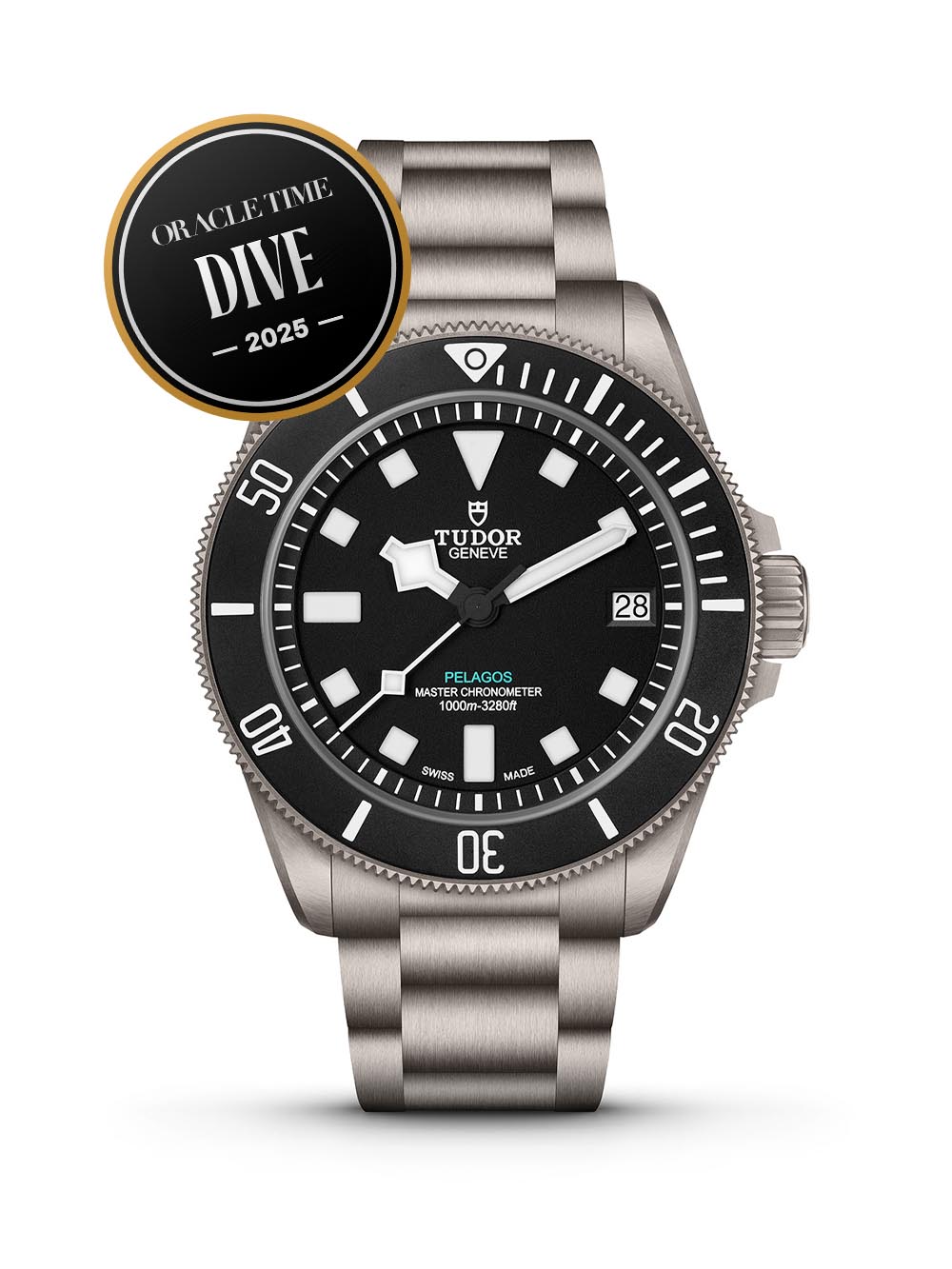
Tudor’s Black Bay 58 Ref. M7939A1A0NU-0001 brings a slimmer 39mm case measuring 11.7mm thick, 200m water resistance and the Master Chronometer MT5400-U calibre.
Grand Seiko’s Evolution 9 SD U.F.A. Ushio 300 Diver Ref. SLGB023 may be the most technically distinctive of the group, pairing a 40.8mm titanium case with Spring Drive, 300m water resistance and U.F.A. accuracy rated to ±20 seconds a year.
Hanhart enters unfamiliar territory with the Aquasphere Matte Black Ref. 777.210-6428, a 42mm steel diver with a black ceramic bezel, helium escape valve and 300m rating from a brand more commonly associated with pilots’ watches.
Doxa’s Sub Ti takes the familiar Sub 300 format into grade 5 titanium, with a 42.5mm case, COSC-certified Sellita SW200-1 movement, 300m water resistance and five signature dial colours.
Christopher Ward’s C60 Trident Lumière “Green Fifteen” x Bark & Jack adds a collaborative note, using a 41mm titanium case, COSC SW300-1 calibre and a bezel whose first fifteen minutes glow green.
Certina pushes furthest on depth rating with the DS Super PH2000M, a 43mm titanium extreme diver rated to 2,000m with a luminous ceramic bezel, DS Concept shock protection and an 80-hour Powermatic 80.611 movement.
Panerai’s Submersible PAM01756 is notable for being the first 44mm Submersible on a steel bracelet, combining a black dial, blue ceramic bezel, 500m water resistance and the three-day P.980 movement.
Dress watches lean into hand craft
The dress watch shortlist is a reminder that the category is no longer just about being thin and discreet.
Grand Seiko’s SBGW325 9S keeps things traditional in proportion, with a 37.3mm steel case, indigo-navy dial, hand-wound Calibre 9S64 and a 600-piece production run.
Daniel Roth’s Extra Plat Rose Gold Gilt takes the opposite route, using the brand’s double-ellipse case in 5N rose gold, an electroplated gilt dial over guilloché and the hand-wound DR002 movement in a watch measuring 7.7mm thick.
Serica’s Parade 1174 gives the category a more architectural profile, with a lugless stadium-shaped steel case, sandwich construction, 8.2mm thickness, 100m water resistance and a Soprod M100 automatic movement.
Patek Philippe is present with the Calatrava White Gold Ref. 5227G-015, a 39mm white-gold model with a hinged dust cover, rose gilt-opaline dial and calibre 26-330 S C.
Petermann Bédat’s 1825 brings artisanal weight to the shortlist through a 38mm rose-gold case, translucent green grand feu enamel dial and in-house Calibre 233.
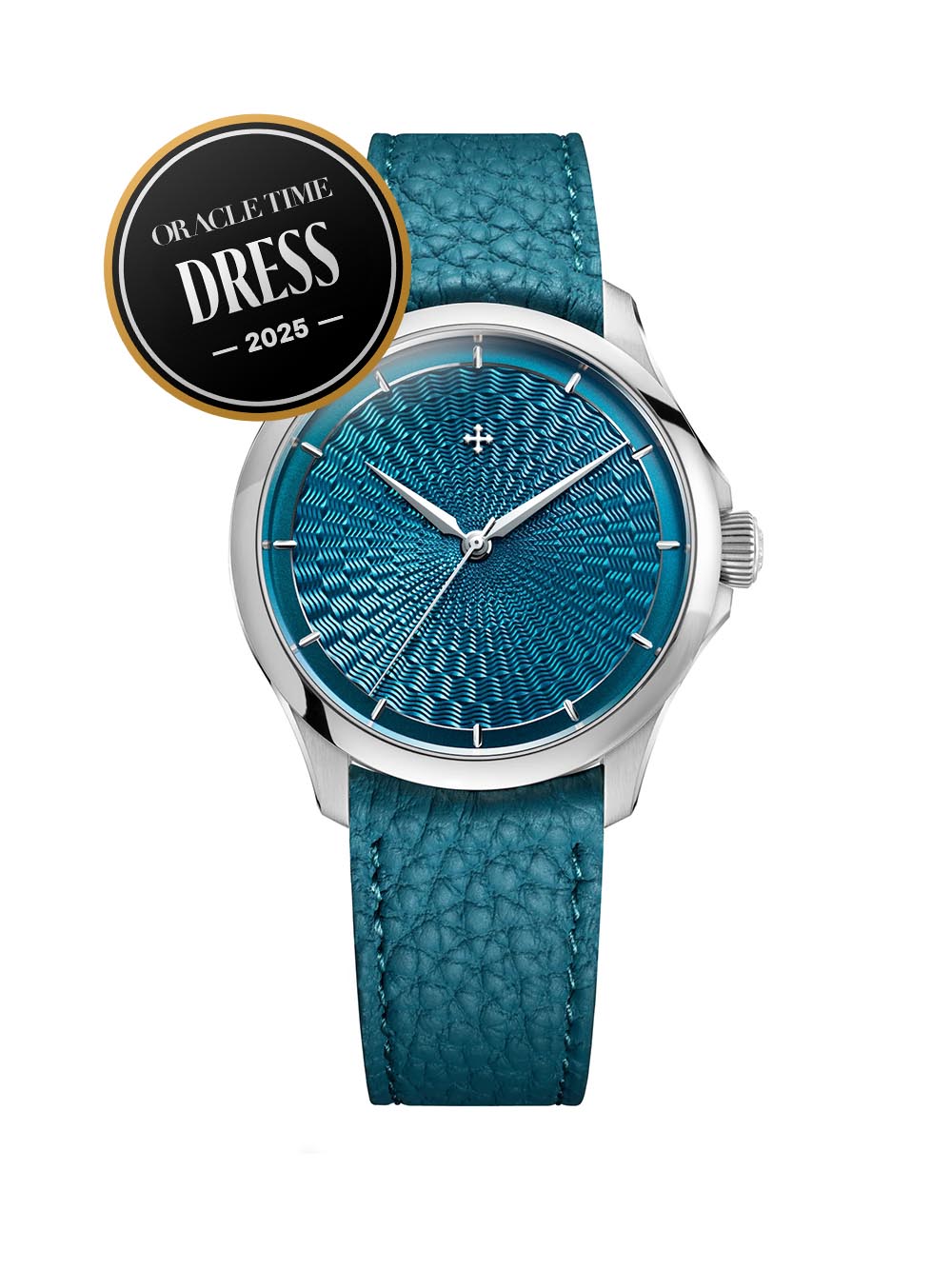
Venezianico’s Redentore Levius upgrades the brand’s dress watch formula with a 38mm titanium case, hand-engraved blue guilloché dial and Italian-made V5000 calibre with a 60-hour reserve.
The revived Universal Genève Polerouter Date Brown also carries serious historical resonance, returning in a 39mm rose-gold case with a brown sunray dial and UG-110 micro-rotor automatic movement.
Zenith closes the category with the G.F.J. Calibre 135 x Naoya Hida & Co., a 10-piece platinum edition measuring 39.5mm and housing the observatory calibre 135 beneath a silver co-signed dial.
Chronographs show the widest spread of ideas
The chronograph category moves from accessible icons to rarefied independents and experimental high complication work.
Omega’s Speedmaster Professional Ref. 310.30.42.50.01.004 brings the familiar Moonwatch architecture into reverse-panda territory, with a 42mm steel case, black lacquered dial, ceramic bezel and manually wound Master Chronometer calibre 3861.
Parmigiani’s Tonda PF Chronographe Mystérieux is more discreet, hiding its chronograph hands until the monopusher is engaged and using the automatic flyback calibre PF053 inside a 40mm Tonda PF case.
Tudor’s Black Bay Chrono 39 Ref. M79310N-0001 compresses the brand’s chronograph into a 39mm steel case, pairing a yellow dial with black counters, 200m water resistance and the COSC-certified column-wheel MT5813.
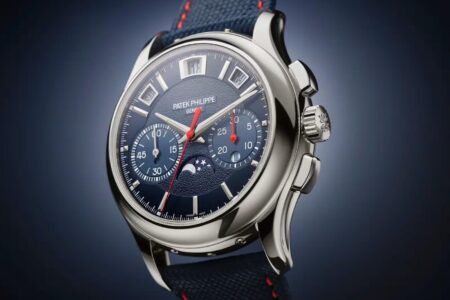
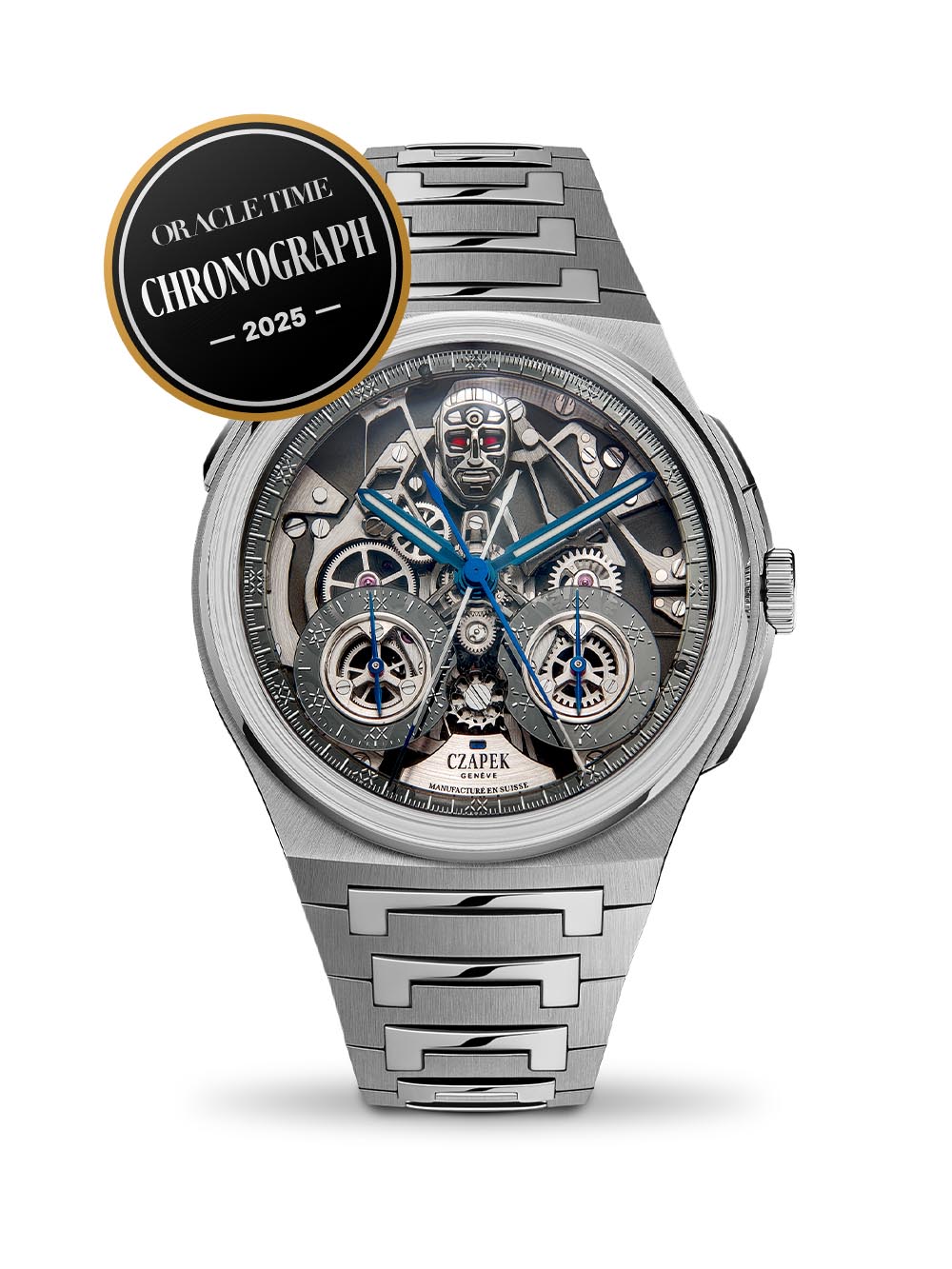
Audemars Piguet’s Royal Oak Jumbo Extra Thin Chronograph RD5 is among the most technically ambitious entries, combining a 39mm titanium case measuring 8.1mm thick with a flyback chronograph and flying tourbillon in a 150-piece run.
Angelus takes a more instrument-led approach with the Instrument de Mesures, a 39mm steel monopusher chronograph with telemeter, pulsometer and spiral tachymeter scales, powered by the manual-winding column-wheel A5000 and limited to 50 pieces.
Breitling’s Top Time B01 Chronograph 41 Tribute to Aston Martin DB5 adds a motoring angle, using a 41mm cushion case, wooden rehaut, gauge-style counters and the COSC-certified B01 movement.
Rexhep Rexhepi’s Chronograph Flyback sits at the independent haute horlogerie end of the category, offered in platinum or rose gold with a 38.8mm case and grand feu enamel dial.
TAG Heuer’s Monaco Split-Seconds Chronograph Air 1 is another highly specialised contender, limited to 30 pieces with a lattice titanium case weighing 85g and the 5Hz column-wheel TH81-00 calibre.

Travel watches rethink the GMT brief
The travel category is no longer simply a contest between conventional GMT hands.
Christopher Ward’s C63 Sealander GMT keeps the formula clean with a 39mm steel case, orange GMT hand, fixed 24-hour bezel, 150m water resistance and Sellita’s 56-hour SW330-2 movement.
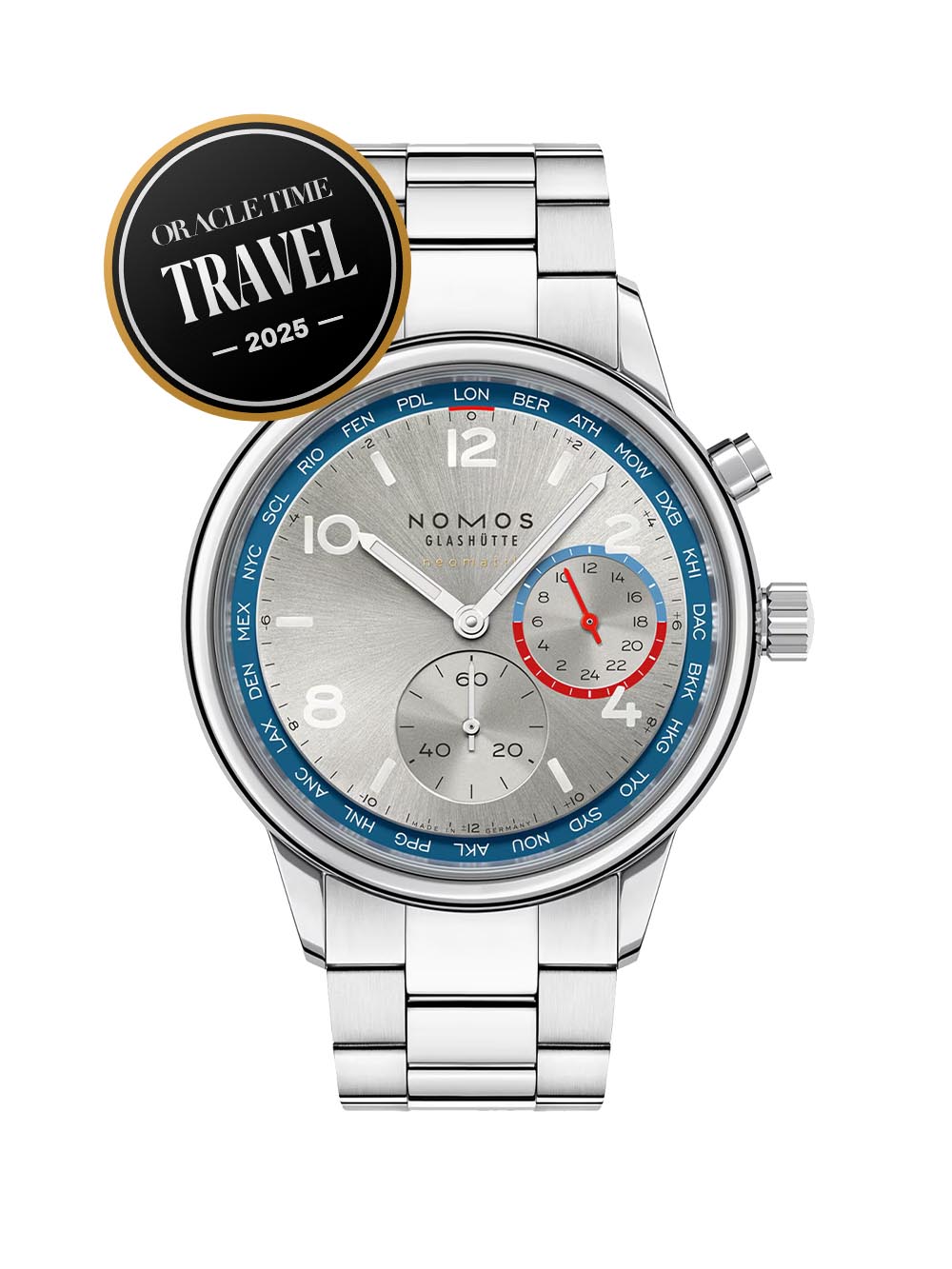
MING’s 57.05 Comet is one of the more original entries, using a patent-pending double bezel that can click daylight saving time cities forward by an hour on a 40mm worldtimer limited to 200 pieces.
Frederique Constant’s Worldtimer Manufacture offers a more classical interpretation, showing 24 cities in a 42mm steel case and allowing all functions to be set through the crown via the in-house FC-718 automatic.
Louis Vuitton and De Bethune take the most theatrical route with the LVDB-03 GMT Louis Varius, a 45mm blued-titanium GMT wristwatch paired with a companion clock that rewinds and synchronises the watch.
IWC’s Pilot’s Venturer Vertical Drive was created for the Haven-1 space station and removes the crown entirely, using the bezel for winding and setting while offering a 120-hour power reserve inside a 44.4mm ceramic case.
Vacheron Constantin’s Overseas Dual Time Cardinal Points South brings a high-watchmaking travel option, with a 41mm titanium case, brown dial and Geneva Seal calibre 5110 DT/3 as part of a four-piece Everest-inspired series.
Horage’s Molokini K2 adds practicality in a compact format, pairing a 38mm case measuring 9.65mm thick with a true GMT, big date, 200m water resistance and COSC-certified K2 micro-rotor movement.
Tudor’s revived Northflag enters as a 40mm steel true GMT with a yellow 24-hour hand and the 65-hour METAS Master Chronometer calibre MT5652-U.
How the Watch of the Year will be decided
The wider ballot covers nine categories in total, including dive, dress, chronograph, travel complication, field and pilot’s, microbrand, accessible under £1,000, high complication and integrated bracelet.
Voters can cast one vote in each category, which keeps the category results focused while still leaving room for a broader favourite.
That broader favourite comes through Readers’ Choice, an open category where any watch can be selected, whether it appears on the shortlist or not.
The Readers’ Choice winner becomes the overall Watch of the Year and will appear on the December magazine cover.
What makes this year’s field compelling is the lack of a single dominant mood.
Some watches win attention through engineering, others through restraint, finishing, historical continuity or sheer originality, which is exactly why the final vote should be interesting.