Volkswagen is stepping back from one of the car industry’s most divisive interior trends.
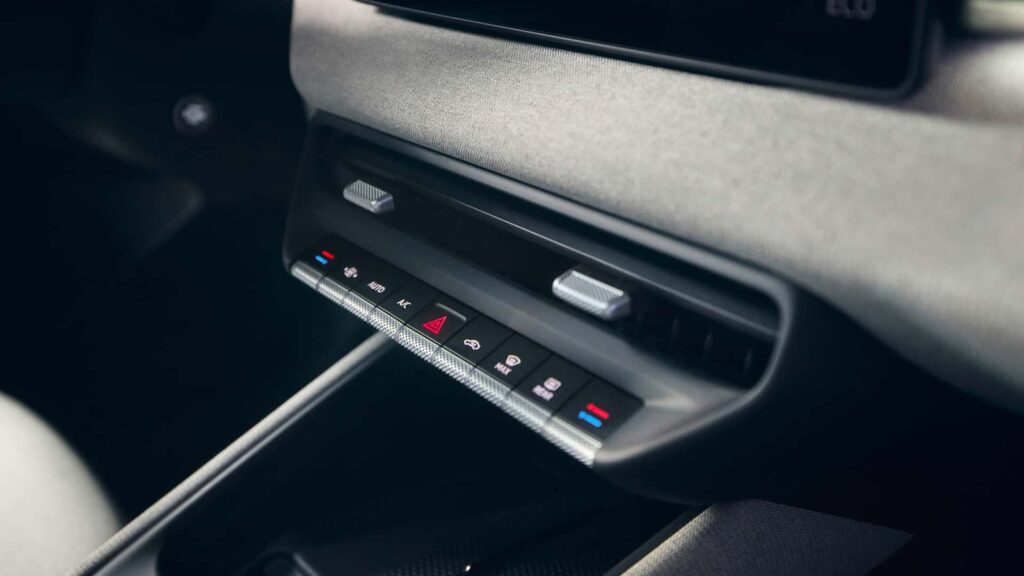
After years of pushing touch-sensitive sliders and minimalist control layouts, the brand is bringing more physical switches back into its cabins, joining Audi and Mercedes-Benz in acknowledging that not every function belongs behind a screen or glossy touch panel.
For drivers, it’s a small change with a very practical impact.
At a glance
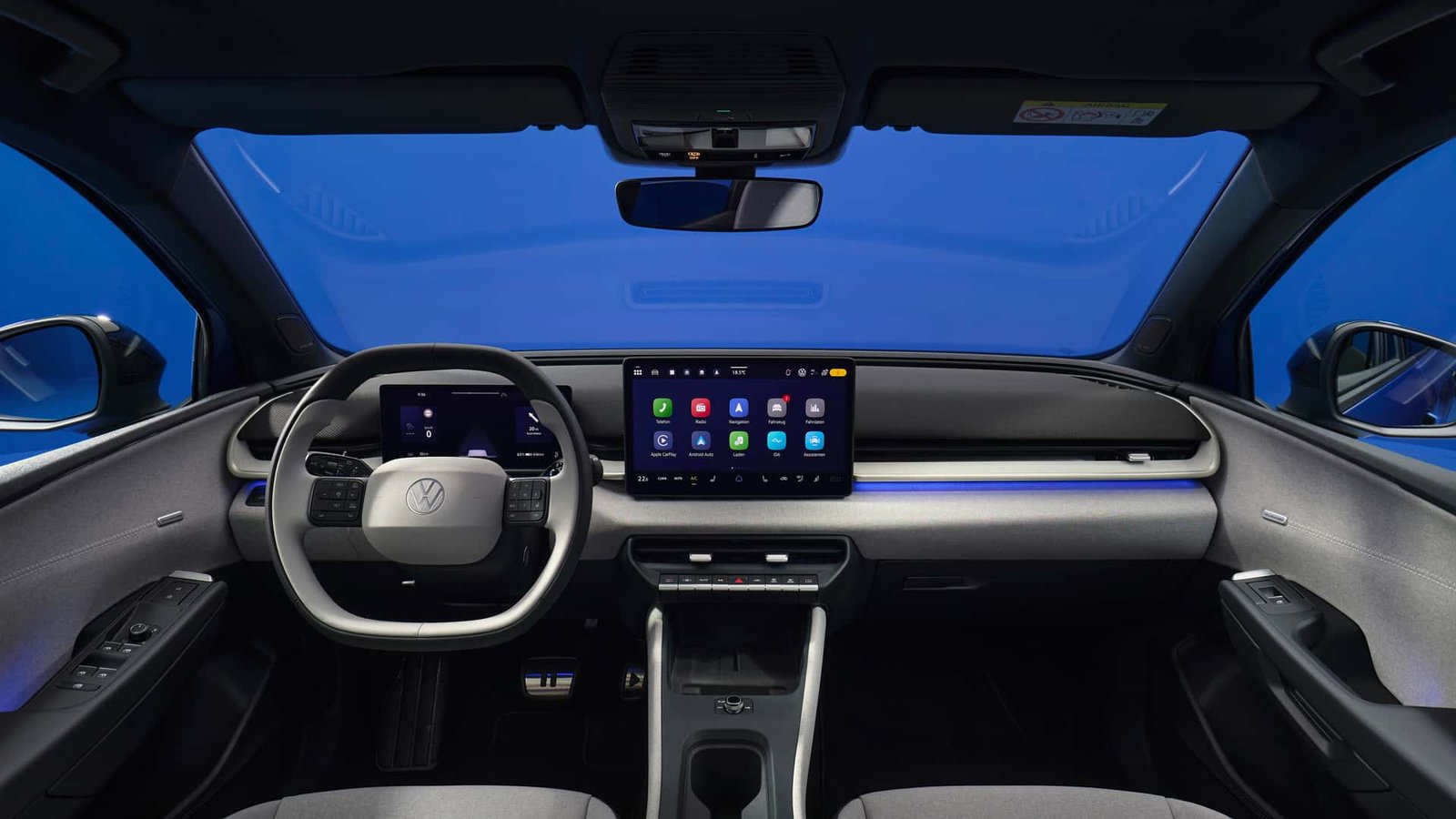
- Volkswagen is reintroducing physical buttons and switches in several newer models.
- The ID.3 Neo removes unpopular temperature and volume sliders, while the ID. Polo and ID. Cross use individual window switches.
- The move reflects customer demand for simpler controls in electric vehicles, rather than more futuristic cabin interfaces.
Volkswagen moves away from touch-only interiors
The shift is already visible in Volkswagen’s latest products.
The ID.3 Neo brings back more conventional buttons and does away with the temperature and volume sliders that became a frequent frustration point for many drivers.
The ID. Polo and ID. Cross also return to individual switches for the windows, rather than relying on touch-sensitive surfaces for a function people use without thinking.
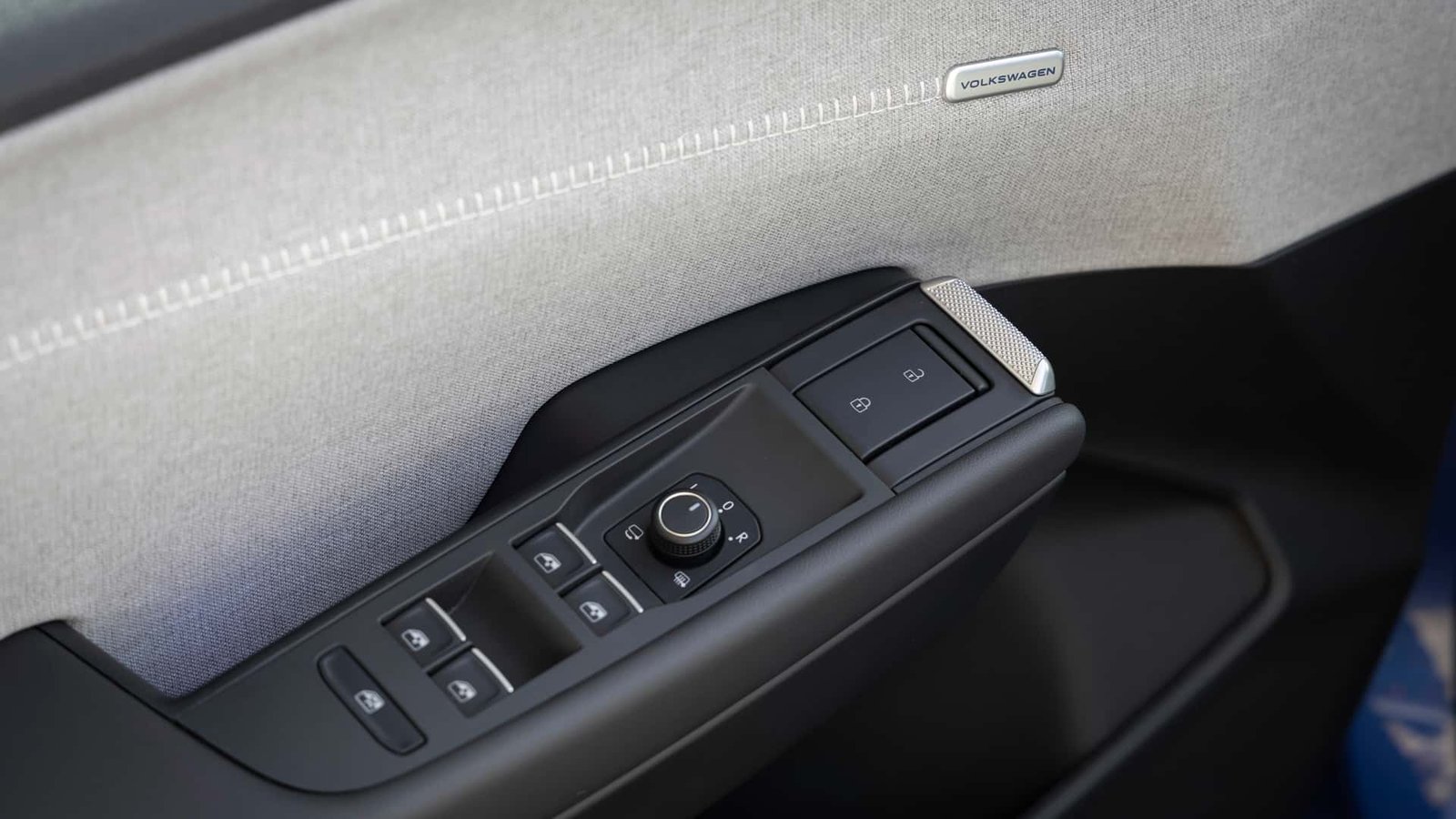
That last detail matters because window switches, volume adjustment and climate controls are muscle-memory features.
When a driver has to look down, tap twice or swipe carefully to do something basic, the cabin may look cleaner, but it can feel less intuitive in daily use.
The lesson from Volkswagen’s electric era
Volkswagen’s internal thinking was shaped by the wider industry mood around electric vehicles.

As EVs moved into the mainstream, many carmakers treated the cabin as a chance to signal a completely new type of mobility, often through large screens, smooth surfaces and fewer traditional controls.
Andreas Krepp, Volkswagen’s Head of Quality Assurance, has offered a notably frank view of that period.
He explained that ideas which seem obvious in hindsight can look very different during development, especially when customer data is limited and brands are testing what buyers may want next.

In Volkswagen’s case, the assumption was that a new electric drivetrain should be paired with a more radical control layout.
The company has since learned that many EV buyers aren’t asking for a spaceship experience.
They want the quietness, efficiency and instant response of an electric powertrain, but they don’t necessarily want to relearn how to adjust cabin temperature or change the audio volume.

Why buttons still matter in modern cars
The return of physical controls isn’t a rejection of digital interiors.
Screens remain central to navigation, media, driver assistance settings and connected services, and that won’t change anytime soon.
The more important distinction is between functions that benefit from a screen and functions that work better through tactile feedback.

A physical knob or button can be found by touch, adjusted without a precise glance and used in poor light, on rough roads or while wearing gloves.
That makes it especially valuable for controls the driver uses often.
Volkswagen’s reversal also reflects a broader recalibration across the premium and mainstream car market.
Audi and Mercedes-Benz have already moved toward more user-friendly cabin layouts after years of pushing high-gloss panels and touch-heavy interfaces.
Volkswagen following the same path suggests the industry has reached a more mature phase in interior design, where digital technology has to serve usability rather than simply advertise modernity.
A more practical direction for the next VW cabins
The interesting part of Volkswagen’s decision is that it doesn’t feel nostalgic.
This isn’t about recreating old dashboards or abandoning the clean look of modern EV interiors.
It’s about putting the right kind of control in the right place.
For owners, that should mean cabins that still feel contemporary but are less distracting and easier to operate on the move.
For Volkswagen, it’s also a chance to rebuild trust around everyday ergonomics, an area where small annoyances can shape the entire ownership experience.
The industry spent years treating fewer buttons as a sign of progress.
Volkswagen’s latest move suggests a more useful idea is taking hold, where the best cabin isn’t the one with the fewest controls, but the one that makes the common ones effortless.