India is no longer a distant conversation in watchmaking.
As Swiss exports move through a more uneven cycle and China loses some of its former momentum, attention is shifting to markets with younger consumers, rising purchasing power and their own cultural confidence.
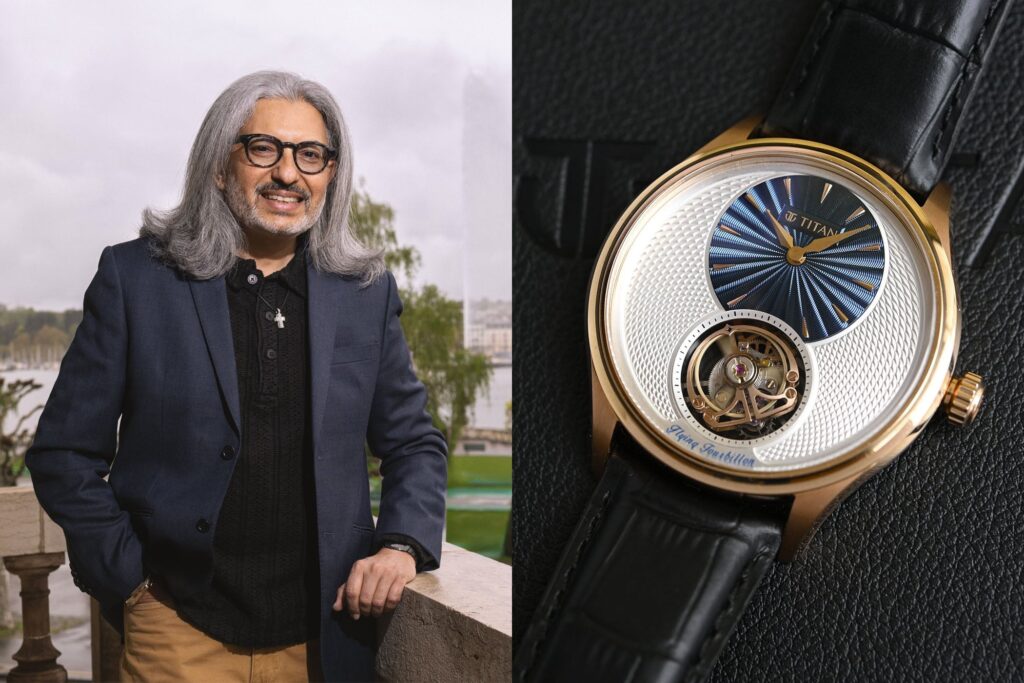
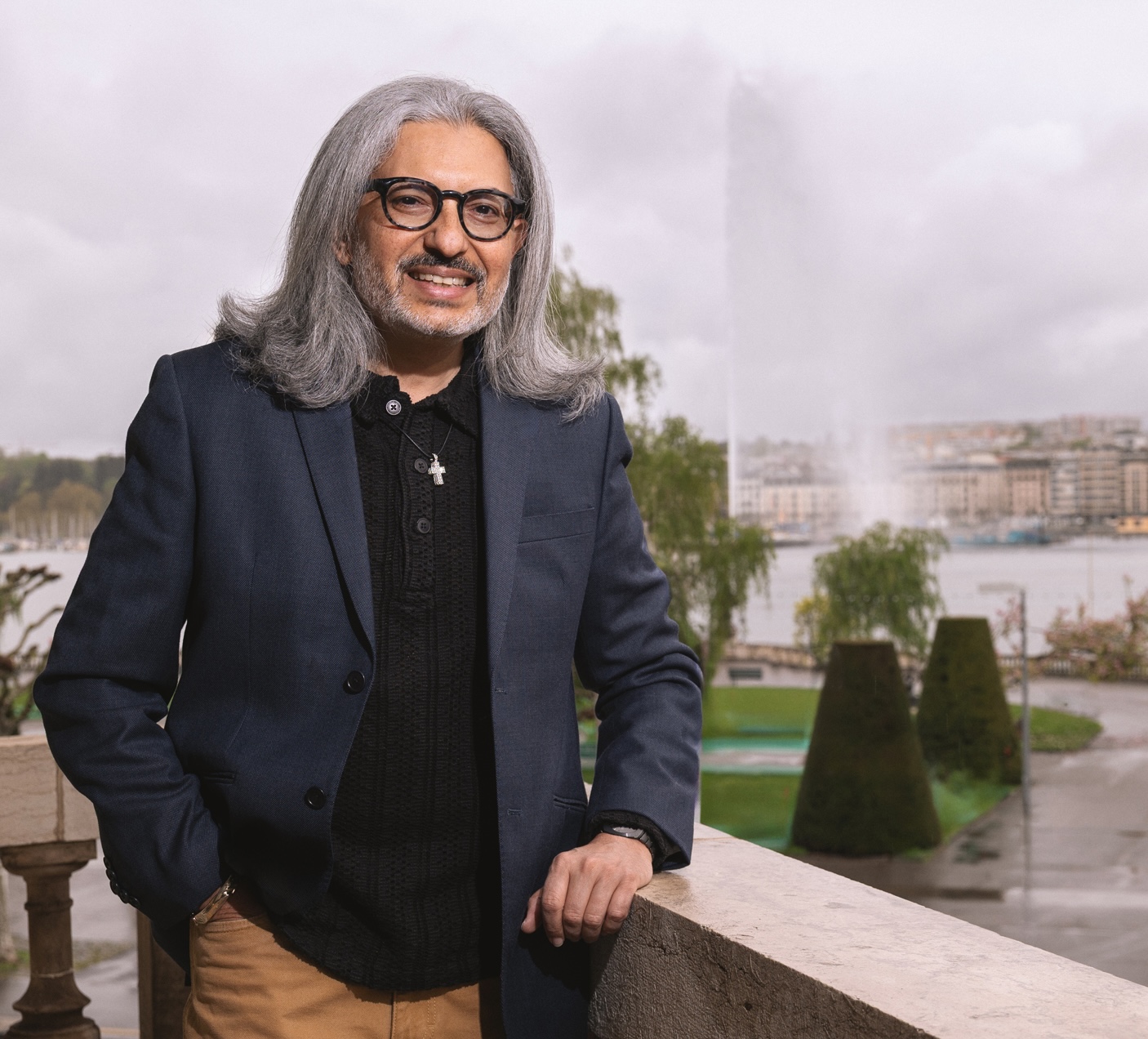
Few companies sit closer to that shift than Titan, the Tata Group watchmaker led by Kuruvilla “Diny” Markose.
At a glance
- Titan is positioning itself as a major Indian watchmaking group with brands spanning value, youth, women’s, premium and luxury segments.
- The company has built deep in-house capabilities in design, movement development, component manufacturing and case production in India.
- Markose’s long-term ambition is not to imitate Swiss watchmaking, but to build a globally respected Indian watchmaking identity.
A portfolio built around India’s many watch buyers
Titan’s scale comes from a brand architecture designed for a market that doesn’t behave as a single audience.
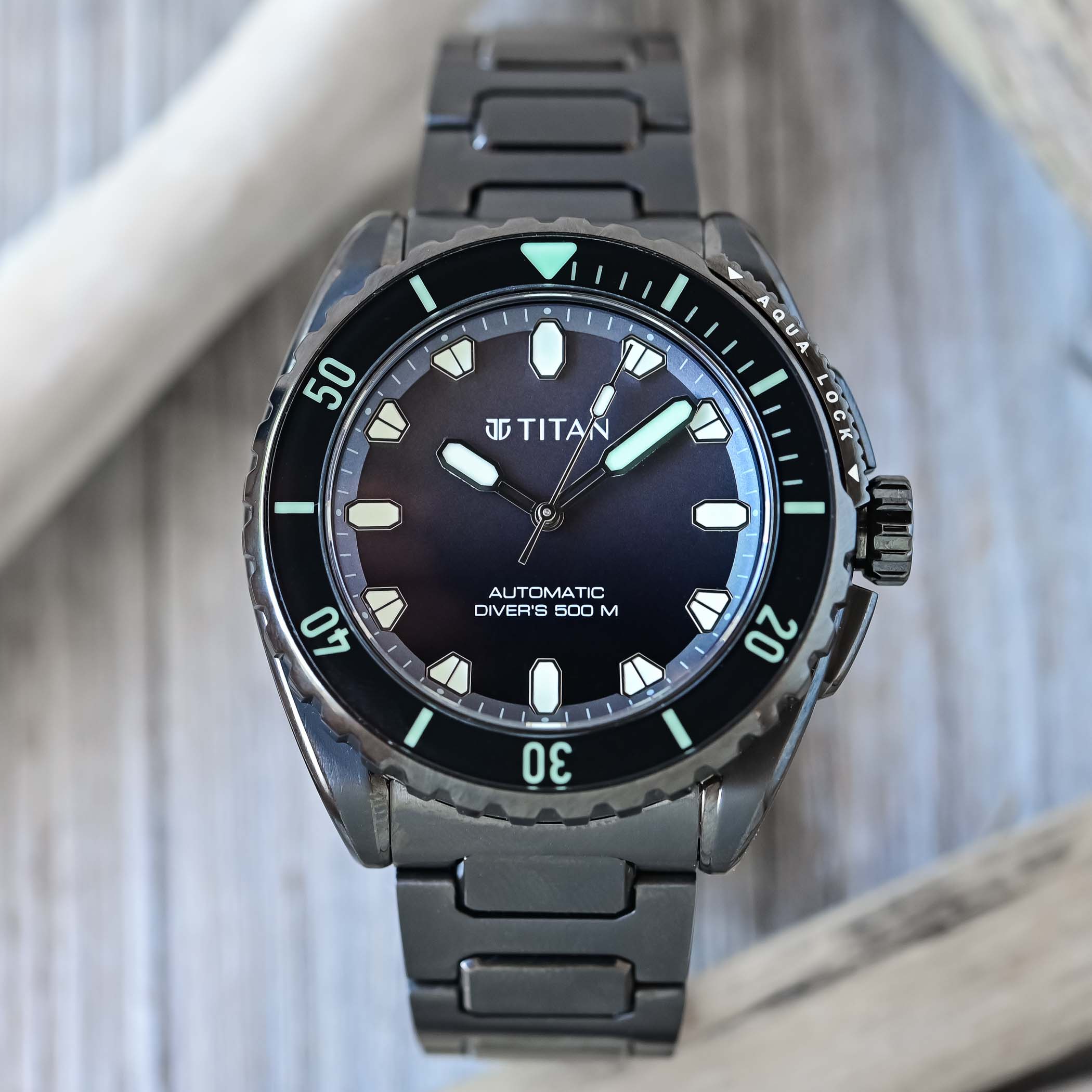
The flagship Titan brand sits in the mid-premium to premium space and carries much of the group’s contemporary Indian watchmaking ambition.
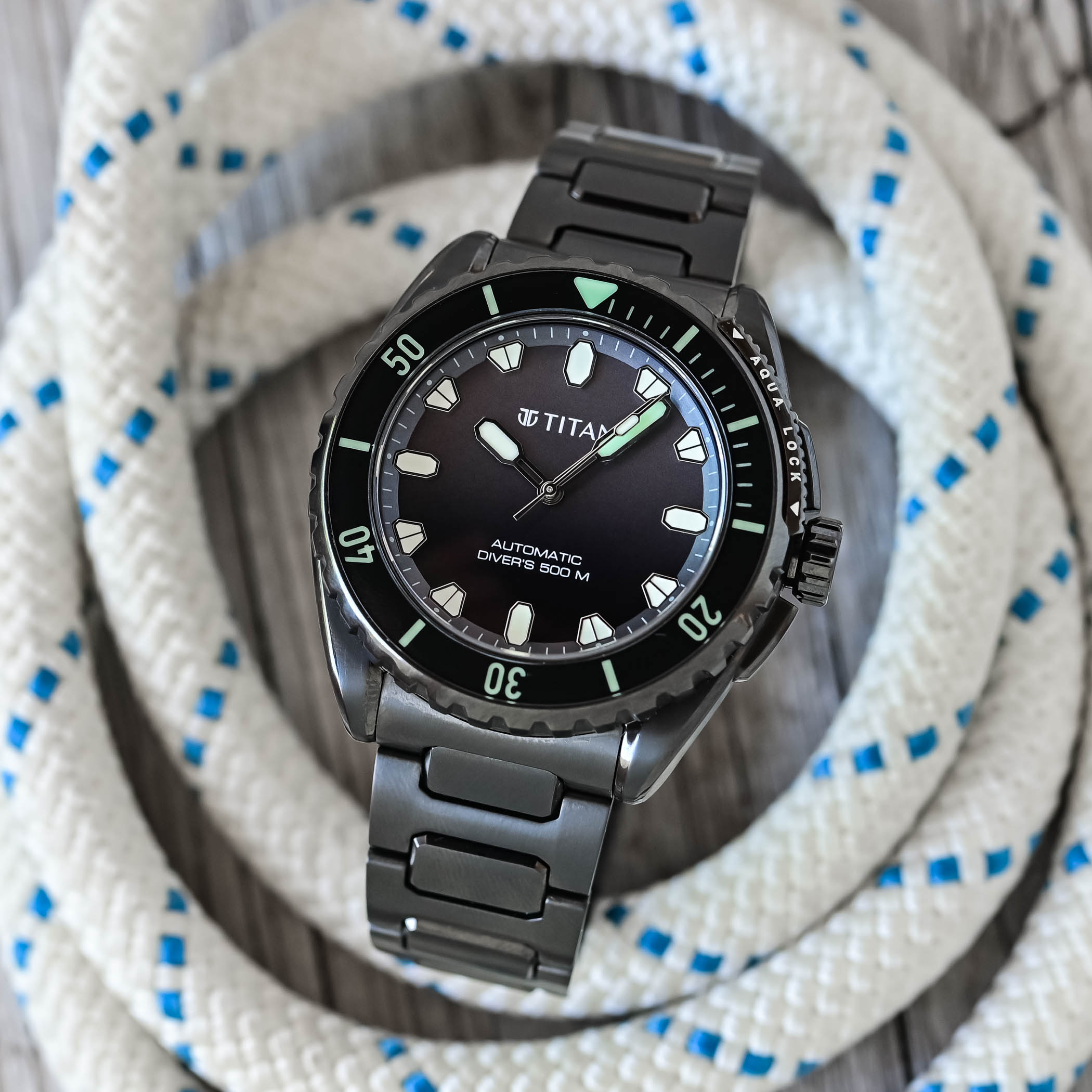
That now includes mechanical watches, automatics, professional dive watches, the Wandering Hour and India’s first tourbillon, with many of these pieces built around in-house movements.
Fastrack has a different job.
It speaks to younger buyers entering the category, with watches shaped around self-expression, fashion and youth culture rather than traditional collecting codes.
Raga is positioned as a women-first line, sitting between watches and accessories with an emphasis on feminine expression, glamour and daily wearability.
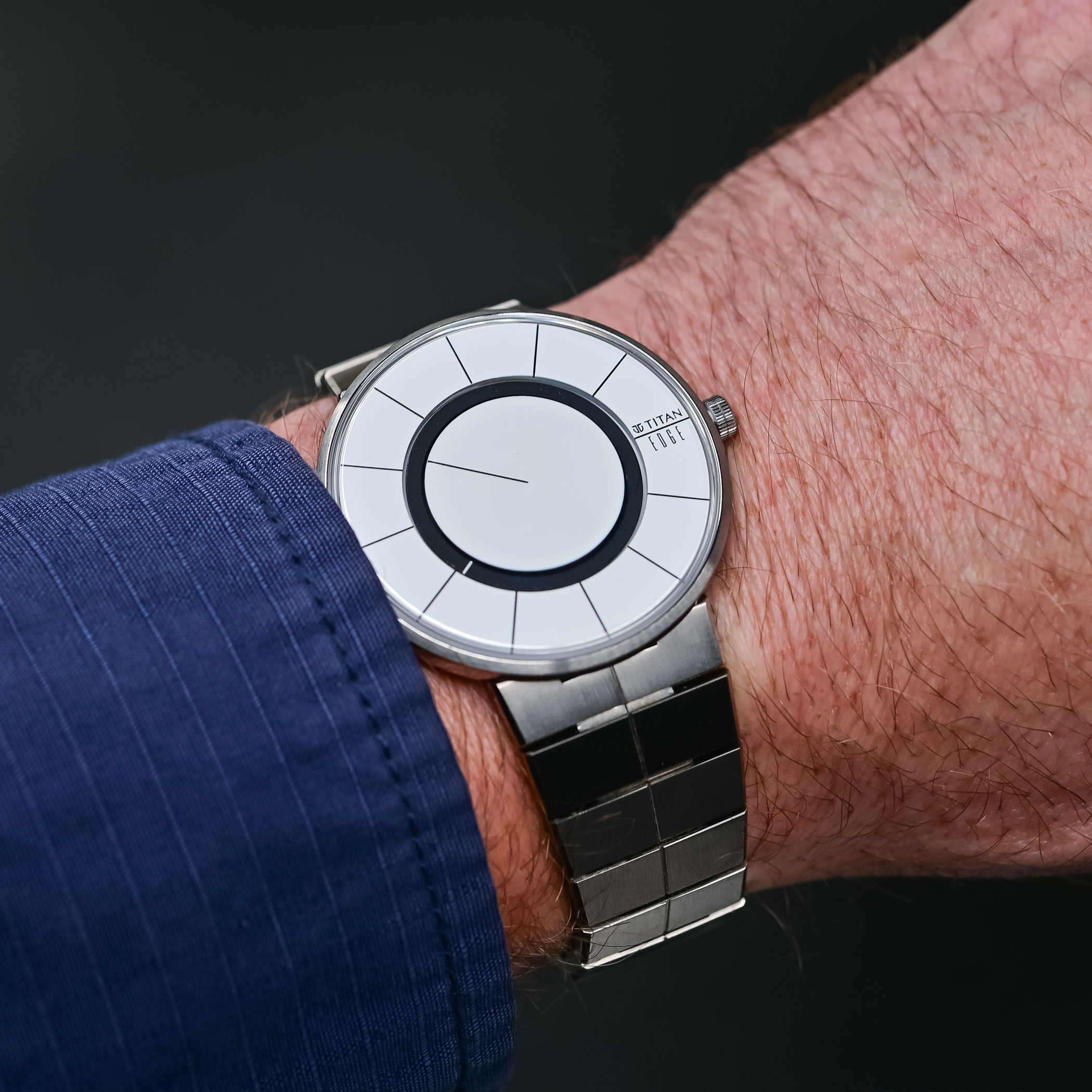
Edge is the more technical design statement within the group, built around ultra-thin movement platforms in quartz and mechanical form.
Its quartz platform, launched in 2002, used a 1.15mm-thick movement in a 3.5mm-thick watch and held its ultra-slim claim for eight years.
Xylys occupies a premium position with Swiss movements, refined finishing and a more international design language aimed at younger consumers looking for sharper sophistication.
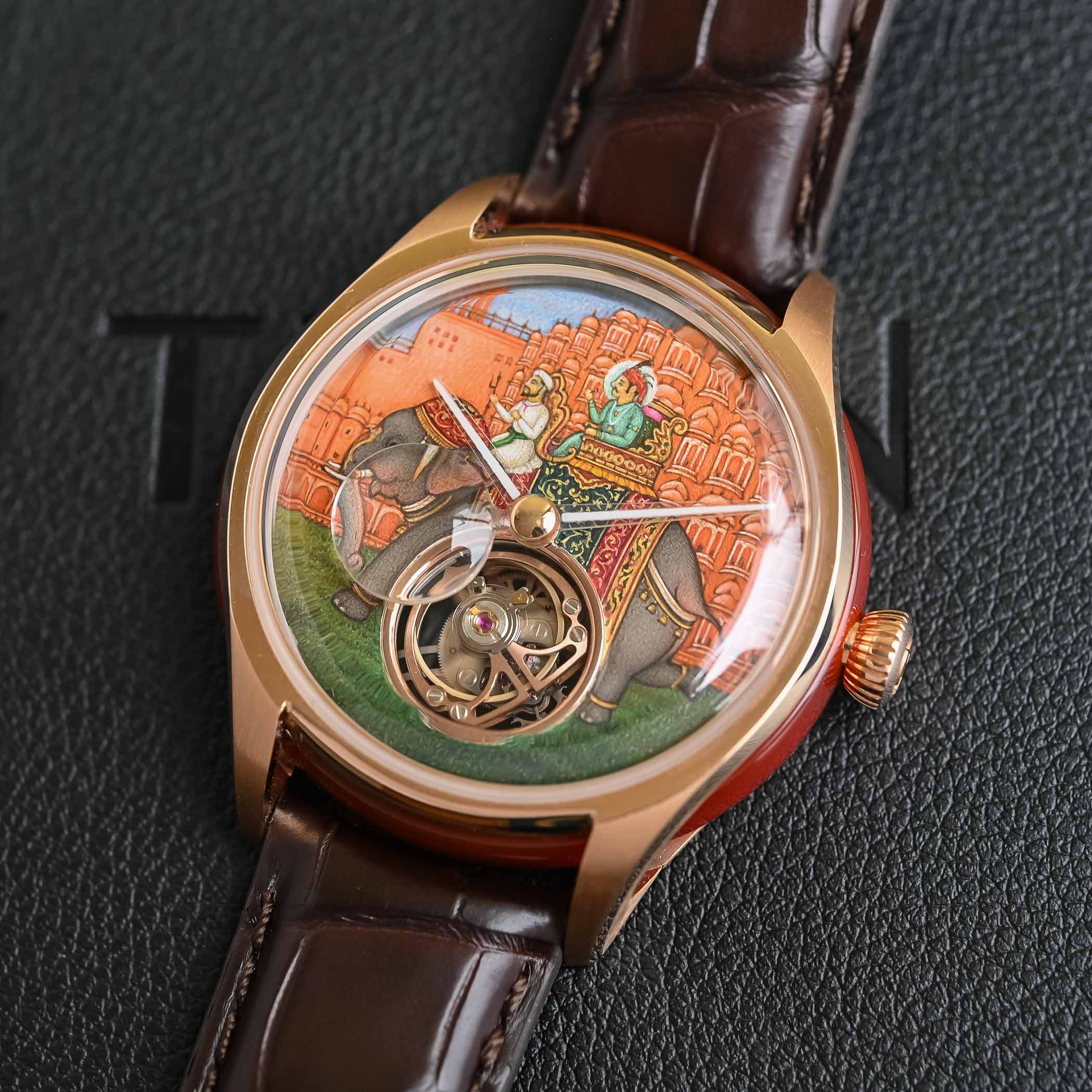
At the top sits Nebula, Titan’s luxury expression in 18k gold, where Indian heritage, jewellery-making techniques and high horology meet.
Sonata and Zoop extend the group’s reach into value-led watches and children’s watches, giving Titan a breadth few watch companies can match within one domestic market.
Manufacturing depth beyond assembly
Titan’s significance isn’t only retail scale or brand reach.
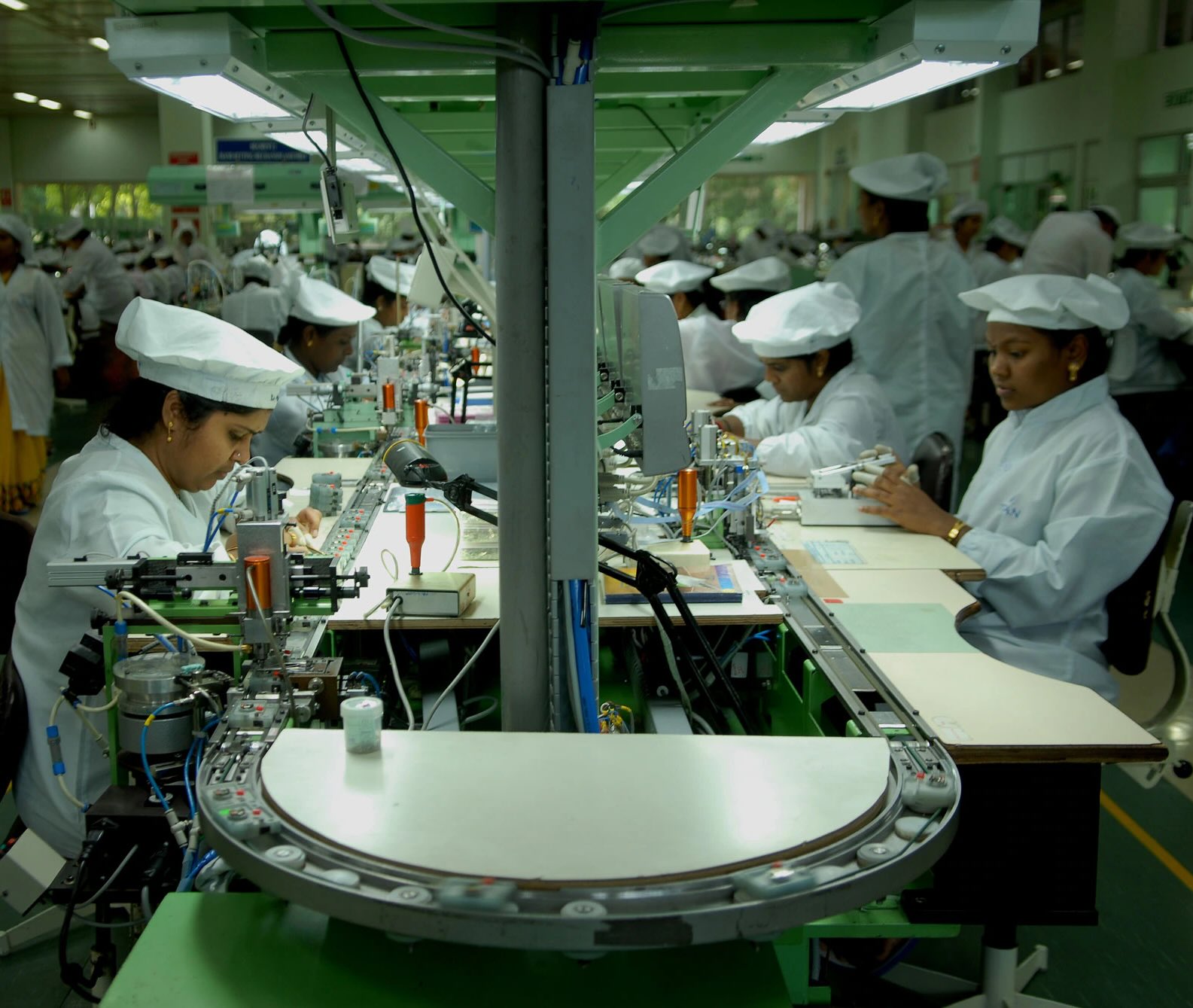
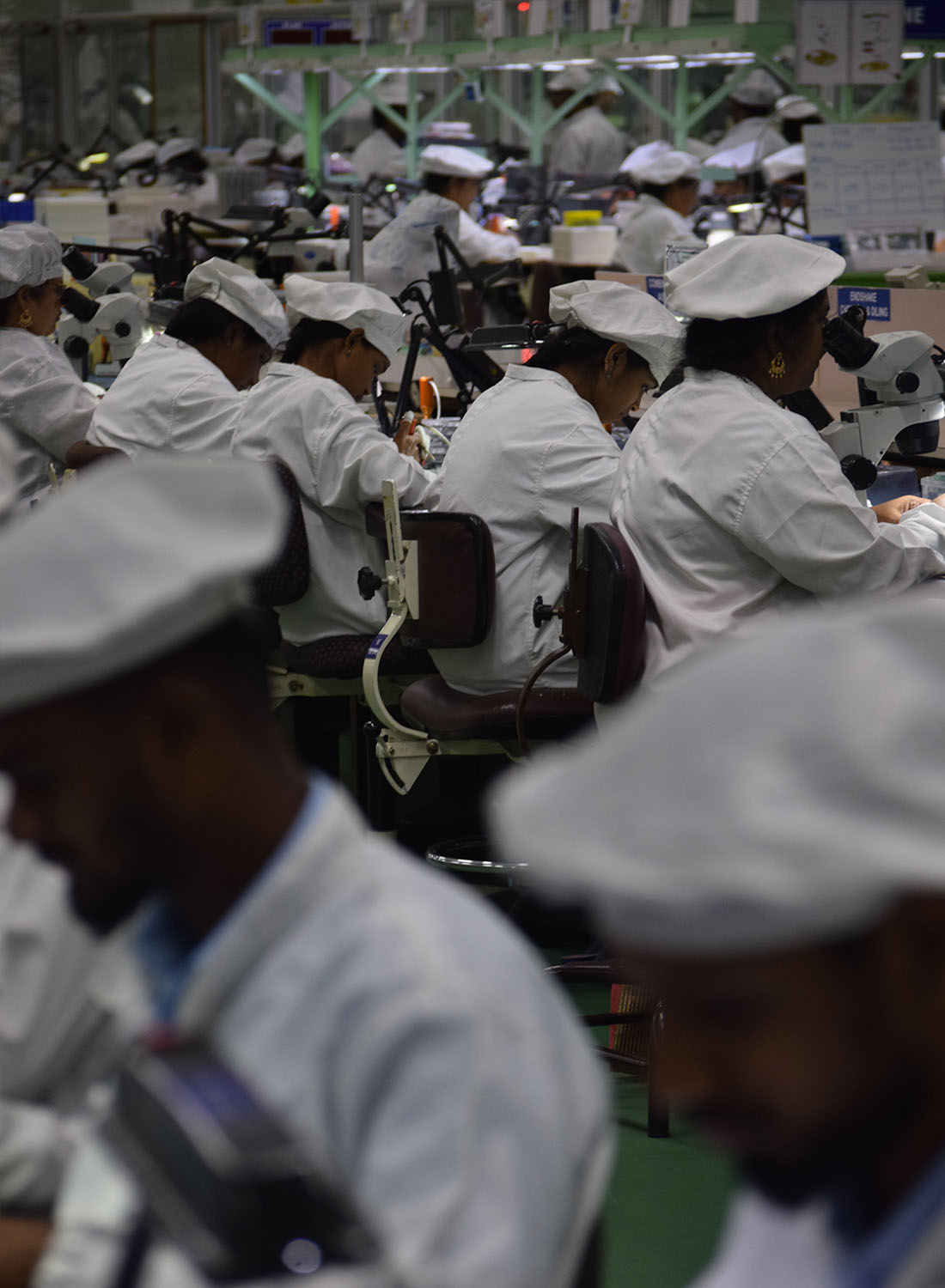
The company has spent four decades building a manufacturing base in India, with two manufacturing plants and three assembly units across multiple locations.
Its capabilities include movement design, movement component manufacturing, case manufacturing and polishing.
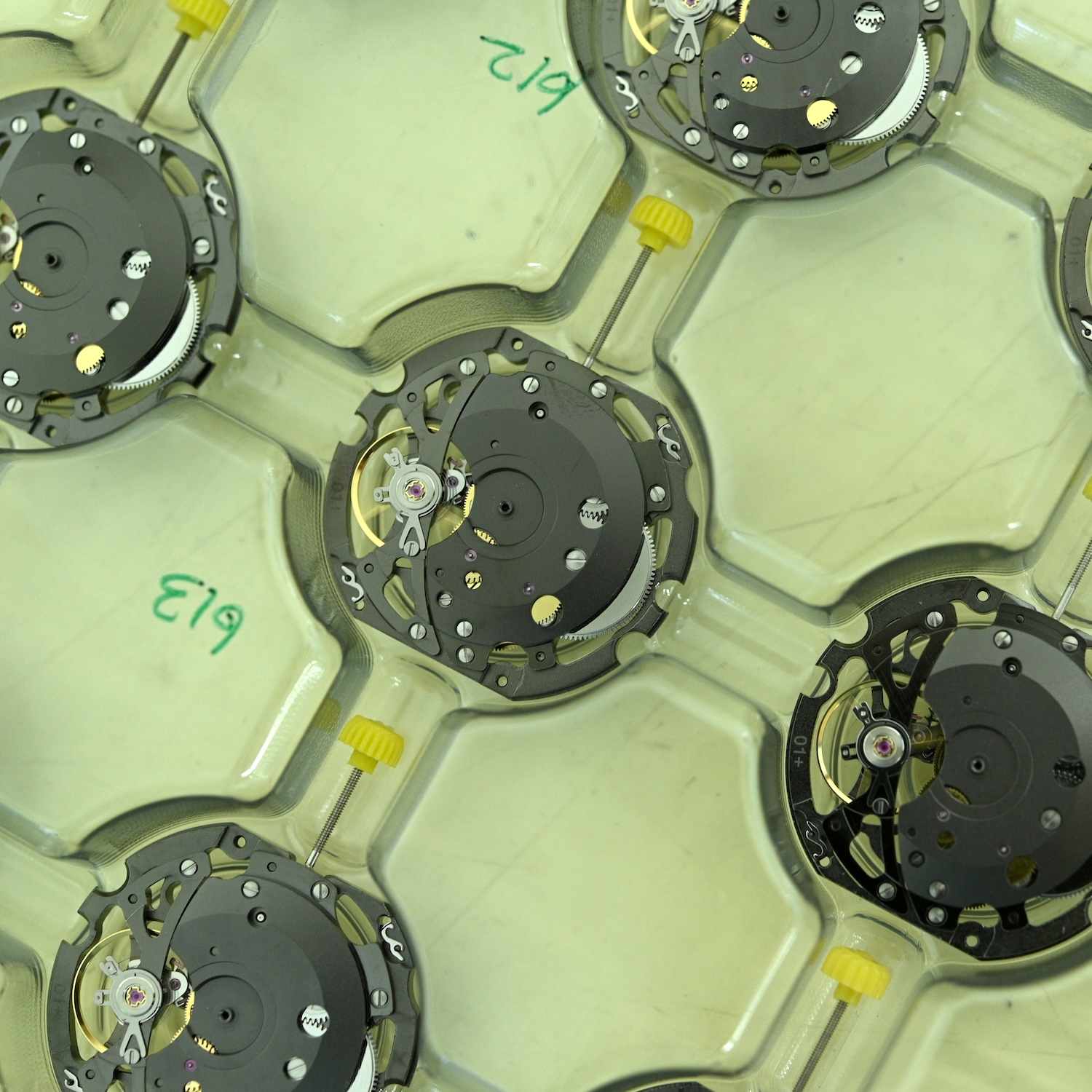
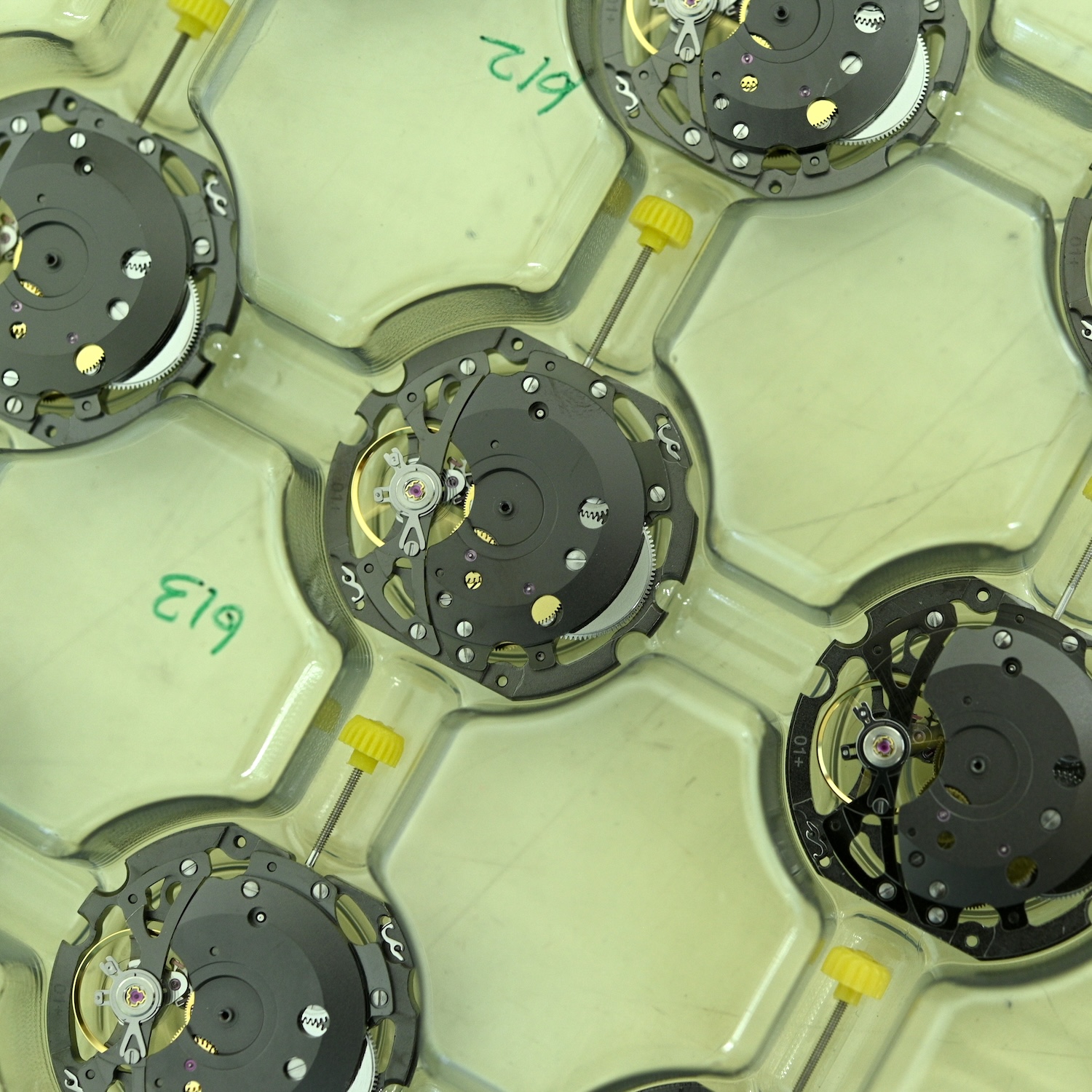
The group has developed a library of more than 150 in-house movements across quartz and mechanical watchmaking.
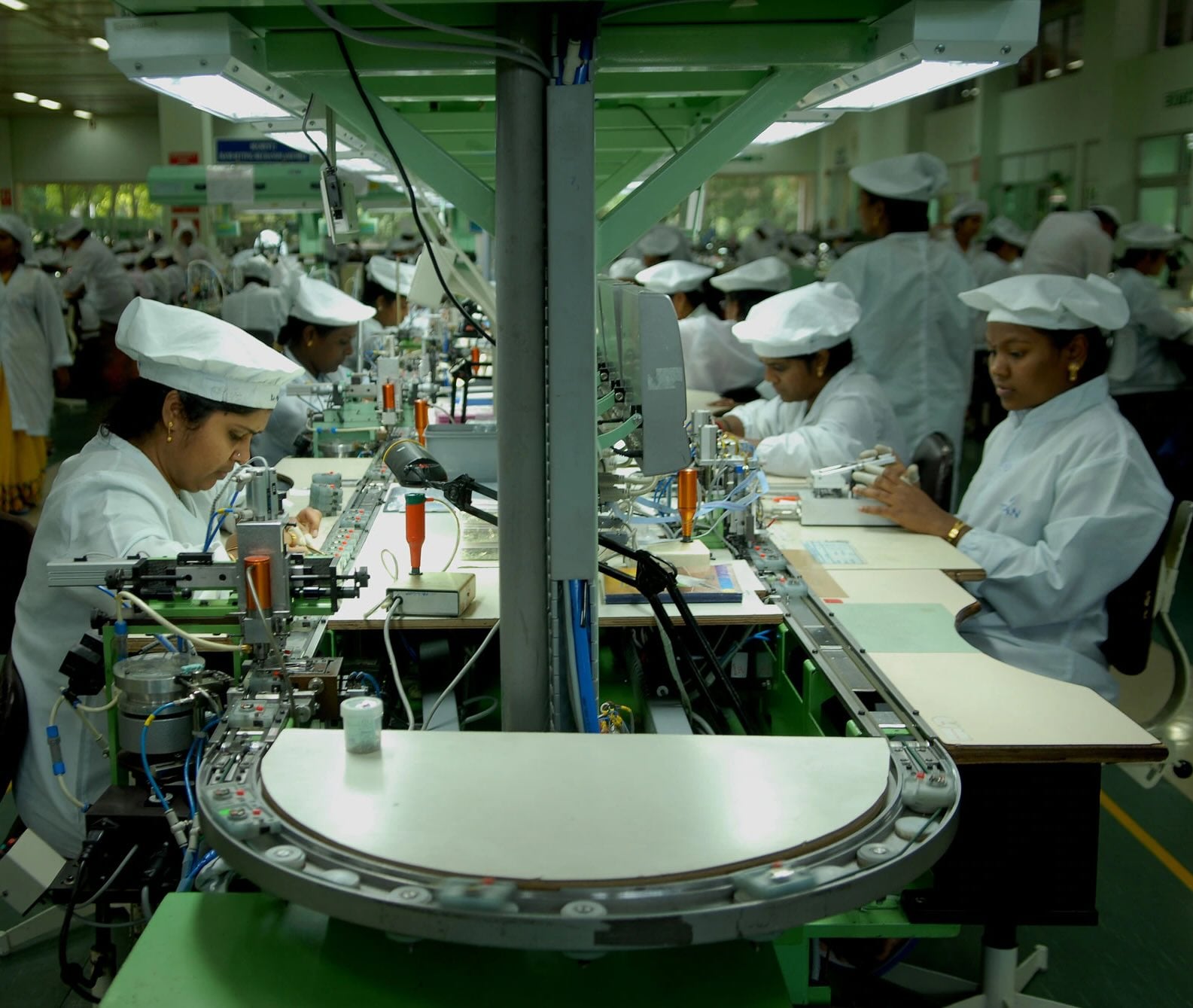
Components produced in-house include movement plates, bridges, pinions, wheels, stamping parts, turned parts, screws and tungsten rotors.
That depth matters because it moves Titan away from being merely a volume watch seller and closer to being a genuine industrial watchmaker.
It also gives the company room to develop products with a stronger technical and cultural identity, rather than relying entirely on outside platforms.
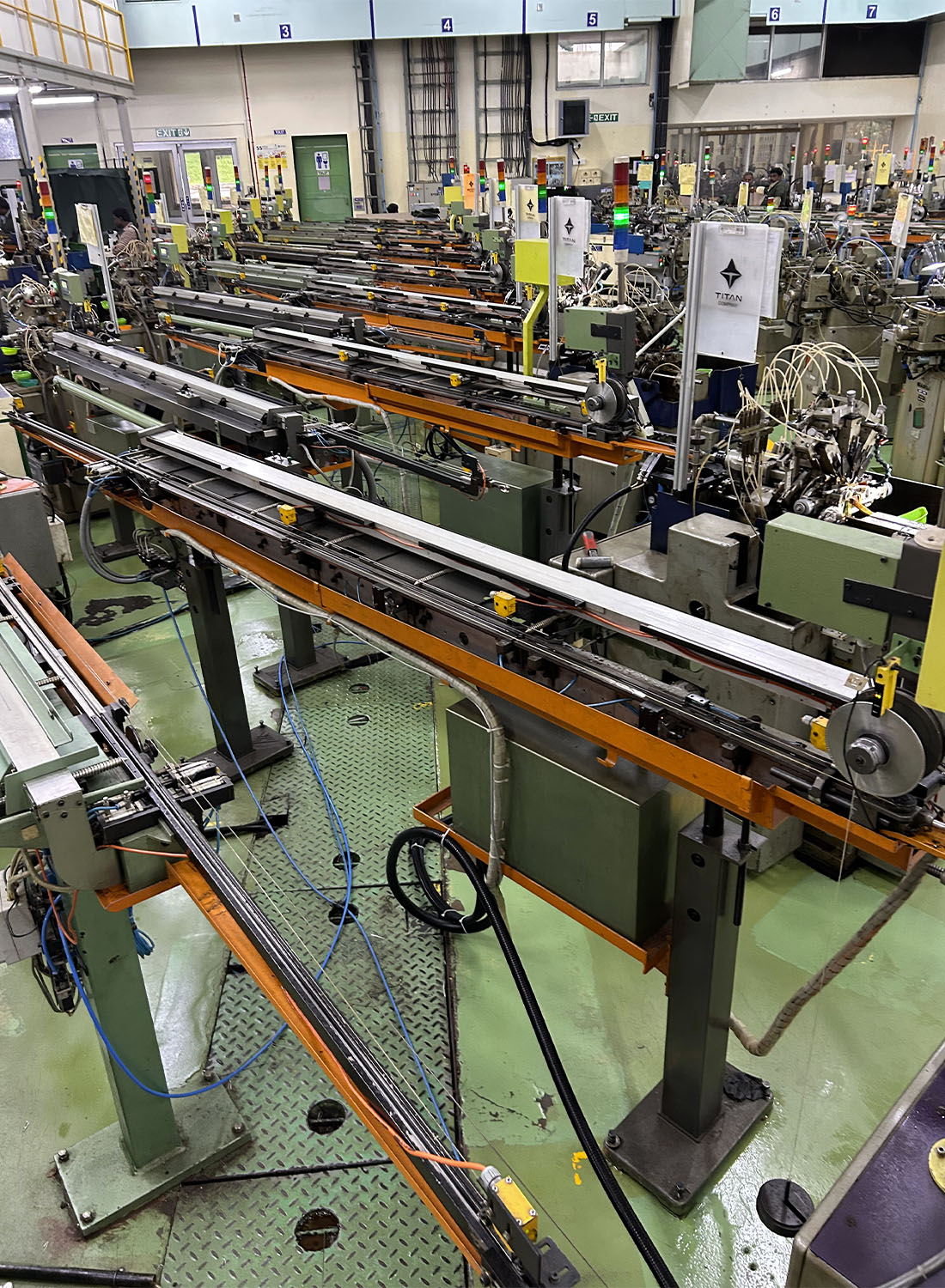
Still, Titan’s approach isn’t isolationist.
The company uses specialised suppliers in India and overseas depending on product segment and technical need, with Swiss sourcing linked mainly to movements, movement components and selected premium watch parts.
Design as a central advantage
One of Titan’s more interesting assets is its Design Excellence Centre, which brings together more than 150 designers working across categories.
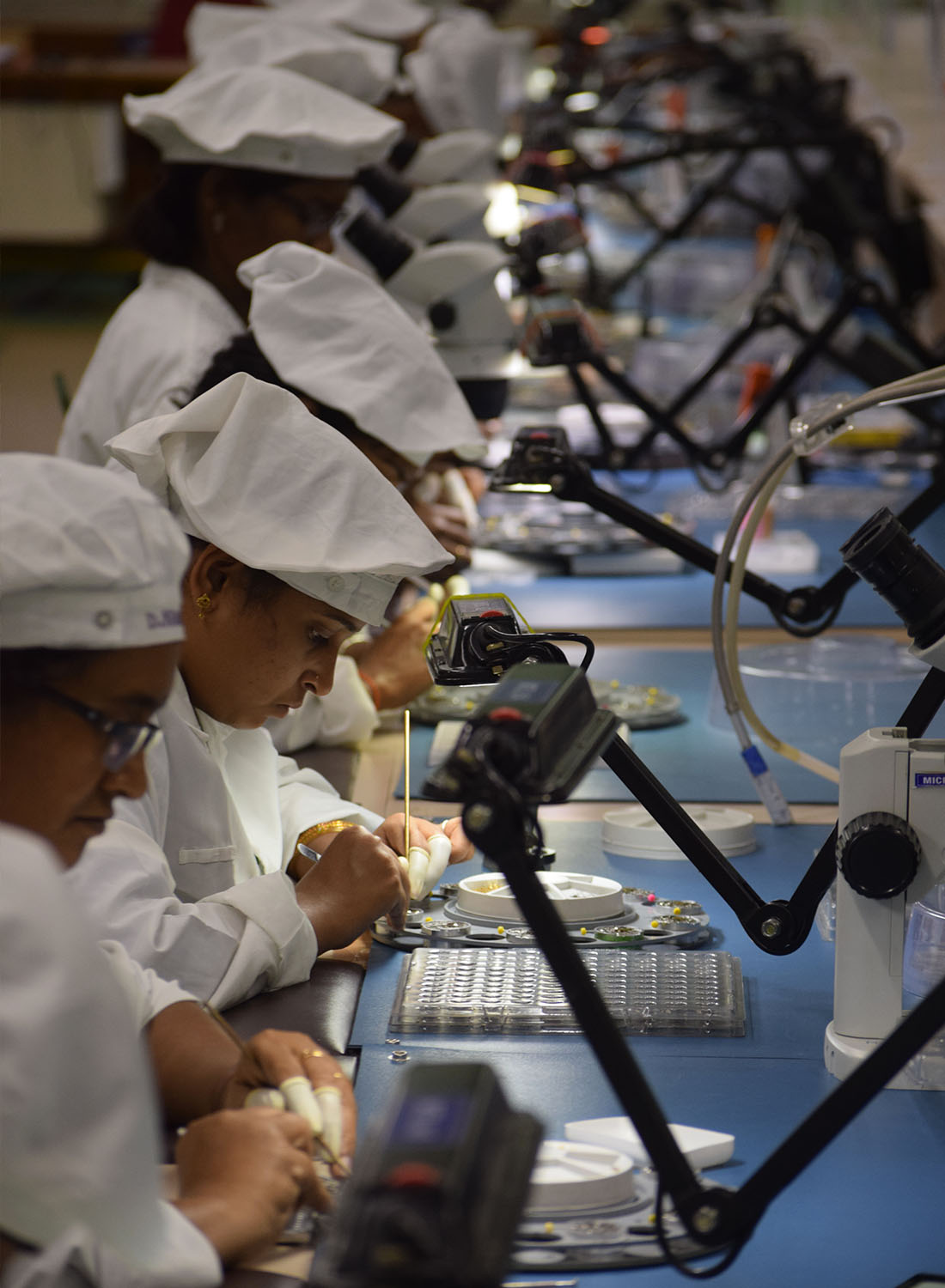
That design investment has become an important part of the company’s credibility, with Titan watches receiving recognition from programmes including Red Dot, iF Design, Good Design, the German Design Award, CII Design Award and India Design Mark.
For a brand trying to make Indian watchmaking legible beyond its home market, design is not decoration.
It’s the language that can carry craft, engineering and culture without turning a watch into a souvenir.
This is where Titan’s positioning becomes more nuanced than a simple “India versus Switzerland” narrative.
The company respects Switzerland’s historic role in watchmaking, but Markose’s strategy is centred on developing a voice that is recognisably Indian.
An Indian watchmaking identity with global intent
The clearest signal from Titan’s current strategy is that the company doesn’t want to become a Swiss-style brand with an Indian address.
Its ambition is to build a watchmaking identity from India, using domestic engineering, design capability, manufacturing depth and cultural storytelling.
Switzerland remains part of the ecosystem through partnerships, sourcing, talent and knowledge exchange, but the centre of gravity is India.
That distinction matters at a moment when collectors and younger buyers are increasingly open to watchmaking narratives outside the traditional European frame.
Titan has the unusual combination of scale, manufacturing infrastructure, design resources and domestic relevance.
If it can translate that into watches with lasting emotional and technical appeal, it may become one of the most important non-Swiss watch stories of the next decade.
For buyers, the appeal is straightforward.
Titan offers an entry point into Indian watchmaking that ranges from accessible daily wear to mechanical experimentation and gold-cased luxury.
For the industry, the bigger point is harder to ignore.
India is not just a future sales market for watches, but a place increasingly capable of making its own horological argument.