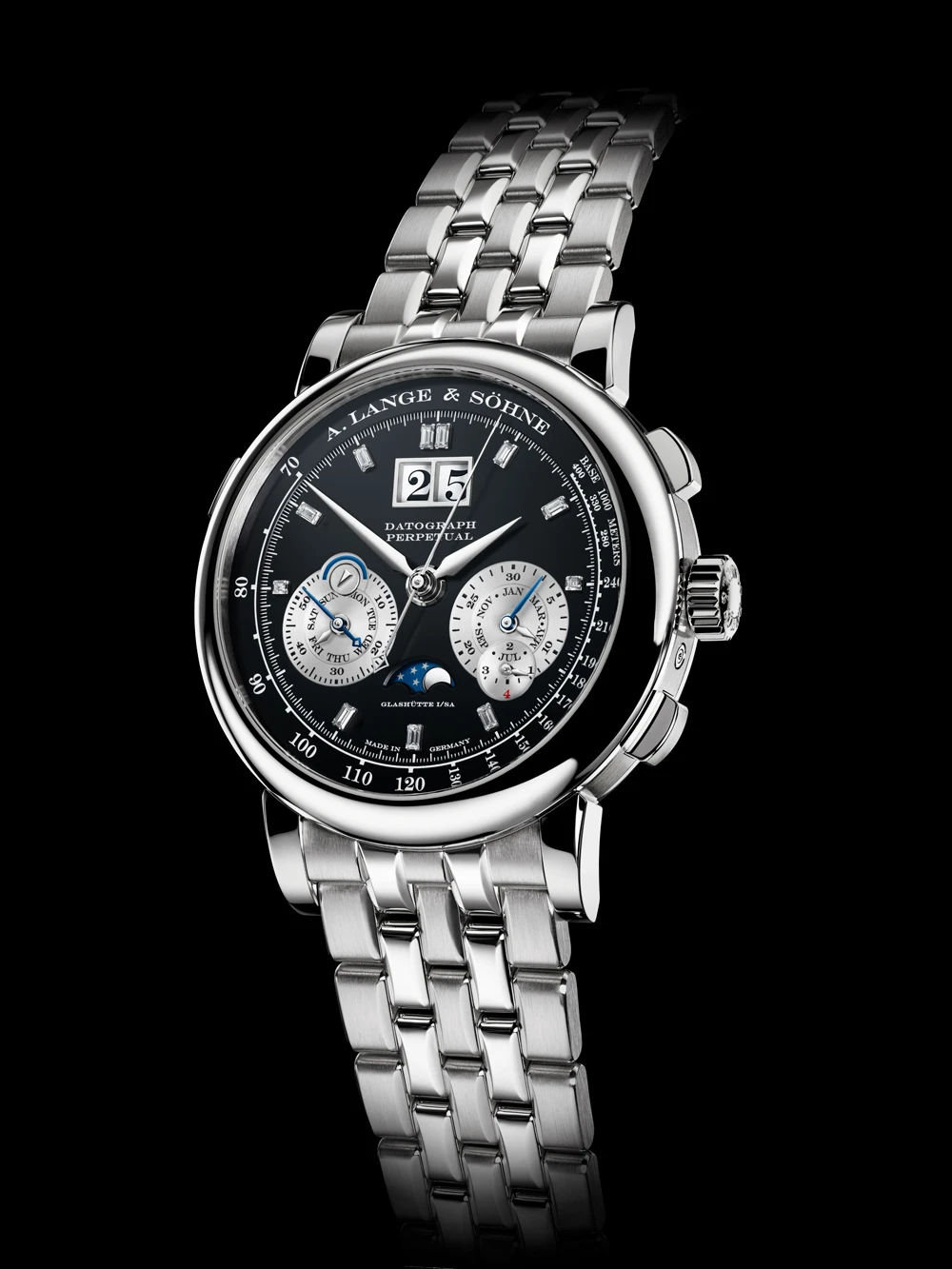
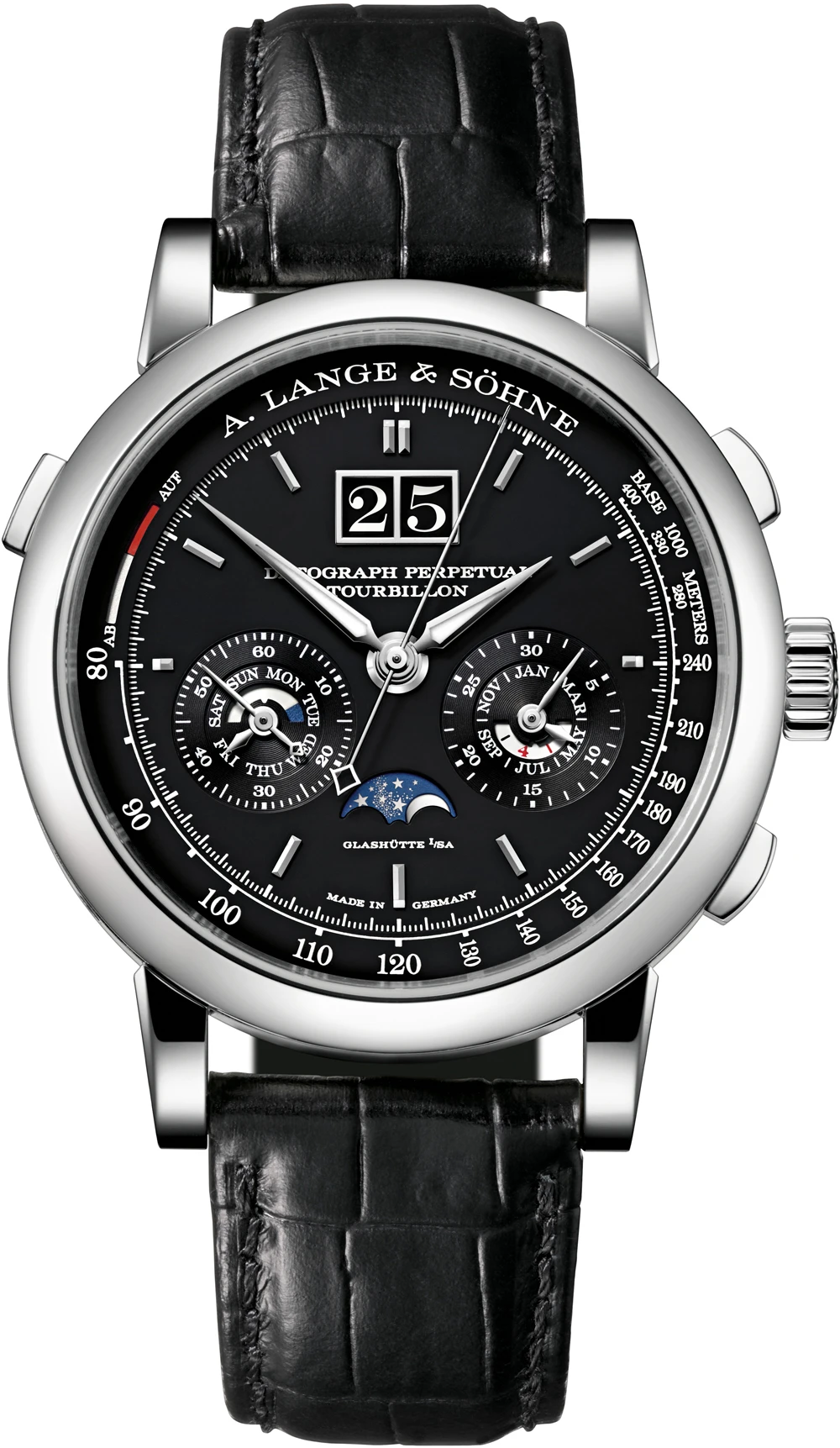
The Datograph Perpetual has always occupied a serious place in A. Lange & Söhne’s modern catalogue, combining a flyback chronograph with a perpetual calendar and the brand’s signature outsize date.
The latest reference, the Datograph Perpetual Ref. 410.136E, doesn’t try to reinvent that formula.
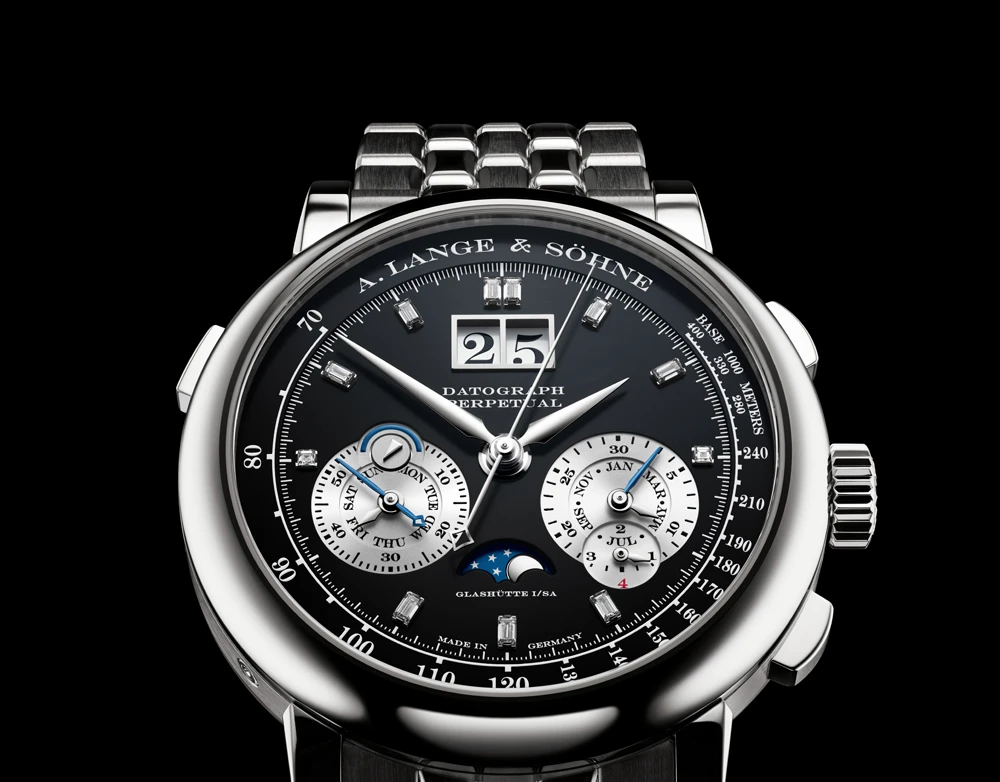
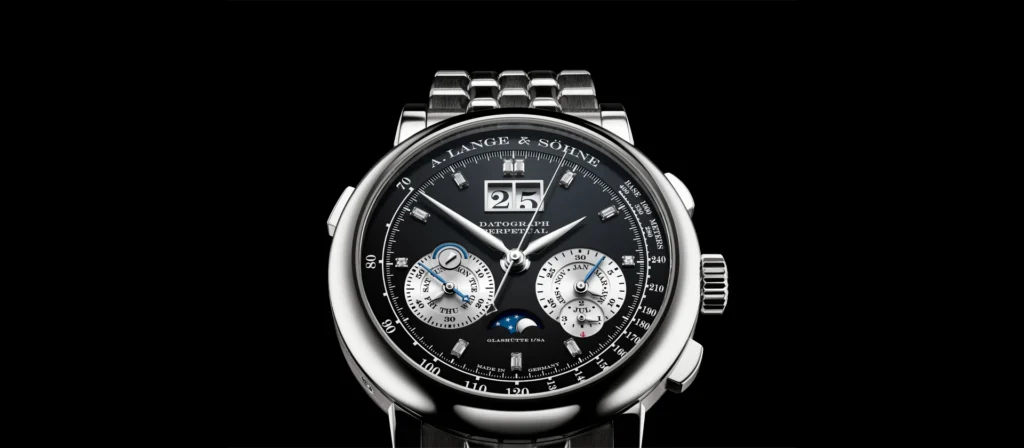
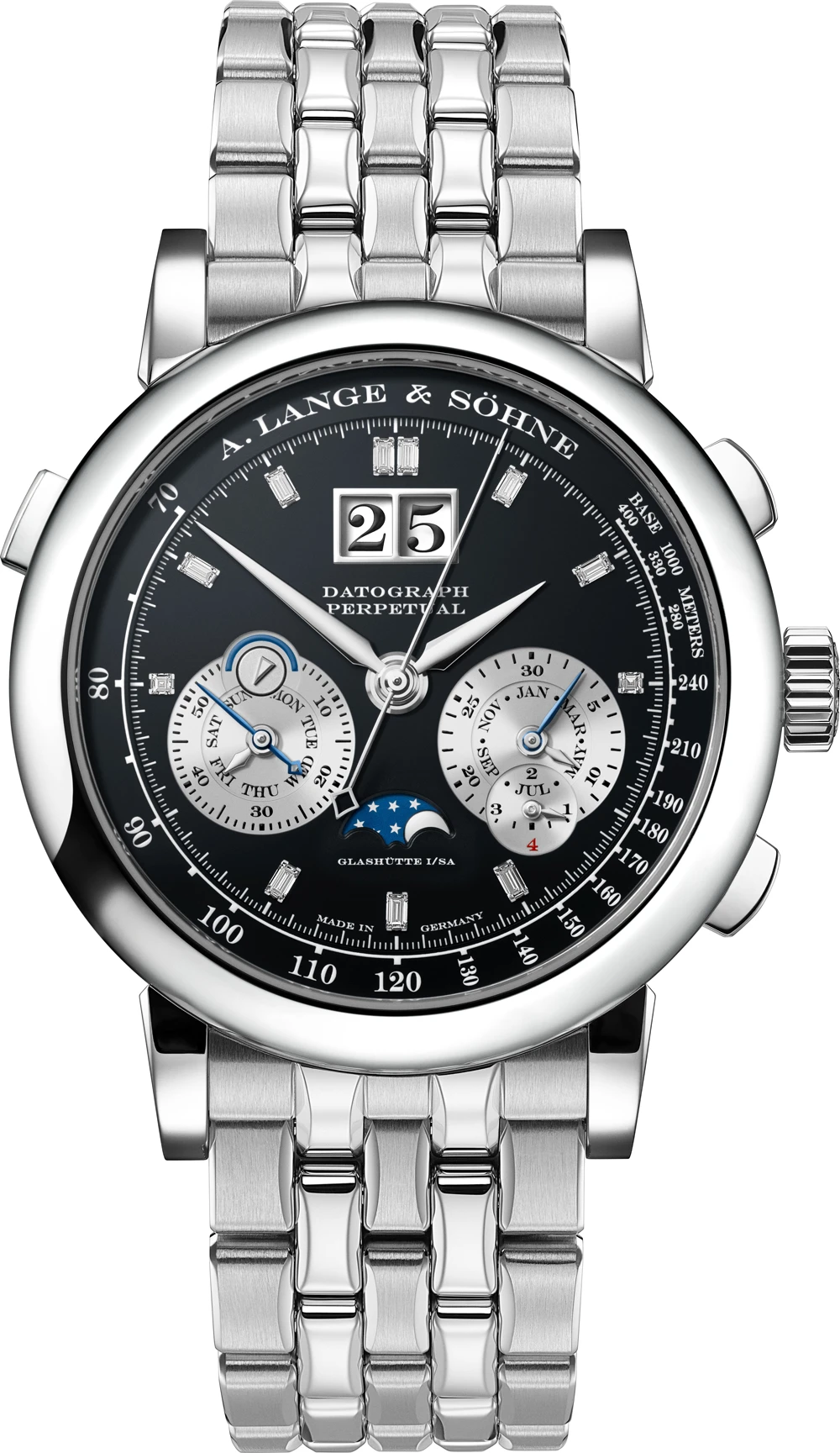
Instead, it sharpens the presence of the watch with a black dial set with 11 baguette-cut diamonds and a new five-row bracelet in platinum, while keeping the mechanical density that made the model important in the first place.
At a glance
- A. Lange & Söhne has introduced the Datograph Perpetual Ref. 410.136E, limited to 50 pieces.
- The platinum watch combines a flyback chronograph, outsize date, perpetual calendar, moon-phase display and black 925 silver dial with 11 baguette-cut diamonds.
- It is presented on a new five-row platinum bracelet, with no confirmed price stated.
A Datograph Perpetual with more ceremony
The Datograph line matters because it helped define the reborn A. Lange & Söhne as a modern high-complication manufacture rather than a nostalgic name.
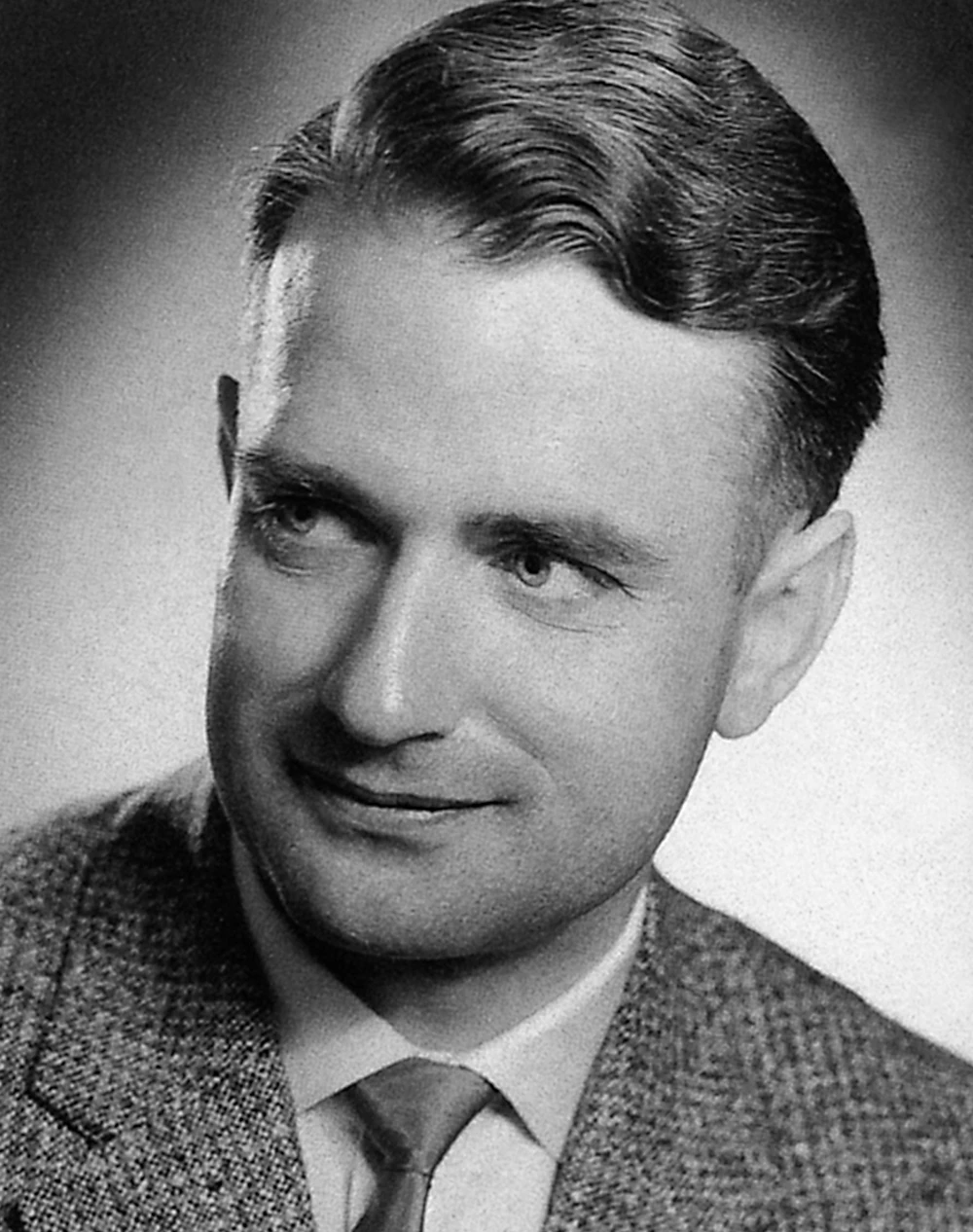
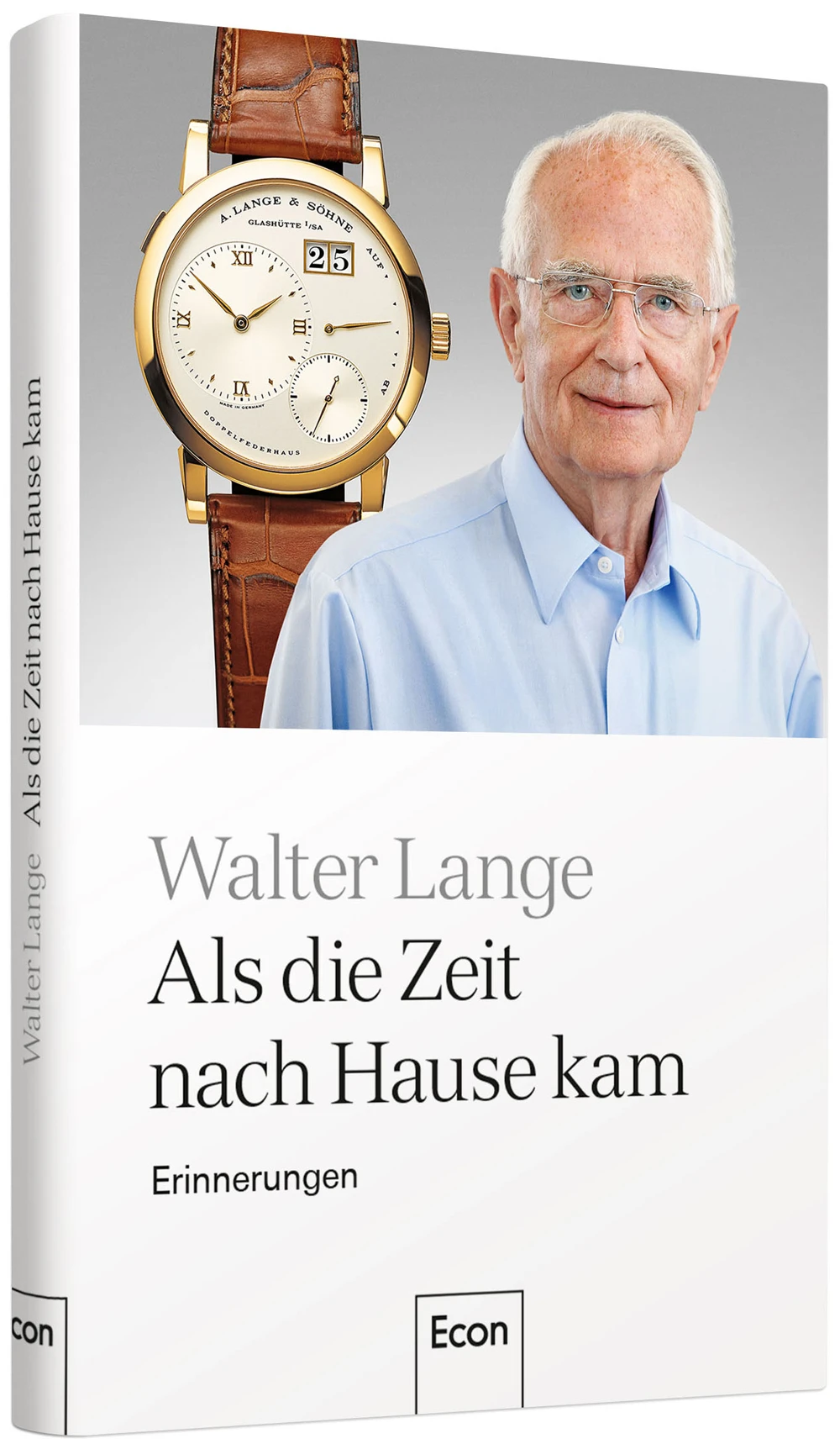
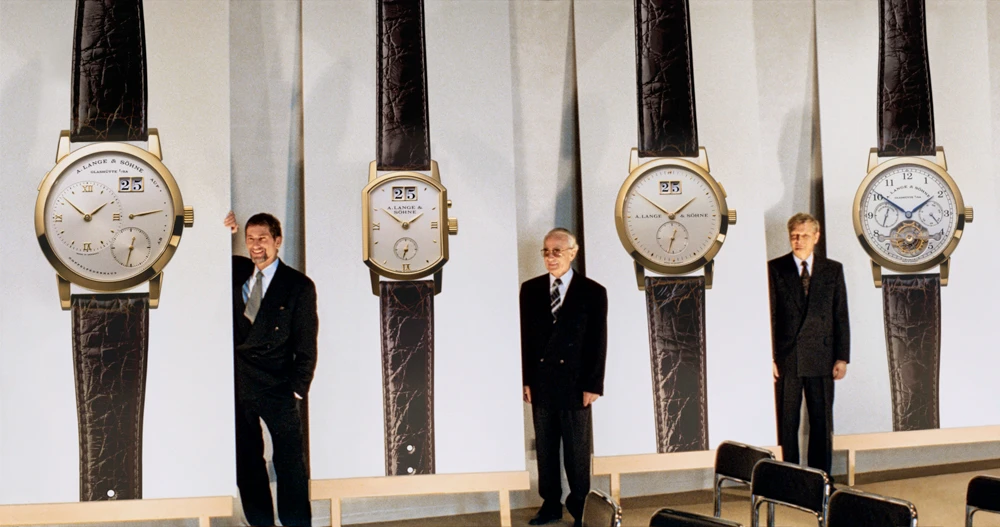
After Walter Lange registered Lange Uhren GmbH in 1990, the revived company presented its first four watches in 1994 with the Saxonia, Tourbillon “Pour le Mérite”, Arkade and Lange 1.
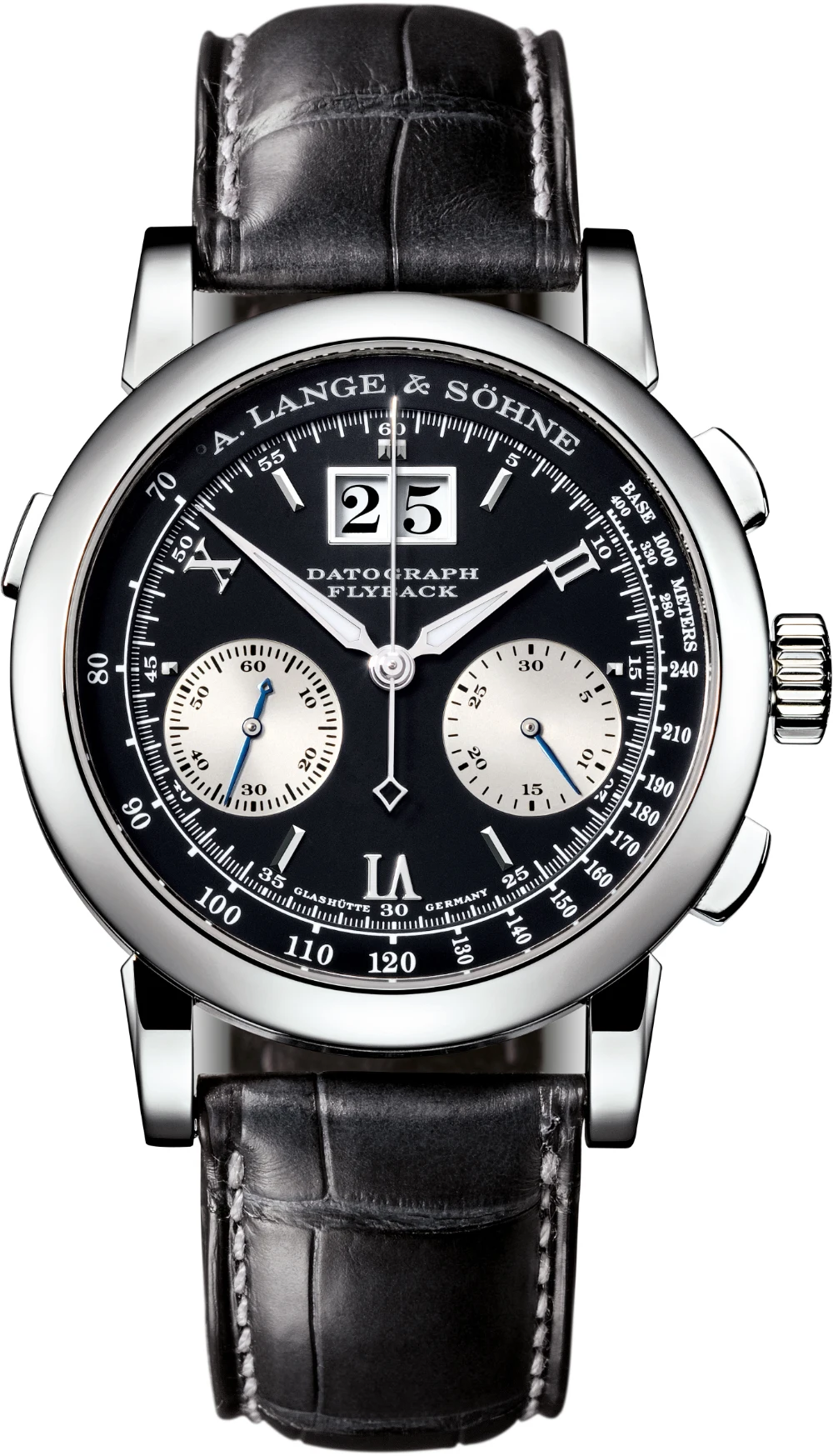
The original Datograph followed in 1999 in a 39 mm platinum case with a black dial, an outsize date and the hand-wound calibre L951.1.
That watch stood apart for its integrated chronograph movement, column wheel, horizontal coupling, flyback function and jumping minute counter at a time when many brands relied on modified third-party chronograph calibres.
The first Datograph Perpetual arrived in 2006, adding a perpetual calendar to the flyback chronograph architecture.
The Ref. 410.136E returns to that complicated template, but its diamond hour markers and platinum bracelet give it a more formal, jewellery-adjacent character without pushing it out of Lange’s restrained visual language.
A black dial with a carefully managed calendar
The dial is black and made from 925 silver, a combination that recalls the visual authority of the 1999 Datograph while carrying far more information.
Lange uses baguette-cut diamonds for the hour markers, except at 4 and 8 o’clock where the rhodié-coloured auxiliary dials sit.
The lancine-style hour and minute hands appear without luminous treatment, which suits the watch’s dressier tone.
At 12 o’clock, the outsize date uses two discs for improved legibility, a display that has been closely associated with Lange since the brand’s 1994 relaunch collection.
The subdial at 4 o’clock combines the month display, a 30-minute chronograph counter and a small leap-year indicator.
That 30-minute counter is a jumping indication, advancing in one-minute steps every 60 seconds.
At 8 o’clock, the day of the week sits with the small seconds, while a day-night indicator overlaps the upper part of the subdial.
The moon-phase display is placed at 6 o’clock, using a solid-gold lunar disc with a circular moon and stars visible through a crescent-shaped aperture.
If the watch remains wound, Lange states that the high-precision moon-phase indication deviates by one day only after 122.6 years.
Platinum case, platinum bracelet
The case is made from 950 platinum and measures 41 mm in diameter and 13.5 mm in height.
Those proportions are restrained given the amount of mechanism inside, particularly the pairing of a chronograph and perpetual calendar.
Platinum also changes the physical character of the watch, adding density, a cool silvery tone and a more substantial feel than many precious-metal alternatives.
The new five-row bracelet is also platinum and integrates neatly into the case.
Its links are slightly cambered on top and finished with bright facets, with alternating polished and matte rows creating a measured contrast.
That matters because platinum is notably challenging to machine and polish compared with gold, making the bracelet more than a simple change of wearing format.
The hand-wound calibre L952.1
The movement remains central to the appeal of this reference.
The hand-wound manufacture calibre L952.1 is made from 556 parts and is visible through the transparent caseback.
Its plates and bridges are made from untreated German silver, an alloy of copper, nickel and zinc that develops a warm tone over time.
The chronograph is controlled by a column wheel and uses a horizontal clutch, a traditional construction that allows the wearer to see the chronograph engage and disengage.
The flyback function allows the chronograph to be reset and restarted with a single press of the pusher at 4 o’clock while it is running.
For the perpetual calendar, the pushpiece at 10 o’clock advances all calendar indications together, while individual recessed correctors in the caseband allow more targeted adjustments with a suitable stylus.
A. Lange & Söhne also states that a safety mechanism prevents inadvertent actuation of the rapid-correction pusher.
Finishing is characteristically elaborate, with a hand-engraved balance cock, Glashütte ribbing, anglage, thermally blued screws and four screwed gold chatons among the visible details.
Details & Specifications
| Brand | A. Lange & Söhne |
|---|---|
| Model | Datograph Perpetual |
| Reference | 410.136E |
| Case size | 41 mm diameter, 13.5 mm height |
| Case material | 950 platinum |
| Crystal | Sapphire crystal front, transparent caseback |
| Dial | Black 925 silver dial with 11 baguette-cut diamond hour markers |
| Movement | Hand-wound manufacture calibre L952.1 |
| Movement components | 556 parts |
| Jewels | 45 jewels, including four in screwed gold chatons |
| Complications | Flyback chronograph, perpetual calendar, outsize date, moon-phase display, day-night indication, leap-year indication |
| Moon-phase accuracy | Deviation of one day after 122.6 years if kept wound |
| Strap or bracelet | Five-row 950 platinum bracelet |
| Production | Limited to 50 pieces |
The Ref. 410.136E is not a radical departure for the Datograph Perpetual, and that’s the point.
It takes one of Lange’s most respected complicated chronographs and gives it a more ceremonial exterior, while leaving the essential architecture, legibility and movement craft to do the serious talking.