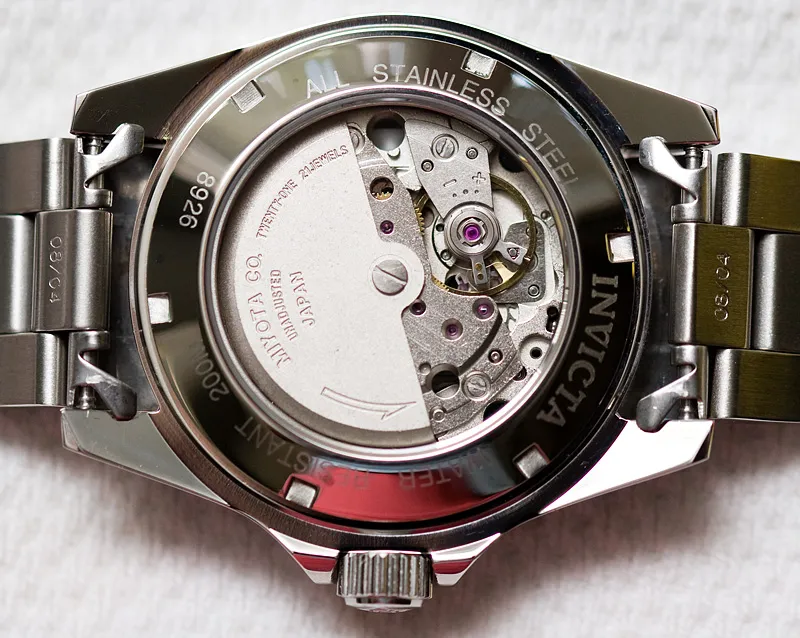
If you’ve bought a microbrand watch in the past decade, there’s a fair chance Miyota is doing the work inside.
The Japanese movement maker rarely gets the romance reserved for dial names, case finishing or limited-edition drops, but its calibers have helped define the modern affordable watch scene.
Now, with Miyota speaking more directly to enthusiasts through brand manager Yoshio Miura, the company looks less like a hidden supplier and more like a key character in the next phase of accessible watchmaking.
At a glance
- Miyota is the Citizen Group movement maker behind many affordable, mid-tier and microbrand watches.
- Its best-known calibers include the 8215, 9015, 9039 and 9075, covering workhorse automatics, no-date builds and true GMT watches.
- The appeal is practical rather than glamorous, with broad availability, competitive cost and easy serviceability for small brands and owners.
How Miyota became the movement supplier next door
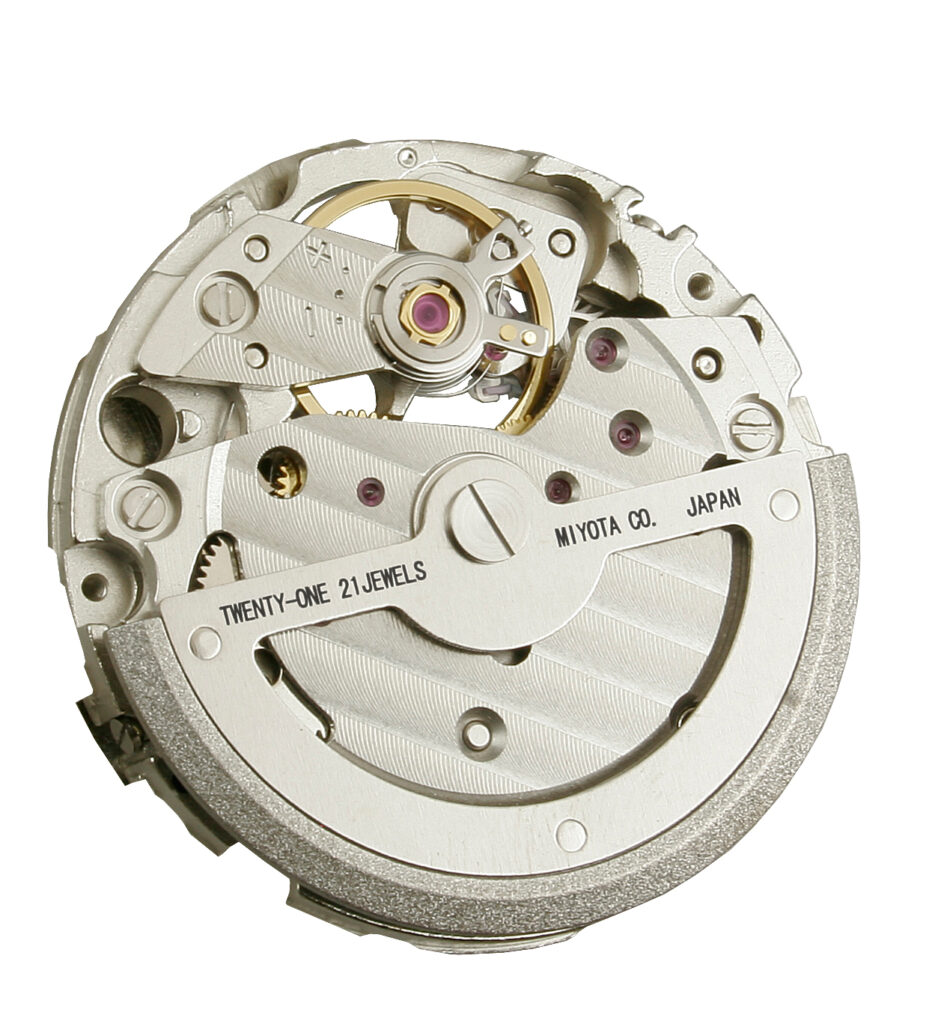
Miyota is a Japanese movement manufacturer within the Citizen Group, with its factory established in Miyota, Nagano, in 1959.
For roughly its first two decades, the factory’s output served Citizen’s own watches.
Around 1980, Miyota began selling movements to outside brands, and that shift helped create the movement supply base many independent watchmakers still rely on.
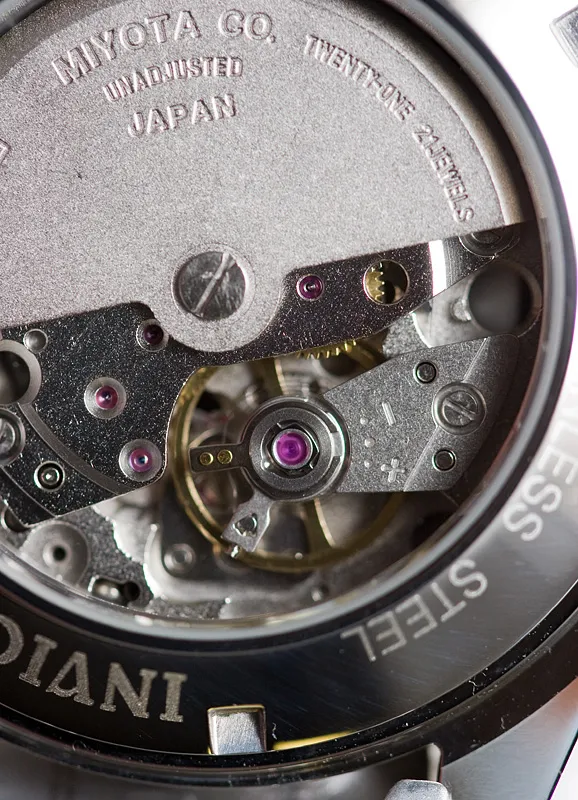
Citizen itself dates to 1918, and its wider movement business later expanded in Switzerland through the acquisition of La Joux-Perret in 2012.
That gives the group unusual breadth, from Japanese automatic and quartz calibers to Swiss-made options under the same corporate umbrella.
For smaller brands, the point isn’t corporate scale for its own sake.
It’s access.
A start-up watch company can build around a proven movement without needing the purchasing power of a major luxury house.
The calibers collectors actually meet
Miyota’s catalogue is broad, but a small group of references turns up again and again in enthusiast watch boxes.
The 8215 is the familiar entry point, while the 9015 has become the modern microbrand default for many more ambitious automatic watches.
| Caliber | Type | Key confirmed details |
|---|---|---|
| 8215 | Standard automatic | 21,600 bph, about 42 hours of power reserve, widely used as a budget workhorse |
| 8315 | Upgraded standard automatic | 21,600 bph, longer power reserve than the 8215, similar layout with reverse finishing |
| 9015 | Premium automatic | 28,800 bph, about 42 hours of power reserve, 24 jewels, hacking seconds and hand-winding |
| 9039 | Premium automatic without date | 28,800 bph, about 42 hours of power reserve, lower-profile no-date relative of the 9015 |
| 9075 | Automatic true GMT | 28,800 bph, allows the local hour to be set independently |
The jump from the 8215 to the 9015 is easy to understand on the wrist.
The 9015 beats at 28,800 vibrations per hour rather than 21,600, giving the seconds hand a smoother sweep.
Miyota quotes the 9015 at roughly minus 10 to plus 30 seconds per day, which places it firmly in dependable daily-wear territory rather than chronometer theatre.
That’s often exactly what microbrand buyers are paying for.
Why microbrands keep choosing Miyota
The reasons are not especially romantic, which is precisely why they matter.
Miyota movements are available in smaller quantities, so a new brand can get a project off the ground without committing to volumes that only established houses can absorb.
They also help brands control cost.
Using a 9015 instead of a more expensive Swiss alternative can leave room in the budget for the parts buyers see first, including the case, dial, bracelet and finishing.
Serviceability may be the least glamorous advantage, but it’s one of the most important.
A common, simple movement is easier for a competent watchmaker to understand, source or replace than an obscure caliber with limited support.
For an owner planning to keep a watch rather than flip it, that matters.
What Miyota does and doesn’t promise
A Miyota movement is not an automatic badge of excellence, and it’s not a compromise by default either.
It’s a base, and the finished watch depends on how intelligently the brand builds around it.
Some brands regulate movements in-house, refine finishing or customise the rotor, turning a familiar engine into something more considered.
Others simply install the movement and let the caseback do the talking.
The better question is not whether a watch contains a Miyota.
It’s whether the price, regulation, finishing, warranty and overall execution make sense for the caliber inside.
The 9075 is especially important because it brings a true GMT layout, with an independently adjustable local hour, into a price segment where that complication has often been harder to find.
For travel watches in the independent space, that’s a meaningful step.
Details & Specifications
| Label | Value |
|---|---|
| Company | Miyota |
| Parent group | Citizen Group |
| Factory established | 1959 in Miyota, Nagano, Japan |
| Outside movement supply | Began around 1980 |
| Movement types | Automatic and quartz calibers |
| Common calibers | 8215, 8315, 9015, 9039, 9075 |
| 9015 beat rate | 28,800 bph |
| 9015 power reserve | About 42 hours |
| 9015 features | 24 jewels, hacking seconds and hand-winding |
| 9015 stated rate | Roughly -10 to +30 seconds per day |
| 9075 function | True GMT with independently adjustable local hour |
Miyota’s rise in collector conversation feels overdue, not because every watch needs to celebrate its movement supplier, but because the supplier has shaped what small brands can realistically build.
For buyers, the name inside the case should be read with context, and in Miyota’s case that context is clear: accessible, serviceable, widely used engineering that has quietly made a lot of good watches possible.