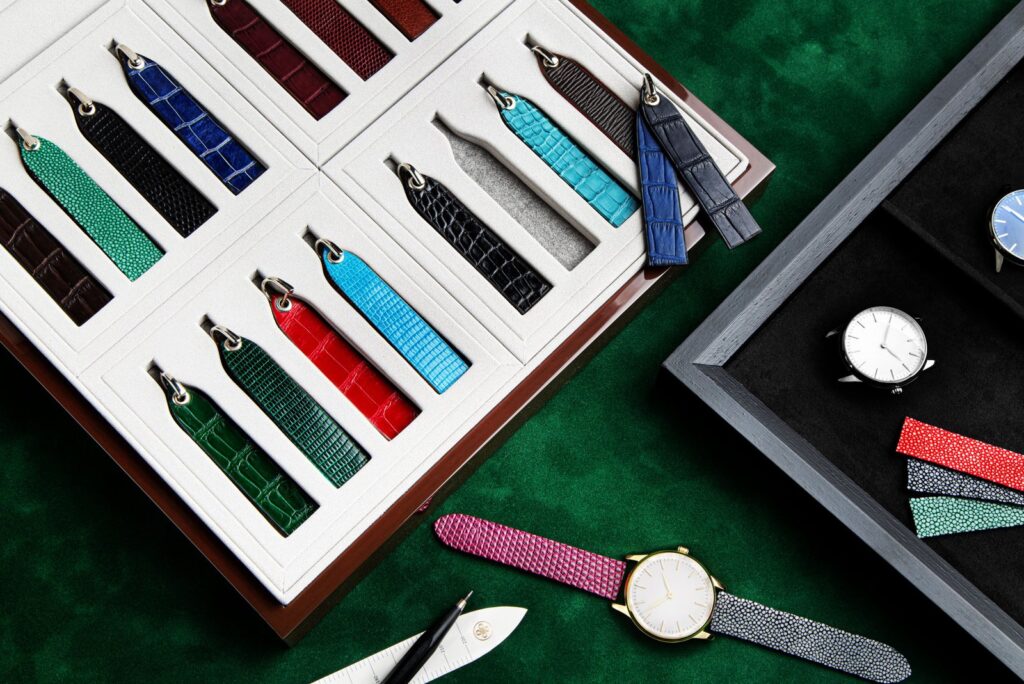
There’s a particular kind of luxury that doesn’t announce itself from across the room.
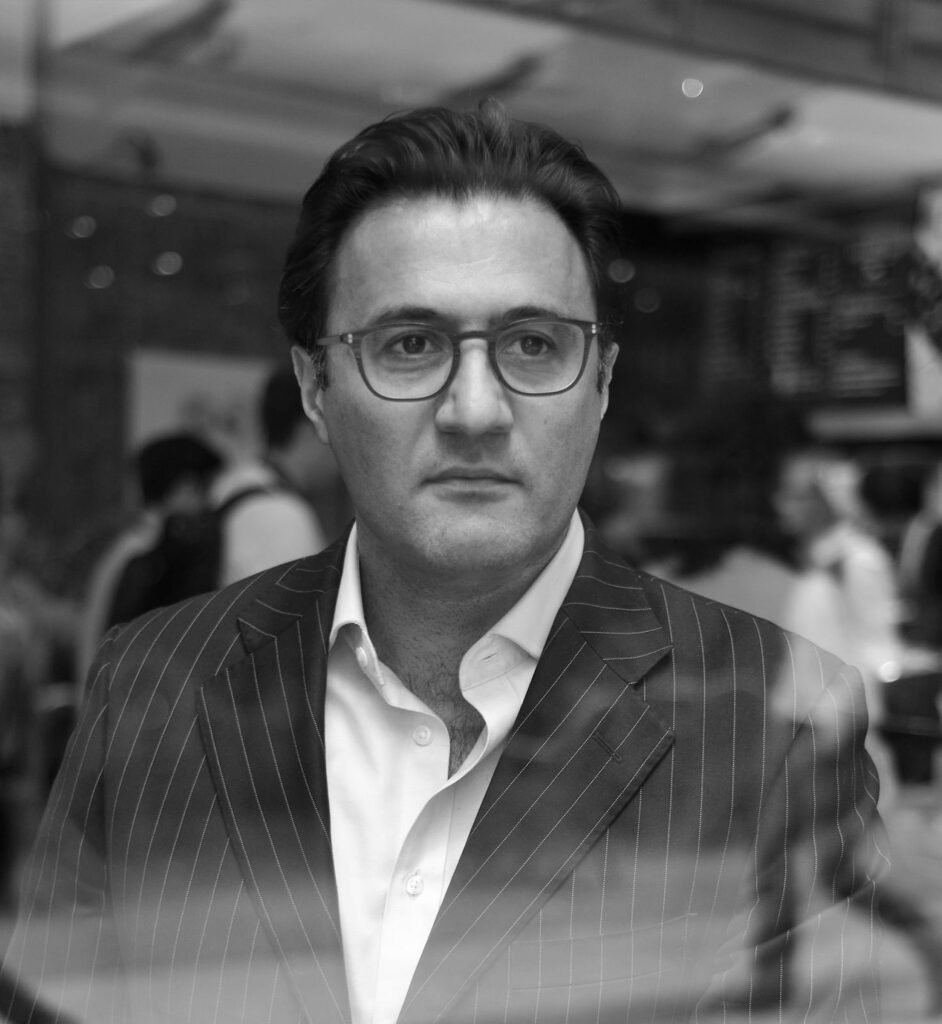
INRÕ London works in that quieter register, creating bespoke leather pieces from a small atelier behind a discreet townhouse door in St James’s. Founded by Nawaz Razaq, the studio has built its reputation on handmade commissions that feel personal, precise and deeply connected to the object they accompany.
Its best-known work is in watch straps, but the real subject is fit in the fullest sense of the word.
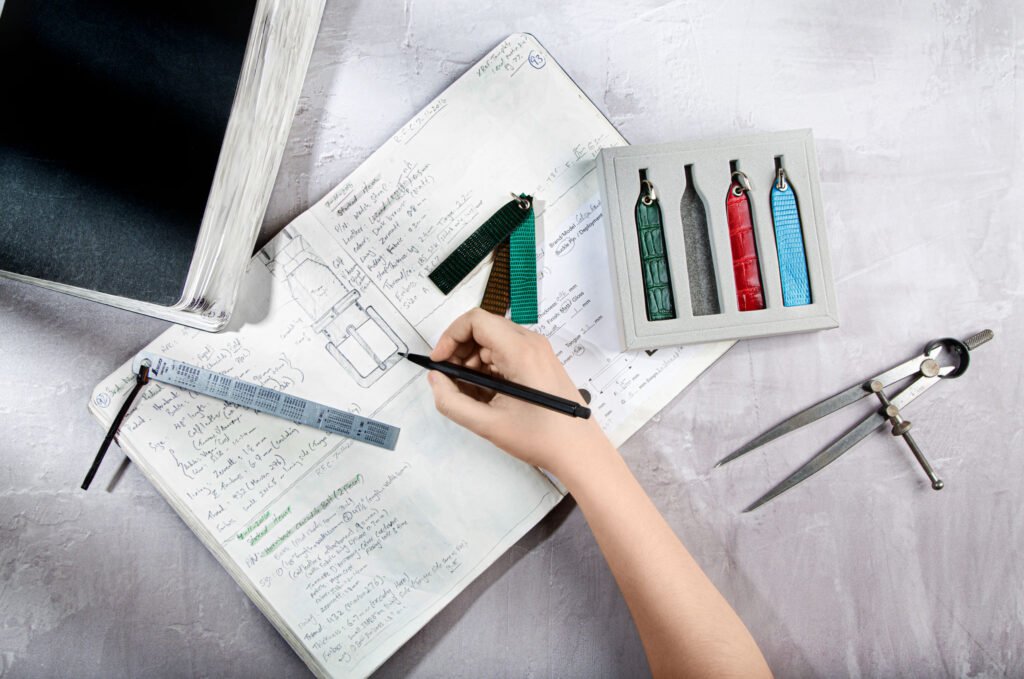
At a glance
- INRÕ London is a St James’s atelier specialising in handmade bespoke leather commissions led by founder Nawaz Razaq.
- The atelier is particularly known for watch straps shaped around the timepiece, the wrist and the owner’s relationship with both.
- Its commissions avoid standard options, favouring a highly personal process known as the Atelier Protocol.
A St James’s atelier built around discernment
INRÕ was founded with a clear objection to the way the language of bespoke has been flattened.
Here, a commission isn’t treated as a menu of leathers, colours and stitches. It begins with conversation, judgement and an attempt to understand why the piece is being made in the first place.
Razaq’s role is part craftsperson, part editor and part interpreter.
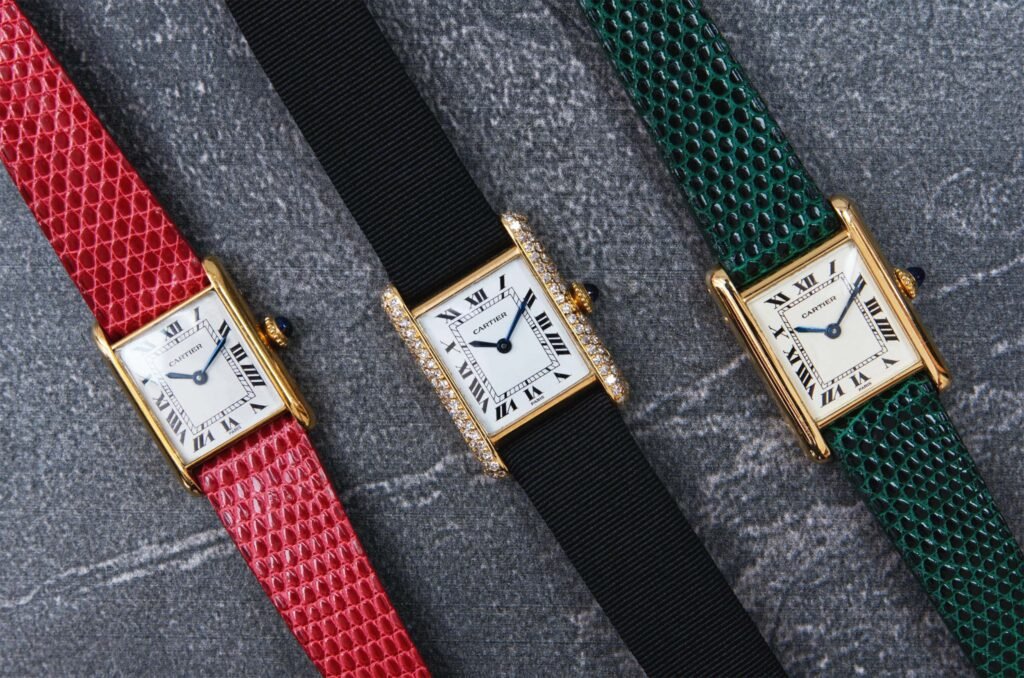
Clients often arrive with a watch, an occasion or a feeling rather than a fully formed brief. The work starts by reading those details carefully, from the proportions of a case to the way the object is worn and the meaning it has acquired over time.
That attention is especially relevant in the world of vintage watches, where small variations can completely alter the character of a piece.
A strap that suits one watch may diminish another, even if both share the same diameter or maker. INRÕ’s approach recognises that the right answer is rarely generic.
The watch strap as a final gesture
Watch straps are the atelier’s most recognisable commissions because they sit at the meeting point between craft, utility and sentiment.
INRÕ doesn’t treat the strap as an add-on. It’s the finishing gesture that can either clarify a watch’s character or disturb it.
That philosophy comes through in the attention paid to proportion, comfort and restraint.
The strap is shaped for the watch and the wrist together, with details such as keeper placement and buckle configuration considered at a level most people may never consciously notice.
In some cases, even the number of holes is reduced to a single fitting, because the piece is intended for one person rather than a theoretical future owner.
One commission captures the studio’s instinct well.
For a golden wedding anniversary, a client wanted a strap for a vintage gold cocktail watch. Instead of reaching for a predictable leather pairing, Razaq looked to the texture and elegance of moiré silk, creating a gold moiré strap that answered both the watch and the occasion.
The result was unexpected without feeling decorative for its own sake.
The Atelier Protocol
INRÕ describes its process as the Atelier Protocol, though it’s less a rigid system than a disciplined way of looking.
Materials, construction and finish are decided only after the atelier has considered the owner, the object and the purpose of the commission. That can mean selecting leather, silk or specialist textiles for their feel, history and ability to age gracefully, rather than for surface effect alone.
Every piece is made entirely by hand.
The process covers material selection, cutting, shaping and hand stitching, with each decision tied to the intended wearer. Millimetres matter, especially when a strap has to balance a vintage case, sit comfortably on the wrist and respect the original character of the watch.
That same thinking extends beyond straps into personal accessories, travel pieces, heirlooms and one-off commissions.
For repeat clients, the atelier maintains a record of preferences, proportions and earlier work, allowing future pieces to continue a conversation rather than begin again from zero.
Quiet craft for serious collectors
INRÕ’s work naturally appeals to collectors who see ownership as stewardship.
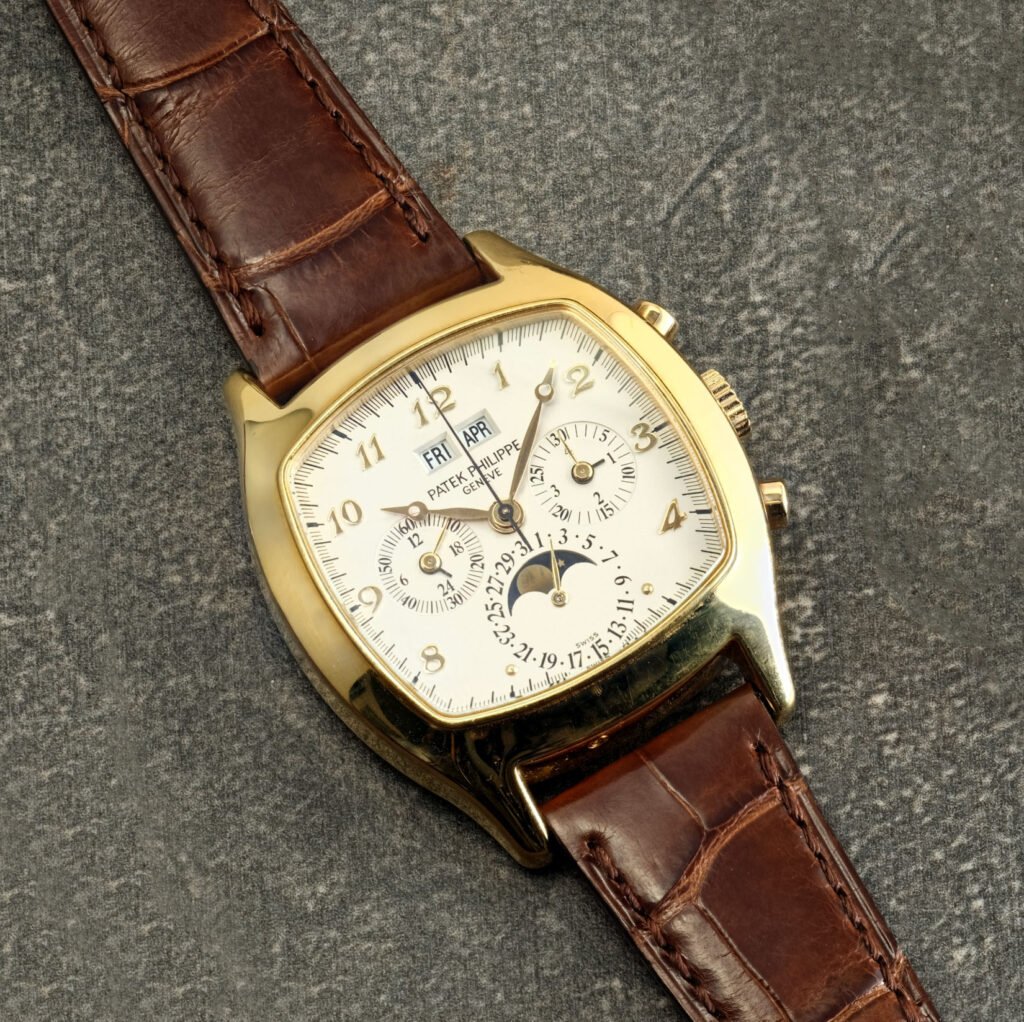
The atelier has earned the trust of clients with watches from houses such as Patek Philippe and Cartier, brands whose appeal is tied to continuity, elegance and cultural memory. Those watches don’t need loud interventions, and the best strap is often the one that looks as though it should always have been there.
The same idea appears in INRÕ’s own visual identity.
Inspired by the Celtic cross, the mark suggests balance, continuity and the meeting of past and present. It’s a subtle emblem for an atelier more interested in permanence than display.
What sets INRÕ London apart is not simply the fineness of the handwork, although that matters.
It’s the insistence that luxury should be measured by relevance, intimacy and longevity. In a market crowded with customisation, INRÕ’s most persuasive argument is that the finest bespoke objects don’t need to stand out.
They need to feel as though they belong.