Modern watchmaking has never been more precise, but precision isn’t the only thing collectors care about.
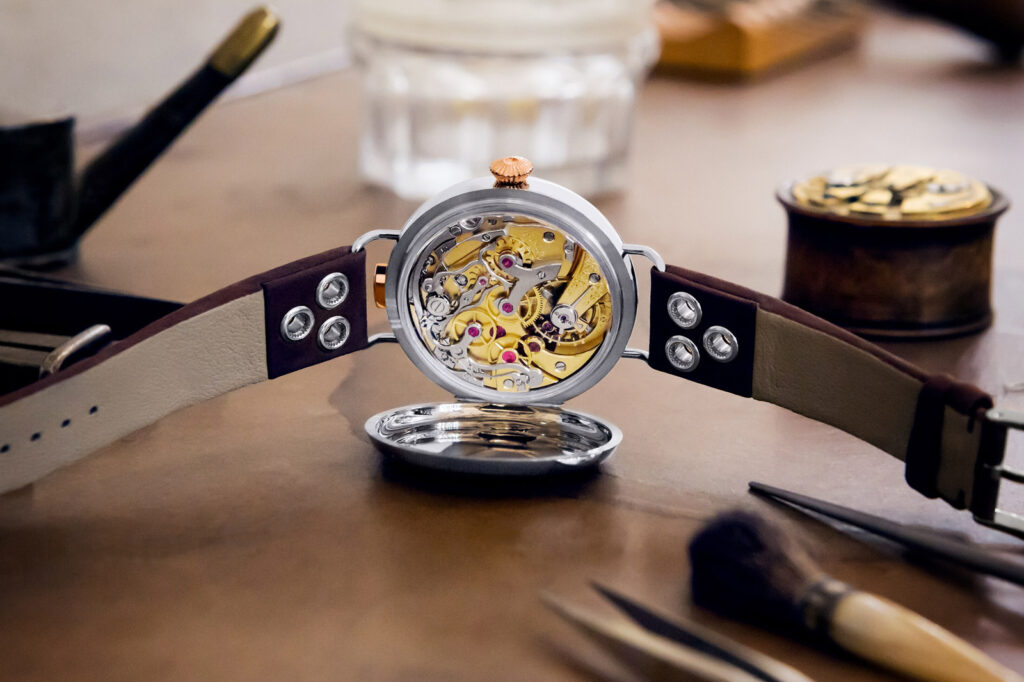
New Old Stock movements offer something different: a real mechanical link to another era, restored for use rather than left to gather dust in a parts drawer.
These watches are compelling because they don’t merely look vintage. They carry historical calibres inside contemporary cases, pairing old-world rhythm with the confidence of modern construction.
At a glance
- New Old Stock watches use historical, unused movements that have been restored and fitted into newly made timepieces.
- The appeal lies in the tactile feel, slower beat rates and finite availability of genuine vintage calibres.
- Standout examples include the Panerai Radiomir PAM00021 and Doxa SUB 200 T.Graph 130th Anniversary.
Why collectors care about New Old Stock calibres
A New Old Stock movement is not a vintage-style movement and it’s not a modern calibre dressed up to look old.
It’s an actual historical movement that remained unused for years, sometimes decades, before being disassembled, cleaned, serviced and prepared for life inside a new watch.
That distinction matters because the supply is inherently limited.
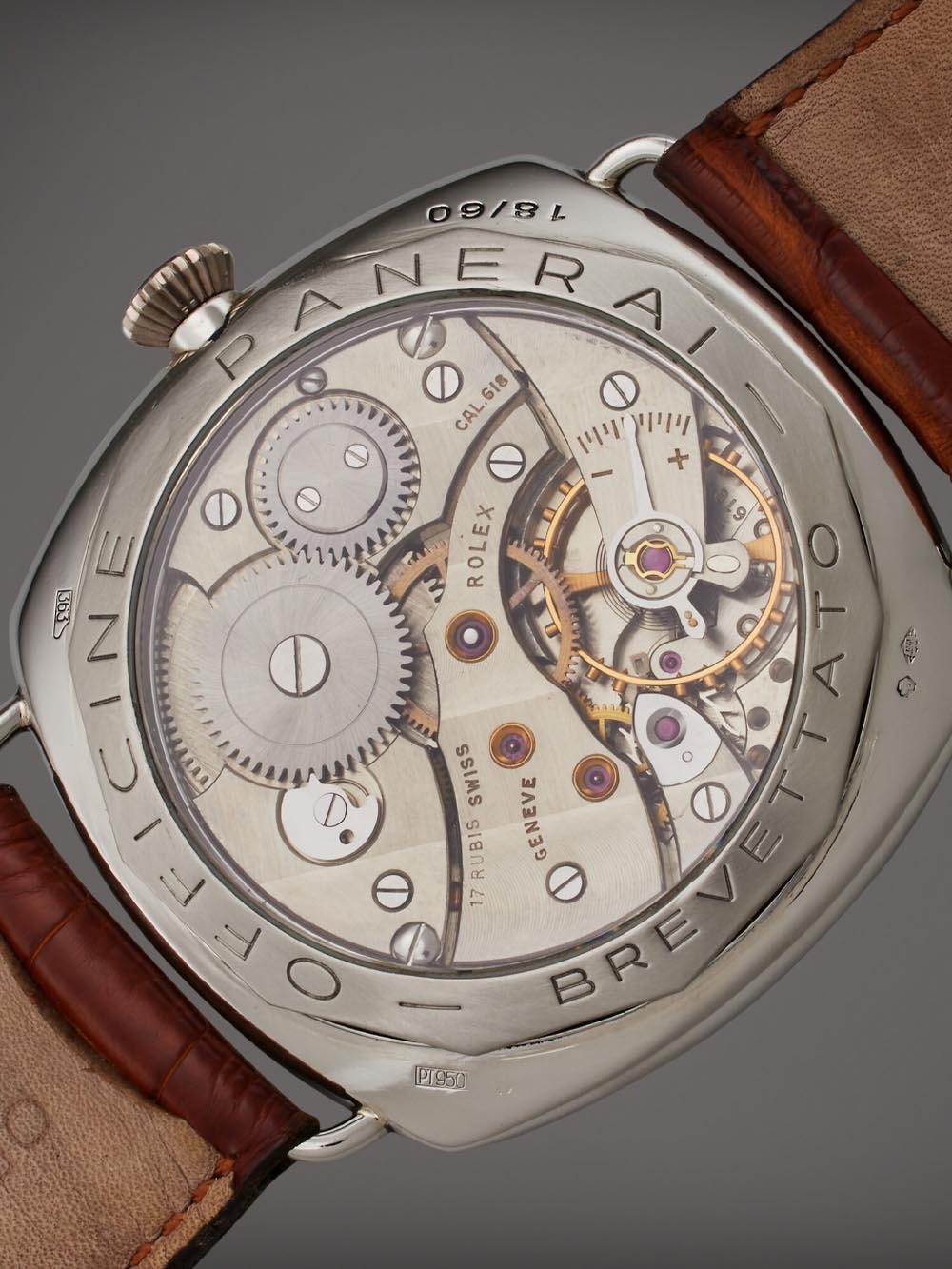
Once a cache of old Valjoux, Rolex, Landeron or Enicar movements is gone, there’s no production line waiting to make another batch.
The experience on the wrist can also be very different from a modern high-beat movement.
Where contemporary calibres often run at 28,800 or even 36,000 vibrations per hour, older movements can beat at a more deliberate 18,000 vibrations per hour, giving the seconds hand a visibly different cadence.
There’s also the matter of feel.
A hand-wound cam-operated chronograph from the mid-century period can deliver a firm, mechanical pusher action that feels less refined in the modern sense, but more expressive to the enthusiast who enjoys machinery with texture.
The best NOS watches solve a familiar problem for vintage lovers.
They provide a historical engine without requiring the owner to live with brittle gaskets, tired crystals or fragile dials that make many older watches stressful to wear.
Panerai Radiomir PAM00021 and the Rolex calibre 618
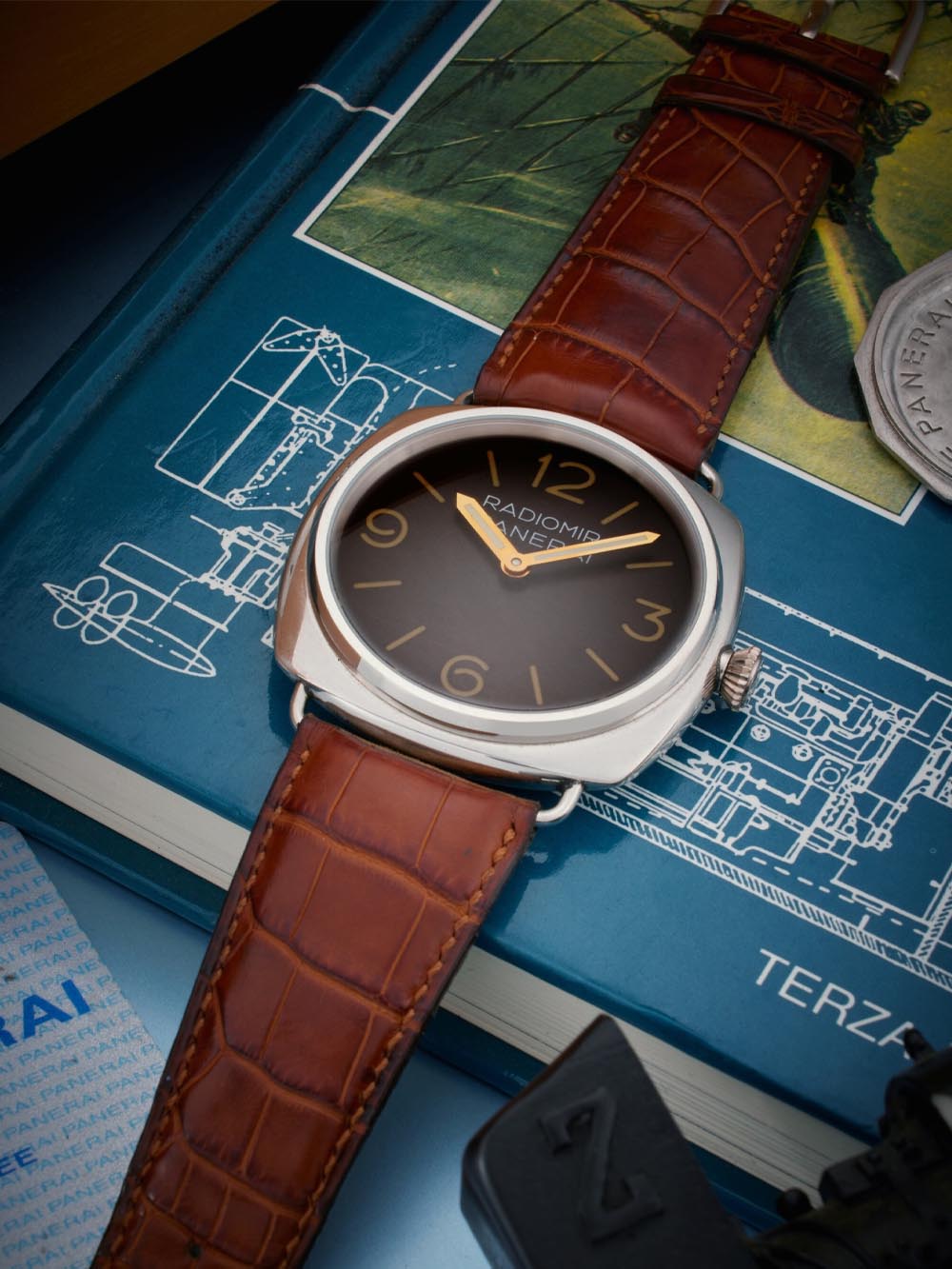
The Panerai Radiomir PAM00021 remains one of the defining early watches of the brand’s modern era.
Released in 1997 under the newly arrived Vendôme group, later known as Richemont, it was limited to just 60 pieces and served as a direct bridge to Panerai’s military past.
The heart of the watch is an unissued Rolex calibre 618, a hand-wound movement measuring 16 lignes.
It was the kind of robust mechanical engine associated with Panerai’s historic diving watches used by Italian naval divers in the 1930s and 1940s.
The calibre runs at 18,000 vibrations per hour and features 17 jewels, a Breguet overcoil hairspring and distinctive bridge architecture.
Panerai housed that movement in a polished 47mm platinum Radiomir case with wire lugs and a prominent onion crown.
The dial follows the brand’s classic sandwich construction, with a black upper plate cut away to reveal a luminous layer below.
It’s an unusually rich object because the significance isn’t limited to rarity or case metal.
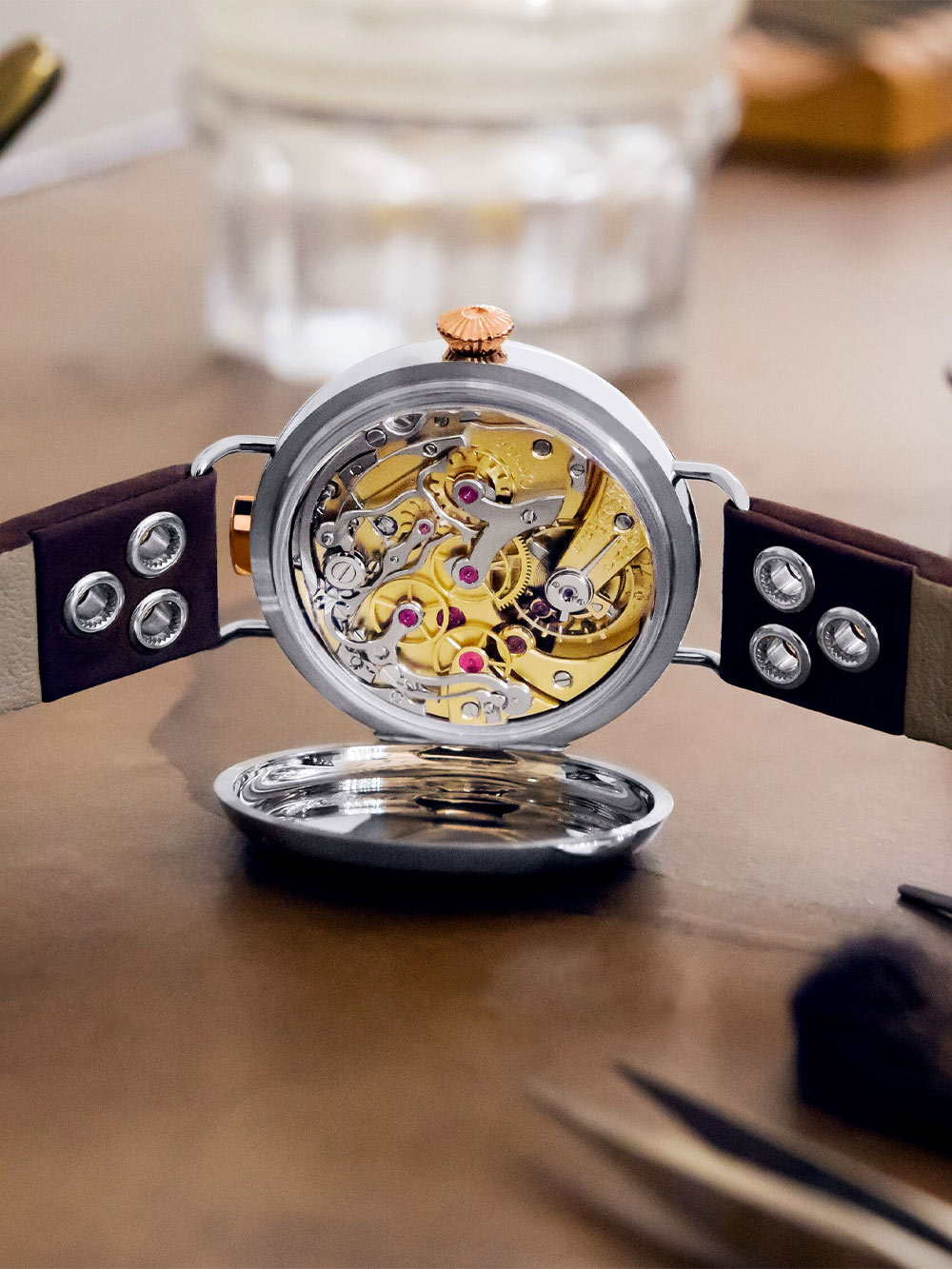
The PAM00021 carries the architecture of early Panerai design and the movement lineage that helped define the brand before it became a mainstream luxury name.
Doxa SUB 200 T.Graph 130th Anniversary and the Valjoux 7734
Doxa took a similarly serious route for its 130th anniversary in 2019.
Rather than creating a simple vintage-inspired diver, the brand revived the SUB 200 T.Graph, a distinctive chronograph design first launched in 1969.

The original T.Graph stood apart as an underwater chronograph with a twin-register dial layout and Doxa’s patented no-decompression bezel.
For the anniversary model, Doxa used preserved vintage Valjoux 7734 hand-wound movements instead of a contemporary automatic chronograph calibre.
The Valjoux 7734 is a cam-operated chronograph movement associated with the golden age of sports chronographs.
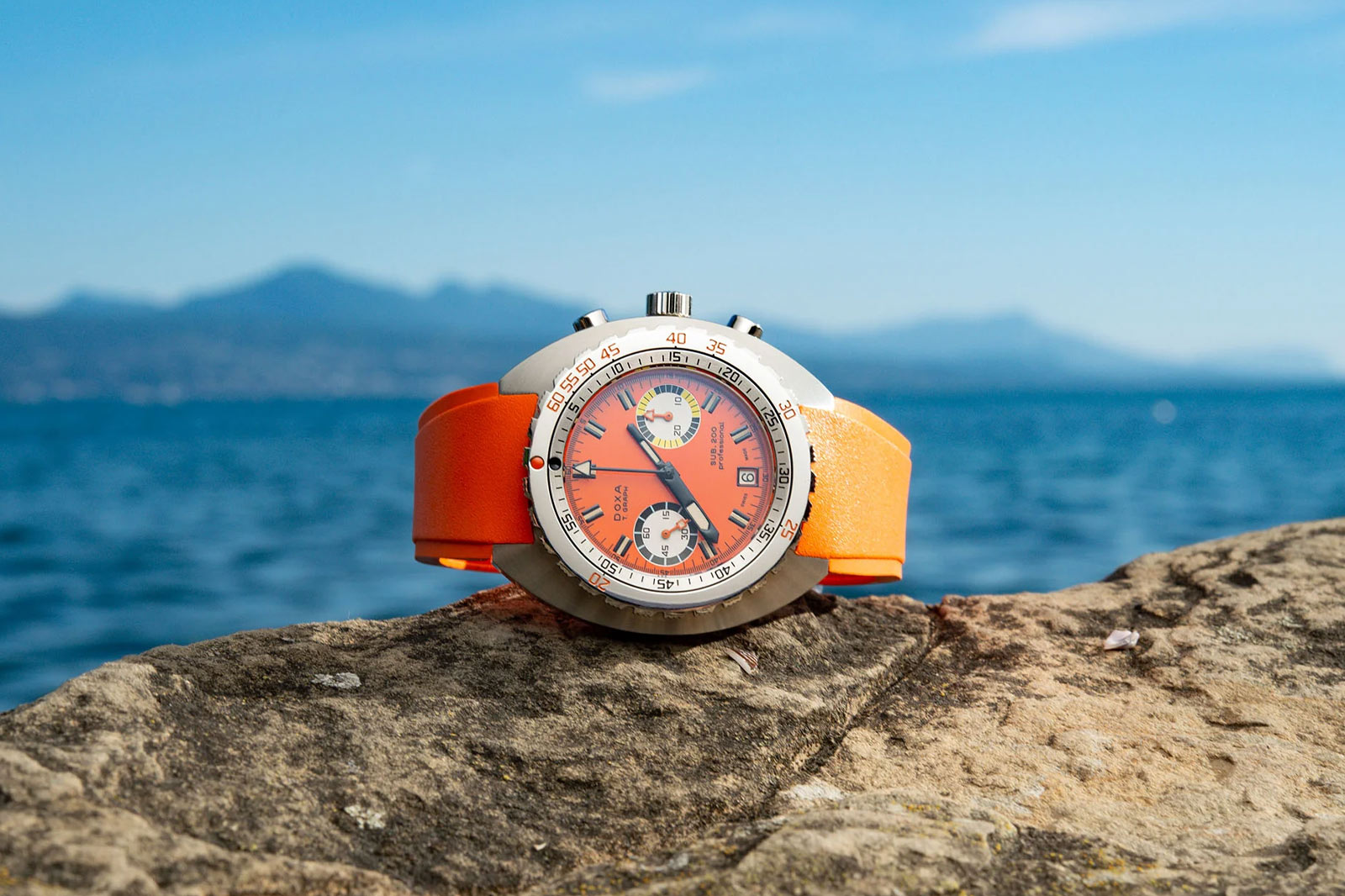
Its appeal is partly practical and partly sensory, with tough shock resistance and the kind of positive pusher action that mechanical chronograph collectors tend to remember.
Doxa fully disassembled, cleaned and rebuilt the roughly 50-year-old calibres before fitting them into the anniversary watches.
The case is a 43mm barrel-shaped cushion design offered in stainless steel or 18k rose gold.
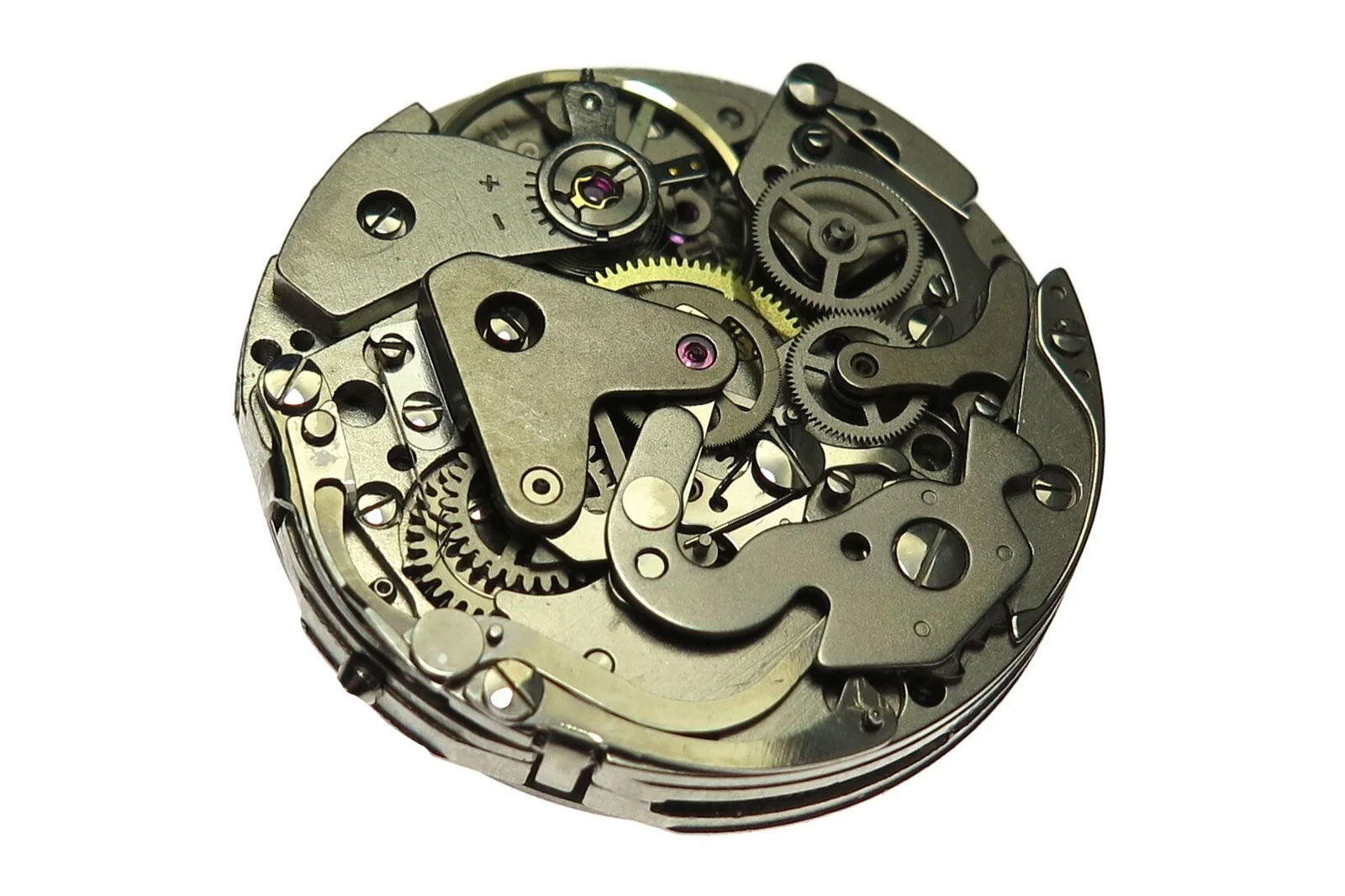
The dial uses Doxa’s unmistakable Professional orange, balanced by a black minutes counter at 3 o’clock and running seconds at 9 o’clock.
The result is not just a tribute to 1969 design, but a watch with an actual mechanical connection to the period that inspired it.
Chronoswiss and the art of rescuing old movements
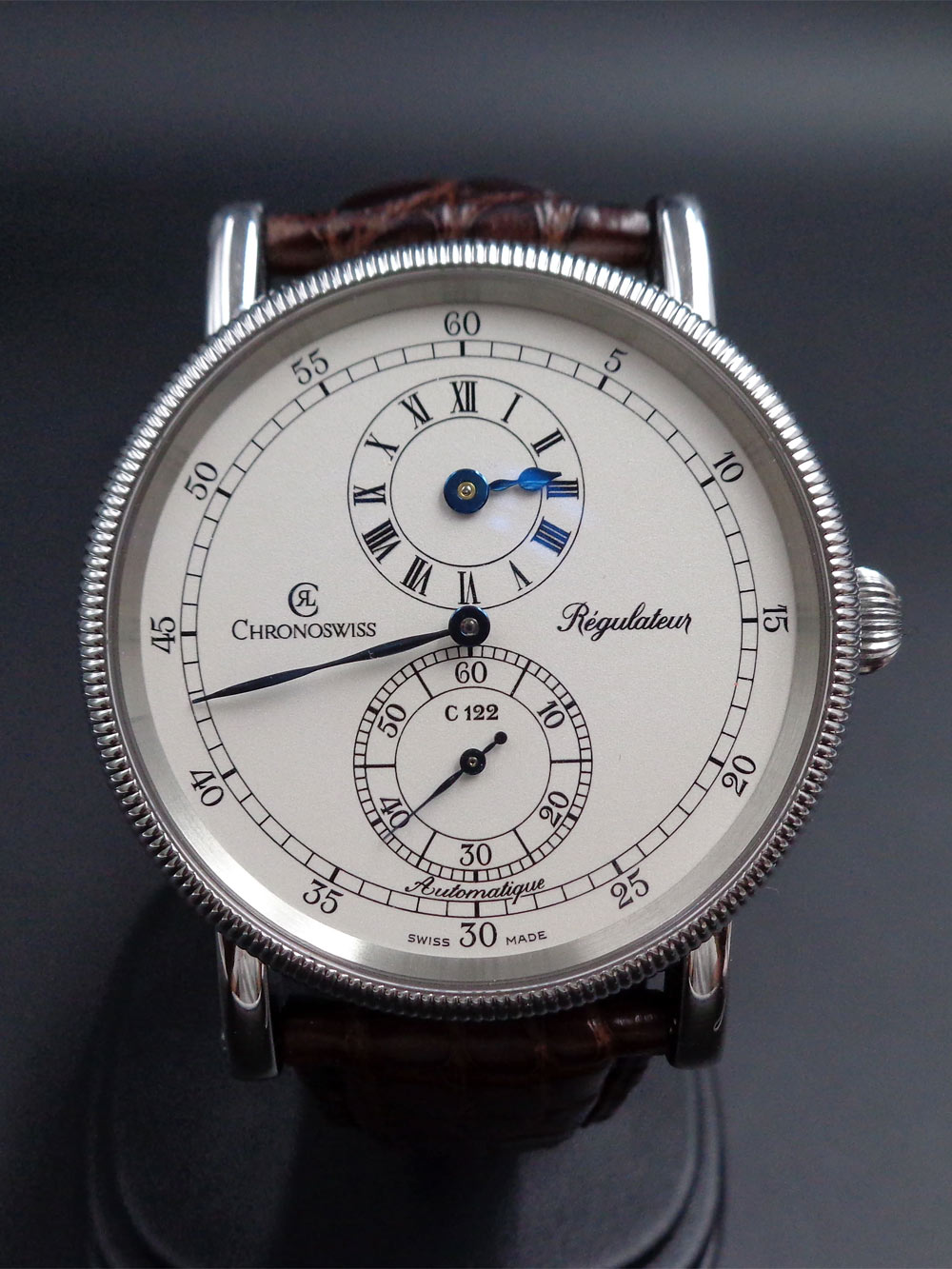
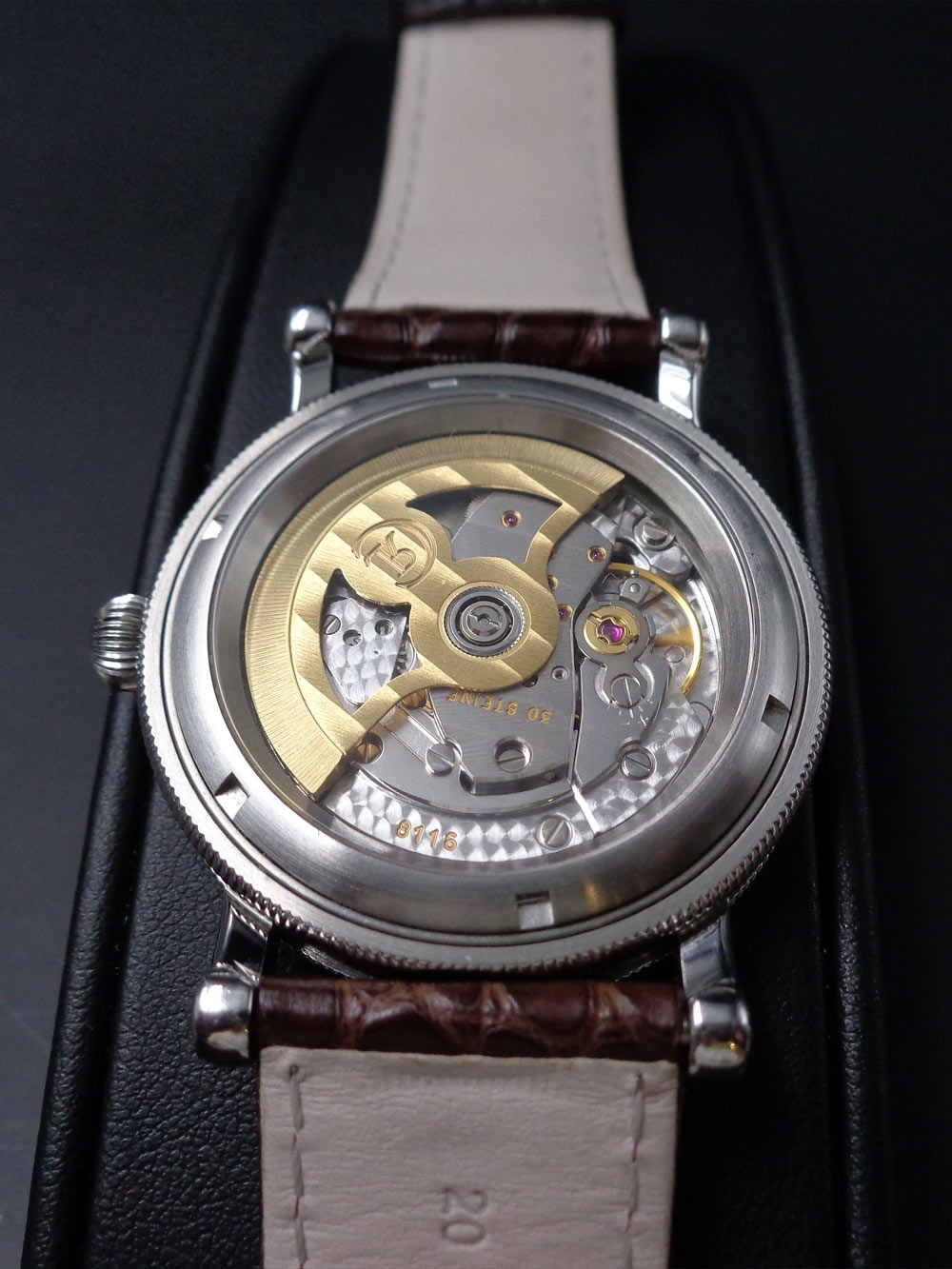
Chronoswiss occupies an important place in this conversation because its modern identity has long been tied to the preservation and creative use of historical movements.
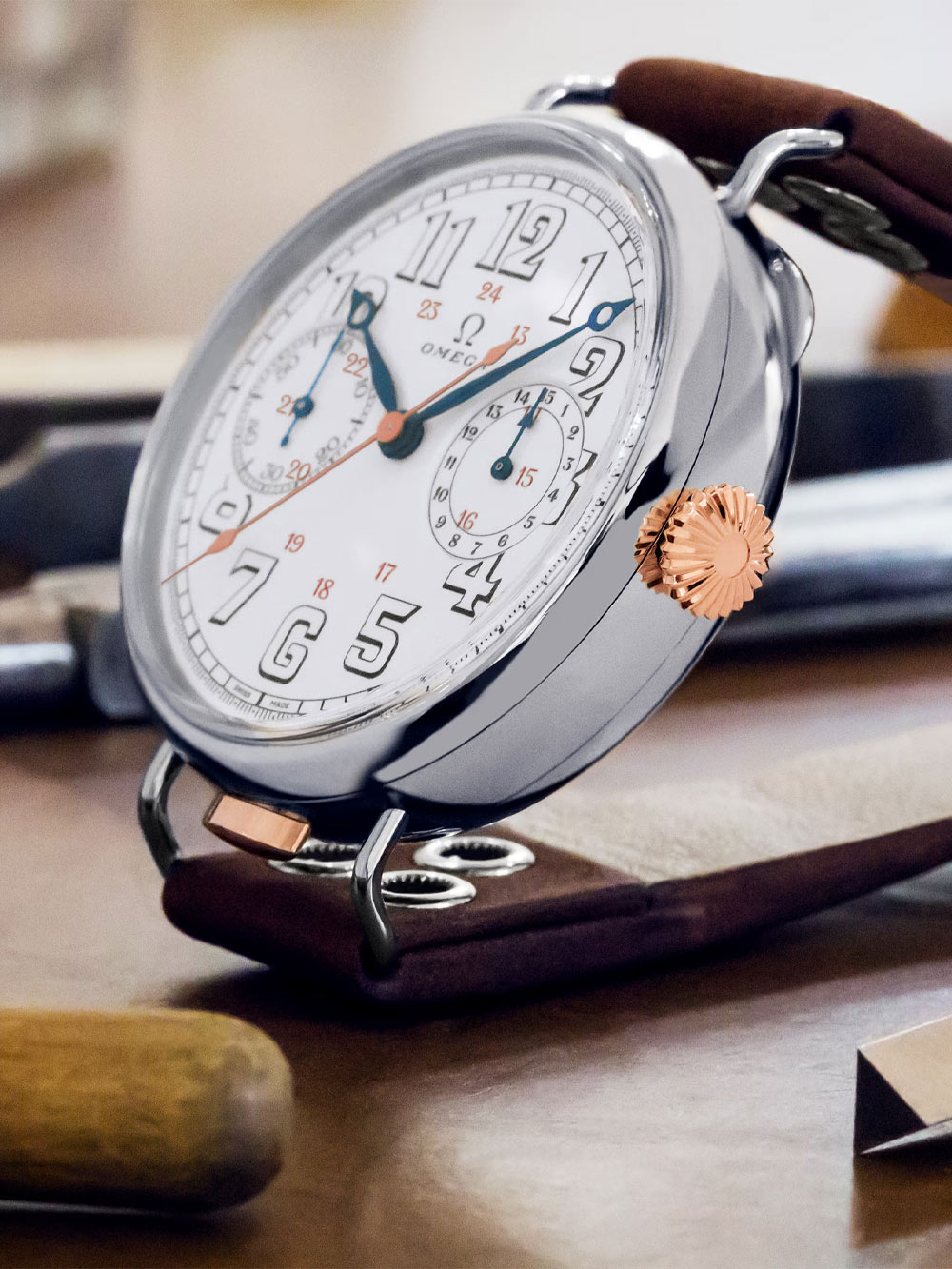
The Régulateur Calibre C.122 reflects the brand’s interest in giving older mechanical stock a new visual and horological context.
That approach is especially suited to regulator displays, where the separation of hours, minutes and seconds already encourages the wearer to look at time differently.
In a market crowded with modern calibres chasing ever finer tolerances, a watch like this appeals to collectors who want visible character and a sense of continuity.
The attraction is not nostalgia alone.
It’s the idea that unused historical mechanics can still have a meaningful second life when treated with the right level of care.
Details & Specifications
| Watch | Panerai Radiomir PAM00021 |
|---|---|
| Production | 60 pieces |
| Case size | 47mm |
| Case material | Polished platinum |
| Movement | Rolex calibre 618 hand-wound movement |
| Movement size | 16 lignes |
| Frequency | 18,000 vibrations per hour |
| Jewels | 17 |
| Dial | Black sandwich dial with luminous lower layer |
| Watch | Doxa SUB 200 T.Graph 130th Anniversary |
| Launch context | Released for Doxa’s 130th anniversary in 2019 |
| Case size | 43mm |
| Case material | Stainless steel or 18k rose gold |
| Movement | Vintage Valjoux 7734 hand-wound chronograph movement |
| Chronograph type | Cam-operated |
| Dial | Professional orange with black minutes counter and running seconds subdial |
| Bezel | Patented no-decompression bezel |
Watches with New Old Stock movements will always sit slightly outside the regular rhythm of the industry.
They’re harder to make, harder to scale and impossible to repeat once the movements have been used, which is precisely why they remain so seductive to collectors who want more than flawless modern efficiency.