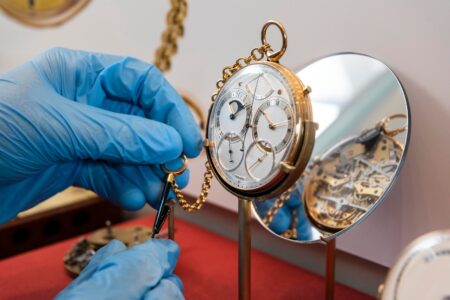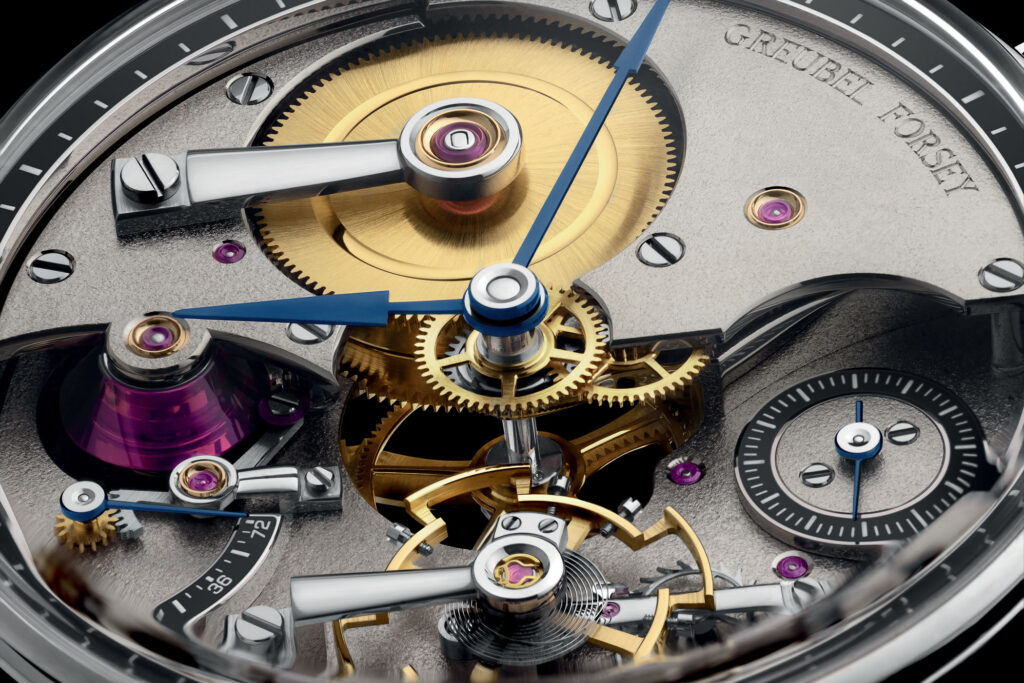
Turn a fine mechanical watch over and the real conversation often starts on the back. The movement may be hidden under bridges, screws and wheels, but its finishing tells you how much care went into the machine.
Movement decoration is part beauty, part tradition and sometimes part practicality. Here’s how to read some of the most important finishes through a display caseback.
At a glance
- Movement decoration began as a way to make early portable timekeepers worthy of wealthy and royal clients.
- Finishes such as Côtes de Genève, engraving, black polishing and perlage remain key signs of high-level mechanical watchmaking.
- The best examples can involve demanding handwork and may be recognised by standards such as the Geneva Seal or a brand’s own finishing criteria.
For collectors, these details matter because they reveal the difference between a movement that’s merely assembled and one that has been considered as an object of craft.
Why movement decoration matters
Early portable watches, including the 16th-century German pieces often called Nuremberg Eggs, were mechanical marvels made for a tiny circle of clients who expected ornament as much as function.
Accuracy was nowhere near modern standards, so the appeal of these objects came from their ingenuity, precious materials and the workmanship visible on cases, dials and movements.
Over time, some decorative techniques became more than visual theatre.
Finishes could disguise tool marks, reduce the visual impact of scratches, catch dust or simply prove that a maker had spent real time refining parts that many owners might never see.
Engraving and the language of handwork
Engraving is among the oldest and most expressive forms of watch decoration.
It sits within the broader world of métiers d’arts, the traditional artistic crafts that include painstaking hand-finishing techniques used on movements, cases and dials.
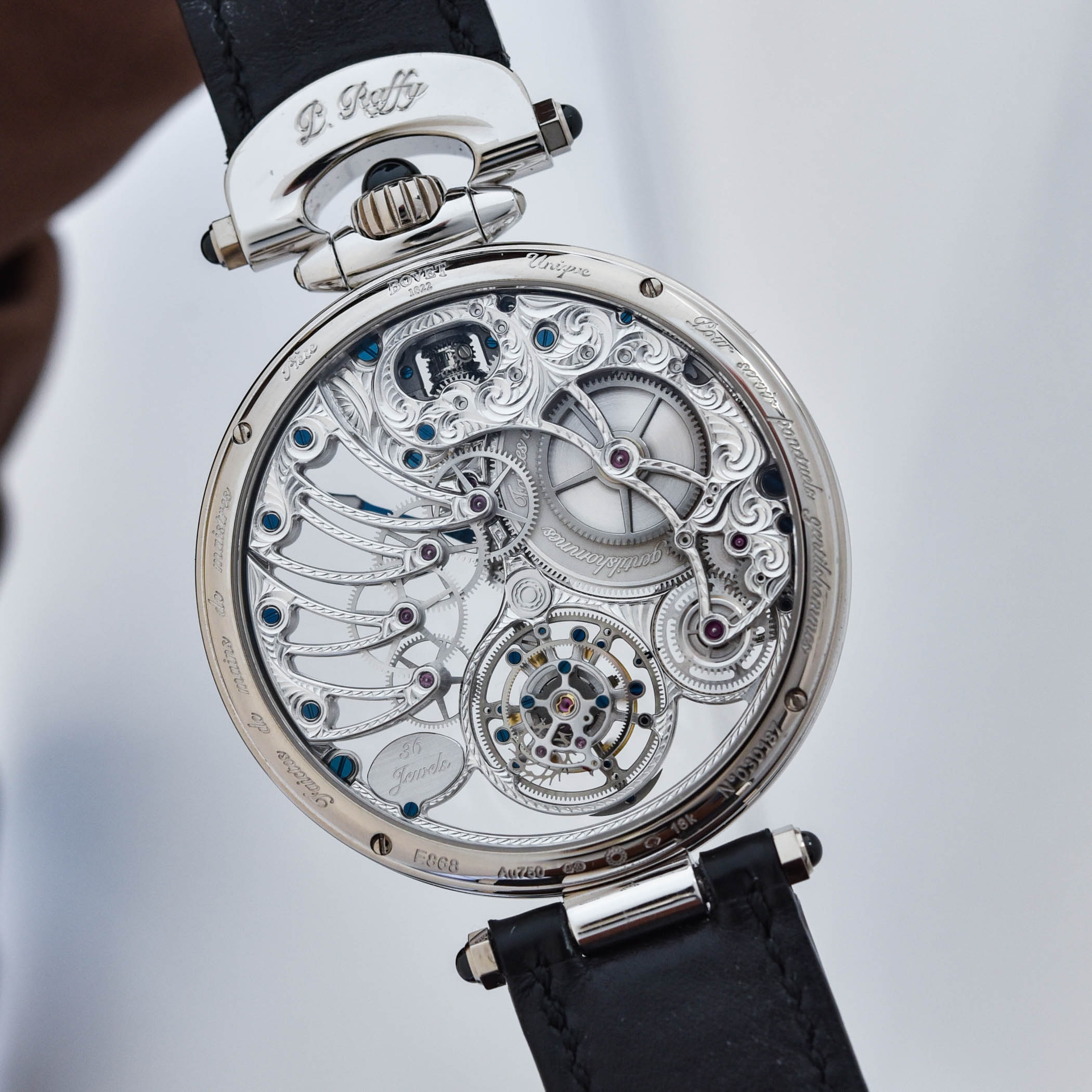
In watchmaking, engraving can be ornamental, narrative or personal.
A floral balance cock, a skeletonised bridge with curling volutes or a custom inscription all speak to the same idea, which is that metal can carry identity as well as function.
The best hand engraving is unforgiving because one slip of the tool can ruin a component.

That risk is part of its value, especially when the work is done on narrow bridges or openworked calibres where there’s very little metal left to support the pattern.
Geneva stripes, black polish and perlage
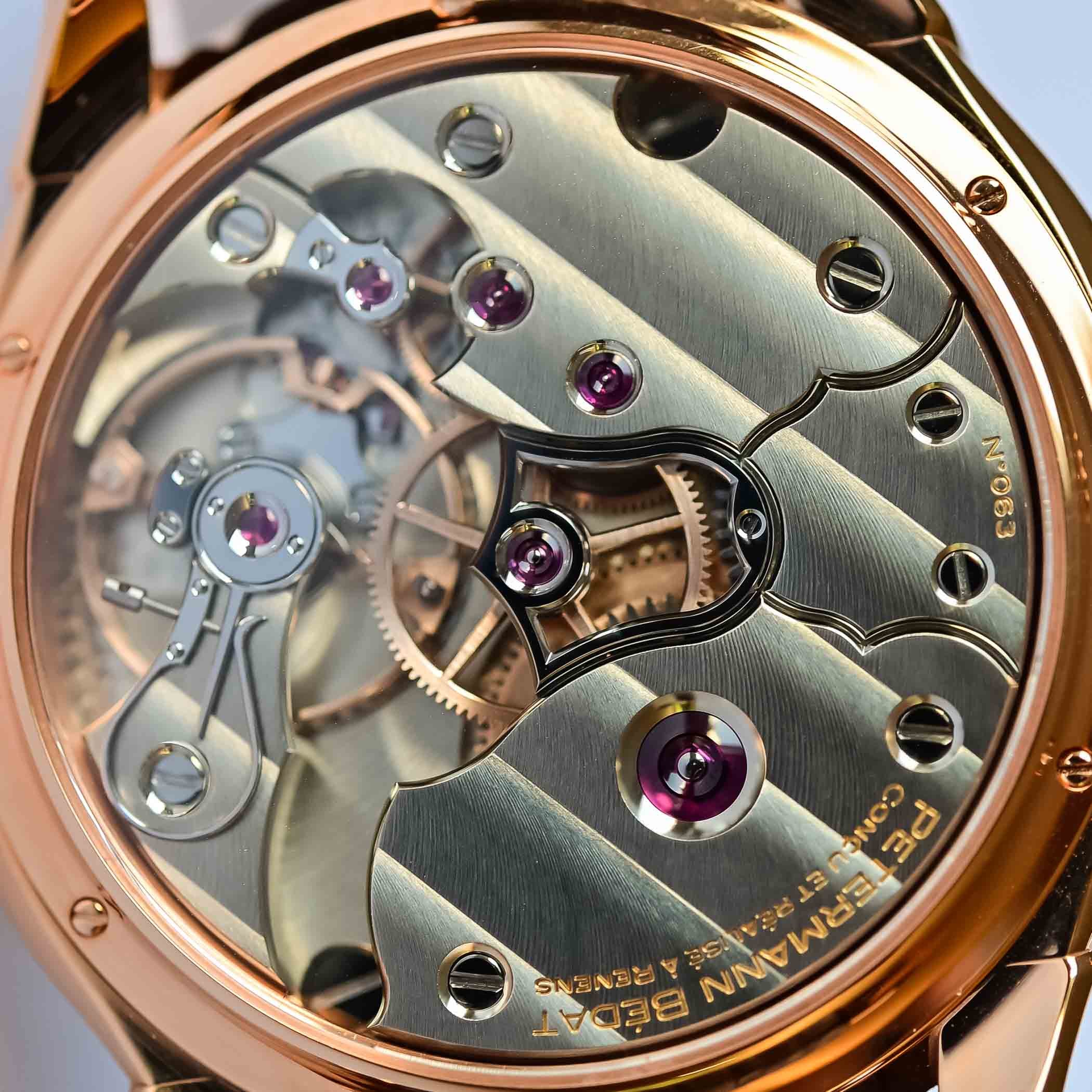
Côtes de Genève, often called Geneva stripes, is probably the most familiar decoration seen through modern display backs.
The parallel ridges were developed in Geneva in the late 19th century and helped catch small particles of dust and oil at a time when watch cases offered far less protection than they do today.

They also turned practical abrasion into an attractive visual rhythm.
On high-end movements, the stripes may be applied by hand with abrasive tools, while many modern movements use machines to achieve consistent lines.
There are variations too, including circular, spiral and wavy forms.
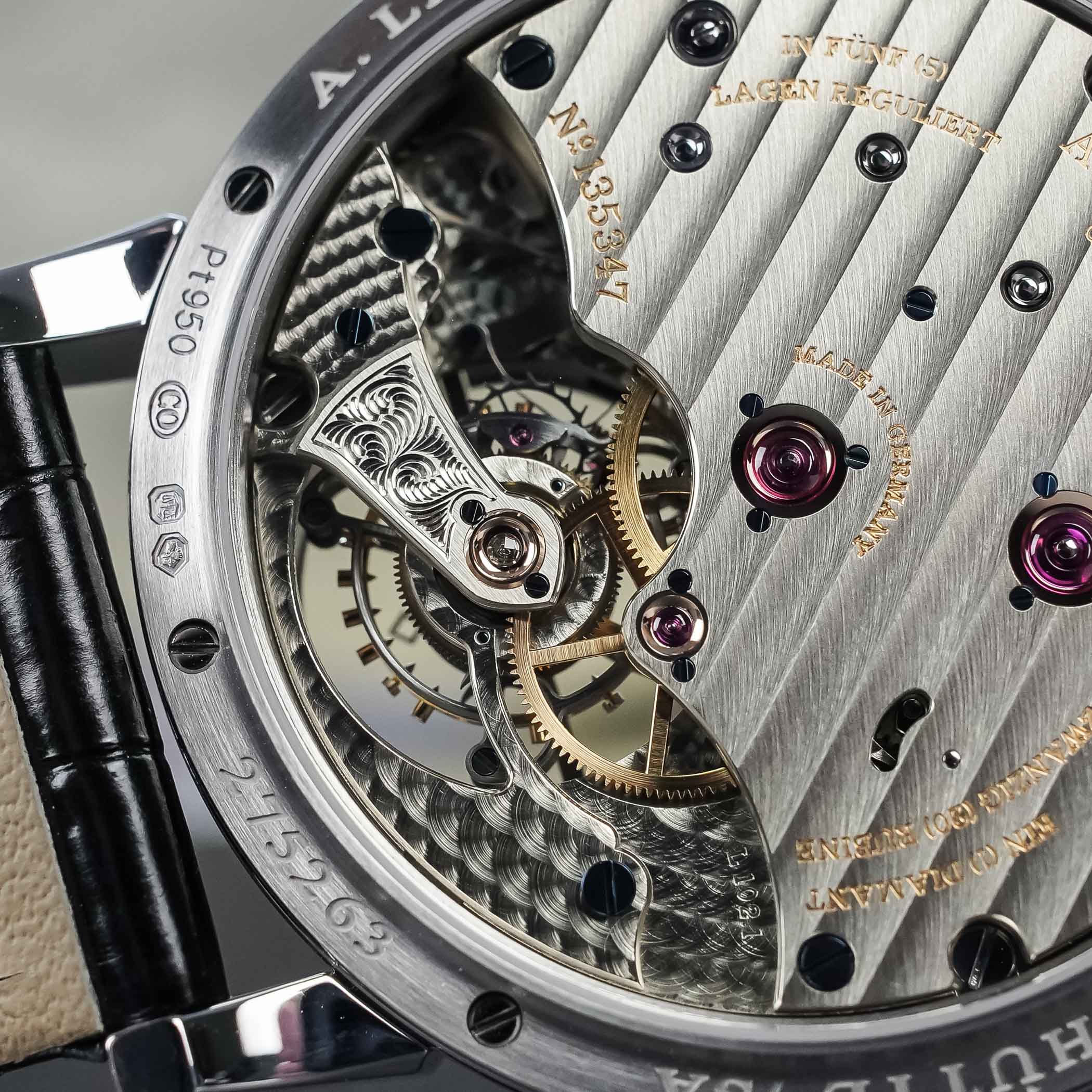
Omega’s Geneva Waves in Arabesque are a notable example of a more flowing interpretation, while German makers often use the related term Glashütte stripes when decorating three-quarter plates.
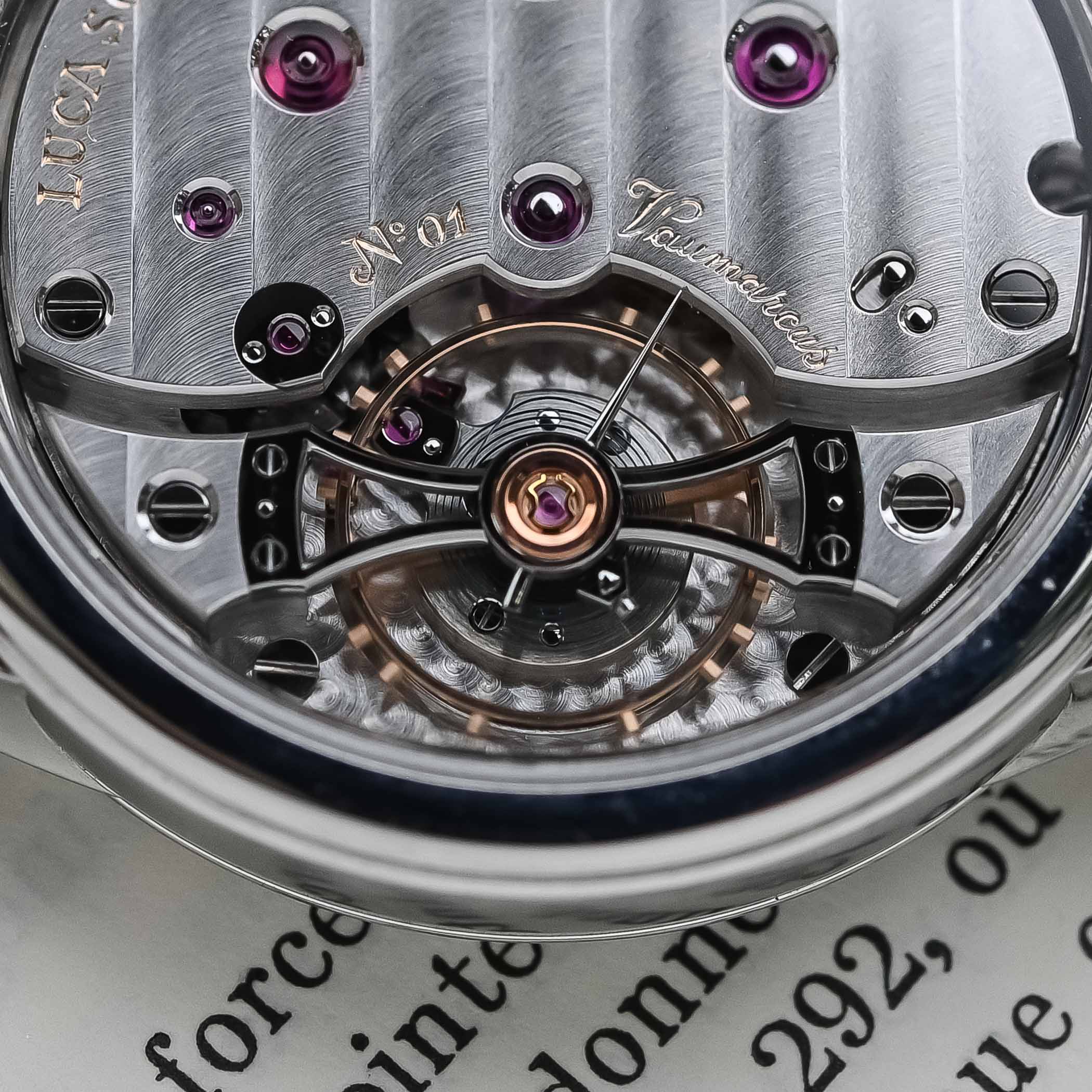
Black polishing is a quieter but more demanding sign of serious finishing.
Known in French as poli noir or spéculaire, it creates a surface so flat and smooth that it reflects light in one direction and can appear black from certain angles.
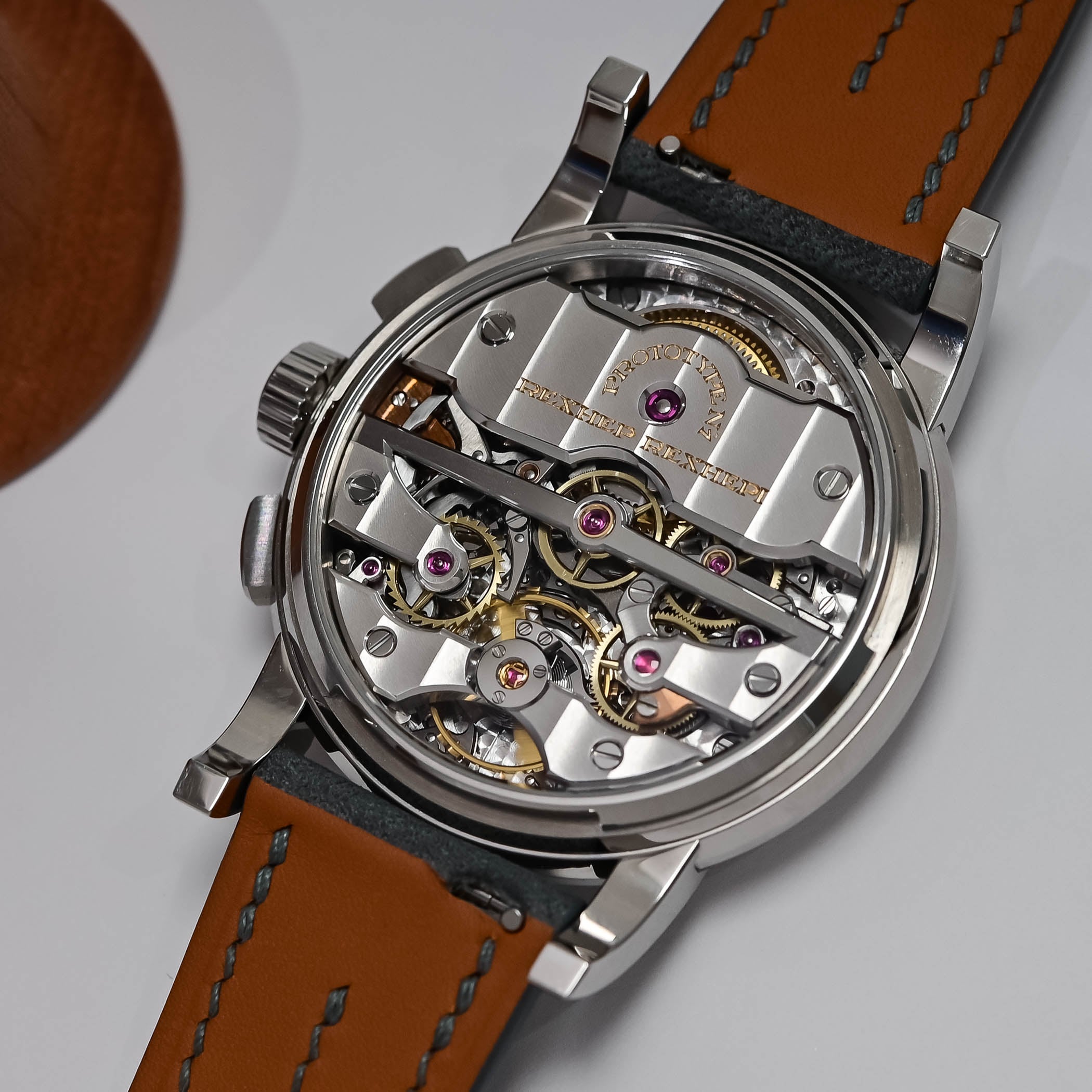
The technique is generally reserved for steel parts such as screw heads, levers, bridges and regulators.
It can take hours for a single component and requires careful control of abrasive, pressure and motion.
Perlage, also called circular graining, is the pattern of overlapping small circles often found beneath bridges or on areas that are partly hidden once the watch is assembled.

Its placement says a lot about a manufacturer’s priorities, since finishing an area the owner may rarely see is one of the classic signs of watchmaking discipline.
What seals and standards tell you
Finishing has become formal enough that some watches carry recognised approvals for movement decoration and construction.
The Geneva Seal, or Poinçon de Genève, is the best-known independent standard linked to Geneva watchmaking and is associated with strict requirements for movement execution.
Some elite houses also use their own internal marks.
The Patek Philippe Seal is one prominent example, covering a broader view of quality that includes finishing, performance and the completed watch.
These marks aren’t the only way to judge a movement, but they do provide useful context when you’re comparing levels of handwork.
| Decoration | What it looks like | Why it matters |
|---|---|---|
| Engraving | Cut patterns, lettering or motifs in metal | Shows individual handwork and can add narrative or identity |
| Côtes de Genève | Parallel or curved striped waves | Historically helped trap dust and oil while giving bridges visual structure |
| Black polishing | Mirror-flat surfaces that can appear black at an angle | One of the clearest signs of difficult hand finishing on steel parts |
| Perlage | Overlapping circular grains | Often used on plates and hidden areas, showing care beyond the obvious surfaces |
The appeal of movement decoration is that it rewards attention.
You don’t need a loupe to enjoy Geneva stripes, but the closer you look, the more these finishes explain why traditional mechanical watchmaking still holds its fascination.
FAQ