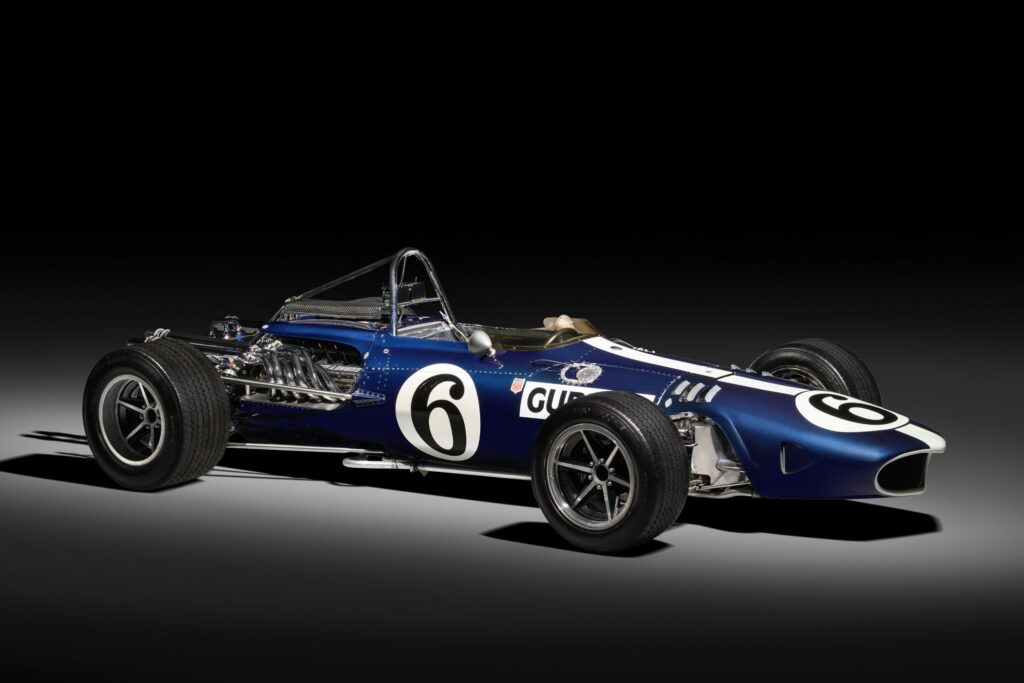
Few Formula 1 cars carry a story as distinctive as the AAR Eagle Mk I.
It was American in origin, European in ambition and beautiful in a way that still feels arresting decades later.
More importantly, it sits at the centre of one of the sport’s rarest achievements, with Dan Gurney winning a Grand Prix in a car he helped create.
At a glance
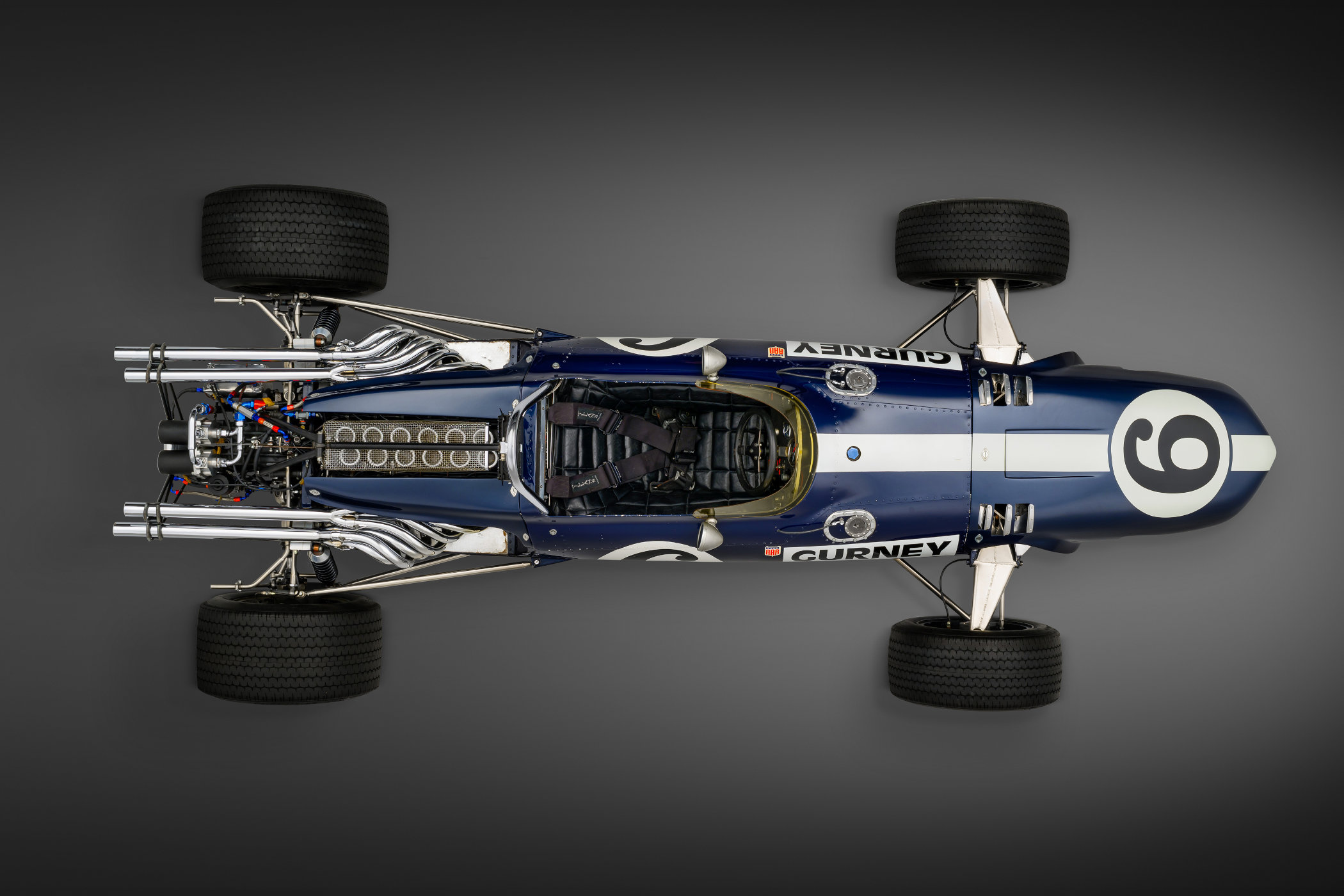
- A 1967 AAR Eagle Mk I Gurney-Weslake V12, the third of only four built, has been offered by RM Sotheby’s through sealed bids.
- The car uses the Weslake 3.0-litre V12 and represents the American-built Formula 1 design that took Dan Gurney to victory at Spa in 1967.
- The estimate is USD 7,000,000 to USD 9,000,000, reflecting its rarity, design significance and place in Grand Prix history.
Dan Gurney’s American Formula 1 ambition
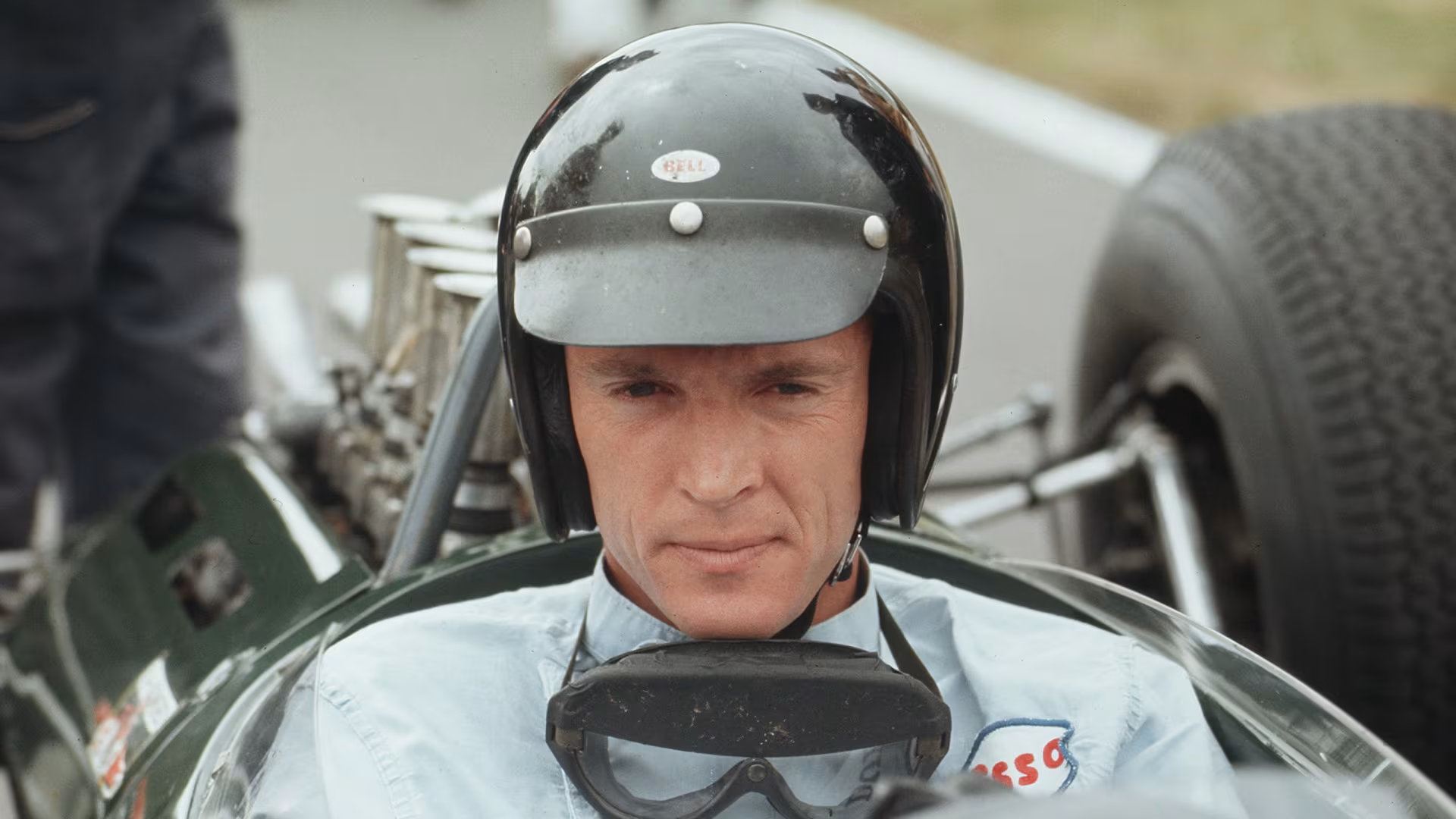
Dan Gurney was never just a driver who happened to turn up in interesting machinery.
He was one of the few racers quick enough, curious enough and technically engaged enough to shape the machines around him.
His Formula 1 record includes four Grand Prix victories, with wins for Porsche in 1962, Brabham in 1964 and his own Eagle in 1967.
That last victory placed him in exceptionally rare company, alongside Jack Brabham and Bruce McLaren as a driver who won at Grand Prix level in a car linked to his own organisation.
Gurney’s range was even broader outside F1.
He took a class win at Le Mans in 1964 with Bob Bondurant in the Shelby Cobra Daytona, then won the 1967 24 Hours of Le Mans outright with A.J. Foyt in the Ford GT40 Mk IV.
All American Racers arrived in 1964 after discussions between Gurney and Carroll Shelby, with the AAR initials later carrying neatly into a UK operation named Anglo American Racers.
The idea was bold but direct, with an American racing outfit taking its own chassis to the European centre of Formula 1 construction.
The Eagle shape and the Weslake V12
The Eagle Mk I, also known as the Eagle T1G, was designed by Len Terry, who had worked on the Lotus 38 that won the 1965 Indianapolis 500.
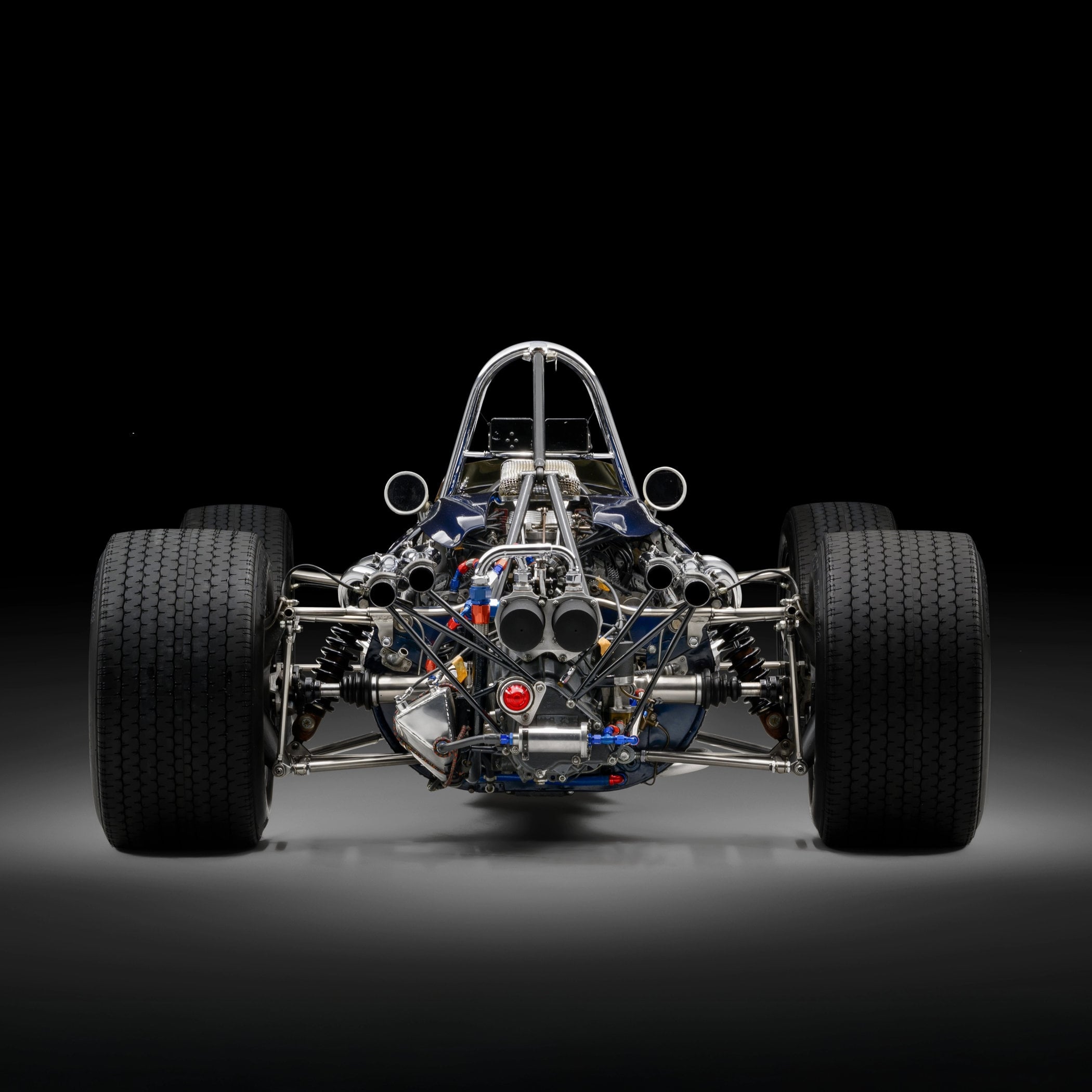
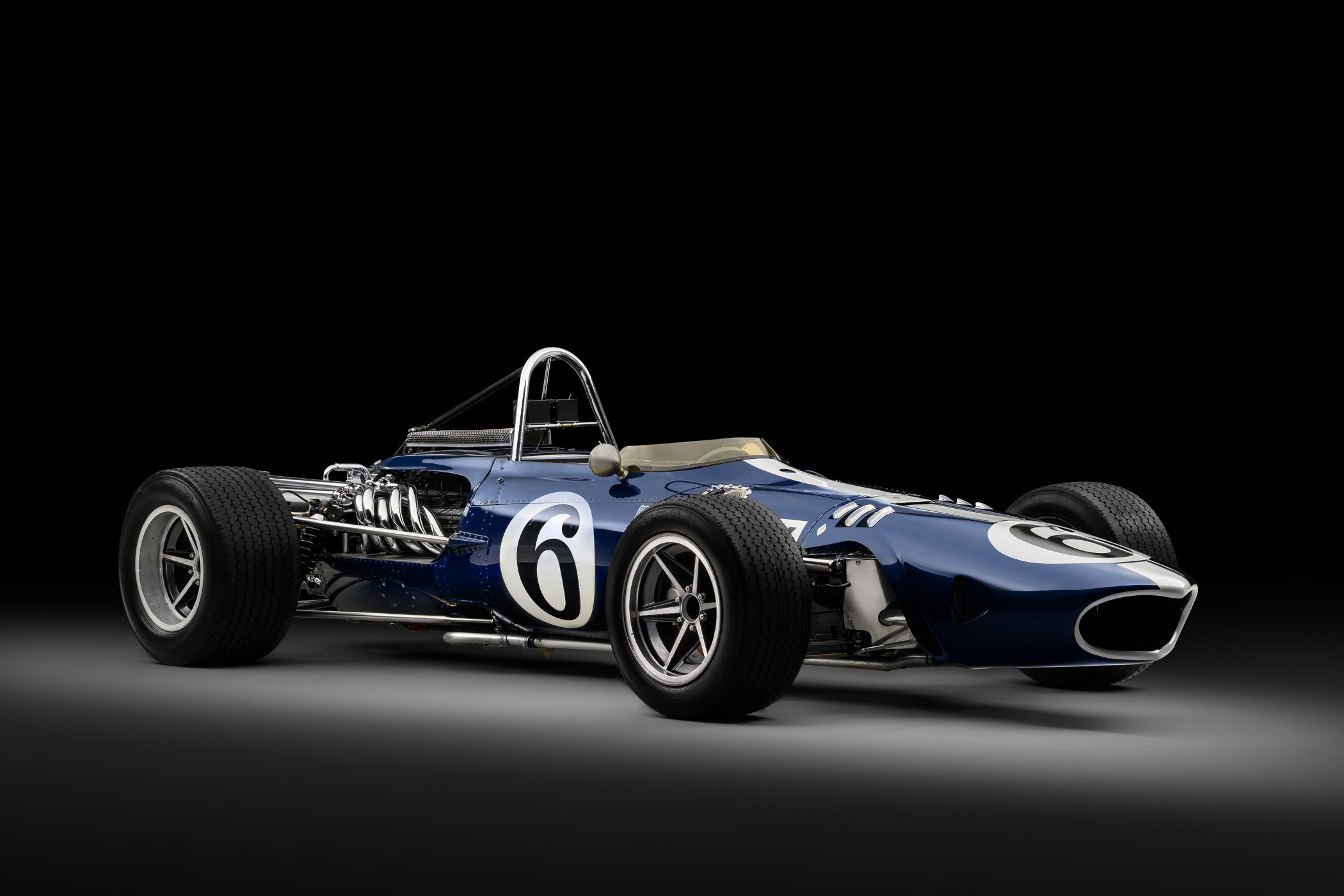
Its form remains one of the great visual statements of the 1960s Grand Prix era.
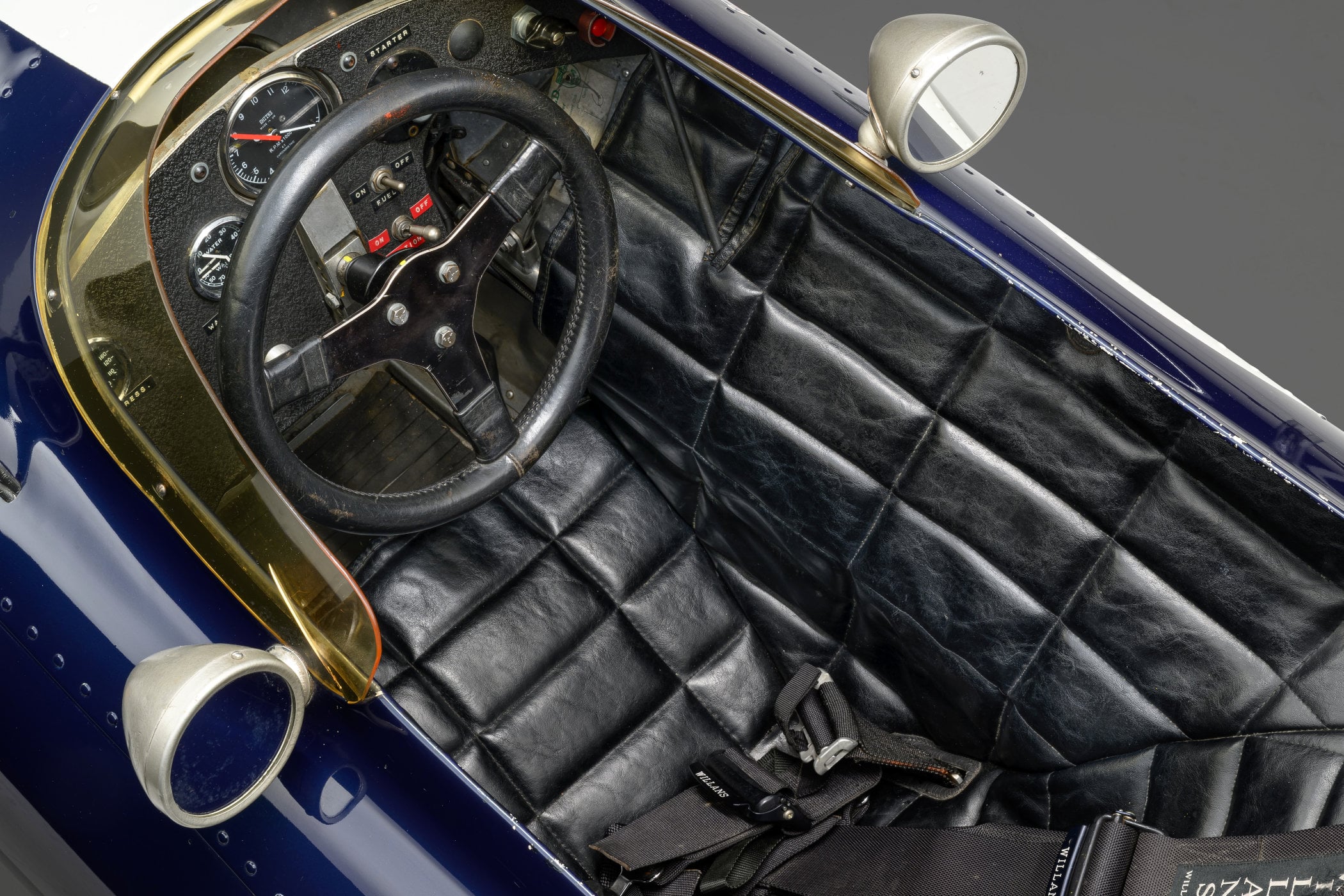
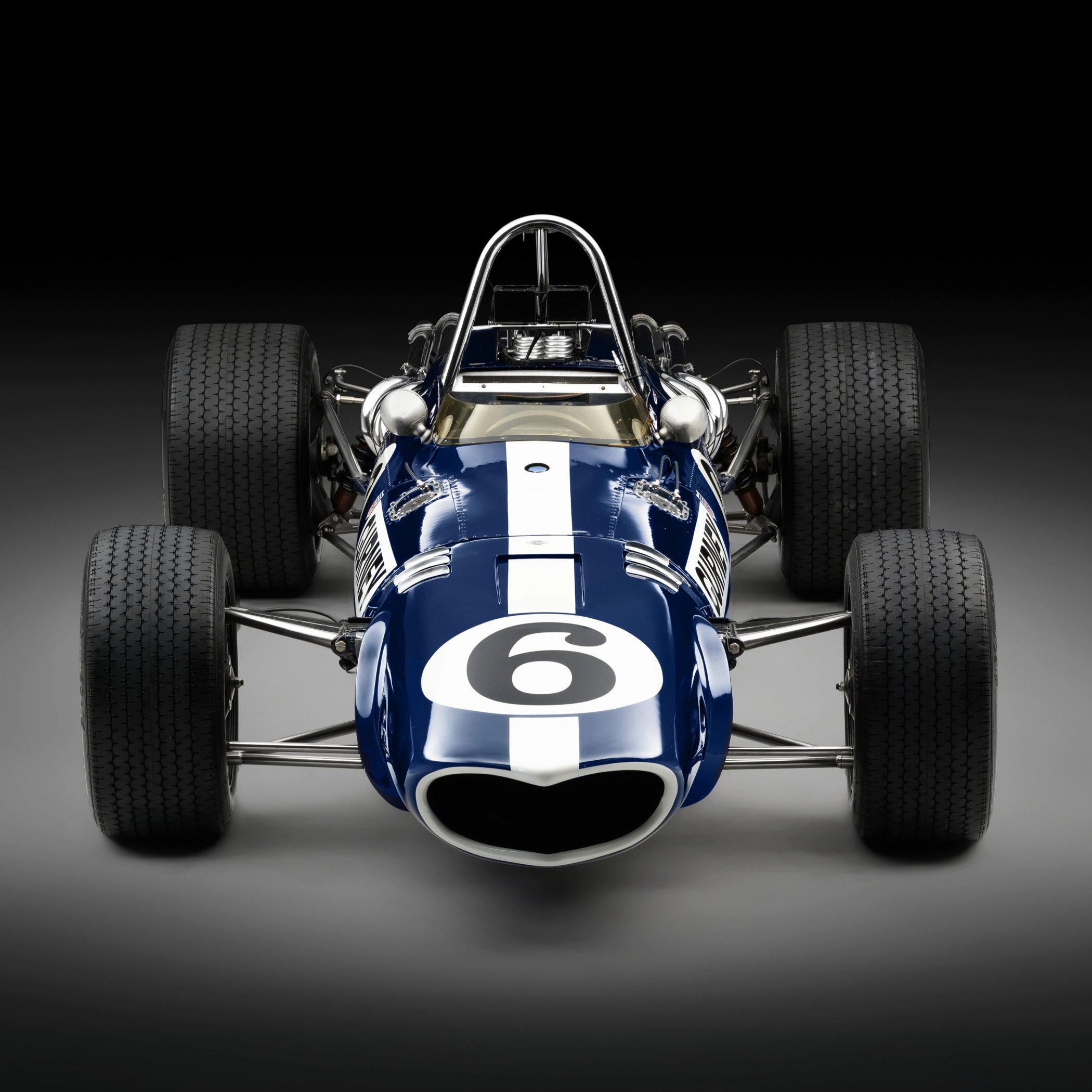
The car used a full-length monocoque incorporating aluminium, titanium and magnesium, wrapped in a slender cigar-shaped body typical of the period.
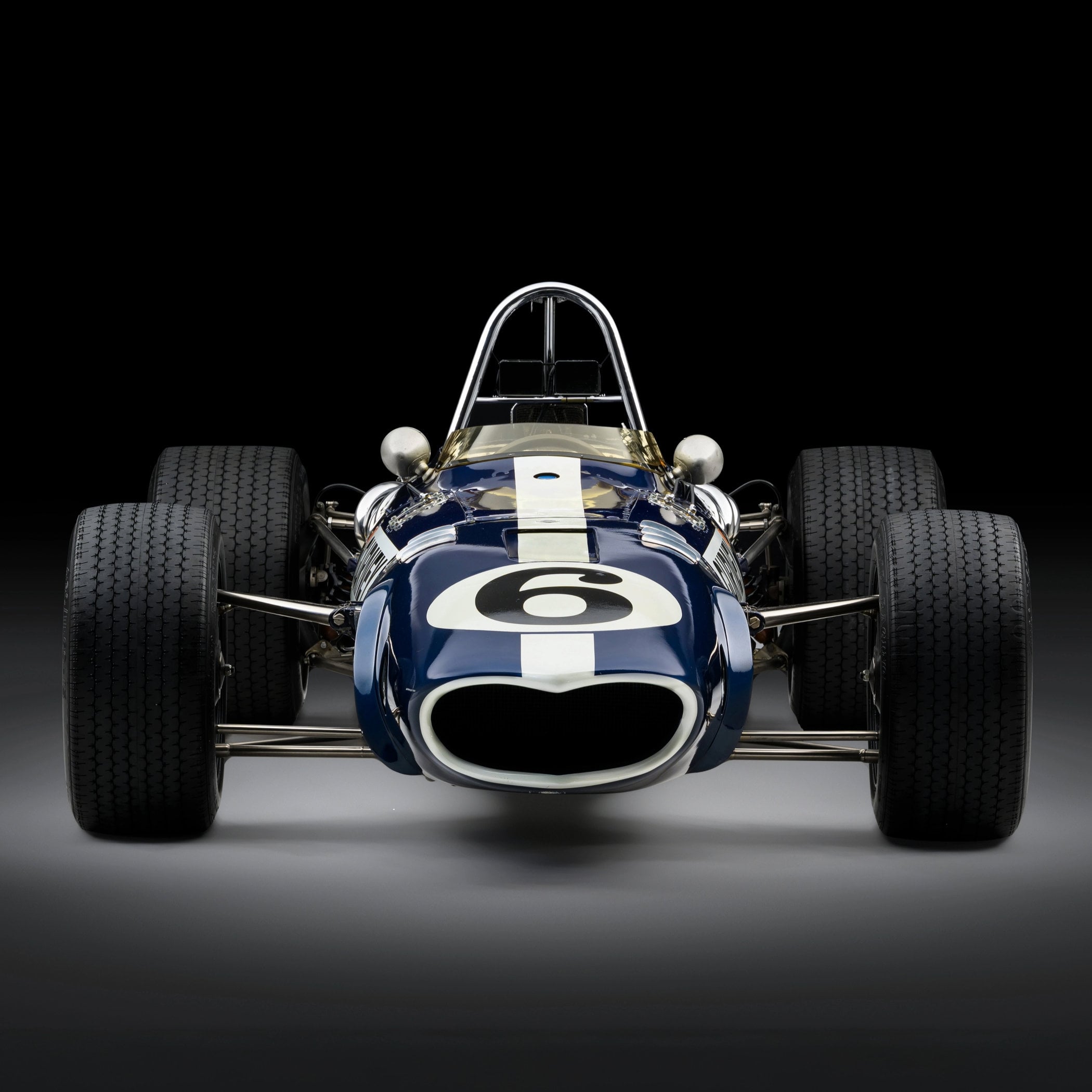
Imperial blue paint, white roundels and a white centre stripe inverted the usual American racing colours and gave the Eagle an identity distinct from the British and Italian machinery around it.
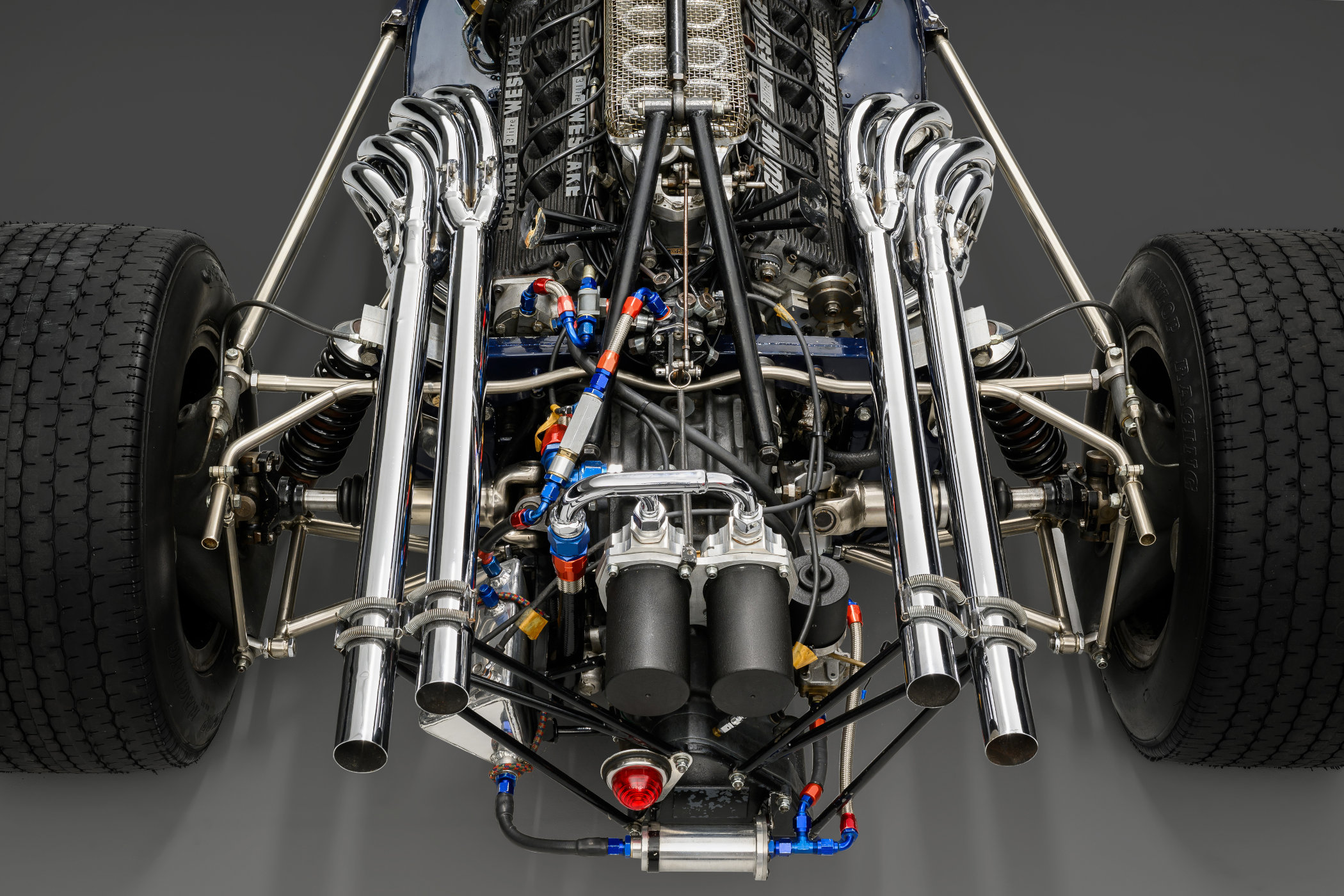
The pointed, beak-like nose made the car instantly recognisable.
Early running was handled by a 2.7-litre Coventry Climax inline-four, but the chassis had been conceived around something more ambitious.
That was the 3.0-litre Weslake V12, developed nearby by Harry Weslake’s engine company and producing around 390bhp.
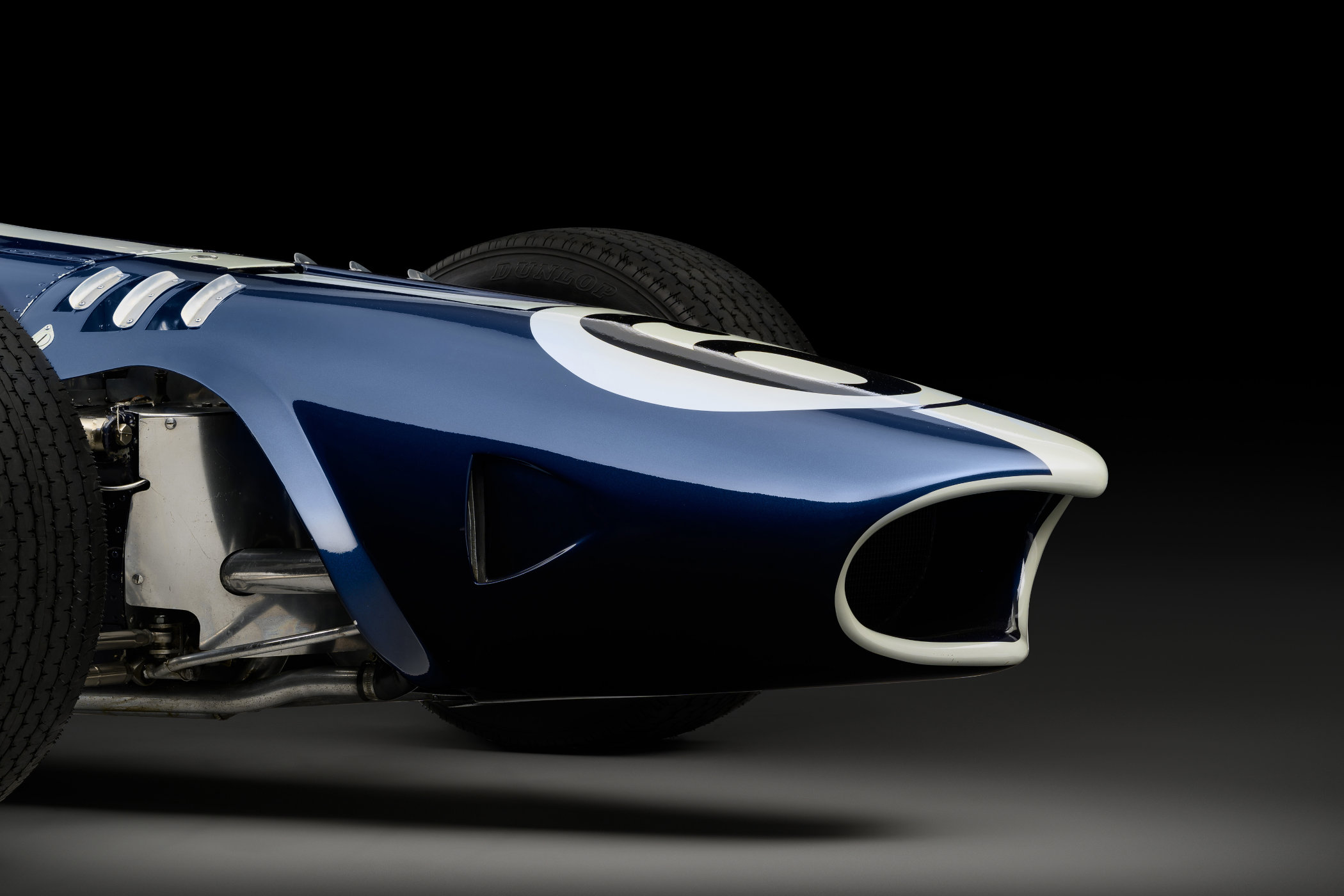
The Eagle also used a Hewland DG300 five-speed manual gearbox, while its suspension geometry was adapted for European circuits rather than simply mirroring the Indy car programme.
Spa, 1967 and the Eagle’s place in Grand Prix history
The Eagle made its Formula 1 debut at the 1966 Belgian Grand Prix, and even with the less powerful Climax engine it showed promise.
Gurney finished fifth in France, seventh in Germany and fifth again in Mexico that season.
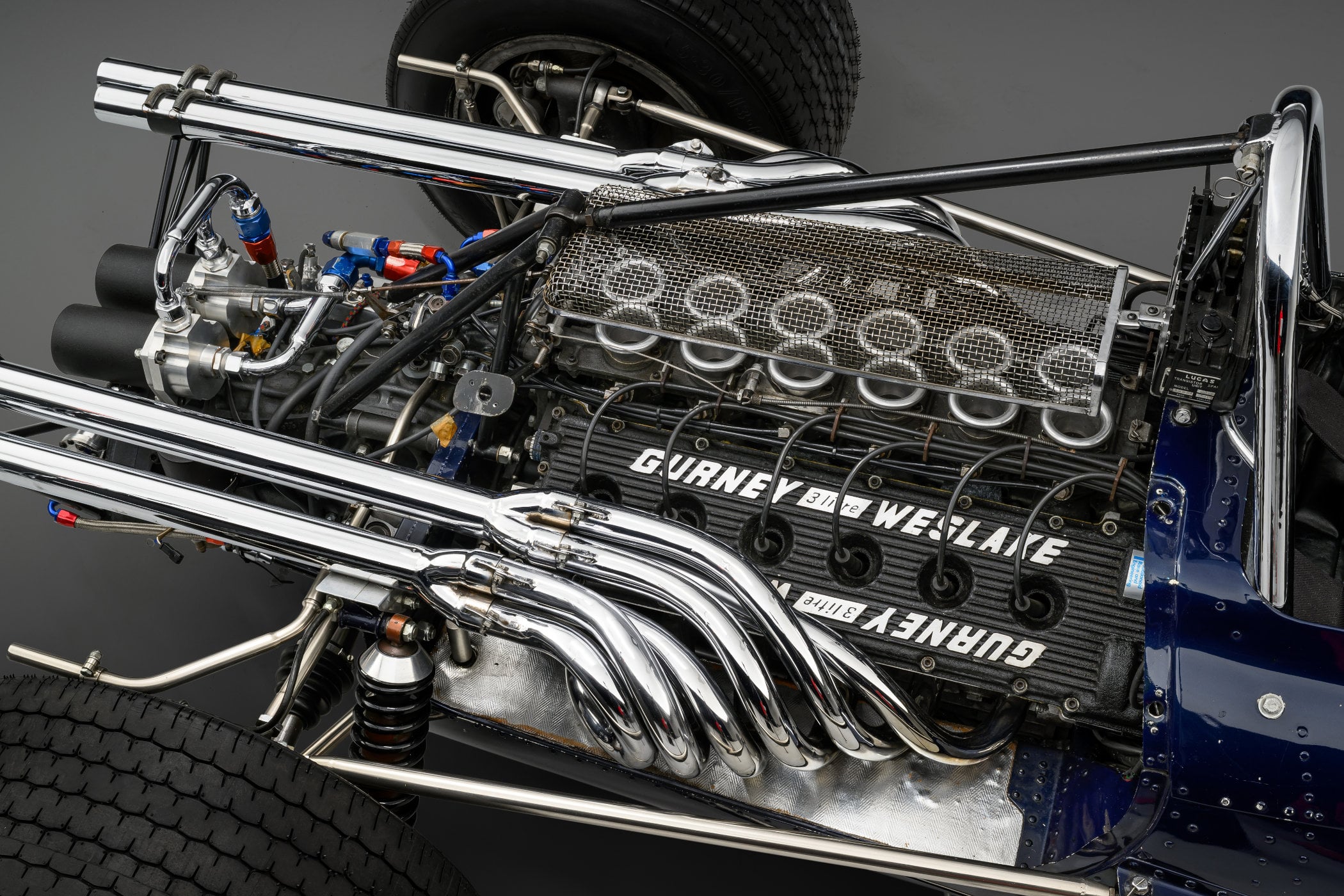
When the Weslake V12 arrived, the performance potential increased sharply, though reliability and development challenges meant results didn’t immediately transform.
The defining moment came back at Spa-Francorchamps in 1967.
Gurney qualified second behind Jim Clark, then moved into contention as the race unfolded and mechanical trouble affected the front runners.
He passed Jackie Stewart with eight laps remaining and went on to win, setting a Grand Prix average speed record and a Spa lap record in the process.
That victory remains the great signature of the Eagle Mk I programme.
It was also the only Grand Prix win under Formula 1 regulations for a car built by an American team.
The third of four built
The car offered by RM Sotheby’s is the third of only four AAR Eagle Mk I examples built.
It’s not the Spa-winning chassis, but its own competition history is significant.
Driven by Dan Gurney, Richie Ginther and Ludovico Scarfiotti, it finished third at the 1967 Canadian Grand Prix.
That result gives it a direct link to the brief but fascinating AAR Formula 1 campaign, which ran through the 1968 season before Gurney moved away from the programme.
For collectors, the appeal is unusually layered.
This is not simply a rare 1960s Grand Prix car, but a physical trace of an American constructor’s most romantic F1 moment.
Details & Specifications
| Brand | AAR Eagle |
|---|---|
| Model | Mk I Gurney-Weslake |
| Year | 1967 |
| Production | Third of four built |
| Designer | Len Terry |
| Chassis | Full-length monocoque using aluminium, titanium and magnesium |
| Engine | 3.0-litre Weslake V12 |
| Power | Approximately 390bhp |
| Transmission | Hewland DG300 five-speed manual |
| Exterior | Imperial blue with white roundels and white stripe |
| Noted drivers | Dan Gurney, Richie Ginther, Ludovico Scarfiotti |
| Noted result | Third place at the 1967 Canadian Grand Prix |
| Sale format | RM Sotheby’s sealed-bid auction |
| Estimate | USD 7,000,000 to USD 9,000,000 |
The Eagle Mk I occupies a narrow but powerful lane in motorsport history, where engineering ambition, national identity and Gurney’s own talent converged.
For the right collector, this V12 car is less a display piece than a rolling argument for one of Formula 1’s most compelling unfinished stories.