The best watches are rarely defined by one headline specification. More often, they win us over through smaller decisions: the height of a logo, the length of a hand, the shape of a lug, or a flash of colour that keeps the whole dial from becoming too polite. These are the details that turn a competent watch into one you keep looking at long after you already know the time.

A Dial Needs a Strong North
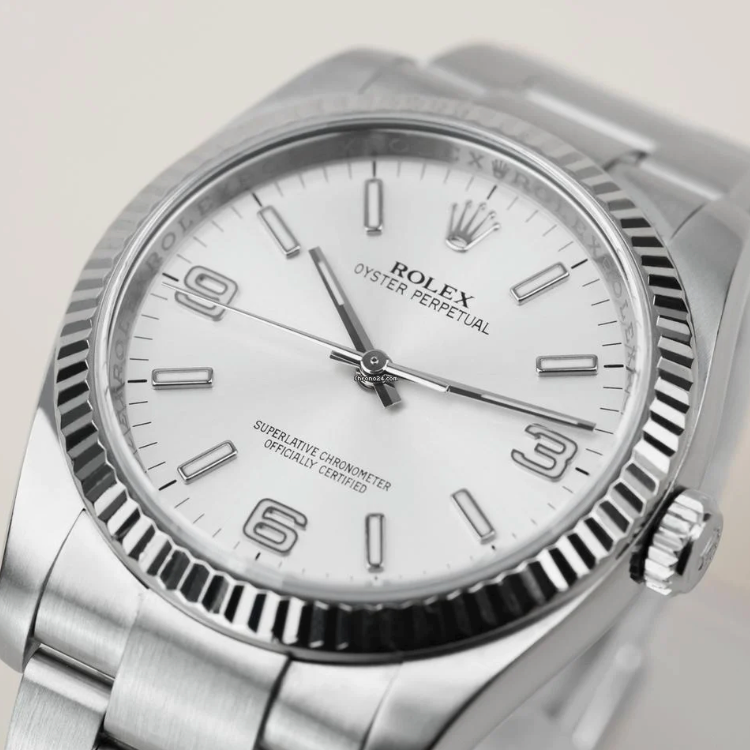
A logo at 12 o’clock remains one of the cleanest ways to anchor a watch dial. Done well, it gives the whole layout a sense of hierarchy and confidence. Rolex is the obvious benchmark here, especially on its 3-6-9 dials where the coronet sits above the hour markers with complete clarity. It is a small placement decision, but it changes the posture of the watch.

Text can do something similar. Minimalism has its place, particularly on dress watches, but a sports watch, diver or GMT often benefits from a little written texture. Depth ratings, chronometer language, model names and functional labels can add balance as much as information. The trick is not simply adding more words; it is using dial text as part of the composition.
The Moving Parts Should Look Alive
A seconds hand is not always necessary, but it is usually welcome. A dial with no running seconds can be elegant, especially in formal pieces, yet there is something reassuring about visible motion. It gives the watch a pulse. That effect is even stronger when the seconds hand has character: a lollipop counterweight, a coloured tip, or in the case of the Rolex Milgauss, that unmistakable orange lightning-bolt hand.

Hands also need to be the right size. This sounds obvious until you see a watch where they are slightly too long, too short or too heavy for the dial beneath them. The best examples feel measured rather than dramatic. Seiko often gets this balance right, and the Alpinist is a useful reference point: its cathedral-style hands have personality, but they still point cleanly to the correct tracks without overwhelming the dial.
Case Proportions Are Where Comfort Is Won
Short lugs can rescue a watch. Case diameter gets most of the attention, but lug-to-lug length is what determines whether a watch actually sits well. A 40mm case with compact lugs can wear beautifully; a 36mm watch with long, straight lugs can feel awkward on a smaller wrist. Cartier has long understood this, with pieces such as the Ronde showing how a larger watch can still remain wearable when the case geometry is right.

The crown matters too. A signed crown is one of those details that can seem minor until it is missing. On a watch that otherwise feels considered, a plain polished crown can look unfinished. There are exceptions, particularly when a cabochon or jewel is used instead, as on many Cartier models, but in most cases a crown should feel like part of the watch rather than a generic component screwed into the side.
Colour, Craft and a Little Mechanical Theatre
Colour does not have to mean a bright dial. Sometimes the best use of colour is much smaller: a hand, a line of text, a subdial accent, a marker or a tip of lume. Ball watches have made this kind of visual energy part of their identity, while plenty of more restrained pieces benefit from a single contrasting note. A GMT hand, for instance, almost begs for a matching accent somewhere else on the dial.

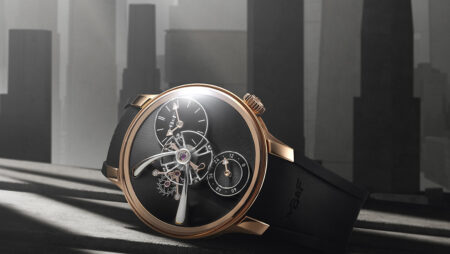
Then there is the tourbillon. As a practical necessity, it is easy to debate. As a piece of visible mechanical theatre, it remains hard to beat. A tourbillon brings motion, depth and rhythm to the dial in a way few complications can match, especially when it is positioned centrally or integrated into the architecture rather than treated as an afterthought. Watches such as the Omega Central Tourbillon show just how mesmerising that idea can become at the highest level.
Enamel dials occupy a different kind of magic. A plain white enamel dial can look almost clinical in its purity, while cloisonné enamel turns the dial into miniature artwork, with colour divided by fine metal partitions. From traditional high-end maisons to smaller makers exploring Chinese enamel work, the appeal is the same: enamel gives the surface a depth and permanence that ordinary paint rarely matches.

The Pull of Paris
Some details are less about function and more about romance. For many collectors, “Paris” on a Cartier dial carries exactly that charge. The Cartier Collection Privée pieces have become objects of fascination because they combine historic shapes, precious-metal cases and a distinctly Parisian sense of restraint. They do not need to shout. The appeal is in the proportions, the typography, the cabochon crown and the feeling that every visible choice has been edited down to its most elegant form.
No single watch needs to contain every one of these traits. In fact, part of the pleasure of collecting is that different watches satisfy different instincts. A Rolex Oyster Perpetual 116000 can deliver the logo placement, seconds hand, compact proportions, signed crown and dial text in one crisp 36mm package. A Cartier may offer the lugs, the elegance, the colour and the Paris signature while deliberately refusing other cues. That is the point: great watches are built from details, and the details we notice are usually the ones that keep us coming back.