Most modern watches still lean on familiar formulas, and for good reason. Familiarity sells, services easily and gives collectors a stable frame of reference.
Yet some of the most interesting watchmaking happens when a brand solves an odd problem, changes the way information is shown or removes a component we usually take for granted. These six watches approach that idea from very different angles, ranging from genuinely practical travel functions to horological theatre built almost entirely for wonder.
At a glance
- A selection of contemporary watches using unusual functions, displays or mechanical layouts.
- Highlights include MING’s daylight-saving bezel, Voxel’s switching 12/24-hour display and Minerva’s crownless winding and setting system.
- Prices range from EUR 2,500 for the Voxel Meridion VX01-E on strap to CHF 190,000 for Artya’s sapphire-cased Complexity Métiers d’Art.
Travel functions get more intelligent
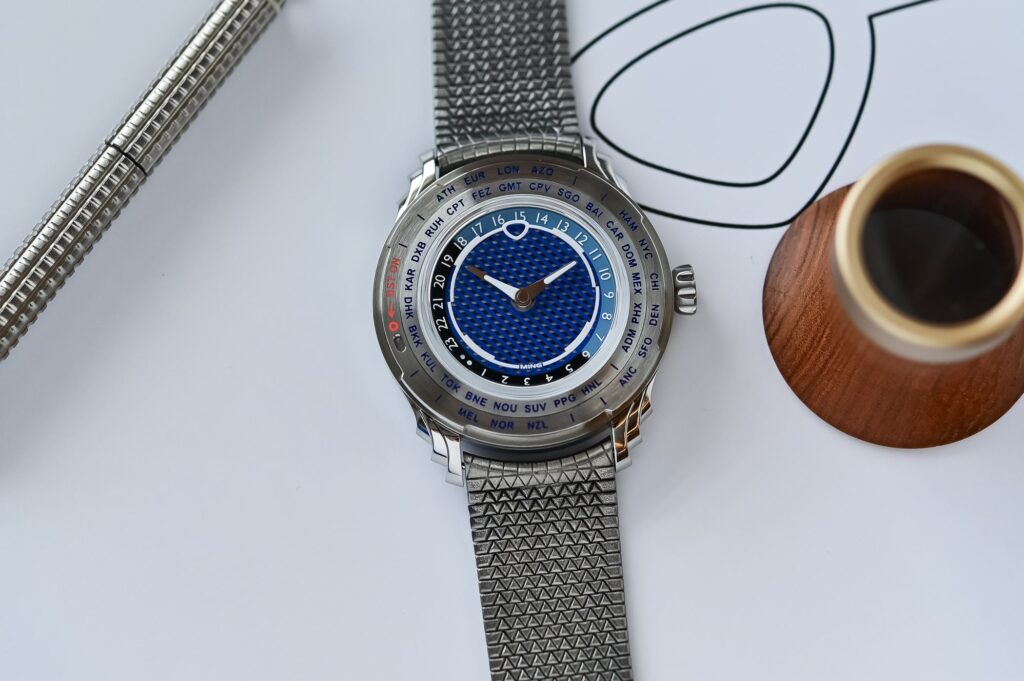
The MING 57.05 Comet is a reminder that an unconventional complication doesn’t need to be theatrical to be clever.
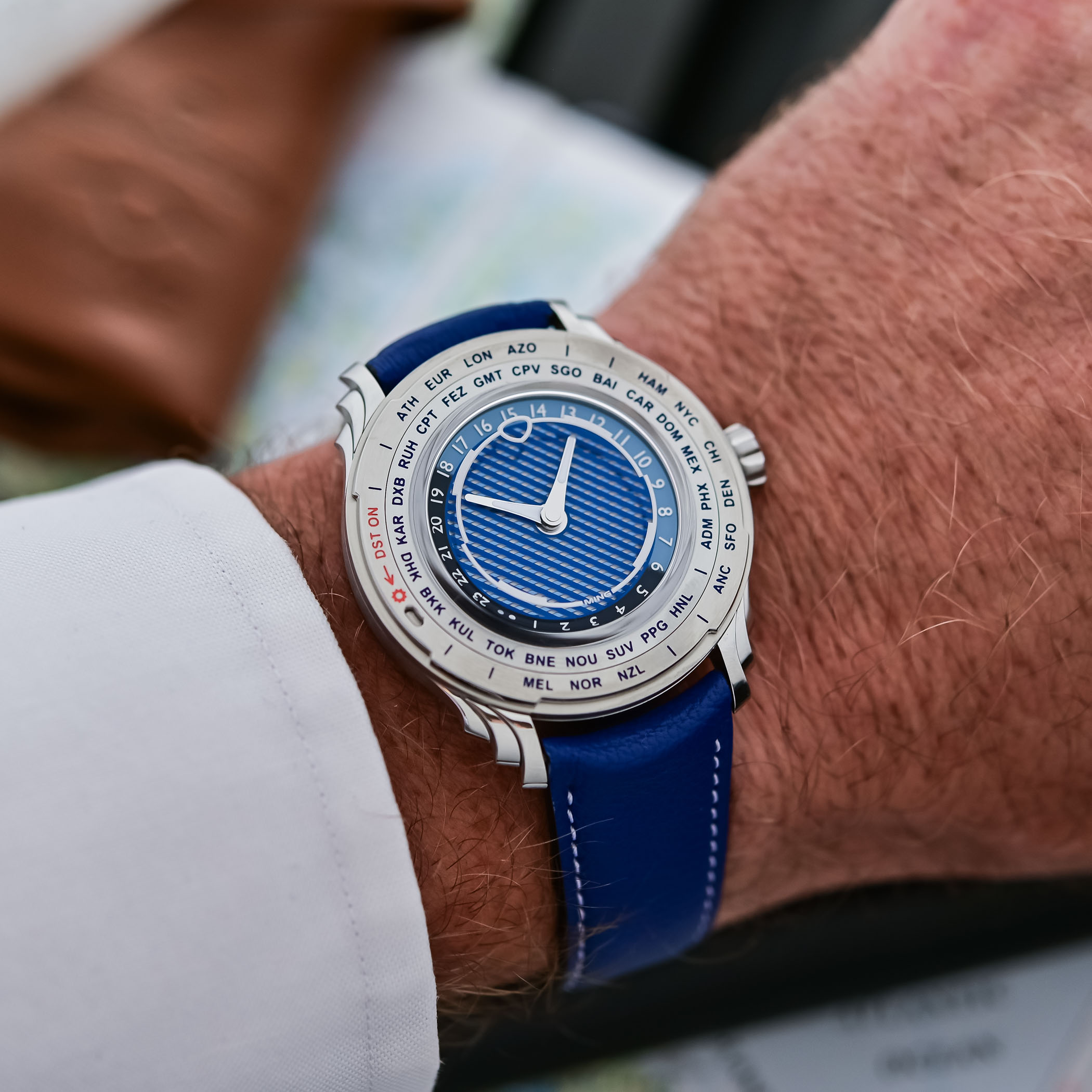
Its key idea is a patent-pending split bezel system designed to handle Daylight Saving Time while travelling across time zones. Instead of forcing the wearer into mental arithmetic, the bezel can be switched to account for DST when needed.
The watch is compact by modern travel-watch standards, with a 40mm stainless steel case measuring 10.33mm thick, sapphire crystals front and back, and a multilayered blue dial with a raster structure.
A 24-hour worldtime ring sits at the centre of the concept, while luminous hands and markers keep the watch practical beyond the departure lounge.
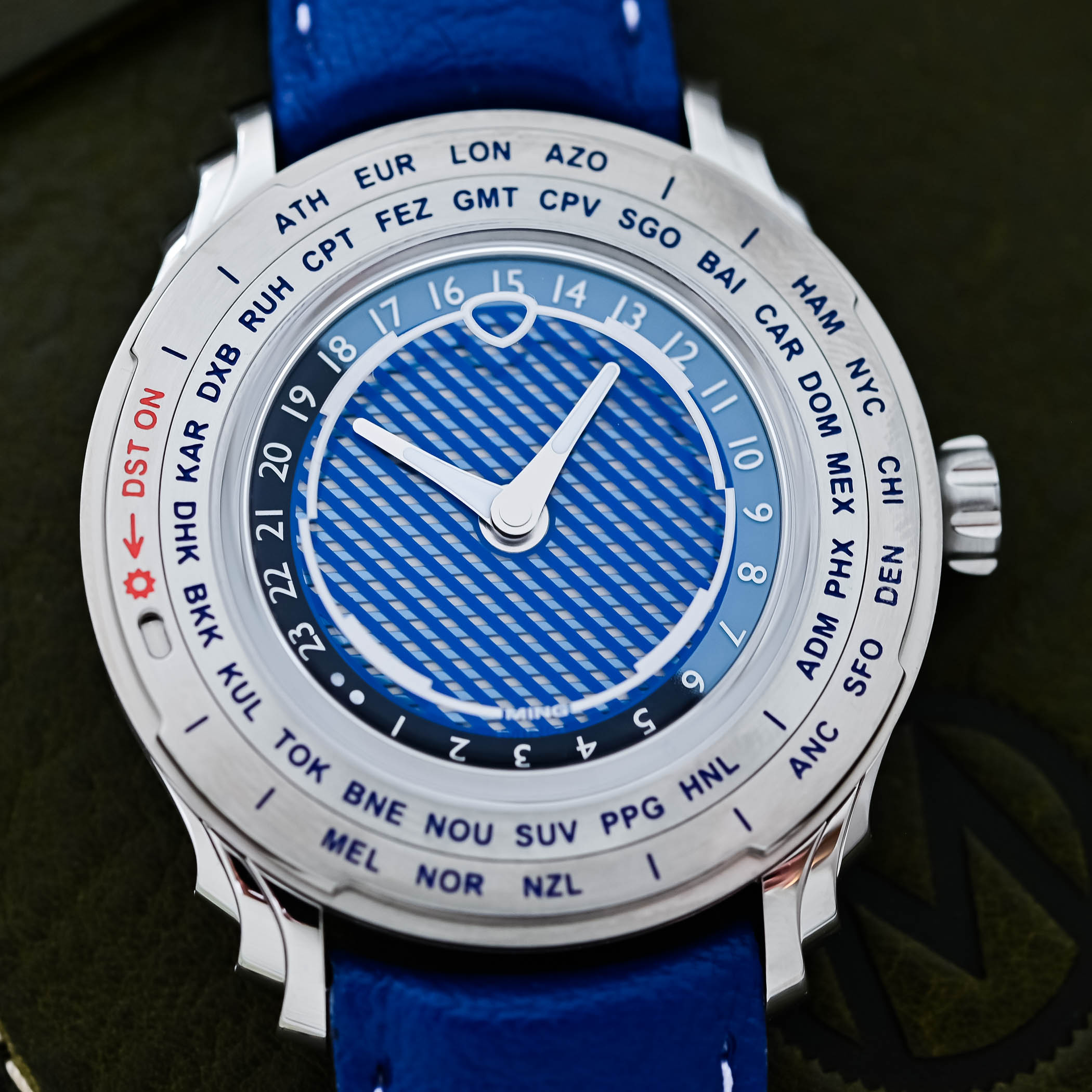
Inside is the automatic Sellita for MING Calibre 330.M2, running at 28,800vph with around 50 hours of power reserve.
Limited to 200 pieces, the 57.05 Comet is priced at CHF 6,950 on cobalt blue leather and CHF 7,950 on MING’s 3D-printed titanium Polymesh bracelet.
Voxel makes the dial change its mind
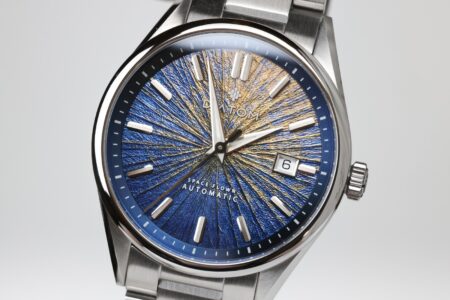
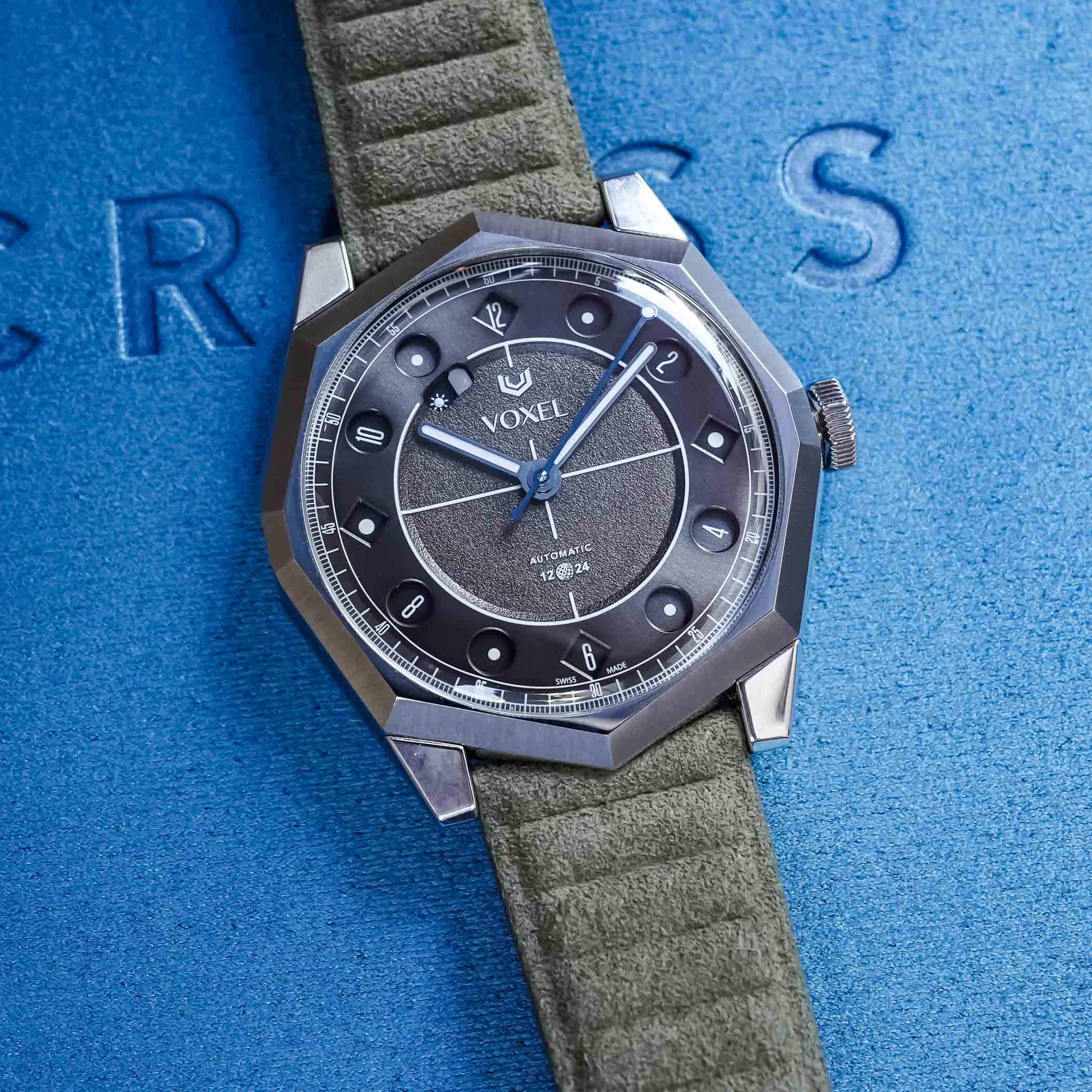
The Voxel Meridion VX01-E takes a different route by making the dial itself switch modes during the day.
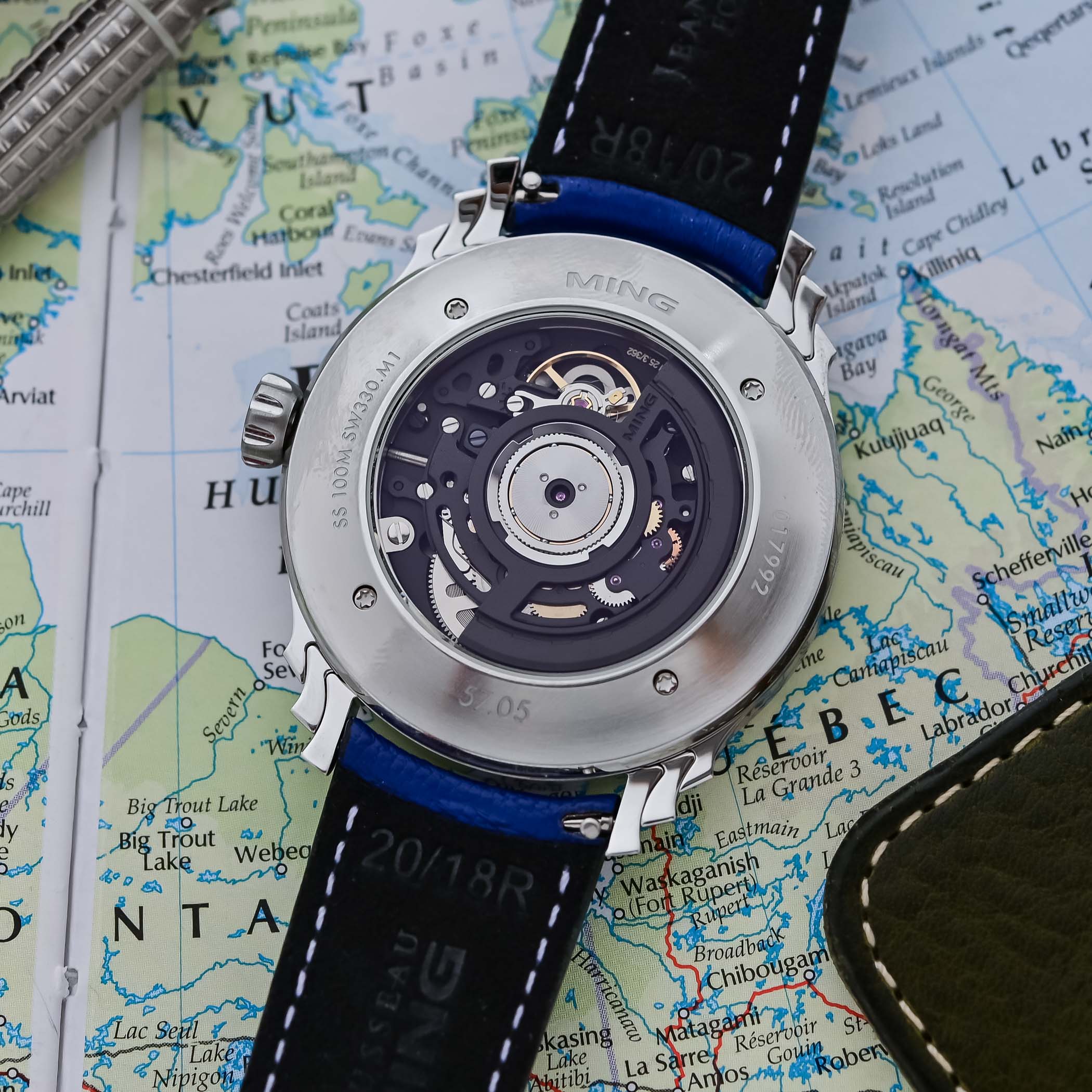
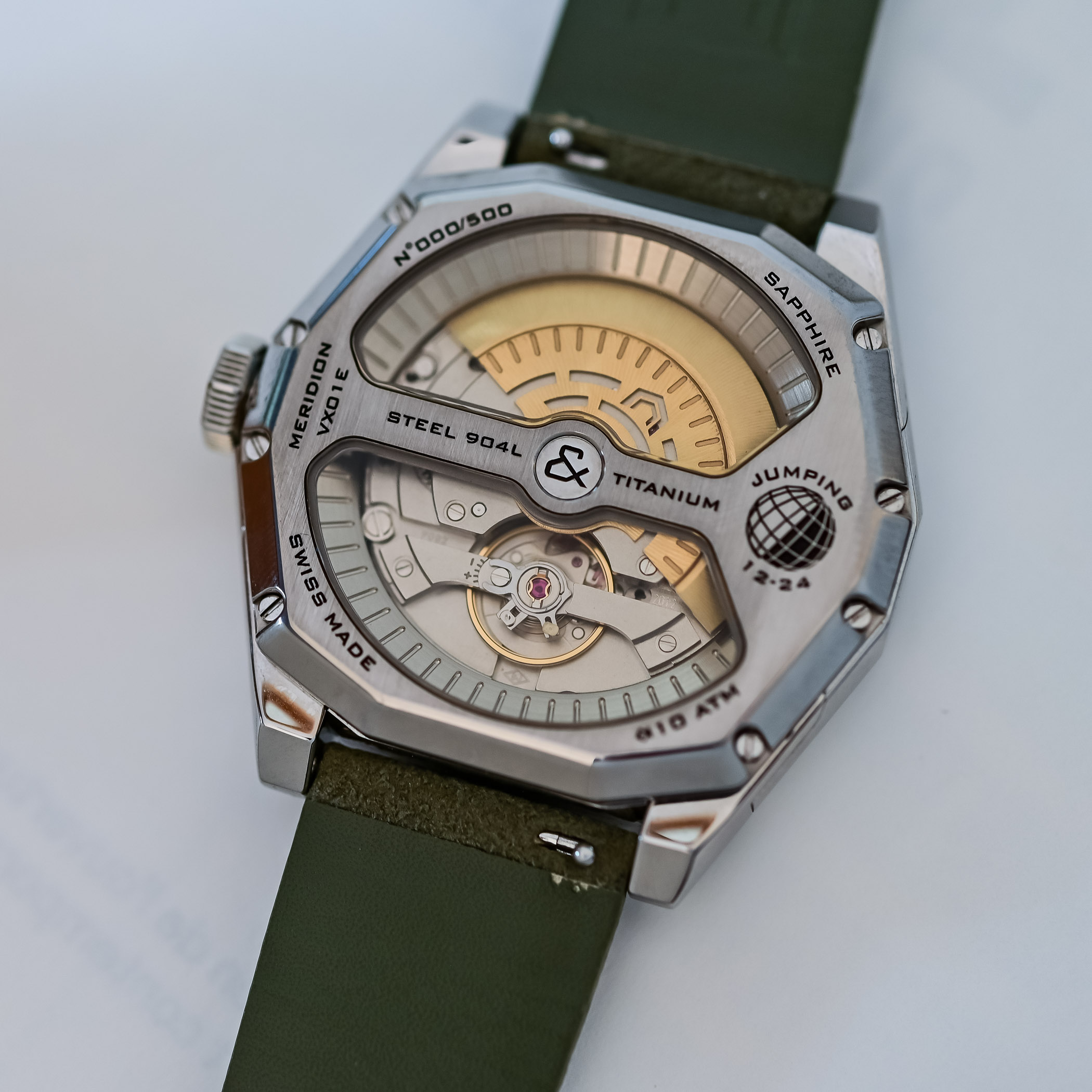
The lower dial level jumps between a 12-hour and 24-hour display through an in-house-developed module mounted on a Soprod Newton P092 automatic movement.
One set of markers covers midnight to 1pm, while the other runs from noon to 1am, with a day and night indicator clarifying which mode is active.
That makes the Meridion VX01-E feel less like a novelty and more like a thoughtful experiment in how a dial can adapt to the rhythm of a day.
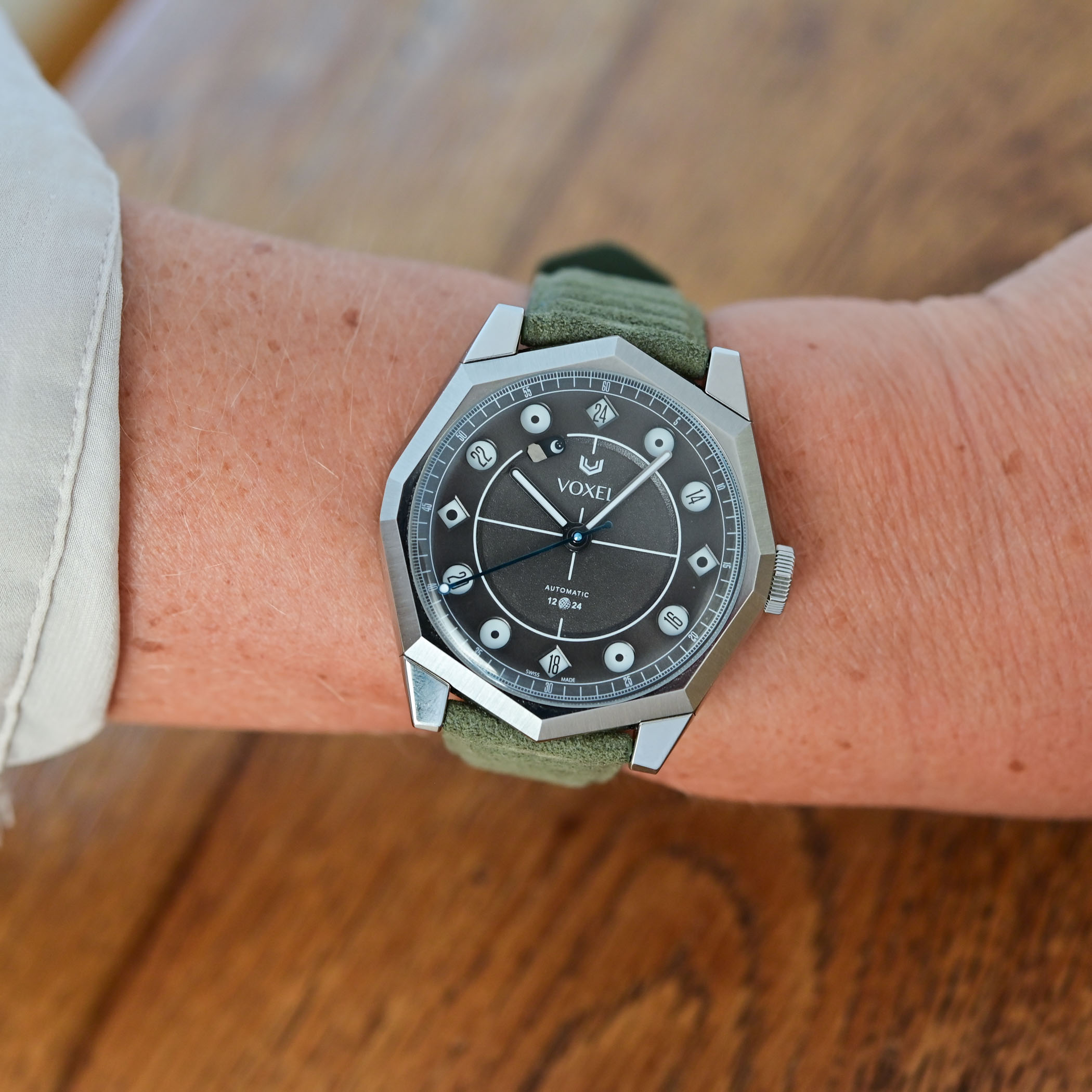
The 41.4mm octagonal case is made from 904L stainless steel and offers 120 metres of water resistance, which gives the idea a welcome dose of everyday durability.
Voxel offers charcoal, silver or blue dials, with prices set at EUR 2,500 on suede leather and EUR 2,850 on a 904L steel bracelet.
Longines puts remaining autonomy at the centre
The Longines Conquest Heritage Central Power Reserve looks restrained at first, especially in its 38mm stainless steel case with a light-blue opaline dial.
The unusual part is the central power reserve display, inspired by a Longines watch from 1959.
Instead of placing the reserve indication in a small subdial, Longines uses two discs working together to show the remaining running time.
As the watch is wound, the outer disc rotates until the movement reaches full tension. As the mainspring unwinds, both discs move gradually, while a pointer indicates the remaining autonomy.
It’s a small learning curve, but it turns a useful mechanical readout into the visual focus of the watch.
The Calibre L896.5 is an automatic movement developed exclusively by ETA for Longines, with a 72-hour power reserve, a silicon balance spring and a frequency of 25,200vph.
The ice blue edition is part of the permanent collection and is priced at EUR 4,250 on grey alligator leather or EUR 4,400 on a stainless steel bracelet.

Minerva removes the crown entirely
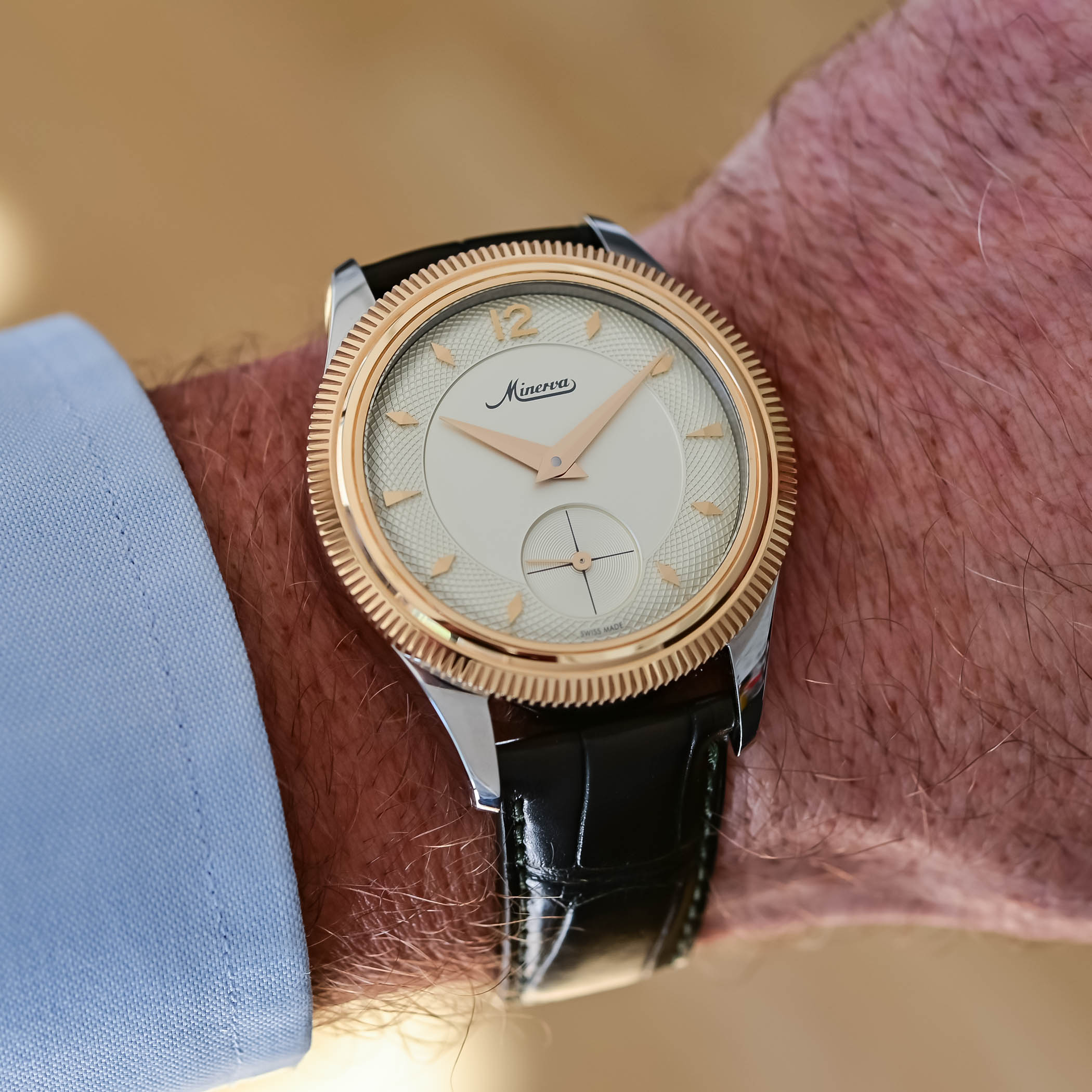
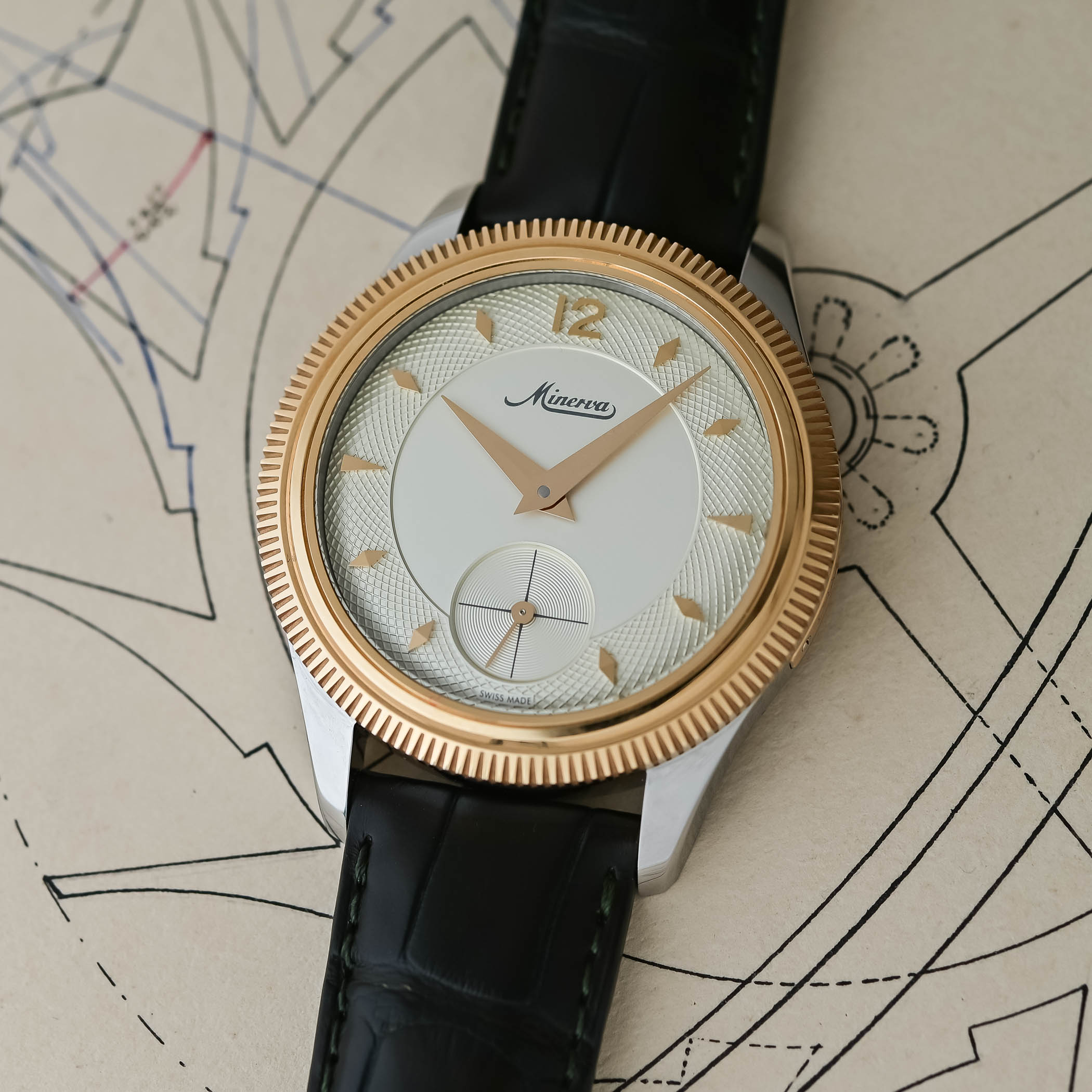
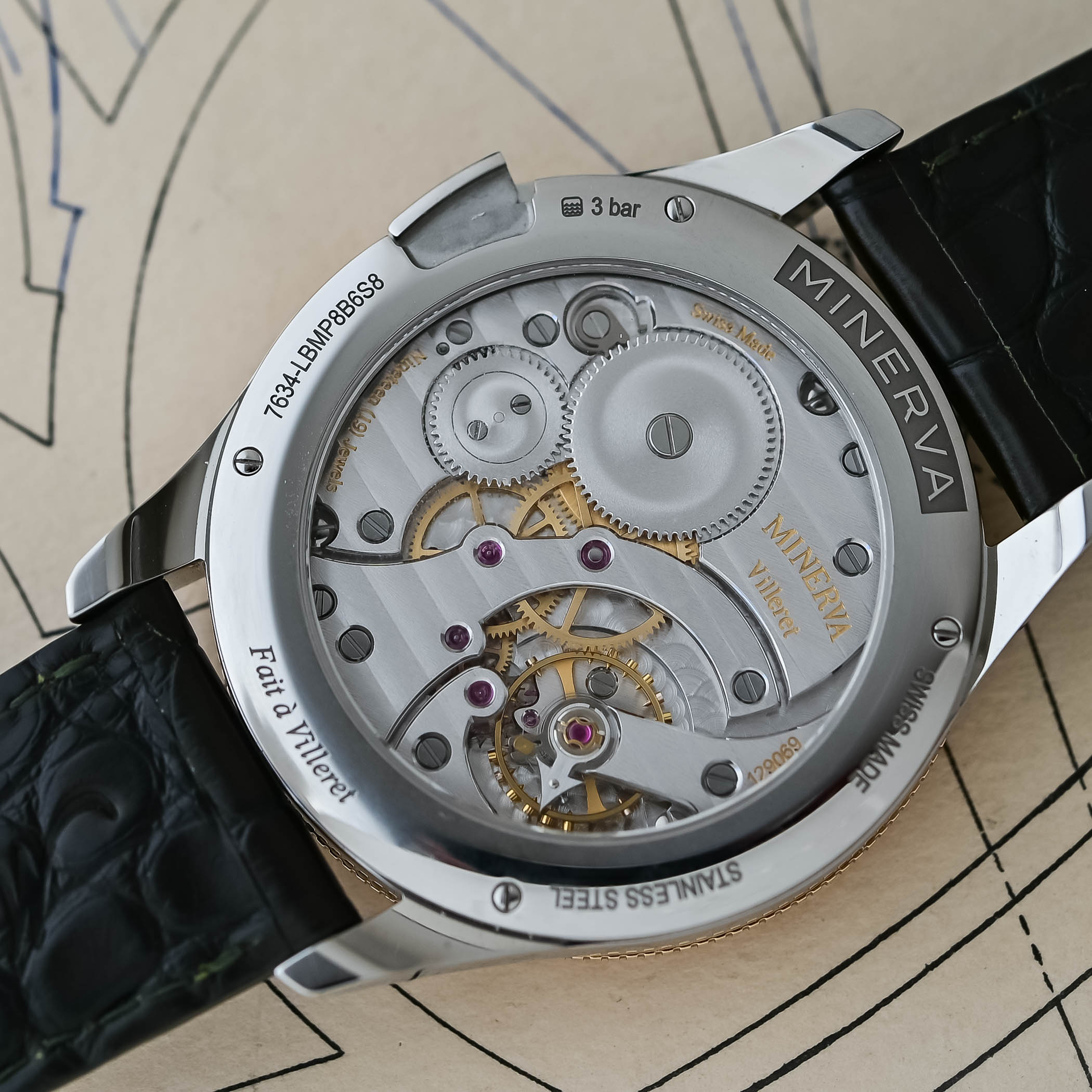
The Minerva Unveiled Crownless challenges one of the most familiar interactions in watch ownership.
There’s no traditional winding and setting crown on the case flank. Instead, the winding and setting mechanism has been integrated into the bezel, with a dedicated unlocking lever positioned on the caseback.
When the system is locked, the 18k rose gold fluted bezel winds the movement. When unlocked, the same bezel is used to set the time.

It’s a serious mechanical flourish, but the appeal is tactile as much as technical.
The 41.5mm stainless steel case frames an ivory-coloured opaline dial with rose gold-coated hands and a recessed small seconds display.
The movement is Minerva’s in-house Calibre M15.08, a manually wound calibre with 139 components, an 18,000vph beat rate and an 80-hour power reserve.

Paired with a dark green alligator leather strap, the Unveiled Crownless is regular production and priced at EUR 39,000.
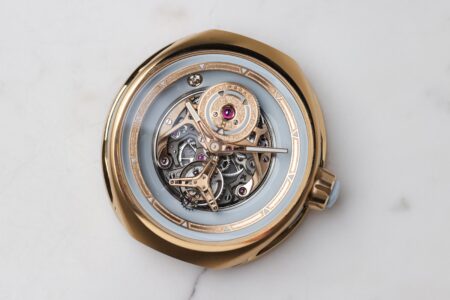
Artya turns the tourbillon into sculpture
Tourbillons are no longer rare in the broadest sense, but Artya’s Complexity Métiers d’Art treats the mechanism less like a status marker and more like a moving architectural object.
The watch uses double inclined tourbillons that rotate on a conical axis and are coupled by a differential.
That is a long way from the flat, cylindrical motion people usually associate with a tourbillon cage.
The movement is suspended inside a clear monobloc sapphire crystal case measuring 42mm by 48mm by 13mm, with a red ruby case also offered.
Hours and minutes are displayed centrally over a hand-engraved, sandblasted dial with applied indices.
The proprietary manual-winding Calibre Complexity-01 runs at 21,600vph and provides a 50-hour power reserve.
Production is made to order and limited to nine individually numbered pieces per case material, with pricing starting at CHF 190,000 for sapphire crystal and CHF 220,000 for red ruby.
Louis Vuitton keeps the display conversation open
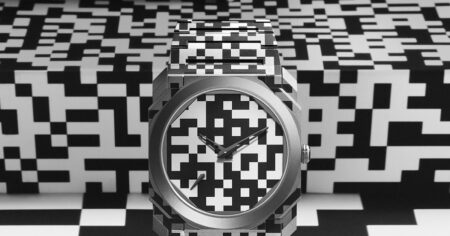
The Louis Vuitton Tambour Spin Time Air Antipode belongs in this conversation because it represents the more design-led side of unconventional time display.
Where several of the watches here focus on travel logic, winding ergonomics or regulating organs, the Louis Vuitton sits closer to the expressive end of the spectrum.
That distinction matters because experimental watchmaking isn’t only about solving a practical inconvenience. Sometimes it’s about making the act of reading time feel distinct enough to become a signature.
Details & Specifications
| MING 57.05 Comet | 40mm stainless steel case, patent-pending DST adjustable bezel, 24-hour worldtime ring, automatic Sellita for MING Calibre 330.M2, approx. 50h power reserve, limited to 200 pieces |
|---|---|
| Voxel Meridion VX01-E | 41.4mm 904L stainless steel case, switching 12/24-hour disc, day and night indicator, Soprod Newton P092 automatic with in-house module, 44h power reserve, limited to 300 pieces in total |
| Minerva Unveiled Crownless | 41.5mm stainless steel case, 18k rose gold fluted bezel for winding and setting, in-house manual Calibre M15.08, 80h power reserve, regular production |
| Longines Conquest Heritage Central Power Reserve | 38mm stainless steel case, central power reserve indication, Calibre L896.5 automatic, silicon balance spring, 72h power reserve, permanent collection |
| Artya Complexity Métiers d’Art | 42mm x 48mm x 13mm sapphire crystal case, double inclined tourbillon with differential, proprietary manual Calibre Complexity-01, 50h power reserve, made to order and limited to 9 pieces per case material |
| Louis Vuitton Tambour Spin Time Air Antipode | Tambour model selected for its unconventional approach to time display |
For collectors who already own the classic shapes and expected complications, these watches make a persuasive case for looking sideways. The best of them aren’t unusual for the sake of it, but because they change how the wearer thinks about time, travel or the simple act of interacting with a mechanical watch.