Xiaomi’s push into high-performance electric cars is getting harder to ignore.
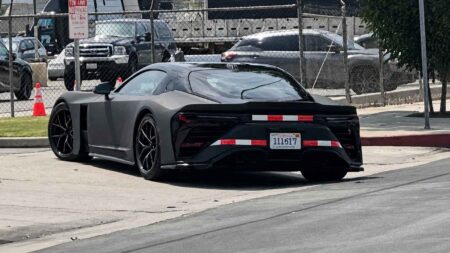
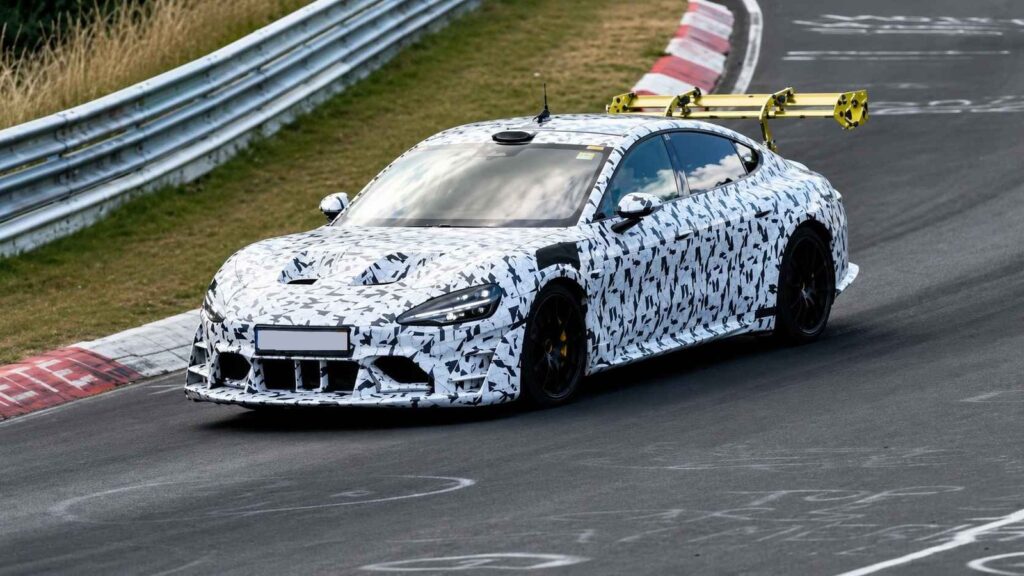
A more aggressive SU7 Ultra prototype has been seen testing at the Nürburgring, and the hardware on display suggests this isn’t simply a standard car out for validation laps. With major aero changes and a rumoured power increase, the already extreme electric sedan appears to be edging closer to track-focused territory.
At a glance
- A sportier Xiaomi SU7 Ultra prototype has been spotted testing at the Nürburgring.
- The car wears a huge rear wing, revised diffuser, reworked front splitter and additional aero elements around the front arches.
- The current SU7 Ultra already makes more than 1,500 hp, while this sharper version is rumoured to push close to or beyond 2,000 hp.
Nürburgring prototype with serious aero intent
The most obvious change is at the rear, where the prototype carries a massive fixed wing that gives the SU7 Ultra a far more track-oriented stance.

Below it sits a revised diffuser, suggesting Xiaomi is looking for more stability and downforce at very high speeds rather than simply adding visual drama.
The front end has been reworked as well, with a deeper splitter and larger intake channels that give the sedan a more purposeful face.
Aero additions around the front wheel arches point to a broader package designed to manage airflow across the car, not just one or two isolated upgrades.

On a heavy, high-powered electric sedan, that matters.
Putting immense power to the road is only part of the problem; keeping the car settled under braking, cornering and sustained high-speed running is where the Nürburgring becomes a useful proving ground.
The SU7 Ultra was already operating in hypercar territory
The regular Xiaomi SU7 Ultra is hardly short on numbers.

Its tri-motor electric powertrain produces more than 1,500 hp, enough for a claimed 0 to 62 mph time of 1.98 seconds.
The sprint from 0 to 124 mph is quoted at 5.86 seconds, which places the sedan among the quickest production-intent EVs discussed in recent years.
That makes the appearance of a more focused variant particularly interesting, because Xiaomi isn’t starting with a tame platform.

If the rumours of output close to or beyond 2,000 hp prove accurate, the challenge won’t be headline acceleration alone, but repeatability and control.
At this level, aerodynamics, thermal management and chassis calibration become just as important as peak power.
What the track package could mean
The Nürburgring sighting suggests Xiaomi is exploring a version of the SU7 Ultra with more emphasis on circuit pace and high-speed balance.
The huge rear wing and revised front aero indicate a car designed to generate more usable downforce, likely helping the sedan stay planted through fast direction changes and heavy braking zones.
It also signals intent from a brand still new to the car world but clearly unwilling to enter the performance EV space quietly.
For buyers and enthusiasts, the appeal is obvious.
This is the kind of car that sits at the intersection of electric super-sedan performance, technology-brand ambition and lap-time theatre.
There’s no confirmed production plan, price or launch timing for this sportier version yet, so for now it remains a prototype to watch closely.
Details & Specifications
| Brand | Xiaomi |
|---|---|
| Model | SU7 Ultra sportier prototype |
| Body style | Electric performance sedan |
| Current SU7 Ultra powertrain | Tri-motor electric setup |
| Current SU7 Ultra output | More than 1,500 hp |
| Current SU7 Ultra 0-62 mph | 1.98 seconds |
| Current SU7 Ultra 0-124 mph | 5.86 seconds |
| Prototype aero | Large rear wing, revised diffuser, reworked front splitter, larger front intake channels and front wheel-arch aero elements |
| Rumoured output | Close to or over 2,000 hp |
| Test location | Nürburgring |
Whether this evolves into a production car or remains a development exercise, the sharper SU7 Ultra shows Xiaomi is thinking beyond straight-line numbers.
For a brand still building its performance identity, a Nürburgring-honed electric sedan with serious aero hardware is exactly the kind of statement that gets noticed.