The sector dial is one of those watch details that looks simple until you start reading it closely.
Its appeal comes from geometry, restraint and a quiet sense of purpose, which is why collectors still connect it with precision instruments and mid-century taste.
It’s also a design language that has returned with conviction, appearing on modern watches from names such as Patek Philippe, Jaeger-LeCoultre, Longines, Omega and Chopard.
At a glance
- Sector dials separate time indications into clear concentric zones, usually for hours and minutes.
- The style grew from early 20th-century precision culture, with Art Deco and Bauhaus geometry shaping its visual identity.
- After fading from mainstream fashion, sector dials returned in the 21st century as brands revisited historic dress-watch design.
How a sector dial divides time
A sector dial is built around order.
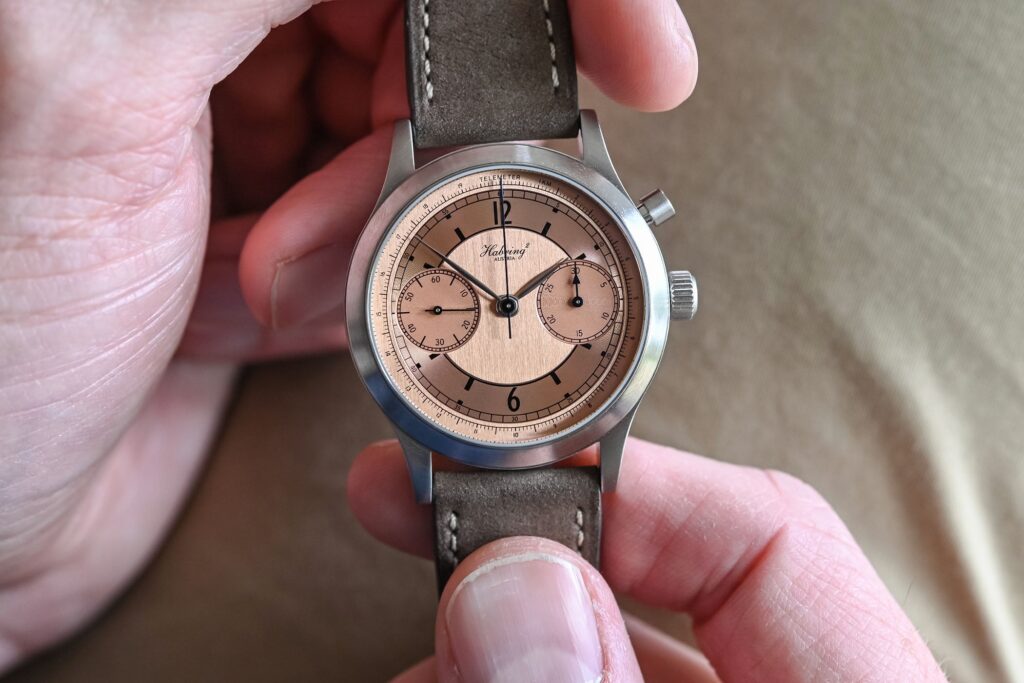
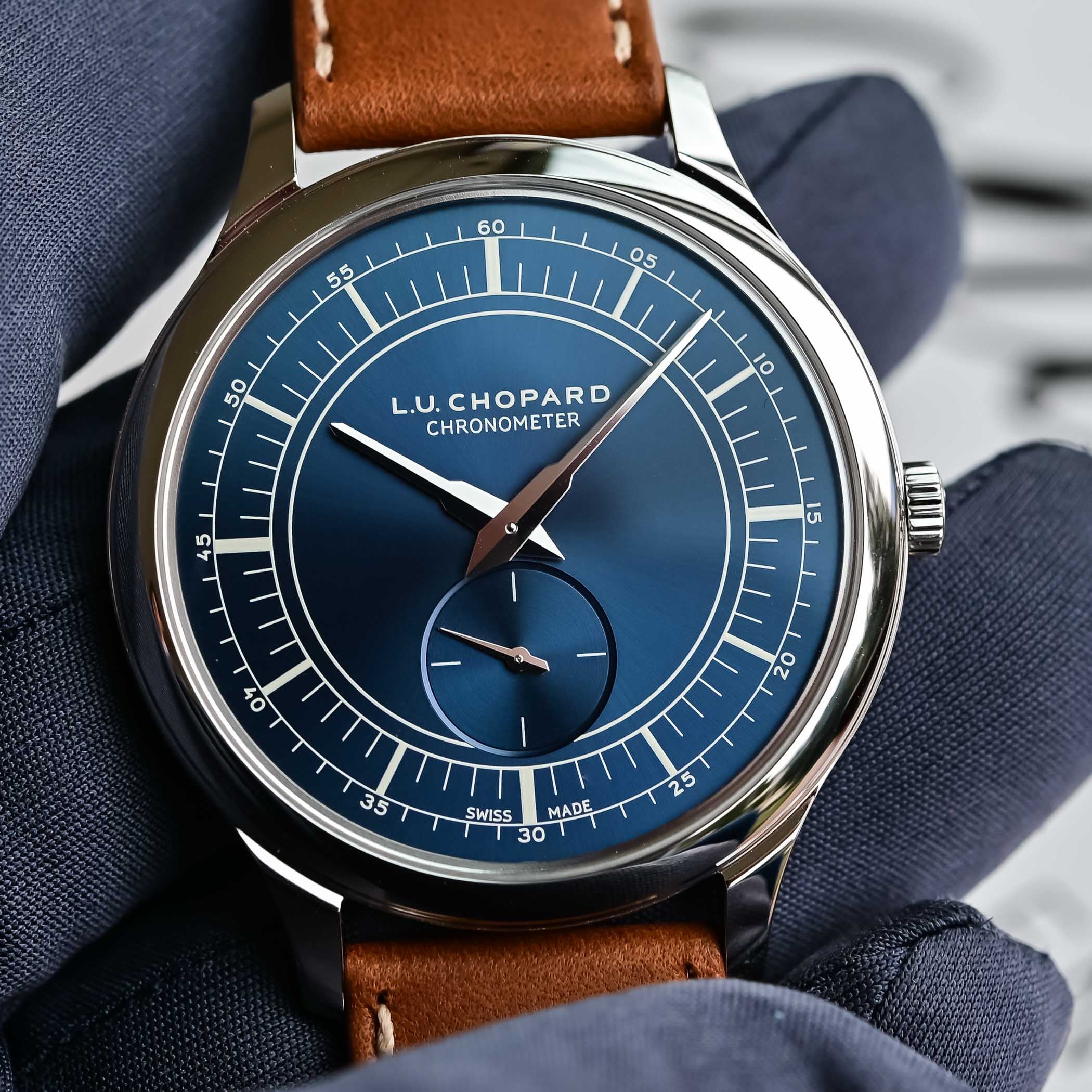
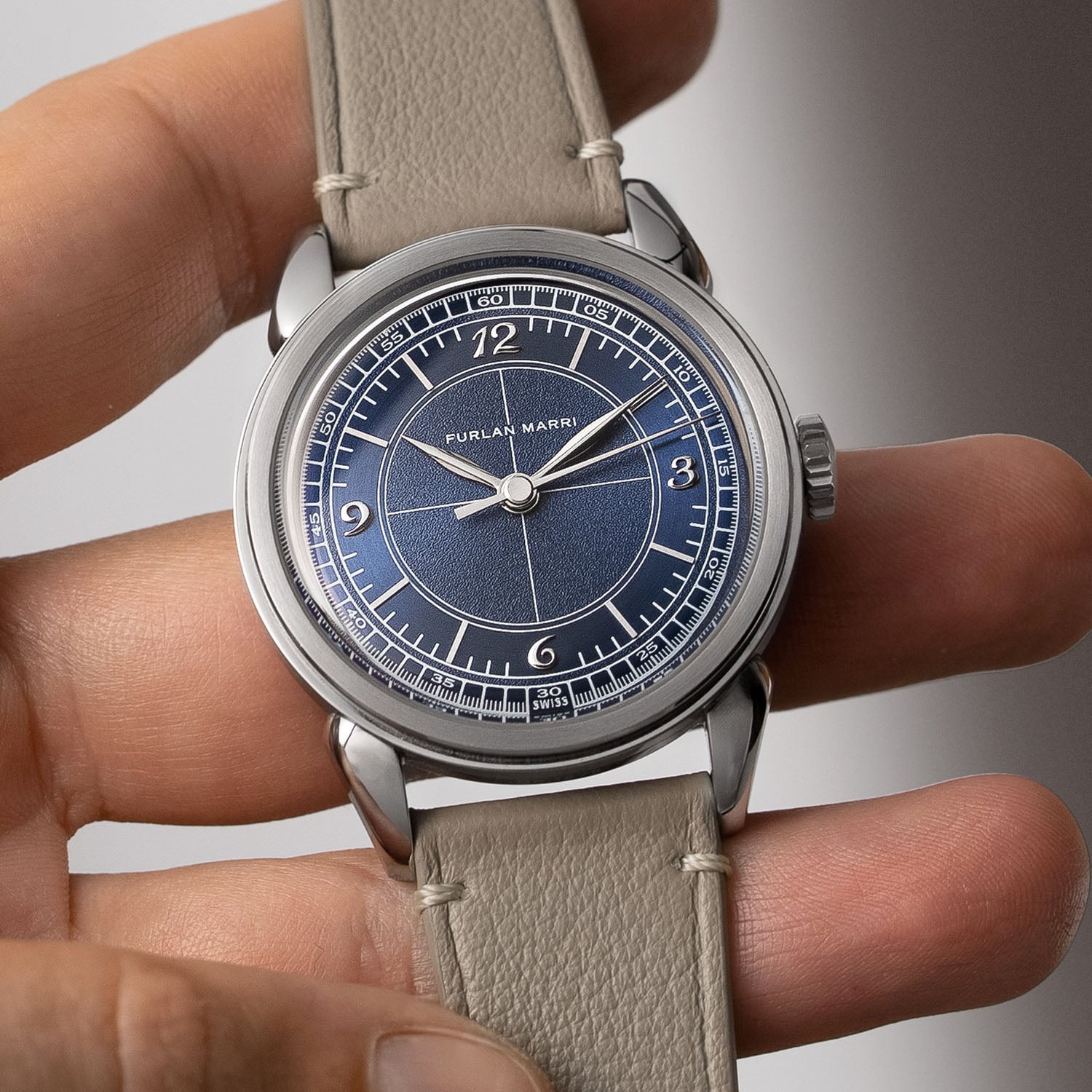
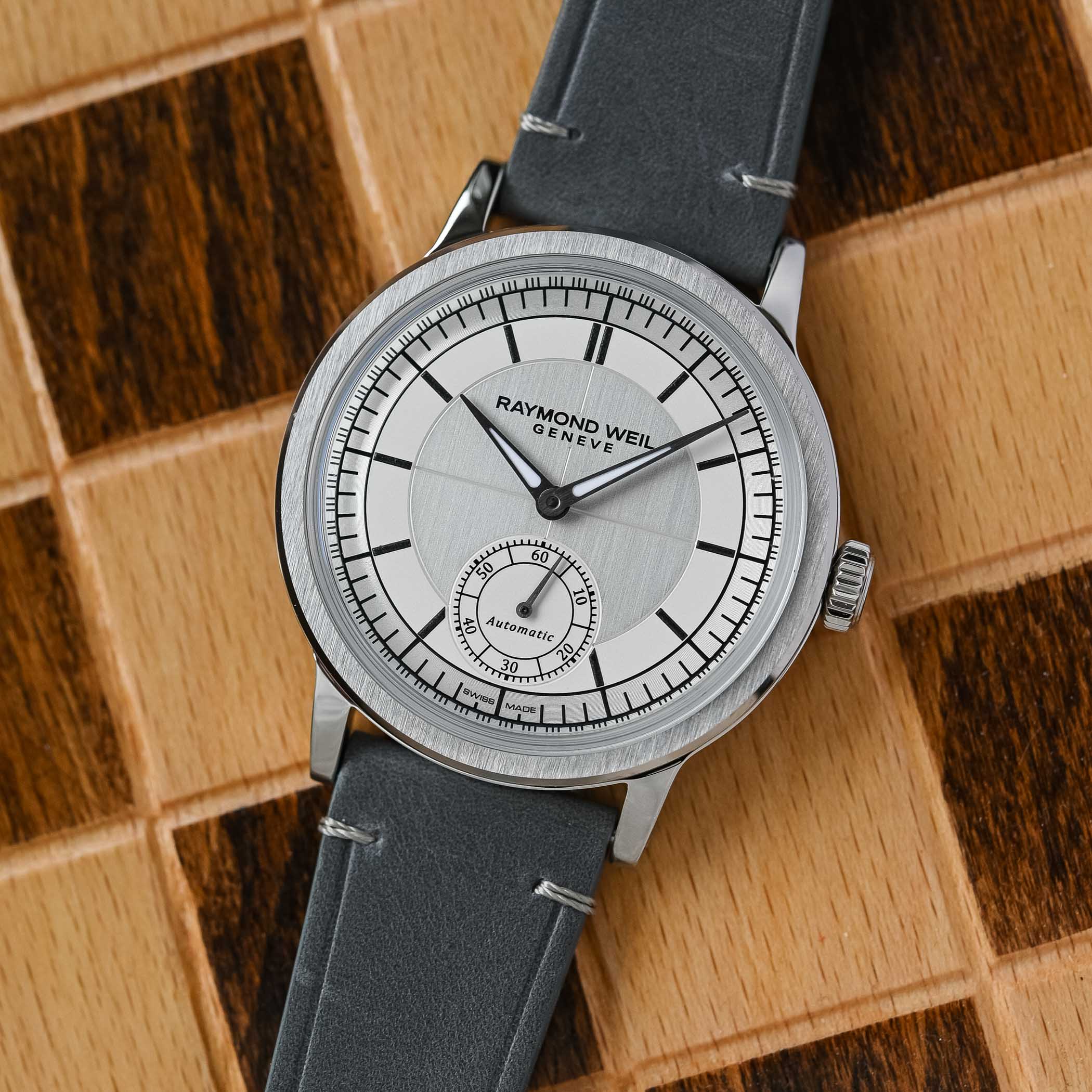
Rather than placing all information on one flat visual plane, it separates the dial into rings, typically with a more prominent hour track inside and a finer minute track closer to the edge.
Radial markers or lines then connect those rings, giving the dial its recognisable architectural rhythm.
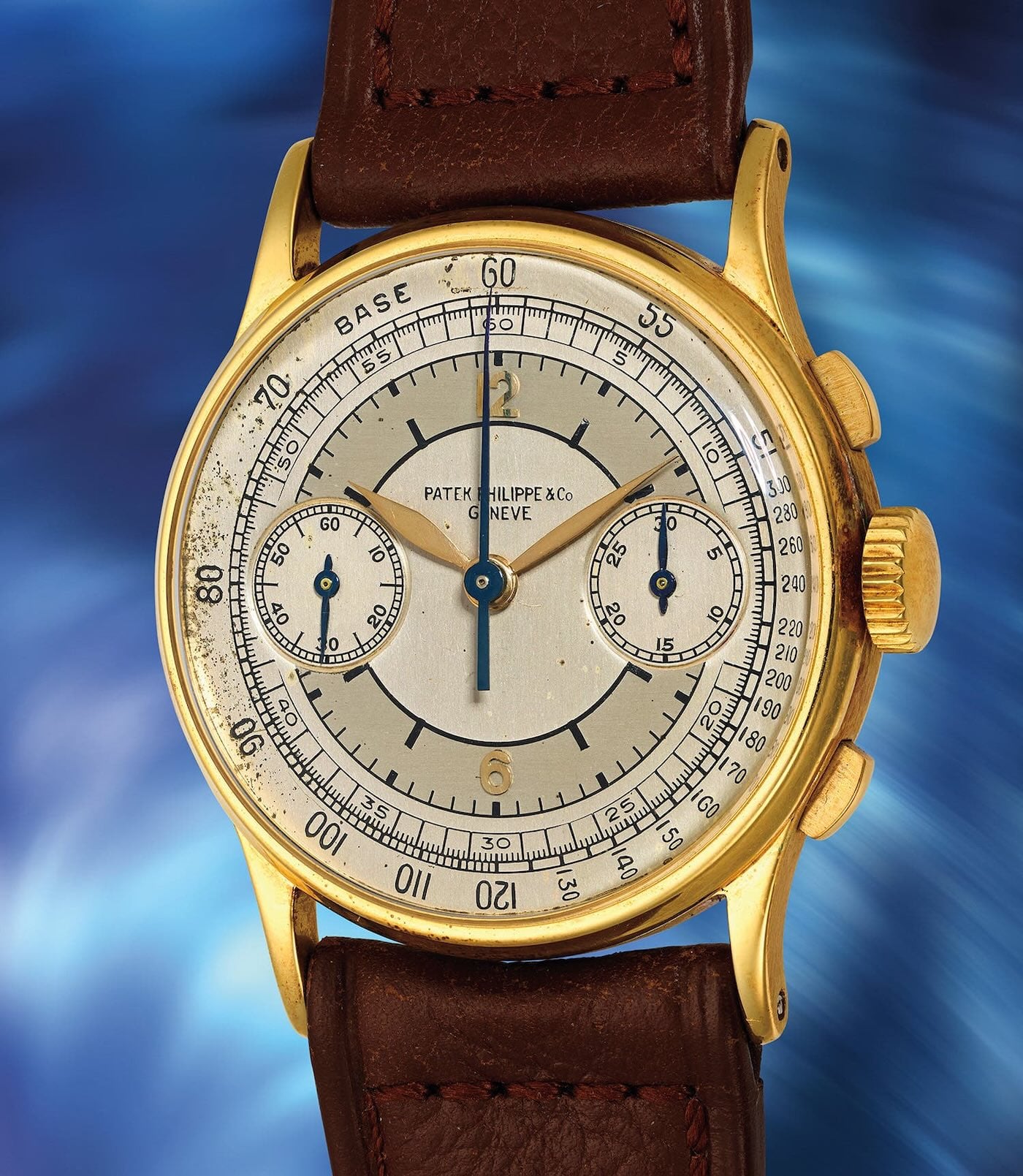
The minute track is often rendered as a railroad scale, a style also known as chemin de fer.
Quarter-hour markers are usually emphasised, sometimes with numerals, sometimes with longer batons, and sometimes with a combination of both.
The centre is often deliberately quiet, carrying little more than the brand signature and, on later examples, an automatic designation or other small piece of movement text.
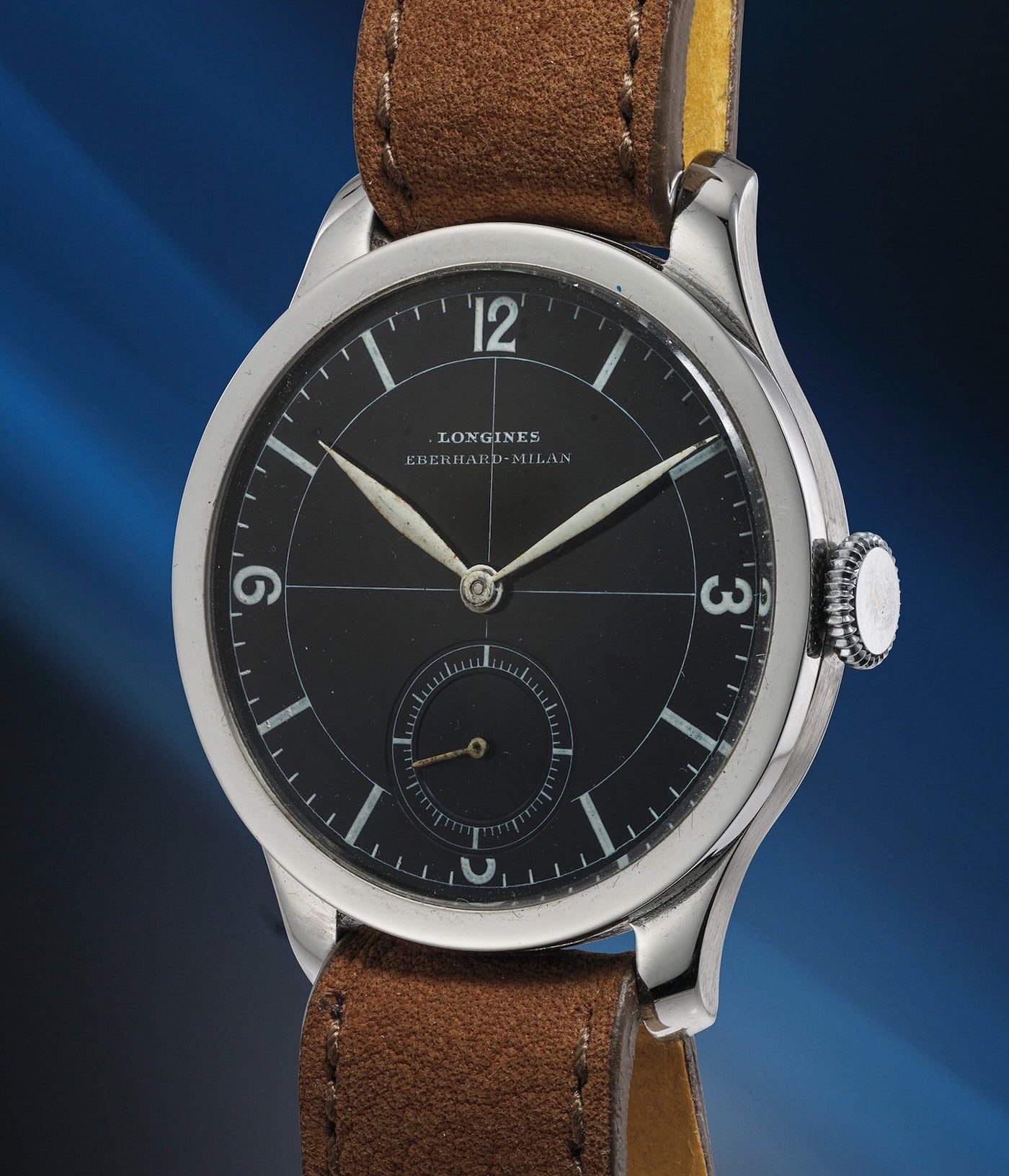
Many traditional examples use small seconds at 6 o’clock, which suits the early and mid-century character of the format.
There are exceptions, however, and that flexibility is part of the sector dial’s charm.
Some watches use a single ring while still separating hours and minutes visually, while others reduce the idea to a bold circular track and strong quarter markers.
Crosshairs are related but not the same thing
Sector dials are often confused with crosshair dials, but the two aren’t interchangeable.
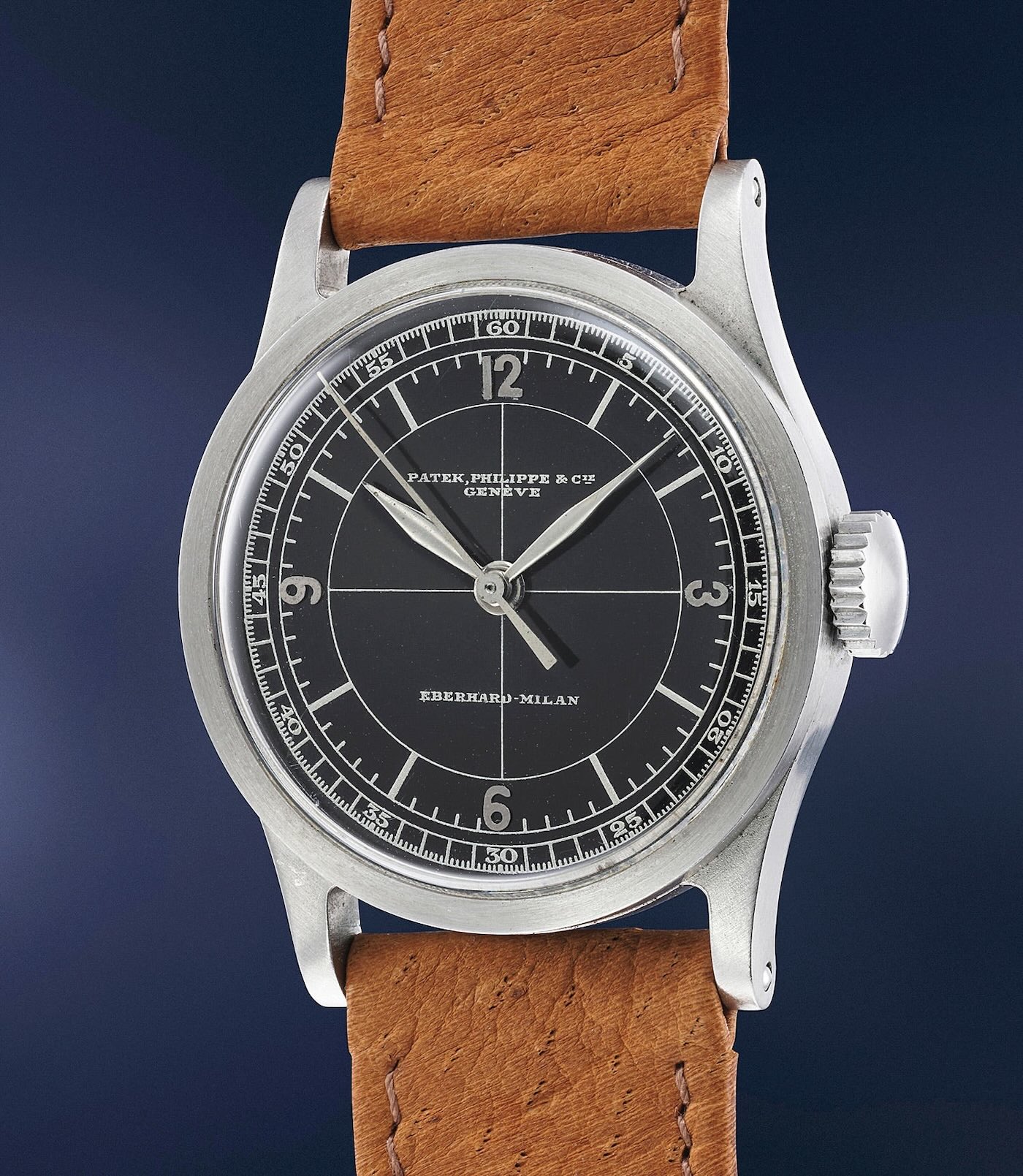
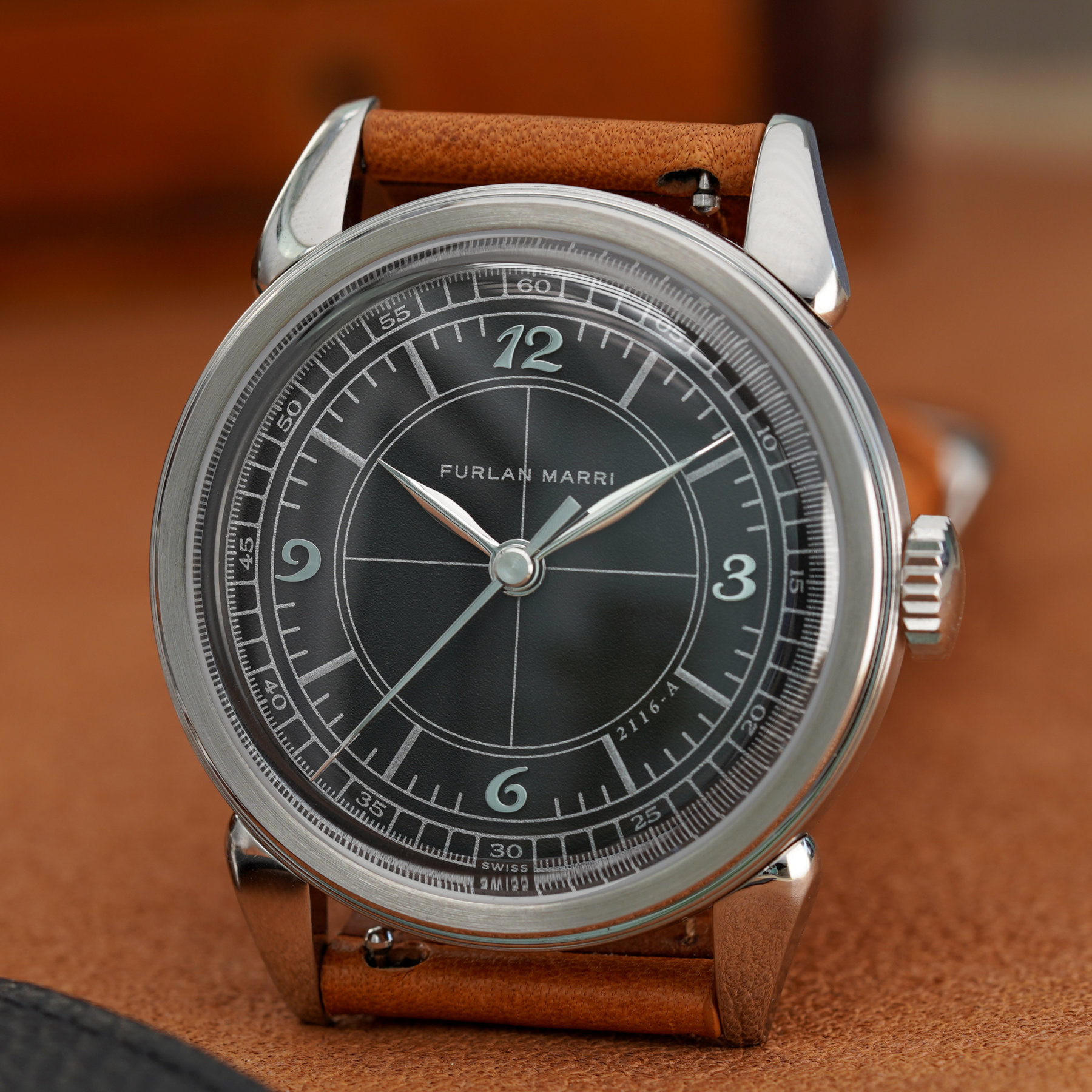
A crosshair dial is defined by two intersecting lines running vertically and horizontally through the centre, dividing the dial into four visual quarters.
Some sector dials include crosshairs, and those designs can look especially technical.
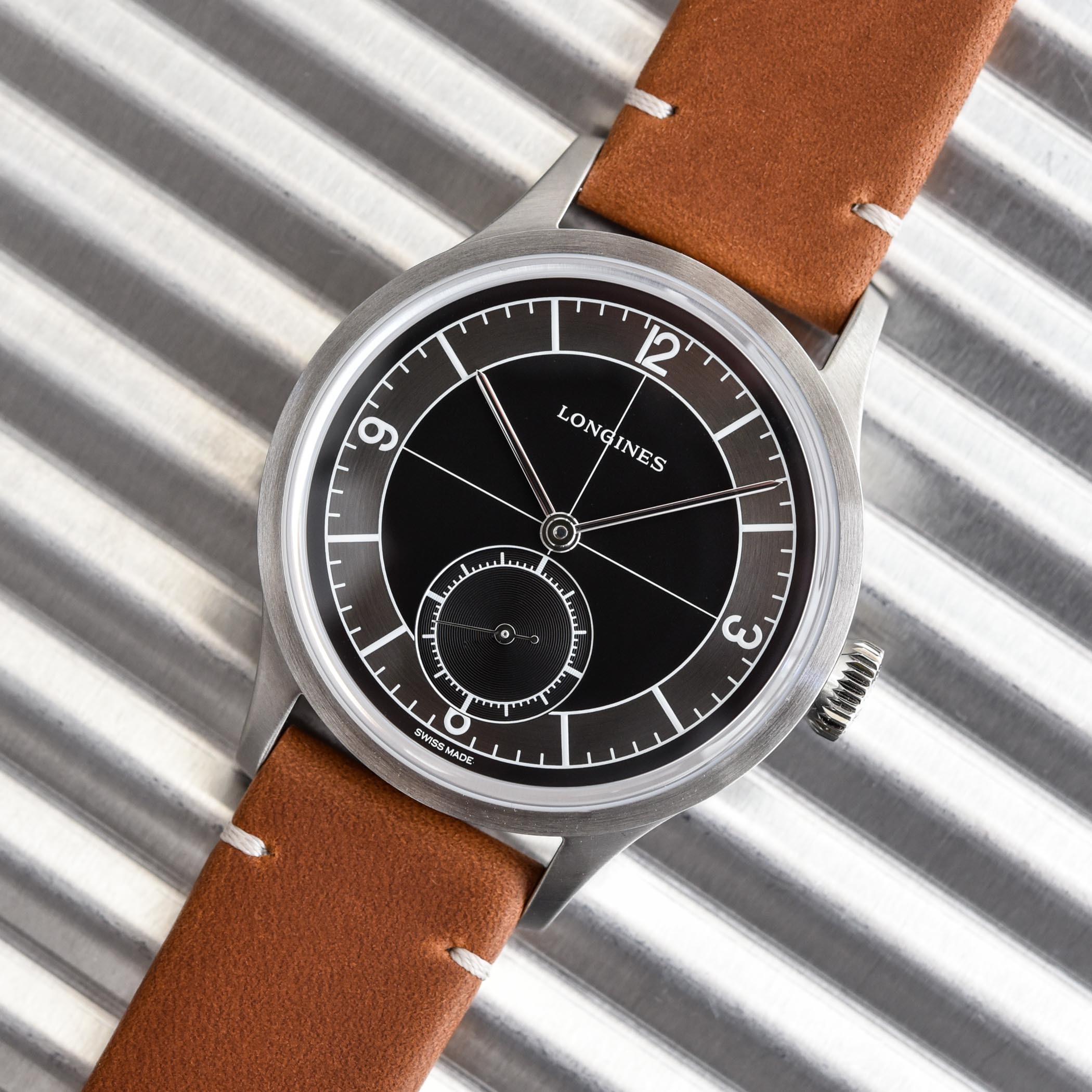
Yet a watch can have crosshairs without having the concentric hour and minute architecture that makes it a true sector dial.
The crosshair motif became especially popular in the 1950s, when it helped reinforce an image of accuracy and instrument-like seriousness.
Its roots stretch earlier, with examples from brands including Longines and Omega appearing before the middle of the century.
Precision roots and mid-century style
The sector dial as collectors recognise it today belongs mainly to the 20th century.
The wider idea of dividing a dial into functional zones is much older, appearing in scientific and astronomical instruments, but the wristwatch version arrived with a particular modern sensibility.
After World War I, wristwatches became more established and watch design began moving away from ornate 19th-century decoration.
The cleaner, more industrial language of Art Deco and Bauhaus design gave watchmakers a new vocabulary of circles, tracks, lines and proportion.
In that setting, the sector dial made practical and aesthetic sense.
It offered clear separation between hours, minutes and seconds, which was valuable in watches associated with scientific use, high-accuracy timing and legibility.
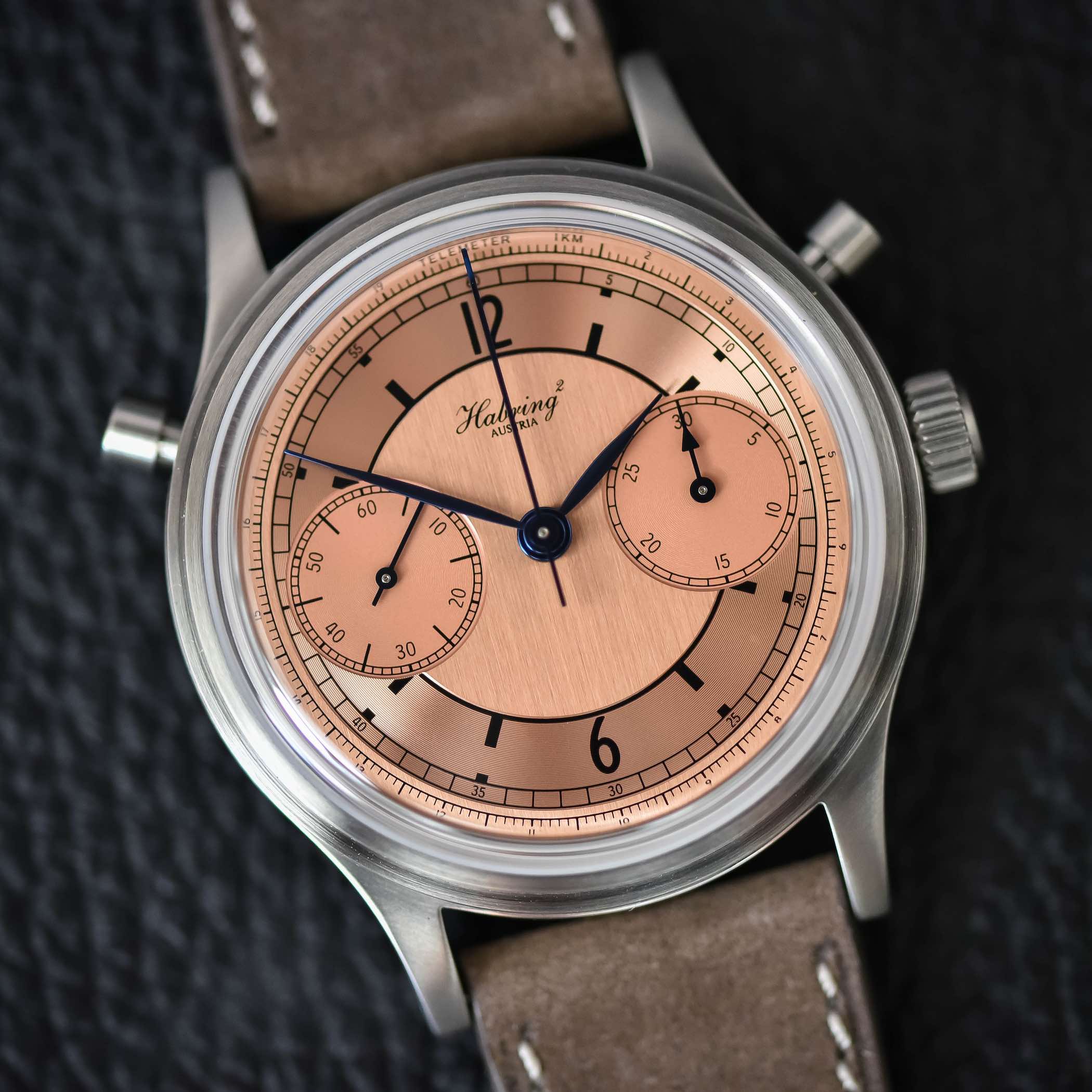
There’s also a conceptual link with regulator clocks and regulator-style watches, where different time indications are separated for easier reading.
On a sector dial, that separation is usually suggested through rings rather than fully independent registers.
Some aviators are known to have favoured the layout because it offered fast orientation in demanding situations.
Even so, the sector dial was not a formal military-issued standard in the way some other tool-watch layouts became.
Its wider success came from taste as much as function.
By the mid-20th century, a sector dial could look technical, urbane and modern without feeling decorative for decoration’s sake.
The Calatrava label and the return of the look
Vintage sector-dial watches are sometimes casually described as Calatrava-style watches today.
Strictly speaking, Calatrava is a Patek Philippe name tied to the Reference 96, introduced in 1932, and the brand holds the trademark.
The broader modern use of the word usually points to a minimalist round dress watch with a flat bezel, not to a historical category used by every maker at the time.
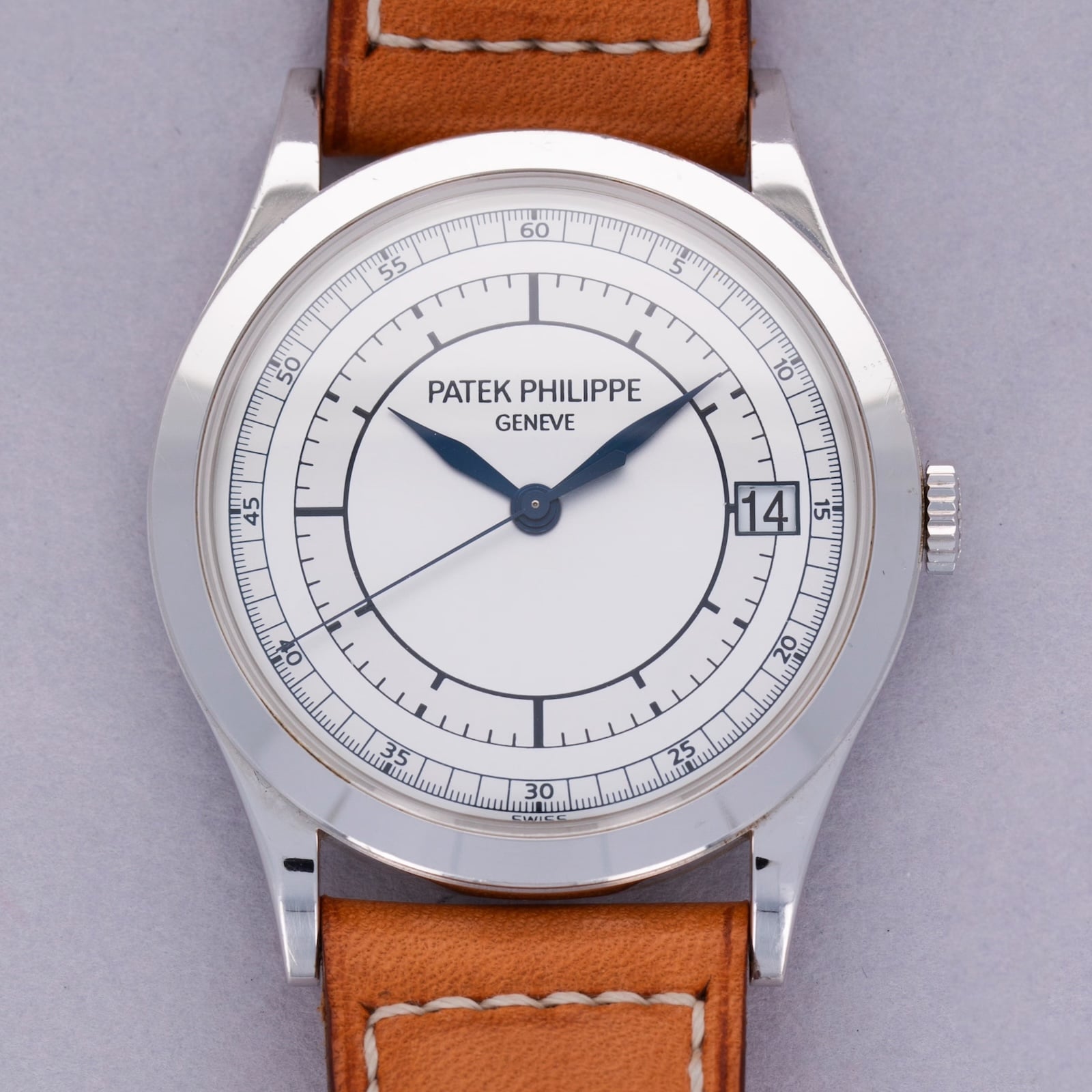
Patek Philippe remains central to the sector-dial story because pieces such as the Reference 96 and Chronograph Reference 130 helped define the elegance of the format.
Longines also produced notable examples, including watches such as the 2326, showing how widely the language travelled among serious makers.
The style lost momentum as tastes shifted in the 1960s.
Mid-Century Modernism favoured cleaner surfaces and new kinds of visual impact, while watches increasingly became objects of status and personality.
Sunburst finishes, polished stone dials and other more expressive treatments captured attention, and the sector dial slipped out of regular fashion.
It never disappeared completely.
Rare later examples surfaced, including a sector-influenced version of Patek Philippe’s Nautellipse Reference 3770, but by the 1980s the look was far from mainstream.
The revival began in earnest during the early 21st century, as collectors and brands became more engaged with heritage design.
Patek Philippe’s Calatrava Reference 5296G, introduced in 2005, played a major role in bringing the layout back into view.
That watch used a true sector arrangement with two concentric rings, strong quarter markers, a clean centre and a date at 3 o’clock, combining vintage grammar with contemporary practicality.
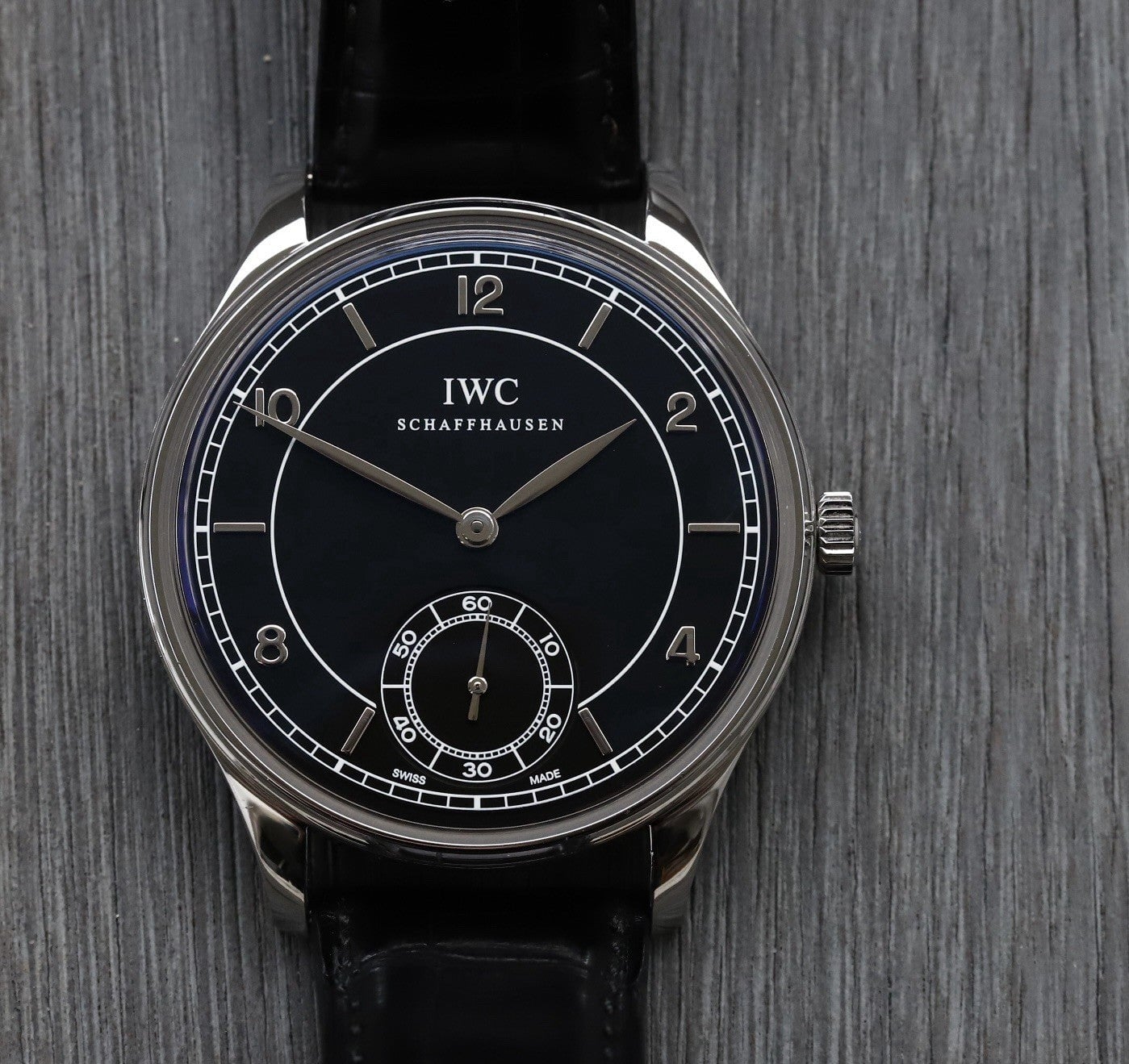
IWC followed with a sector-dial Portugieser in 2008, pairing a narrow railroad minute track with a broad hour ring, applied markers and small seconds at 6 o’clock.
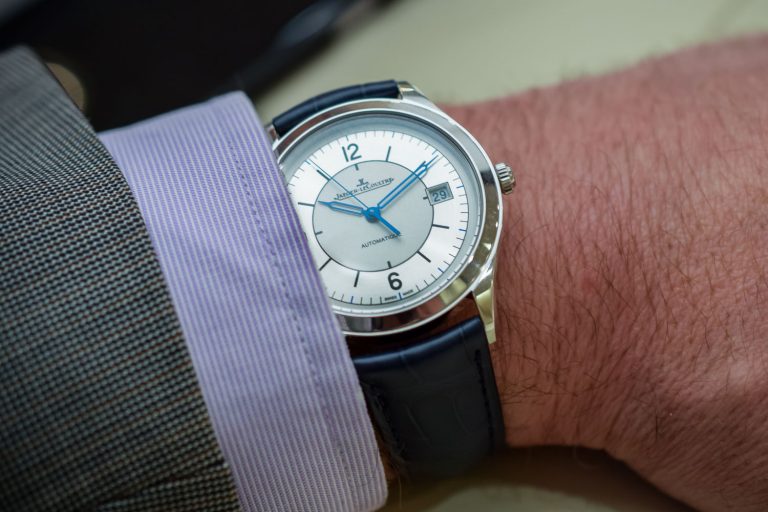
Jaeger-LeCoultre later brought the look into its Master Control line, showing how naturally the layout fits a restrained modern dress watch.
Today, the sector dial appeals because it gives a watch structure without making it busy.
It’s graphic but not loud, historical but not costume-like, and technical without needing a complication to justify its presence.
For collectors, that balance is the point.
A good sector dial doesn’t merely borrow from the past; it uses geometry to make time feel organised, legible and quietly deliberate.