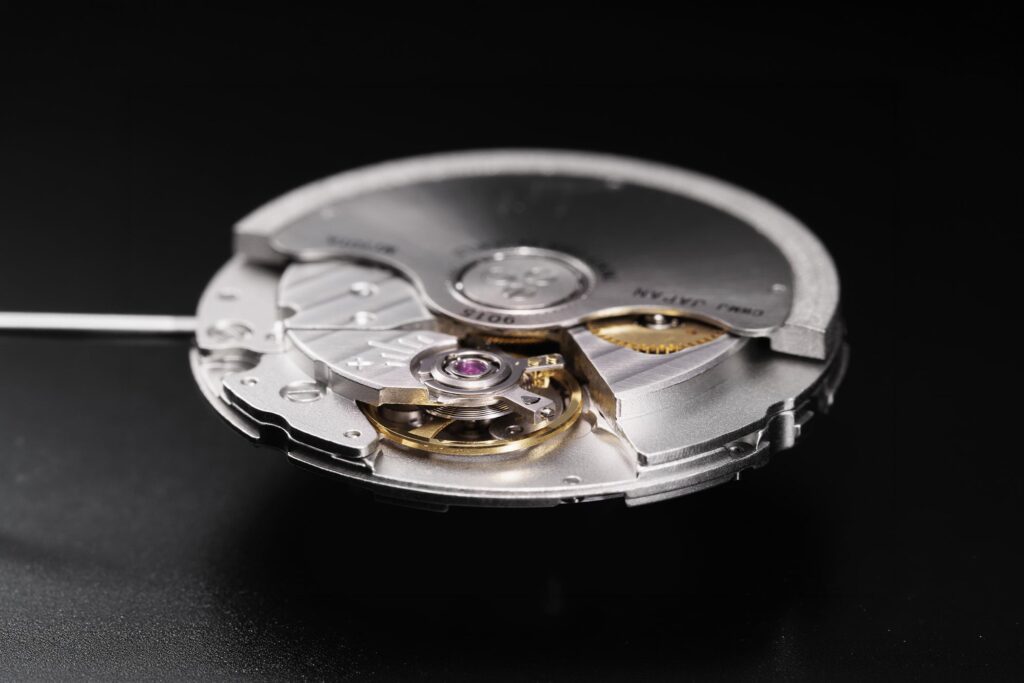
For years, Miyota has been one of the names enthusiasts encounter on a spec sheet rather than a dial.
That’s changing as the Japanese movement maker takes a more public role in watch culture, speaking not just to brands but to the people who buy, wear and debate the watches it helps bring to life.
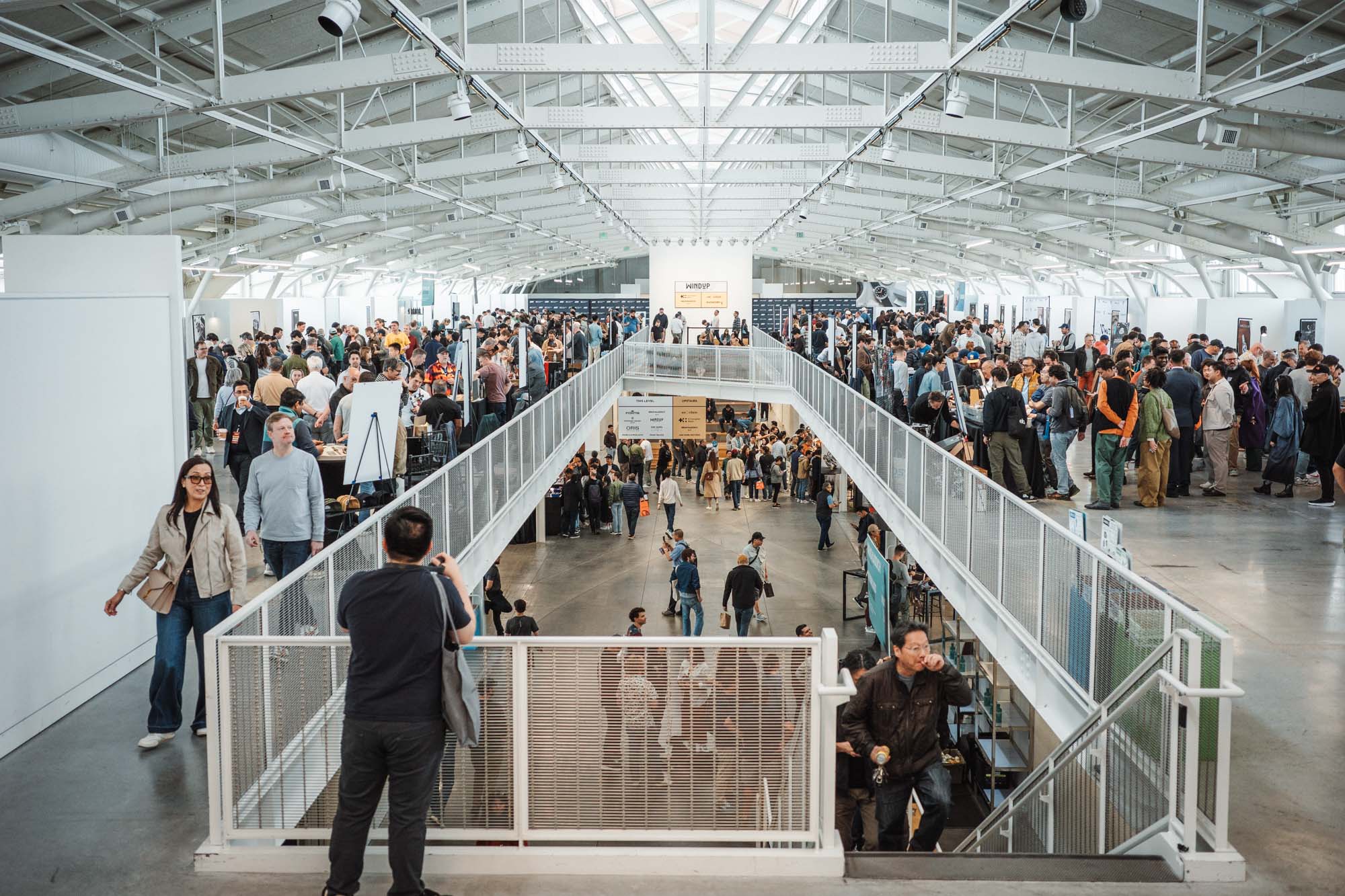
Ahead of its fourth consecutive appearance at Windup Watch Fair in New York from October 16 to 18, 2026, Miyota’s story feels especially relevant in a market where the movement inside a watch increasingly shapes how that watch is understood.
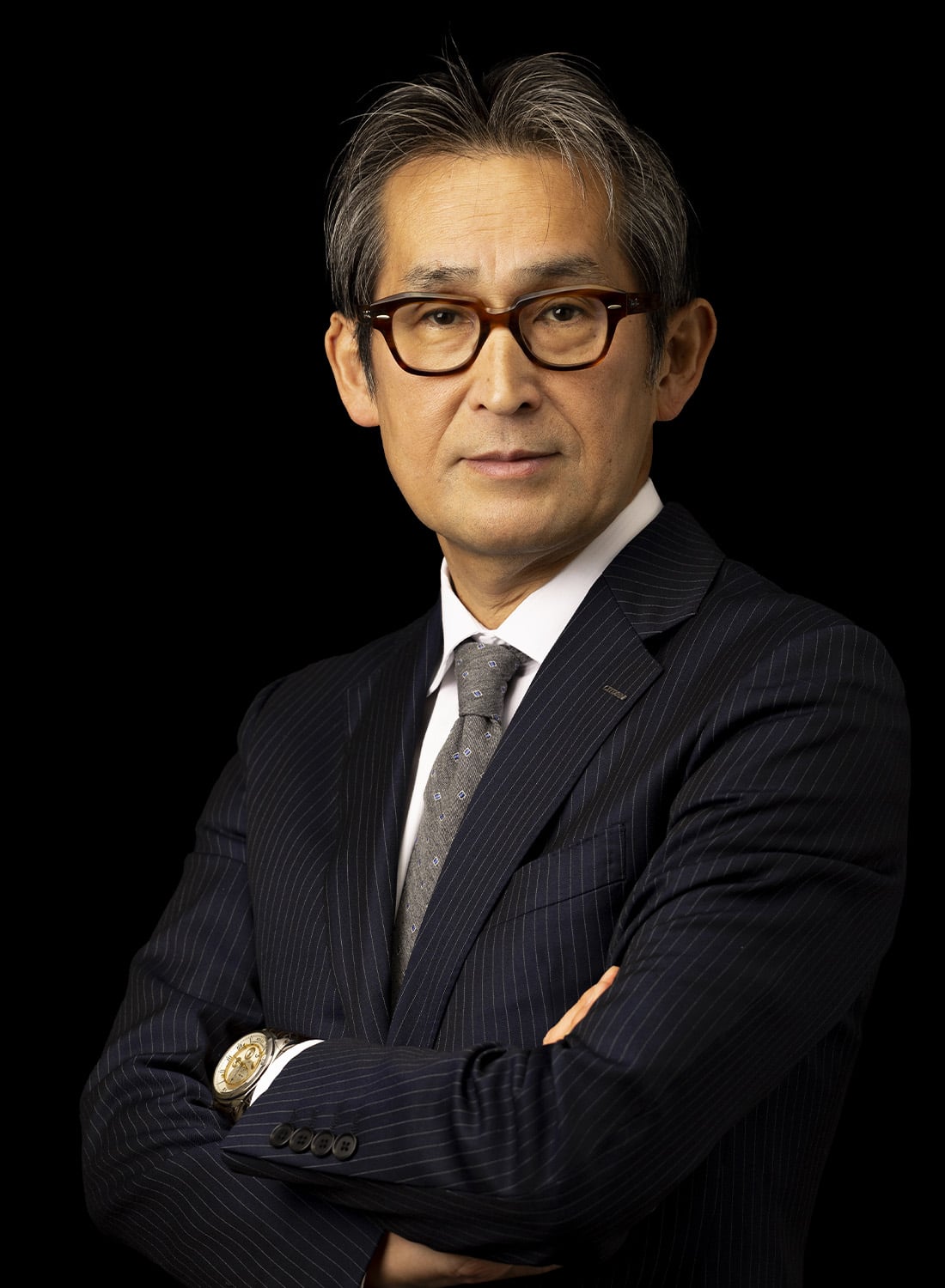
At a glance
- Miyota is taking a more visible role after more than 40 years supplying movements to watch brands around the world.
- Brand Manager Yoshio Miura points to in-house manufacturing, long-term reliability and the premium Caliber 9000 Series as central to the company’s current direction.
- The Japanese movement maker is appearing at Windup Watch Fair in New York for the fourth consecutive year, reflecting its growing interest in direct engagement with enthusiasts.
The movement maker behind many modern watches
Miyota’s importance sits in a part of watchmaking that often goes unseen.
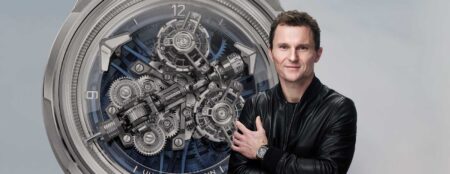
The company has supplied movements to brands and manufacturers globally for more than four decades, operating as what Brand Manager Yoshio Miura describes as essential infrastructure for the watch industry.
His comparison is simple and useful. A movement, he says, is to a watch what an engine is to a car or a CPU is to a computer.
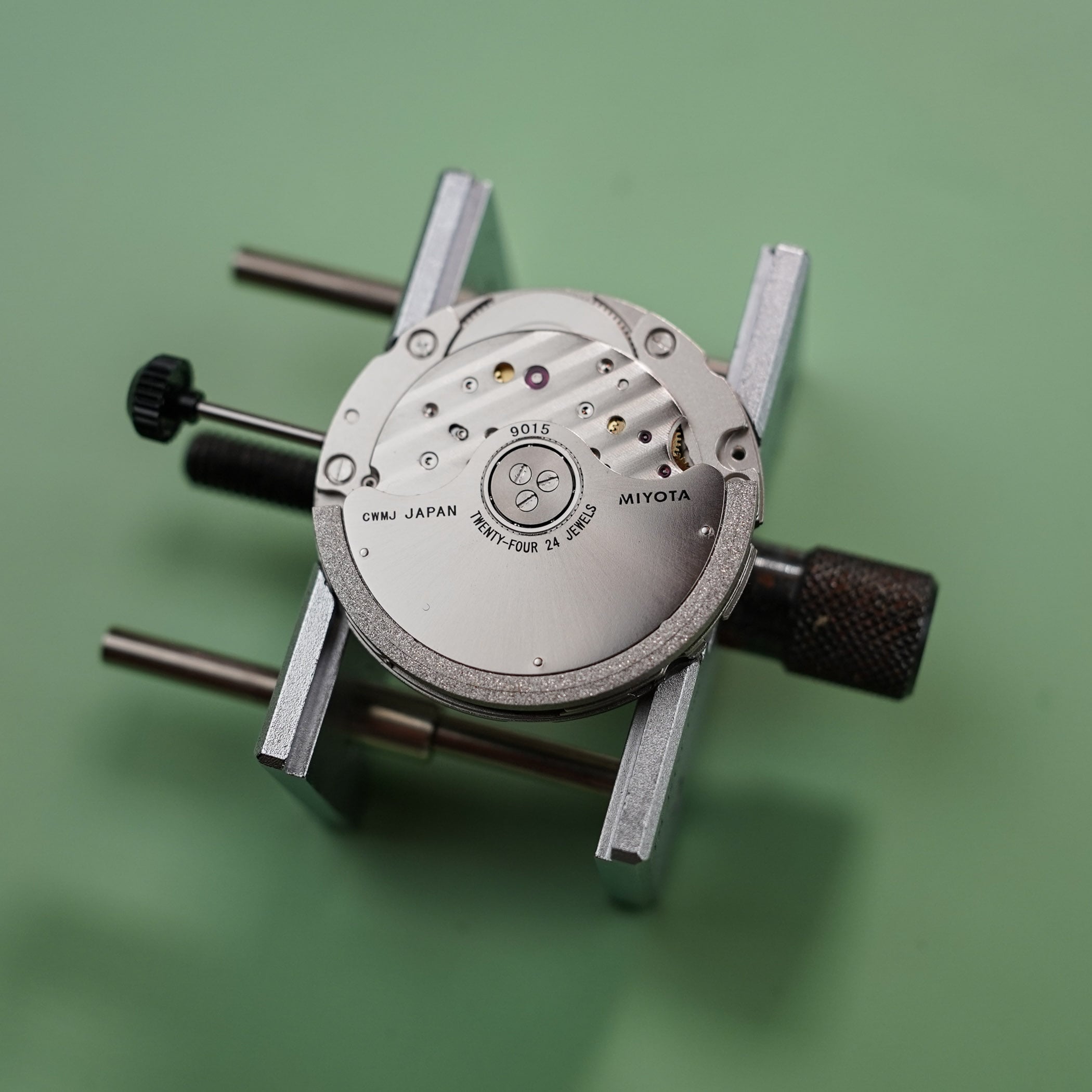
That position explains why Miyota has become familiar to collectors who pay attention to what powers a watch, even when the name on the dial belongs to another brand.
It also explains the company’s unusual reach, from established international watch companies to emerging independents and microbrands looking for dependable mechanical calibres at scale.
From volume to character
The shift around Miyota mirrors a wider change in watch culture.
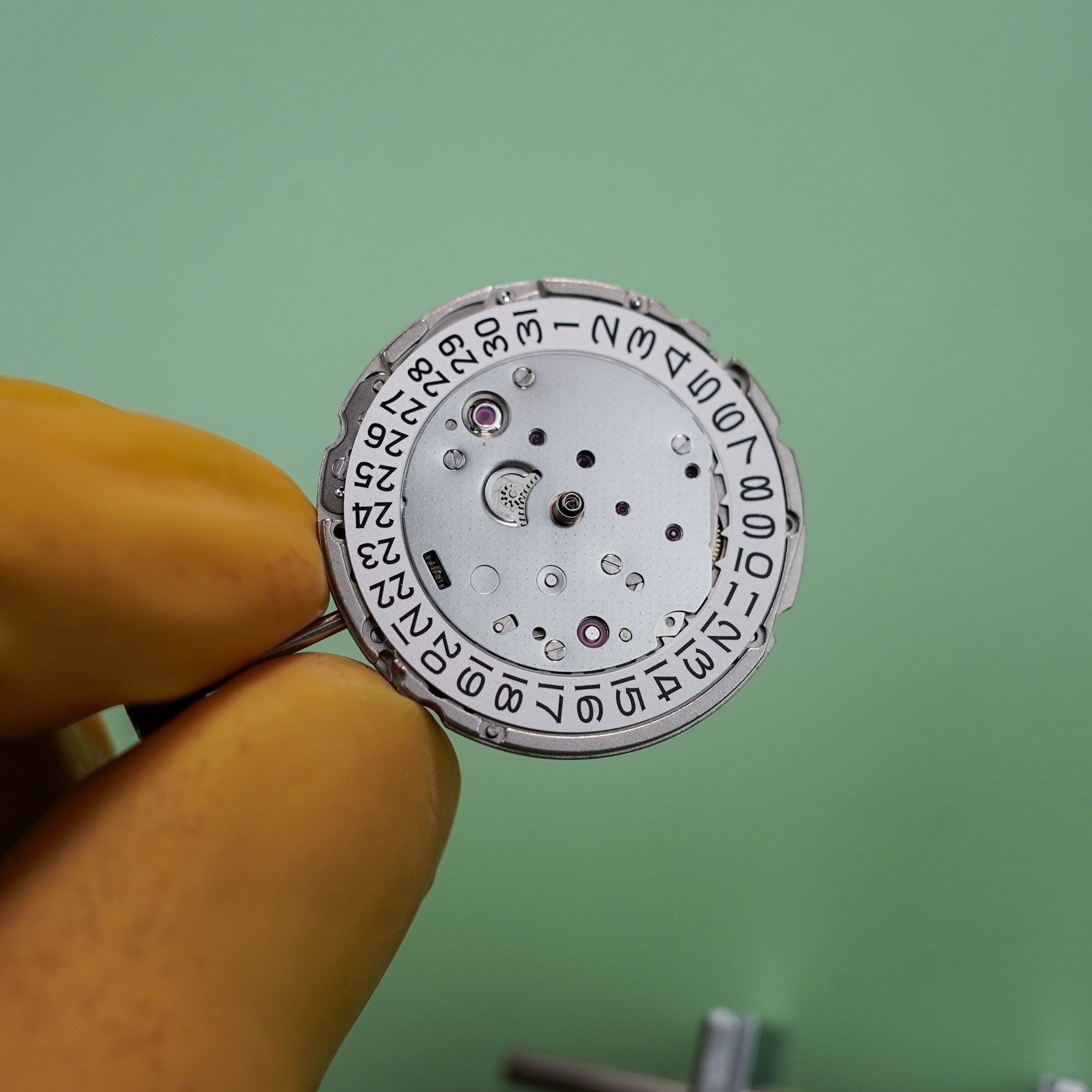
Miura says the market has moved from an emphasis on volume toward a stronger interest in uniqueness and craftsmanship, a change that has pushed Miyota to expand its focus on premium mechanical movements.
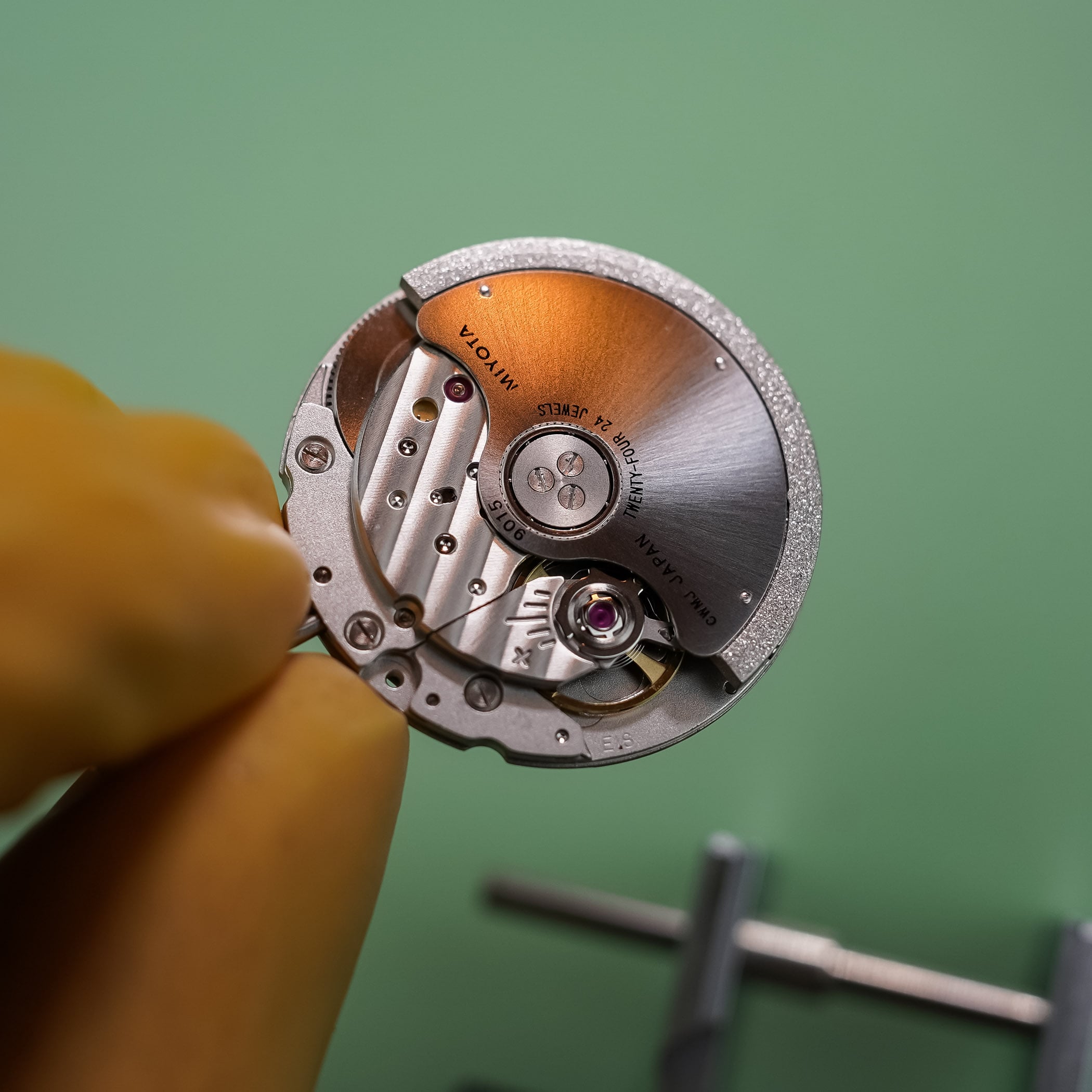
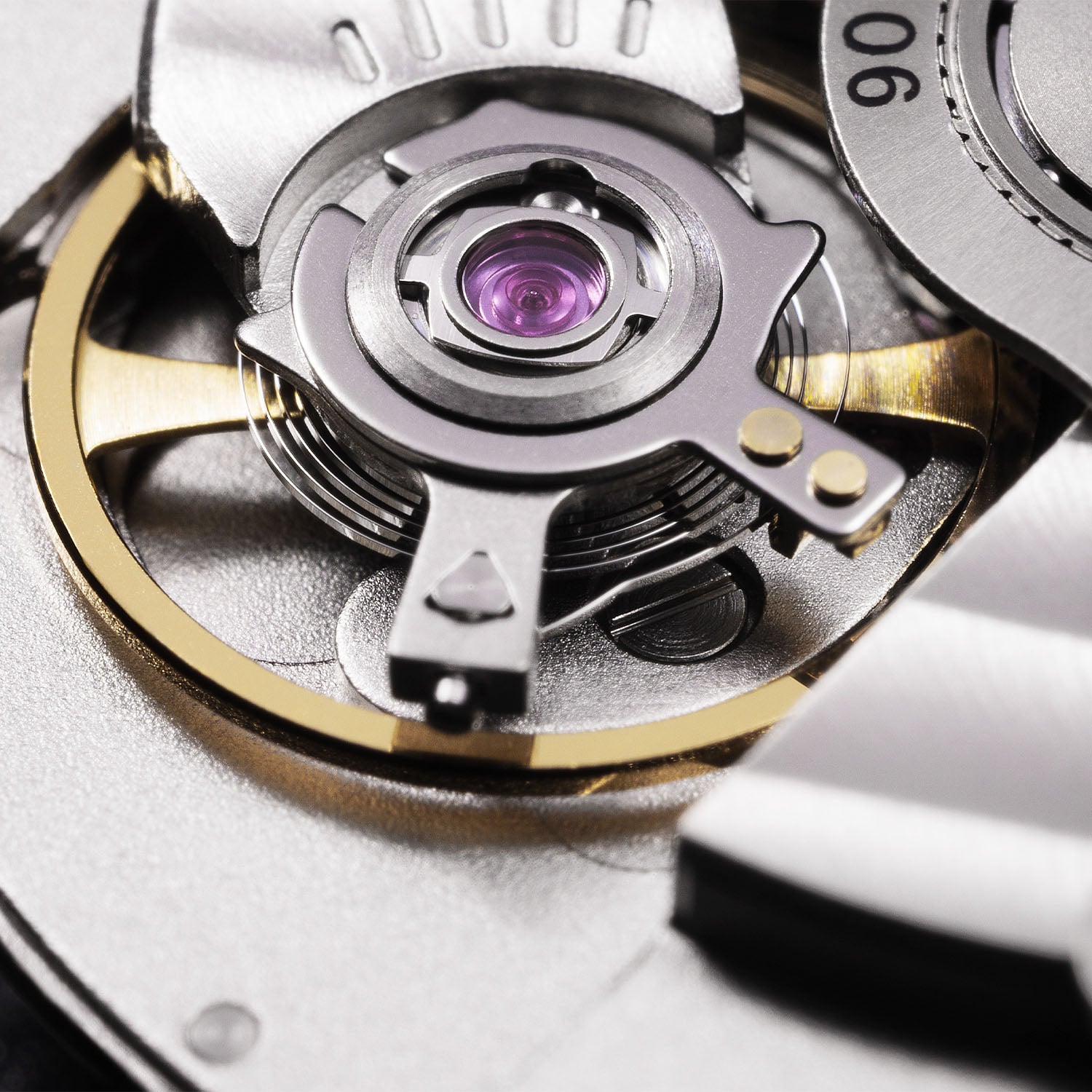
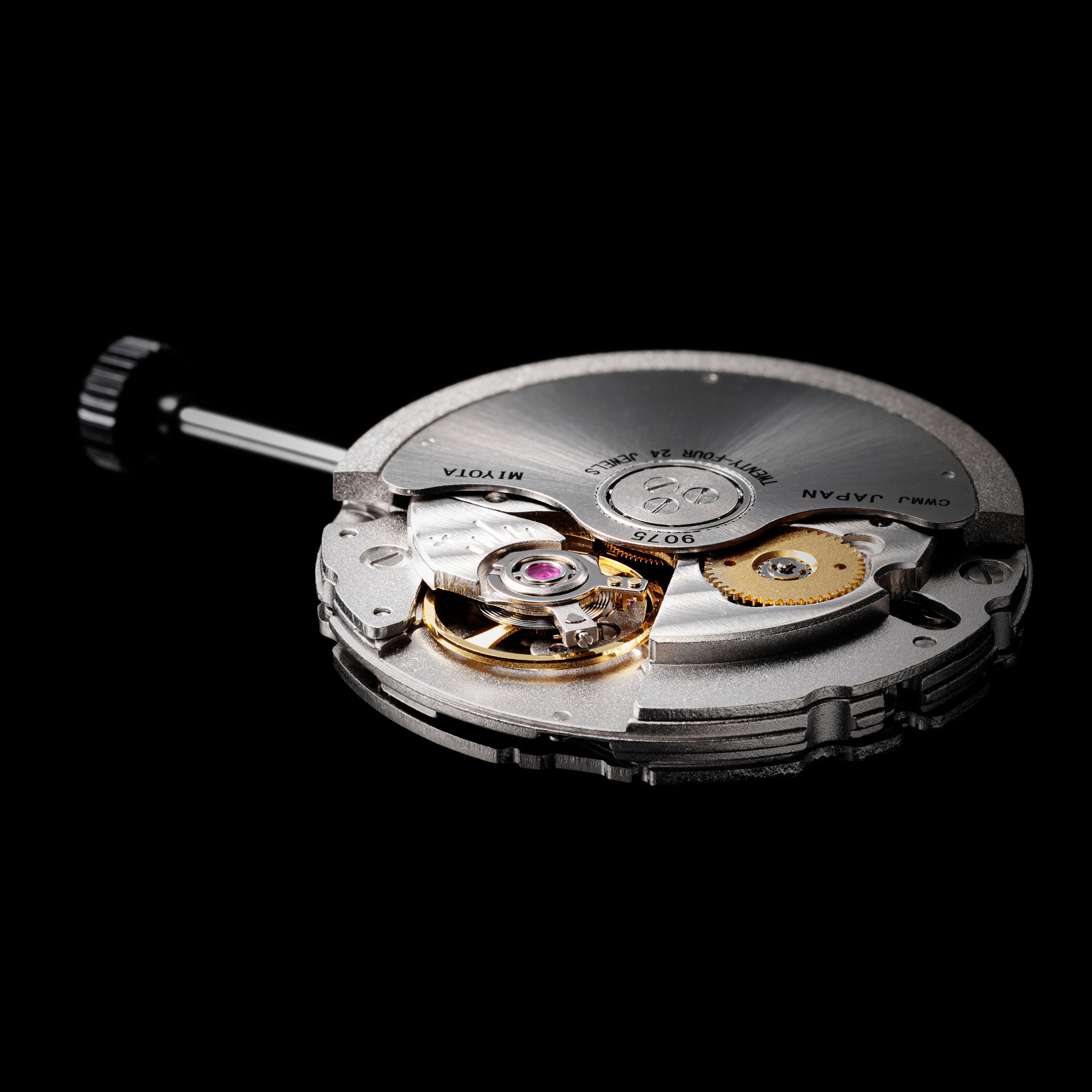
The Caliber 9000 Series is the clearest expression of that direction within the details provided by the company.
Rather than treating the movement purely as a component hidden beneath the dial, Miyota now frames it as part of a watch’s identity, reliability and long-term appeal.
That matters because buyers are increasingly fluent in the language of calibres, architecture and provenance.
A watch enthusiast might still fall for a case shape or dial colour first, but the movement is often what decides whether the watch feels credible over time.
Japan-built scale and in-house know-how
Miura identifies Miyota’s integrated manufacturing system as one of its defining strengths.
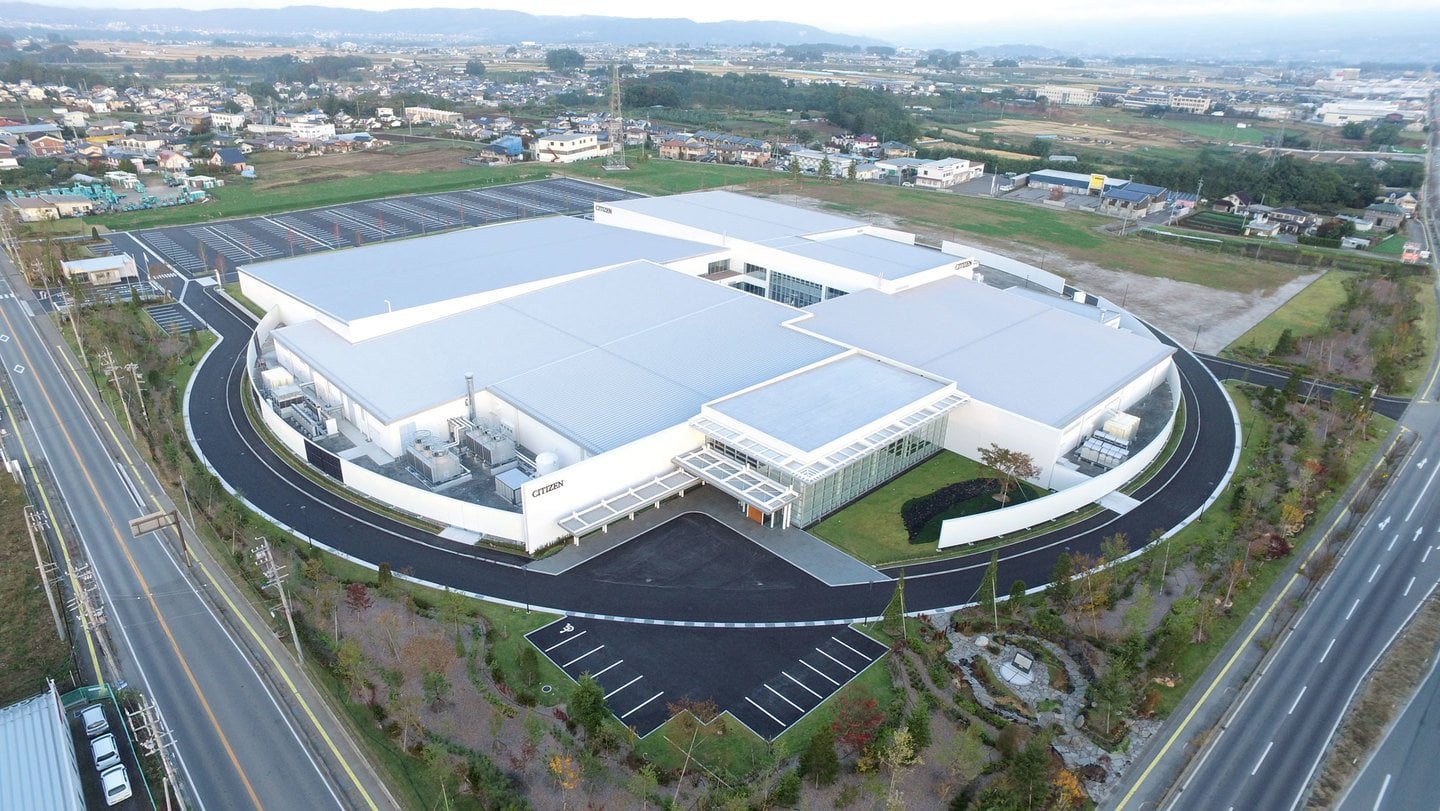
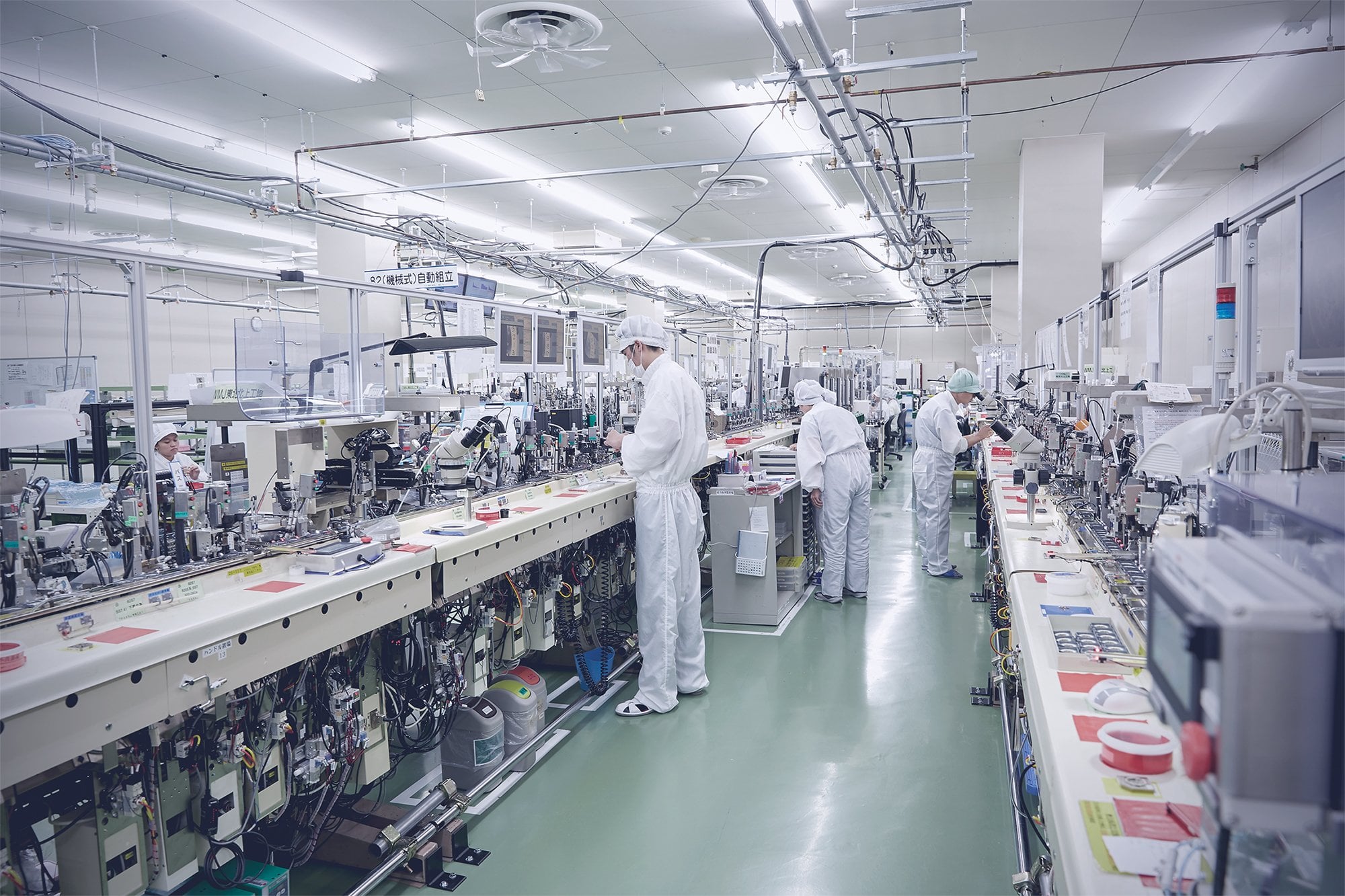
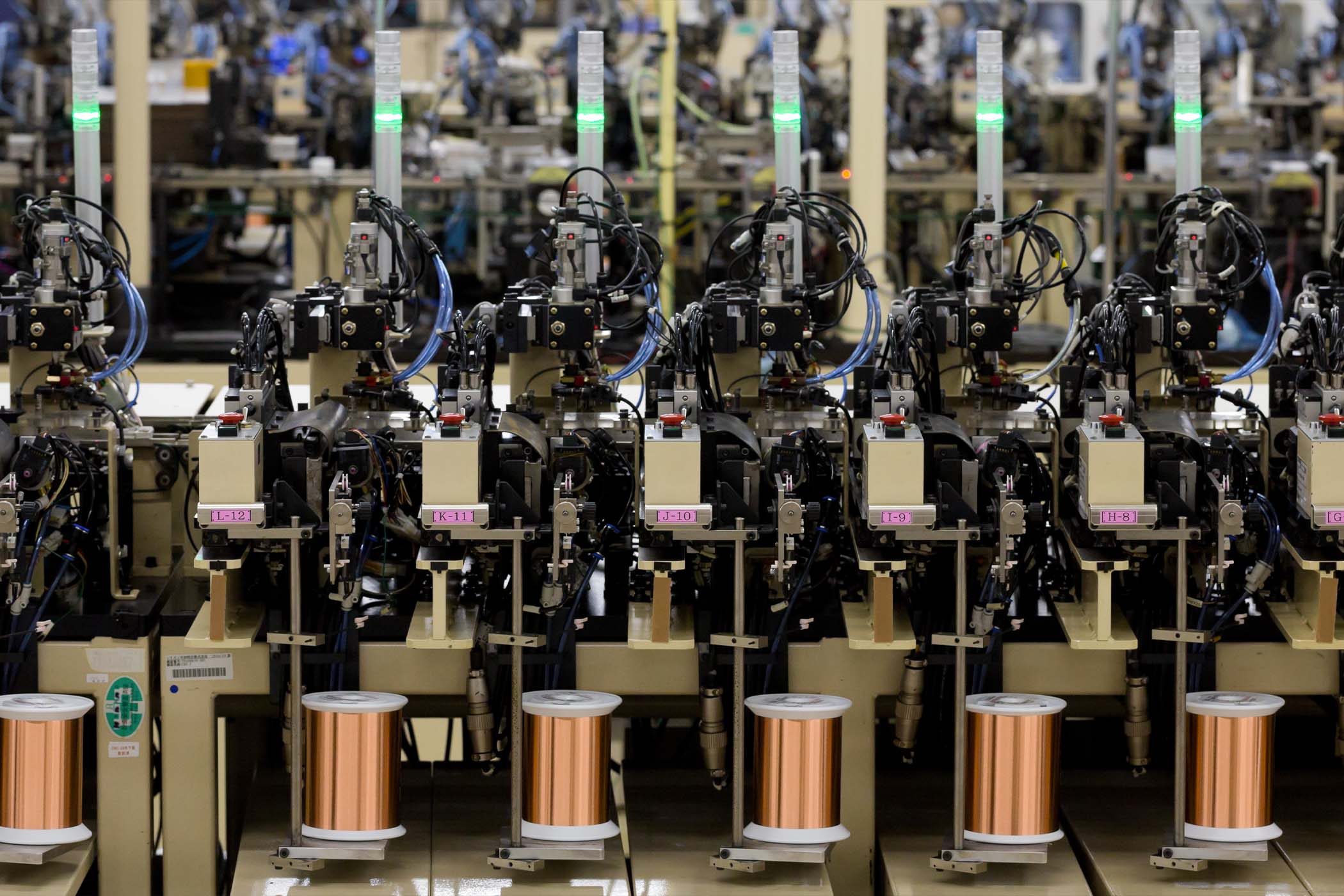
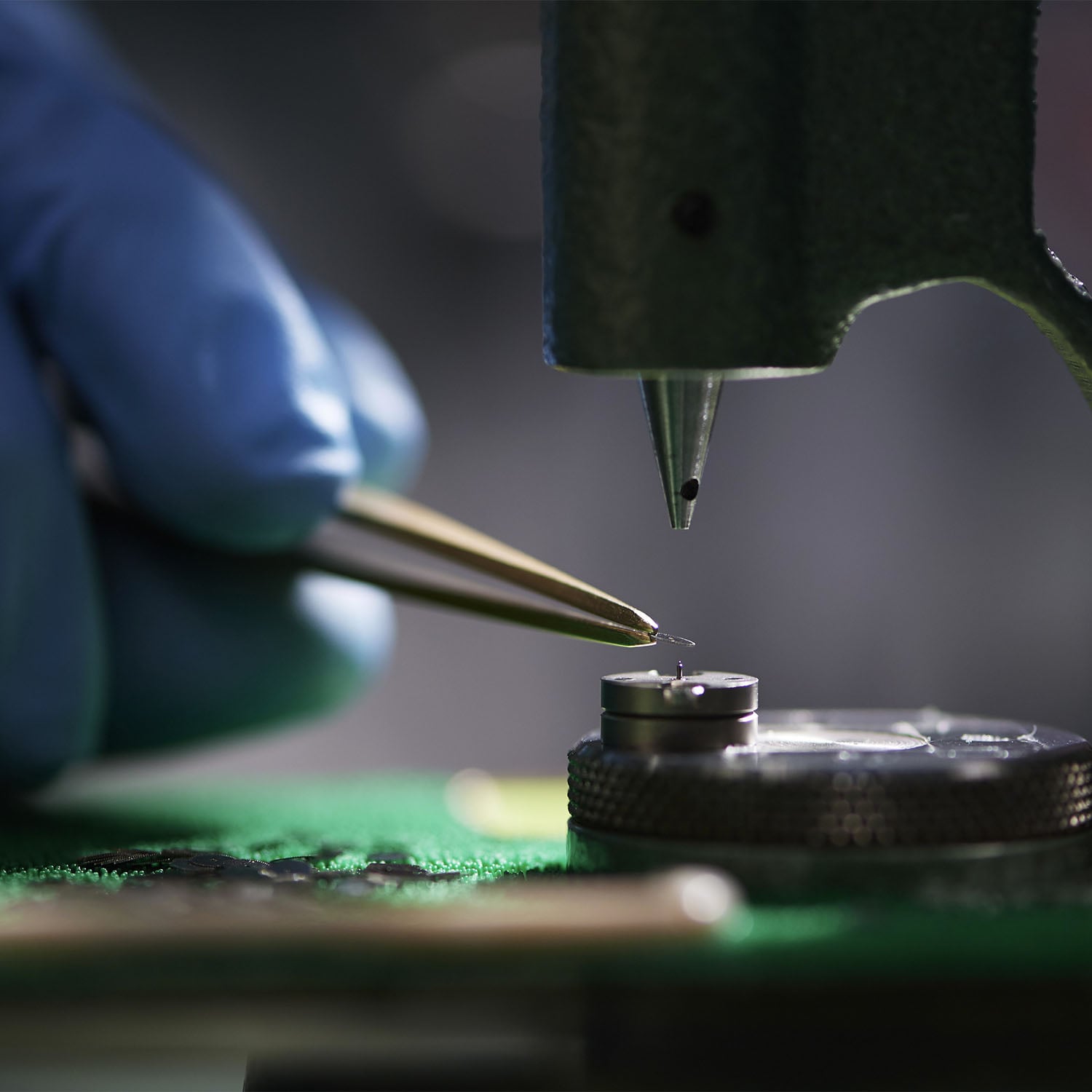
He says the company produces many of the key components used in its movements in-house and develops much of its specialised production equipment itself in Japan.
That vertical approach is presented as a way to maintain consistency while preserving technical knowledge across generations.
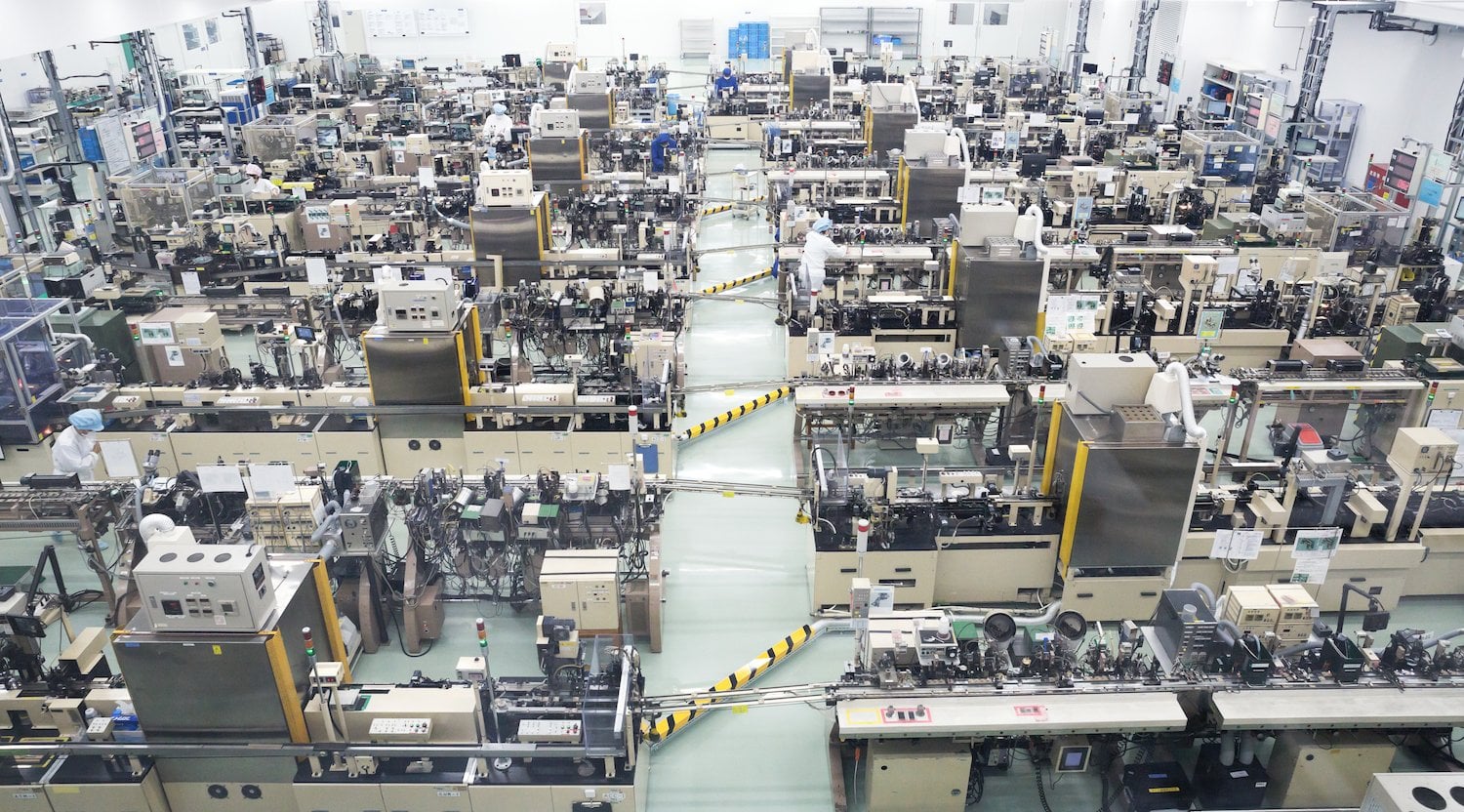
In a watch industry where supply chains can be fragile and specialist capacity is often limited, the ability to develop, manufacture and supply movements in-house has become more than a production detail.
For brands, it can mean access to a stable supply of movements from a partner with global reach.
For enthusiasts, it adds context to a name they may have seen inside a wide range of watches, from accessible mechanical pieces to more ambitious independent projects.
Why enthusiasts now matter to Miyota
Miyota’s traditional customers are watch brands, but the company is paying closer attention to end consumers.
Miura says enthusiasts today want to understand not only design, but also the technology, engineering and philosophy behind a watch.
That explains the significance of Windup Watch Fair for a movement manufacturer.
The event gives Miyota a direct line to the people wearing watches powered by its products, rather than limiting the conversation to business customers.
Miura says those interactions help the company understand what enthusiasts value, while also giving the public a better sense of how movements are developed and made.
He also notes that visitors increasingly ask about manufacturing processes, development philosophy and movement history, not just technical specifications.
That curiosity is useful for a company whose reputation has long been built on dependability more than visibility.
A quiet force in independent watchmaking
The rise of independent brands and microbrands has made reliable third-party movements even more important.
Miura describes these smaller watch companies as an important force in the industry, reflecting consumer interest in originality, authenticity and distinctive stories.
Miyota’s role, as he frames it, is to give those brands dependable movements so they can focus on creativity and product identity.
That relationship is one of the reasons the company’s profile has grown among collectors.
When a microbrand builds a compelling watch around a trusted calibre, the movement supplier becomes part of the conversation, even if it remains physically hidden behind the dial or caseback.
For Miyota, the next several years will continue to centre on mechanical movement development, with Miura pointing again to individuality, lasting value and craftsmanship as priorities for consumers.
The company’s challenge is to remain a behind-the-scenes industrial partner while becoming better understood by the public.
That balance may suit Miyota well.
Its appeal has never depended on theatrical mystery, but on the practical promise that a watch can be creative, independent and still built around a movement designed for long-term confidence.