Range Rover appears ready to step away from the dashboard screen arms race.
As luxury car interiors become increasingly dominated by oversized displays, the British marque is shaping a different idea of modernity, one that uses digital interfaces more selectively rather than turning the entire dashboard into a screen.
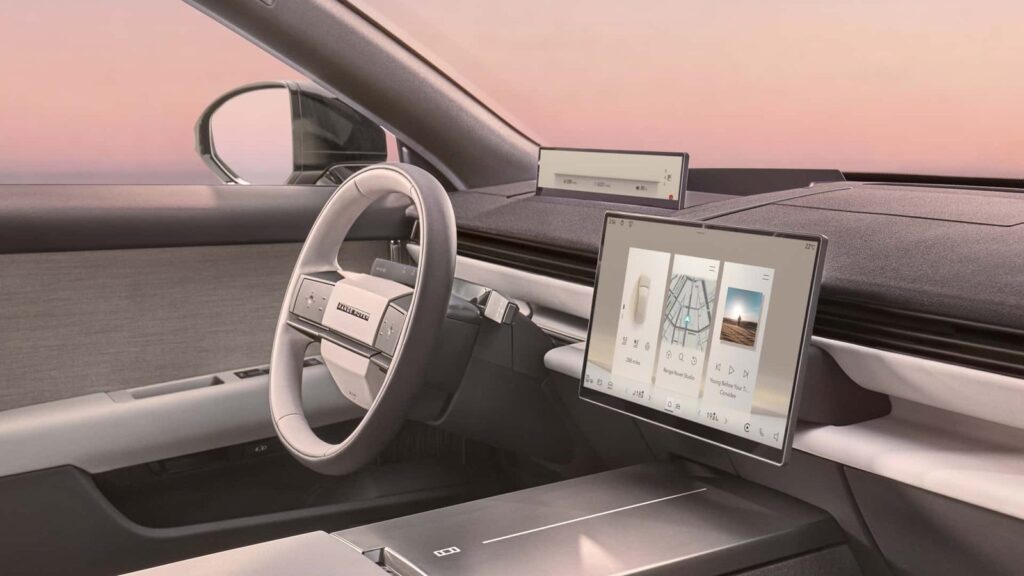
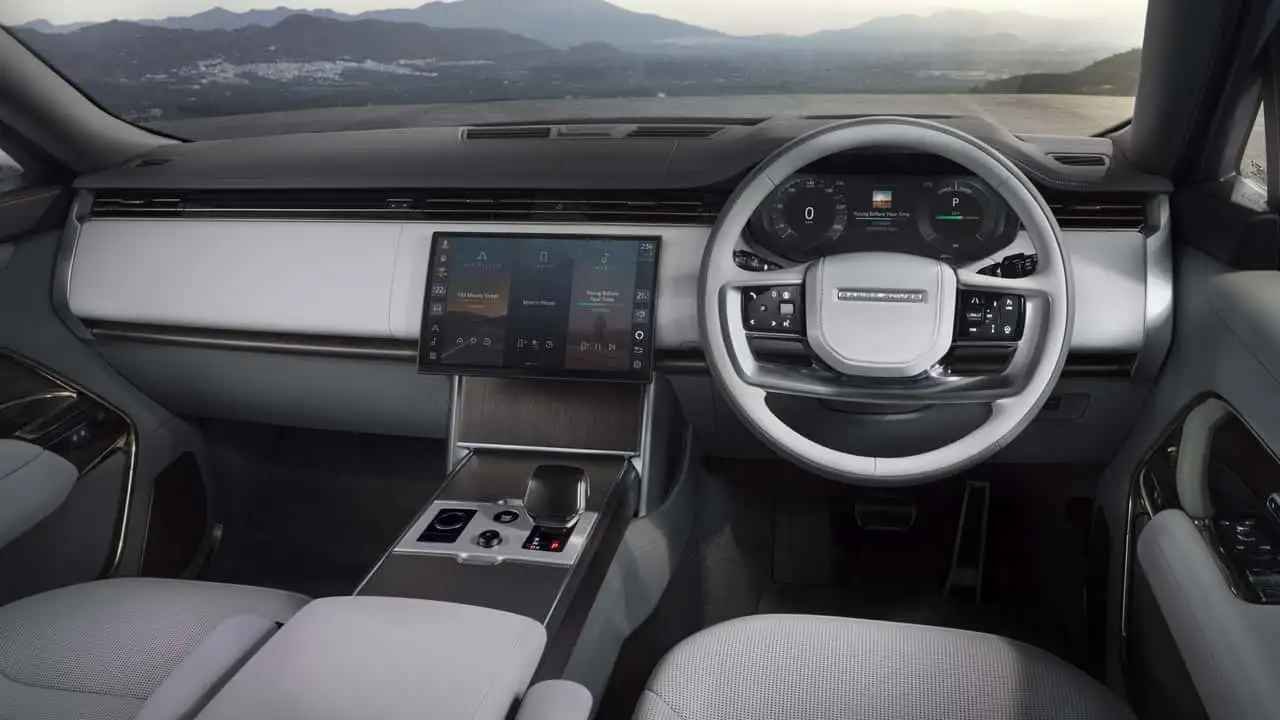
The clearest sign of that shift is the upcoming Range Rover GT, which previews a cabin layout with a lower central touchscreen and a slim digital driver display instead of a full-width display wall.
At a glance
- Range Rover is planning to reduce screen sizes across future models rather than follow the industry’s push toward ever-larger displays.
- The upcoming Range Rover GT previews the approach with a lower central touchscreen and a slim digital driver display.
- The strategy positions restraint and usability as a potential luxury differentiator, especially as rivals add more screens to their cabins.
A quieter answer to the dashboard screen race
For years, the broad direction of premium car interiors has been easy to read.
More screens, larger screens, and in some cases separate passenger displays have become shorthand for technology and status.
Range Rover now seems to be asking whether that visual impact still feels genuinely luxurious, particularly in a brand built around calm, comfort and command-position confidence.

The upcoming Range Rover GT is expected to avoid the enormous dashboard-spanning display treatment seen in some newer luxury and electric models.
Instead, its main touchscreen sits centrally and lower on the dashboard, with a slim digital instrument display for the driver.
A dedicated passenger screen is also being treated as unnecessary, which says plenty about the tone Range Rover wants to set.
The Range Rover GT cabin points to restraint
This isn’t a rejection of digital technology.
The GT will still rely heavily on its main display for climate and multimedia functions, so this is not a return to a button-heavy old-school cabin.
Some shortcut controls are expected to remain on the steering wheel, which should help reduce the need to dive through menus for every basic interaction.
That balance matters because luxury buyers have become more aware of the trade-off between a sleek digital cabin and everyday usability.
A big screen can impress in a showroom, but it can also dominate the interior and make simple tasks feel less intuitive on the move.
Range Rover’s challenge will be to make a smaller-screen environment feel deliberate rather than merely minimal.
Usability as a luxury signal
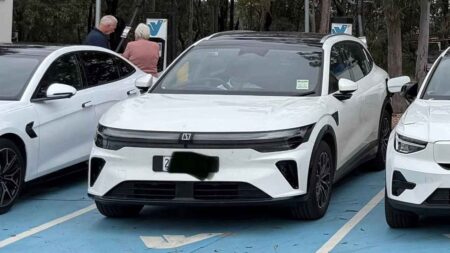
The move is particularly interesting because it arrives while many rivals, including several Chinese brands, are pushing in the opposite direction.
Large multi-screen dashboards can create a strong first impression, but they also risk dating quickly as interface design evolves.
Range Rover’s more restrained approach could give the brand a clearer visual identity at a time when many new interiors are beginning to look similar.
It also fits the marque’s long-standing emphasis on a cabin that feels composed rather than busy.
For a Range Rover customer, the absence of a huge passenger display may be less a missing feature than a sign that the car isn’t trying too hard.
What this means for future Range Rover models
The GT is being used as an early preview of this new thinking, but the broader intent is to reduce screen sizes across future Range Rover models.
That would mark a notable change for a brand that, like much of the industry, has followed the move toward larger and more numerous digital displays.
The key distinction is that Range Rover isn’t abandoning touchscreens, it’s trying to make them feel less dominant.
If the execution is right, the result could be a cabin that still feels modern without sacrificing the quiet authority that has always defined the brand.
In a market crowded with glowing dashboards, Range Rover’s next interior statement may be the confidence to leave some space untouched.