There’s a familiar tension on a busy safari route, especially when a leopard finally appears or a lion pride settles close to the track.
The sighting may be extraordinary, but the moment can feel oddly compressed when other vehicles are waiting their turn.
Private concessions are changing that rhythm, offering travellers a quieter, more flexible way to experience Africa’s most compelling wildlife landscapes.
At a glance
- Private concessions are becoming a preferred safari choice for travellers who want fewer vehicles and more time with wildlife.
- They often allow flexible activities such as walking safaris, hides and longer, less hurried game viewing.
- Key examples include Hwange’s waterhole experiences and Botswana’s Khwai River region, where wild dogs have returned to den season after season.
The real luxury is time at a sighting
On safari, time can matter more than almost any creature comfort.
A private concession doesn’t make the wildlife perform, but it can give a guide and guest the freedom to stay when a sighting begins to unfold.
That changes the texture of a game drive.
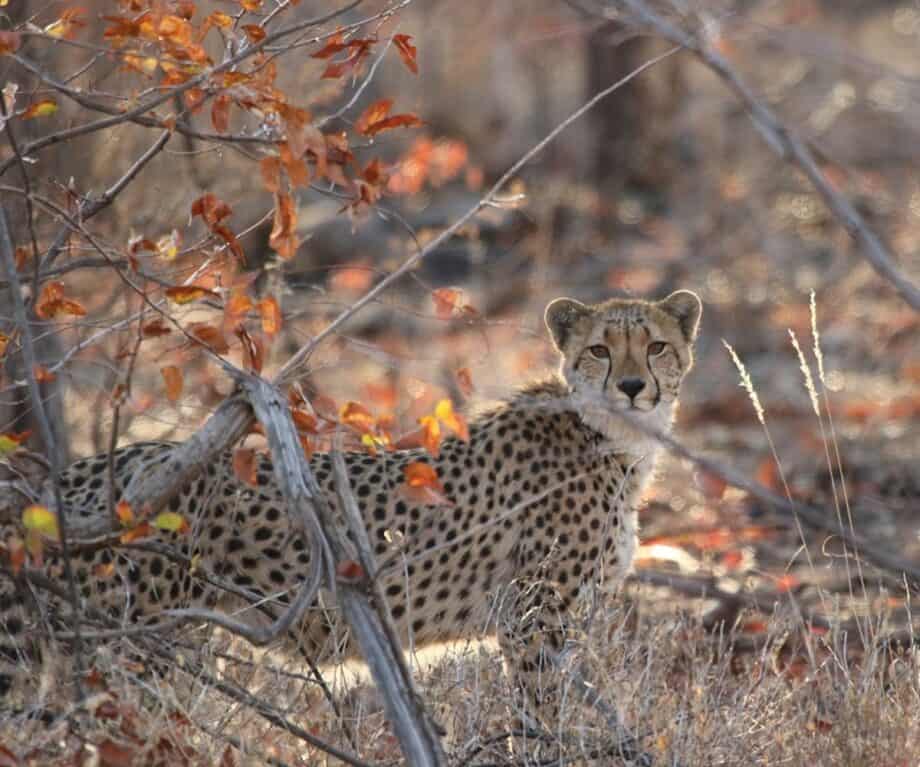
Instead of a brief stop at a lion pride before moving aside for the next vehicle, guests may be able to watch the pride settle into the shade, interact, rest and reveal the small details that make the encounter memorable.
In dry-season landscapes such as Hwange, where permanent water becomes a magnet for animals, that patience can turn a simple pause near a waterhole into the defining moment of a trip.
It’s not necessarily about ticking off more species before lunch.
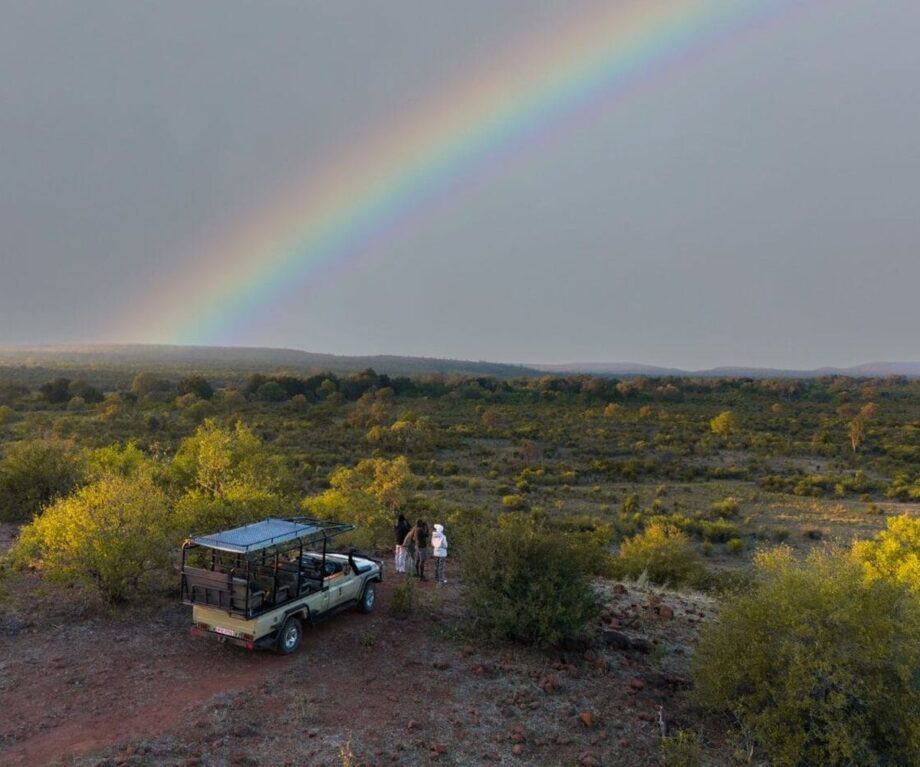
It’s about seeing the animals you do encounter with enough stillness to understand what’s happening.
Walking, hides and a slower read of the bush
Game drives remain central to safari travel, but private concessions often open up a broader vocabulary of experiences.
Walking safaris shift the focus from pursuit to perception.
On foot, elephant paths become legible, fresh lion tracks gain meaning and birds often announce themselves before they’re seen.
The landscape stops being a backdrop and becomes the story.
Underground hides add another kind of intimacy, particularly around waterholes where animals approach on their own terms.
From that position, the drama is quieter and often more revealing, with guests observing behaviour at eye level rather than arriving in a vehicle after the action has already begun.
Some concessions also bring in elements beyond wildlife, from hidden gorges to ancient forests and historical sites that add depth to the day’s exploration.
For travellers who have already done the classic morning-and-afternoon game drive format, these variations can make the bush feel newly alive.
When camp becomes part of the safari
One of the quiet strengths of a well-placed concession camp is that the safari doesn’t always begin with an engine starting.
Many private concessions sit along long-established wildlife corridors, where animals continue to move between feeding, resting and drinking areas.
In some regions, elephants move between Zimbabwe and Botswana along routes that predate any lodge, road or boundary line.
Camps positioned with care can turn those movements into part of daily life.
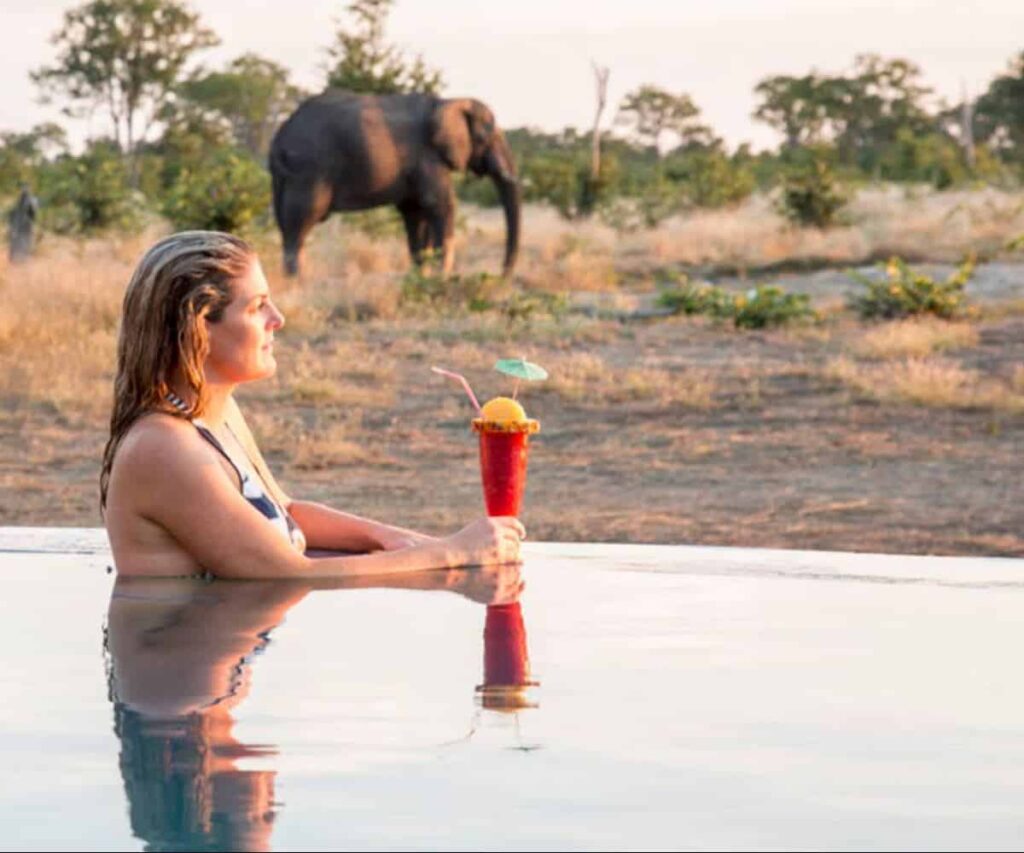
A deck, a hide or even a seat near the swimming pool may become a viewing point as animals gather at a nearby waterhole.
This is where private concessions can feel especially different from busier safari circuits.
The experience is less scheduled, less dependent on chasing the next radio call and more connected to the natural pulse of the place.
Khwai and the freedom to follow the wild
Along Botswana’s Khwai River, the appeal of private concessions is especially clear.
The region is known for the freedom it gives guides to follow wildlife as it moves through the landscape, allowing encounters to develop rather than end just as they become interesting.
That flexibility matters with predators, and it matters even more with species whose movements can be fast, unpredictable and emotionally charged.
African wild dogs are among the continent’s most sought-after sightings, not only because they’re endangered, but because their social structure and hunting behaviour are so absorbing to watch.
In recent years, a pack has returned season after season to den and raise pups in the Khwai area.
Seeing wild dogs on the move is already rare enough for many safari travellers.
Watching the same pack return to raise successive generations is a different level of encounter, one made more meaningful by time, space and restraint.
Who private concessions suit best
Private concessions will appeal to travellers who value atmosphere as much as sightings.
Photographers benefit from fewer vehicles and less pressure to move on at the decisive moment.
Repeat safari-goers may appreciate the chance to go deeper into tracking, walking and behaviour rather than simply revisiting the familiar rhythm of a park drive.
They also suit travellers who want iconic ecosystems without feeling locked into the busiest viewpoints.
The wildlife remains wild, which means there are never guarantees, but the structure of the experience gives each encounter more room to breathe.
That’s the real shift.
A private concession safari isn’t about separating travellers from the wilderness with more comfort or ceremony.
It’s about removing some of the pressure around the encounter itself, so the bush can set the pace and the traveller has time to notice what’s already there.