Porsche isn’t ready to let the clutch pedal become a museum piece.
While the wider performance-car world keeps moving toward electrification, automation and ever-faster dual-clutch gearboxes, Porsche is still making room for drivers who want to shift for themselves.
For the brand’s North American customers in particular, that decision matters.
At a glance
- Porsche Cars North America says it will keep offering manual-transmission sports cars for as long as regulations and demand allow.
- North America remains one of Porsche’s strongest markets for manual 911 variants, including the Carrera T and GT3.
- The new manual 911 Carrera S MT Package is offered exclusively in North America as a Coupe and Cabriolet.
North America keeps the clutch pedal relevant
Porsche Cars North America CEO Timo Resch has made the company’s position unusually clear, saying Porsche will try to offer manual transmissions for as long as it is legally allowed to and for as long as customers continue asking for them.
That second condition is doing a lot of work in North America.
The region has become one of the most important strongholds for three-pedal Porsche sports cars, with particularly strong take-up for manual versions of models such as the 911 Carrera T and 911 GT3.
In a market where many buyers are choosing performance cars as emotional purchases rather than mere transport, the manual gearbox still carries real weight.
It is slower on paper than Porsche’s quickest automatic options, but that misses the point for the buyers who want one.
For them, the value is in timing a shift, feeling the driveline load and having a more physical role in how the car moves.
The manual 911 Carrera S signals Porsche’s intent
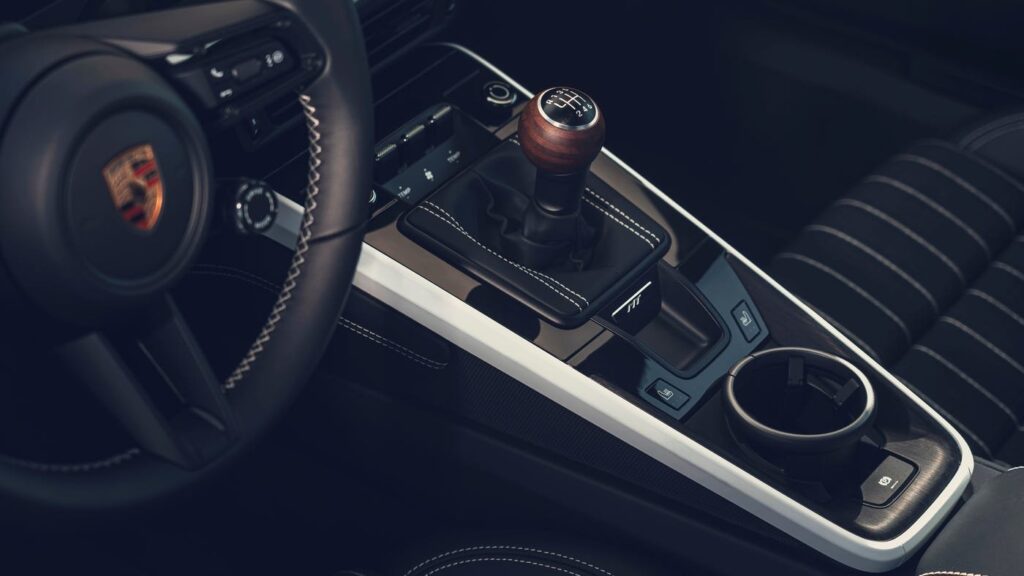
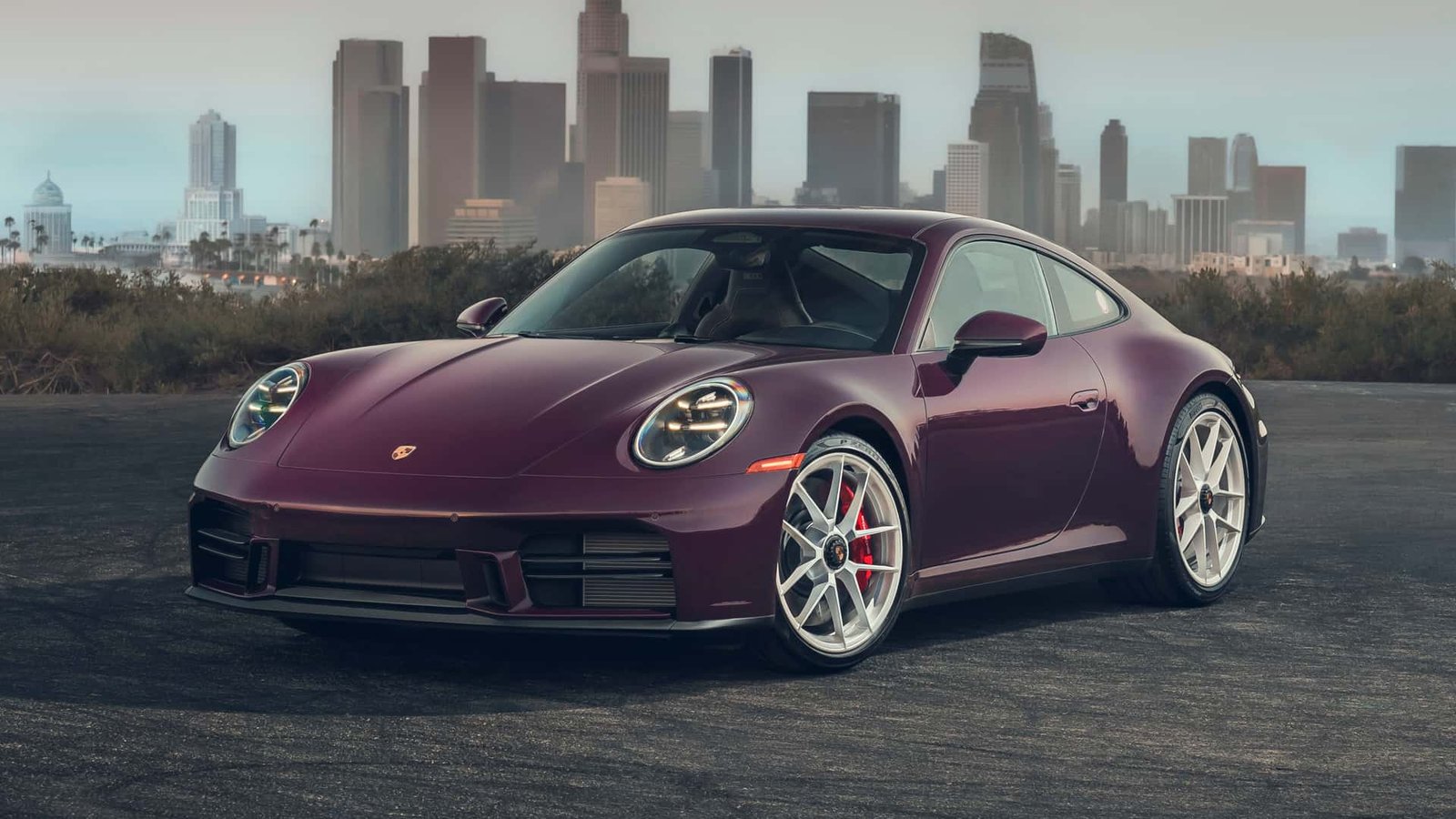
The clearest recent sign of Porsche’s commitment is the 911 Carrera S MT Package, a manual-transmission version launched exclusively for North America.
The package pairs a six-speed manual gearbox with rear-wheel drive, keeping the recipe focused and familiar.
It is available in both Coupe and Cabriolet body styles, which gives buyers a choice between the more traditional closed-roof 911 experience and the open-air version.
The decision to reserve this configuration for North America says plenty about where Porsche sees the strongest appetite for manual cars.
It also suggests the brand is willing to shape its model mix around regional enthusiasm, rather than treating the manual gearbox as a symbolic afterthought.
Details & Specifications
| Brand | Porsche |
|---|---|
| Model | 911 Carrera S MT Package |
| Market | North America |
| Transmission | Six-speed manual |
| Drivetrain | Rear-wheel drive |
| Body styles | Coupe and Cabriolet |
| Related manual models | 911 Carrera T and 911 GT3 |
A future shaped by rules as much as demand
Resch’s comments come with an important caveat, because the long-term survival of manual transmissions won’t be decided by enthusiasm alone.
Environmental and legal regulations will play a defining role, particularly as sports-car makers balance emissions rules, electrification targets and market expectations.
Porsche’s stance is not a promise that every future sports car will have a manual option.
It is a commitment to keep the format alive where it still makes sense, where it can be legally sold and where buyers continue to support it.
For enthusiasts, that may be the most realistic version of good news.
The manual Porsche is no longer the default choice, but in North America especially, it remains more than a nostalgic footnote.