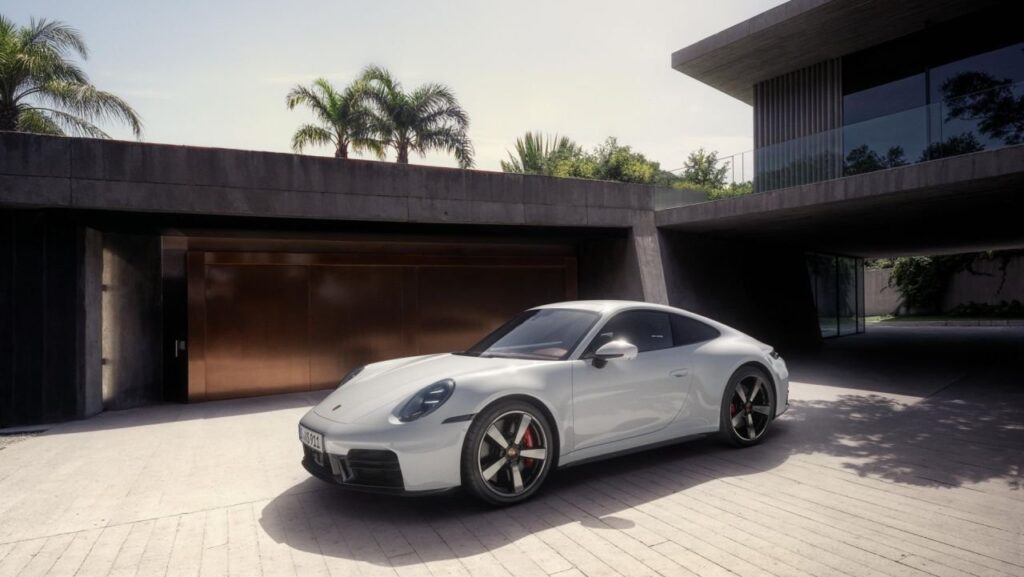
Porsche’s most familiar silhouette is having an unexpectedly strong year.
In the first half of 2026, the 911 delivered the kind of growth usually expected from more practical models, while the Taycan slipped sharply in the opposite direction.
The gap is striking because it cuts against the usual logic of premium car sales, where four-door usability and electrification often do the heavy lifting.

At a glance
- The Porsche 911 recorded 30,534 global deliveries in the first half of 2026, up 19%.
- The Taycan range fell 25% to 6,219 units across sedan and Sport Turismo variants.
- The 911 outsold the Taycan by nearly five to one and was the only Porsche model line to post growth.
The 911 is carrying Porsche’s growth
Porsche’s latest delivery figures put the 911 in a rare position within the brand’s current line-up.
With 30,534 global deliveries in the first six months of 2026, the 911 climbed 19% year on year and stood alone as the only Porsche model to show growth.
That performance becomes more notable when set against the rest of the range, where most model lines declined and several fell by double digits.

For a two-door sports car to outperform the broader product mix so decisively says a great deal about the 911’s unusual staying power.
Taycan demand cools sharply
The Taycan’s first-half number tells a very different story.
Porsche delivered 6,219 examples of the electric model range, including both sedan and Sport Turismo variants, representing a 25% decline.
That gives the 911 a lead of almost five to one over Porsche’s flagship electric passenger car.
It’s an unusual split, especially when the Taycan has the kind of body styles and everyday usability that would normally help a model compete strongly on volume.
The drop may reflect softer demand for high-end electric vehicles in some markets, increased competition, or a combination of both.
A broader 911 family keeps buyers engaged
Part of the 911’s advantage is variety.
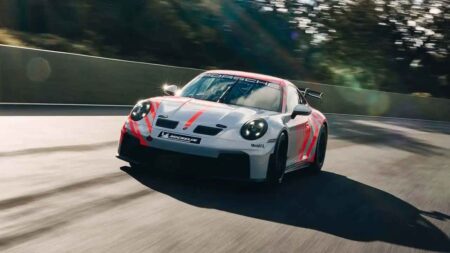
The range has continued to give enthusiasts multiple entry points, from more usable performance versions through to GTS, Turbo and focused GT models.
That spread matters because the 911 is not selling as a single idea.
It can be a daily sports car, a status object, a track-focused machine or a long-term collector purchase, depending on the derivative.
Few performance cars have managed to preserve that breadth without diluting the core identity.
What the first-half numbers suggest
The comparison does not diminish the Taycan’s importance to Porsche’s electric strategy, but it does show how resilient the 911 remains in a changing market.
Buyers are still responding to the emotional pull of a combustion-engined sports car with deep heritage, especially when the model range continues to evolve.
For Porsche, the first half of 2026 underlines a familiar truth with fresh numbers behind it.
The future may be electric, but the 911 is still one of the brand’s strongest commercial and cultural anchors.