French luxury rarely needs an introduction, but French watchmaking still does.
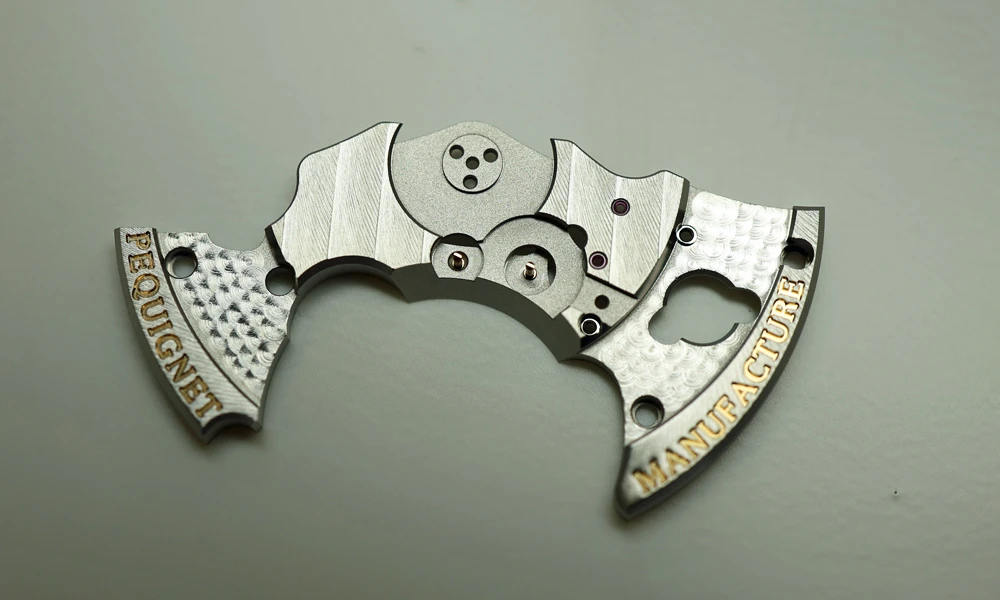
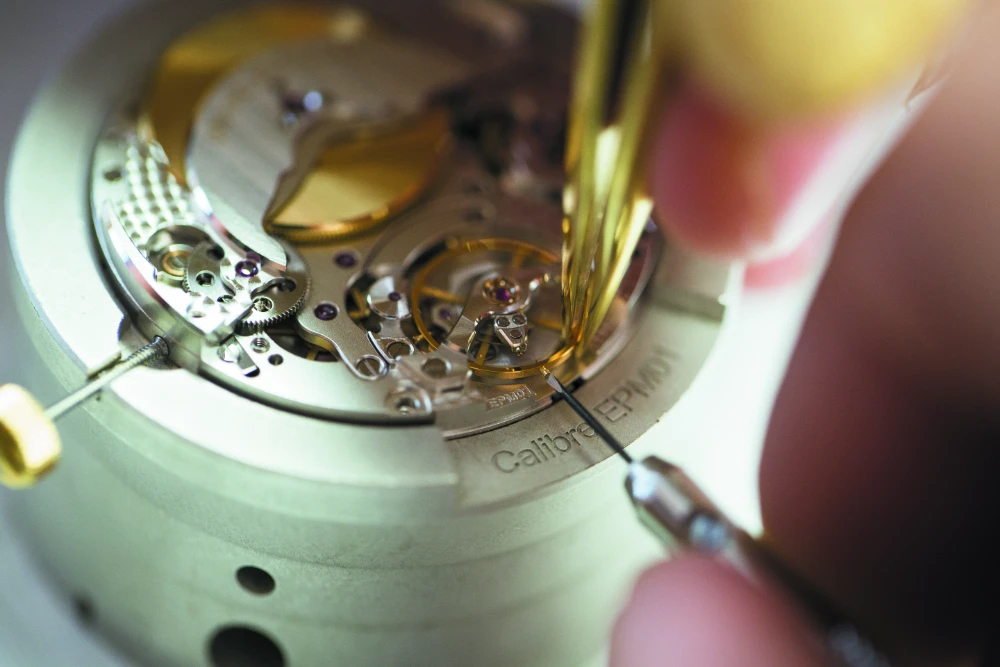
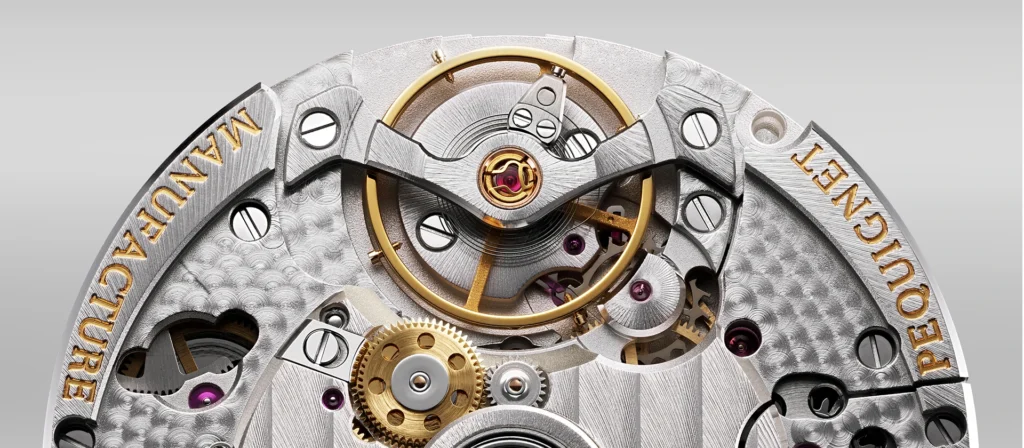
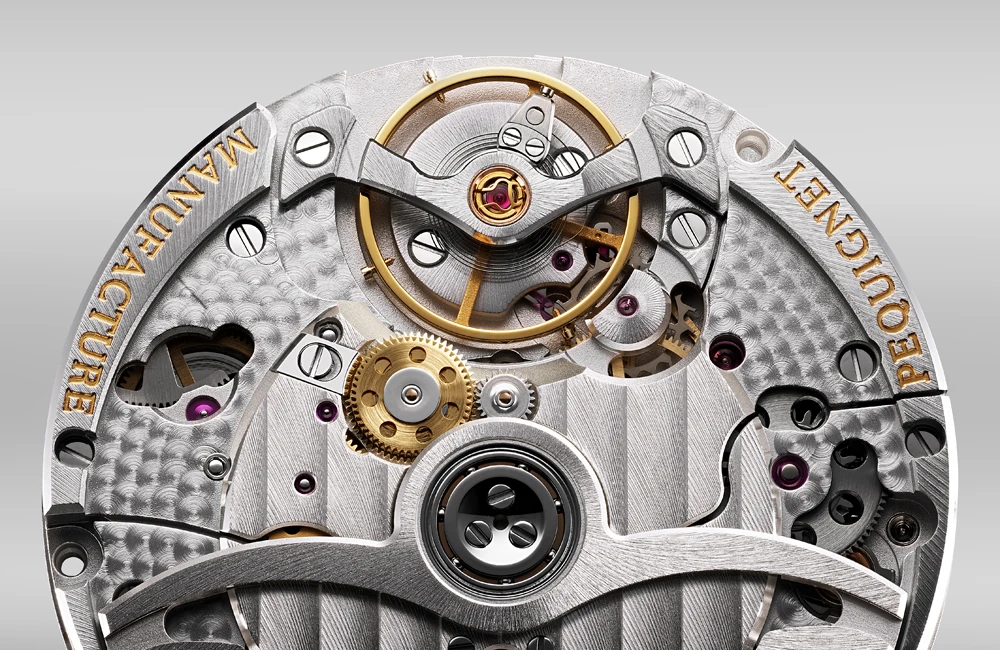
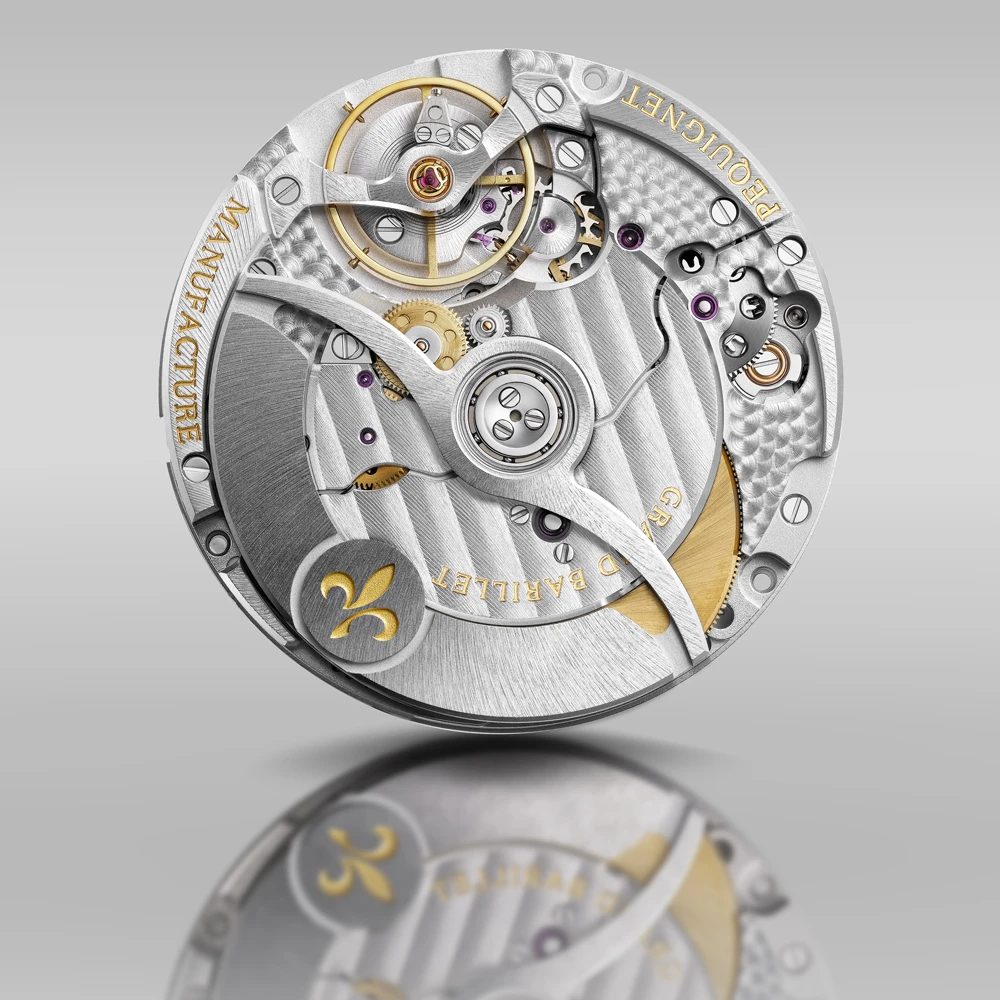
Pequignet’s Calibre Royal gives that conversation a modern focal point, not as nostalgia, but as a functioning manufacture movement made in a region with deep horological memory.
Introduced in 2011, the automatic calibre marked a turning point for the Morteau brand and helped reposition Pequignet as one of the most serious names in contemporary French mechanical watchmaking.
At a glance
- Pequignet’s Calibre Royal is an in-house automatic movement introduced in 2011.
- The calibre sits at the centre of the brand’s manufacture ambitions in Morteau, France.
- It helped shape Pequignet’s modern identity before later calibres and the brand’s Watches & Wonders debut.
A French calibre with national significance
When people talk about high-end mechanical watchmaking today, Switzerland tends to occupy most of the room.
That wasn’t always the case.
In the 17th and 18th centuries, Paris was one of the great centres of horology, attracting names such as Ferdinand Berthoud and Abraham-Louis Breguet, both Swiss-born but drawn to the French capital’s importance in the craft.
Other figures, including Antide Janvier, Pierre Le Roy, Jean Antoine Lépine, Louis Moinet and Adrien Philippe, further tie France to the development of precision timekeeping and watchmaking architecture.
The Calibre Royal matters because it places Pequignet inside that longer French story without trying to mimic it.
It’s a modern automatic manufacture movement, introduced not as a commemorative object, but as a technical foundation for a living watch brand.
Morteau and the Franche-Comté watchmaking belt
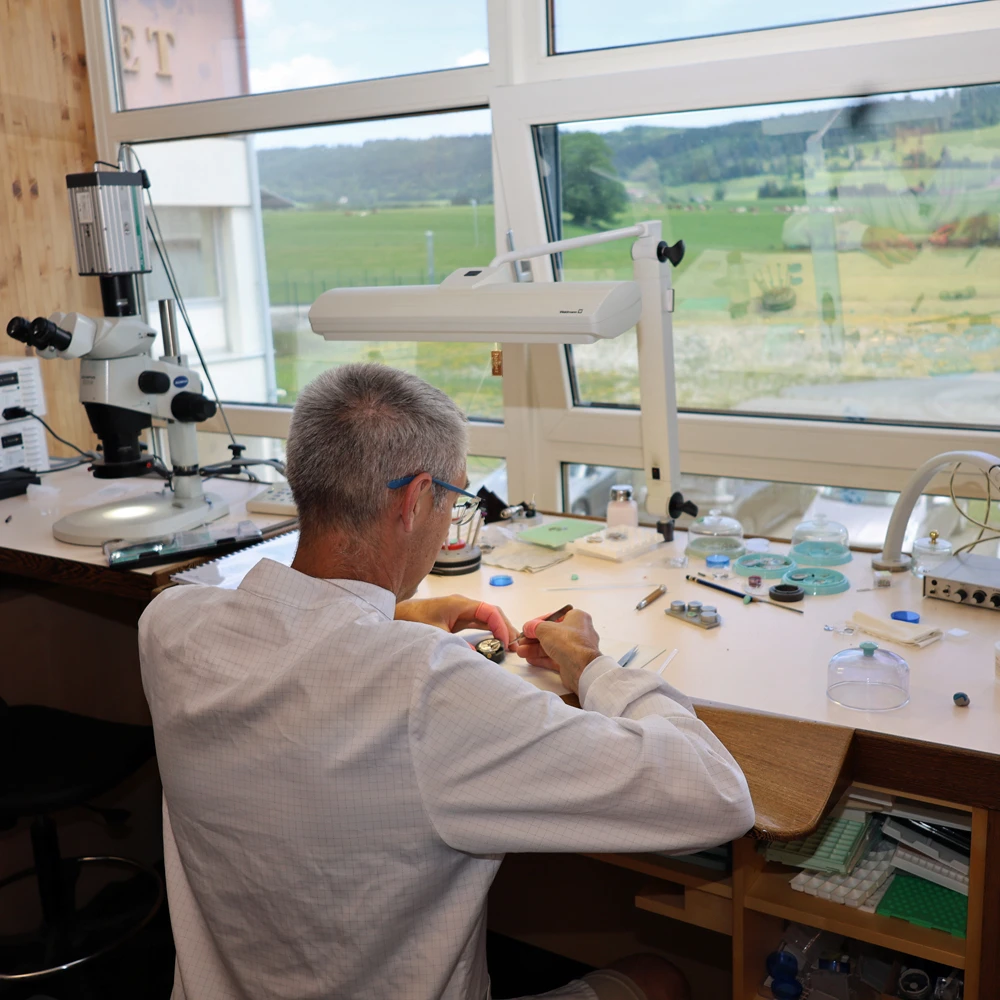
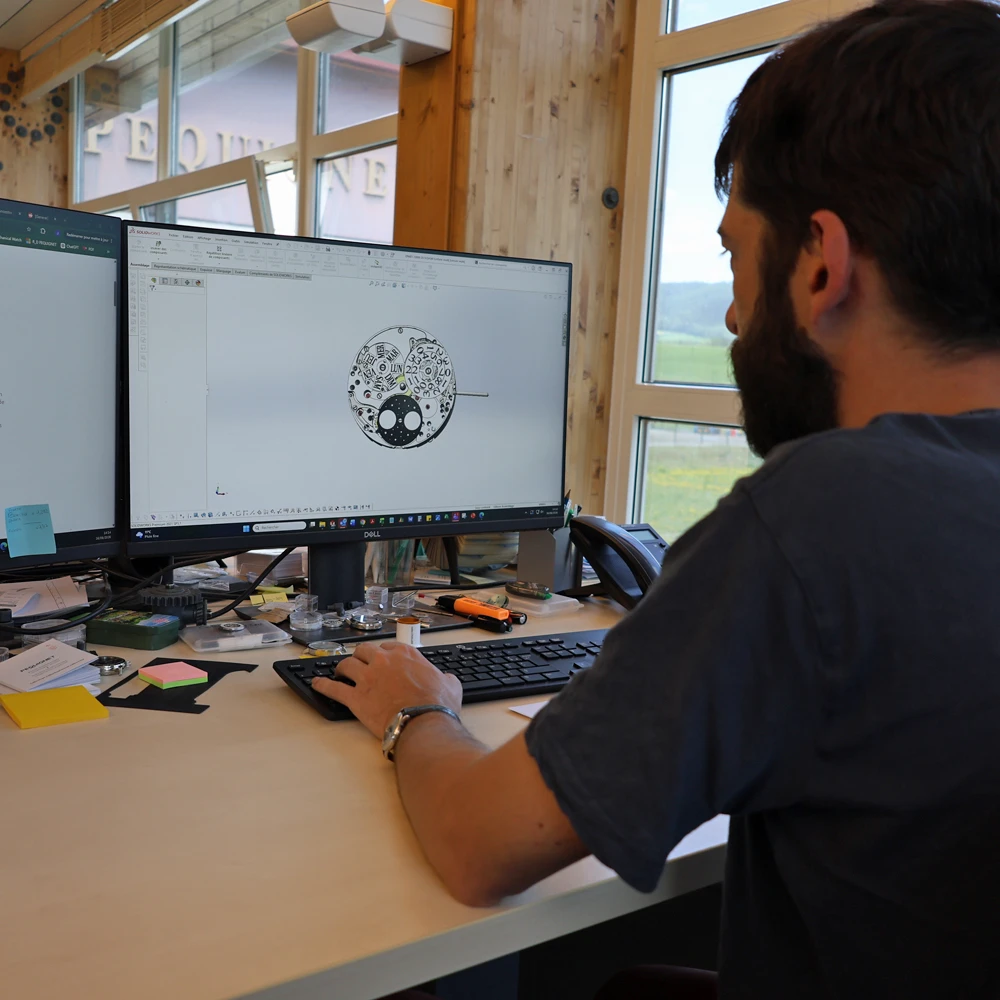
Pequignet is based in Morteau, in the Franche-Comté region near the Swiss border.
That geography is important because the region has long been part of a cross-border watchmaking ecosystem, with components, skills and servicing expertise moving between France and Switzerland.
Besançon, also in Franche-Comté, became a major French watchmaking centre in the 19th century after political upheaval pushed skilled makers away from Paris and Geneva.
By 1860, it was widely recognised as the heart of French watch production, supporting thousands of jobs across the industry.
The city’s horological standing was reinforced with the inauguration of the Besançon Observatory in 1884.
The observatory remains notable today for its ability to award the Poinçon Vipère chronometer certification to mechanical watches tested as complete cased pieces over 16 days under ISO 3159.
Morteau adds another layer to this landscape through Lycée Edgar Faure, a respected watchmaking school that has trained talents including Rémy Cools, Théo Auffret and Alexandre Hazemann.
For collectors interested in where watches are made, this setting gives Pequignet a stronger identity than a simple “made in France” label.
The Calibre Royal in Pequignet’s modern story
Émile Péquignet founded the company in Morteau in 1973.
For decades, the brand built watches using quartz technology and Swiss movements, a pragmatic route taken by many makers navigating a changing industry.
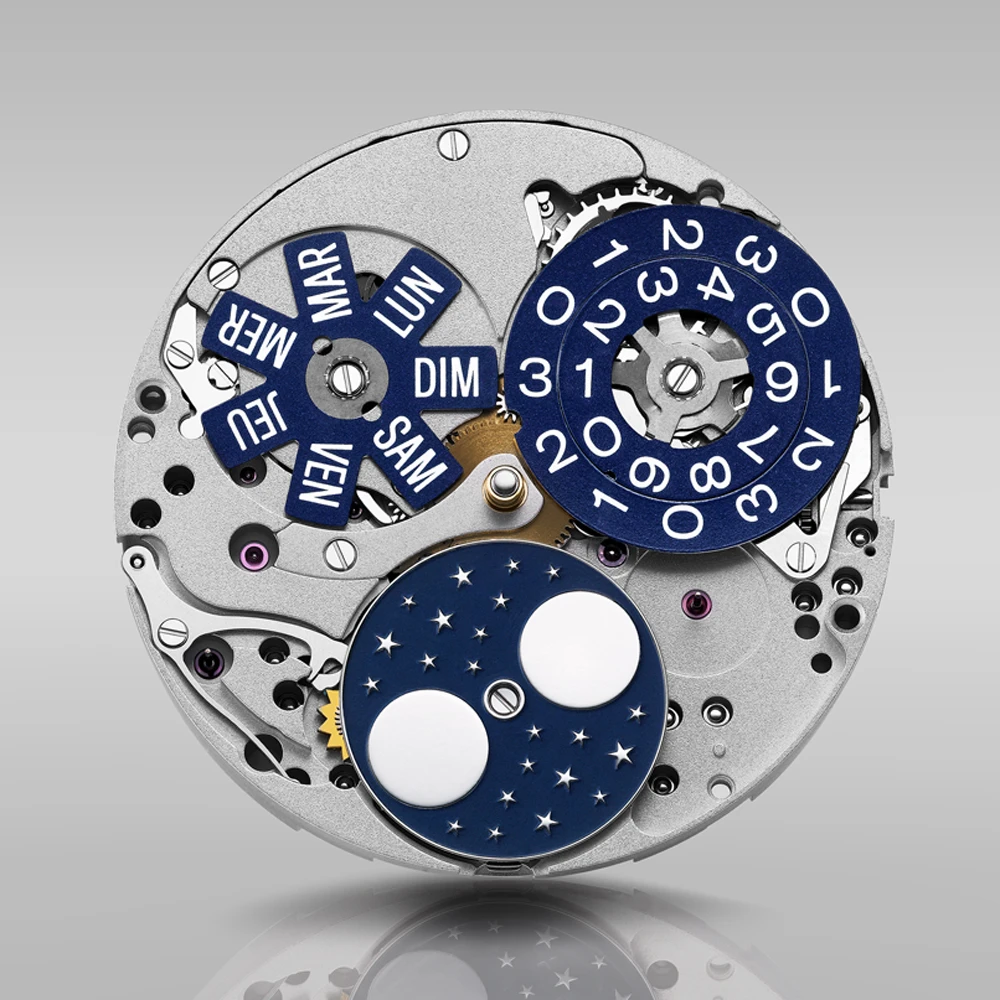
The Calibre Royal changed the character of the company in 2011.
By presenting its own manufacture movement, Pequignet moved from being a French watch brand to a French watchmaking manufacture with a more ambitious technical identity.
The years that followed suggest the Calibre Royal was not a one-off statement.
Pequignet introduced the Calibre Royal Manuel in 2018, the Calibre Initial in 2021 and the Calibre Royal Tourbillon in 2025.
In 2014, the company received the Entreprise du Patrimoine Vivant label from the French government, a distinction awarded to businesses recognised for rare and exceptional know-how.
Pequignet was acquired by Maisons & Manufactures in 2021, and the brand made its first appearance at Watches & Wonders in 2023.
Taken together, those milestones frame the Calibre Royal as the beginning of a broader manufacture project rather than a single technical milestone.
Details & Specifications
| Brand | Pequignet |
|---|---|
| Movement | Calibre Royal |
| Movement type | Automatic manufacture calibre |
| Launch year | 2011 |
| Manufacturing base | Morteau, France |
| Founder | Émile Péquignet |
| Brand founded | 1973 |
| Related in-house movements | Calibre Royal Manuel, Calibre Initial, Calibre Royal Tourbillon |
| Recognition | Entreprise du Patrimoine Vivant label in 2014 |
| Ownership | Maisons & Manufactures since 2021 |
For enthusiasts, the appeal of the Calibre Royal is partly mechanical and partly cultural.
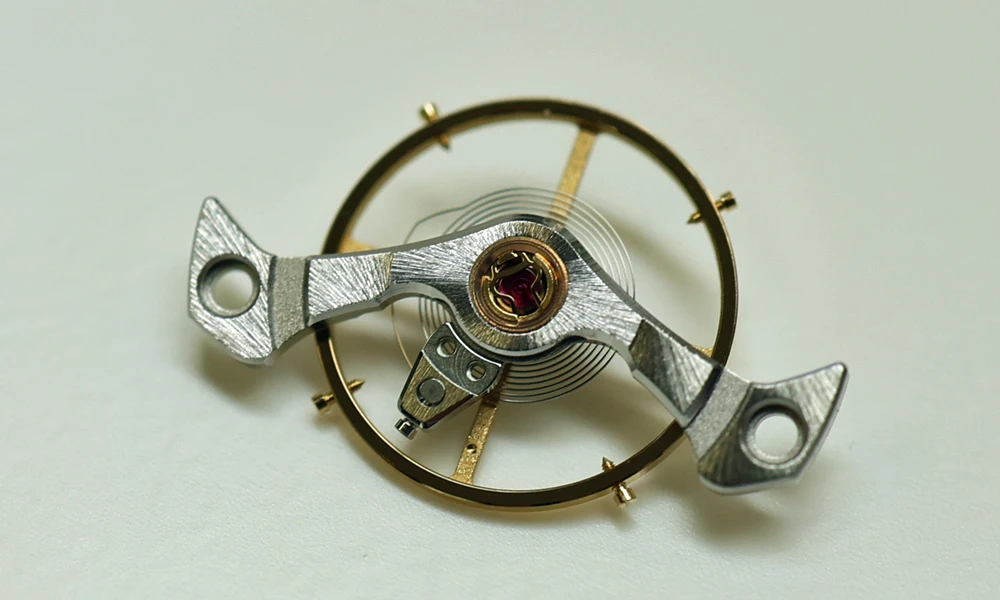
It represents an independent French manufacture working in a region where watchmaking has survived upheaval, industrial change and the quartz era.
That makes Pequignet interesting to collectors who want more than the familiar Swiss map, and who see value in a movement carrying a specific national and regional identity.