Microbrand watchmaking is at its best when it feels a little restless.
This month’s most interesting releases and pre-orders don’t chase the same vintage template, but lean into typography, planetary surfaces, Icelandic geology, Japanese restraint and even discarded records.
Some are limited runs, some are still heading toward delivery, and one offers a notably accessible price, but the common thread is clear: these are watches built around ideas you can actually see.
At a glance
- Nine notable microbrand watches stand out for November 2026, spanning experimental displays, nature-led dials and unusual material stories.
- Highlights include laser-cut Roman numerals, a Mercury-inspired dial, a faceted sapphire crystal, a vinyl-record dial and a wandering-hour display.
- Confirmed limited editions include 450 pieces for Diatom’s Inner Worlds Mercury, 125 for the Ming x Massena LAB 57.09 Secret Honey, 100 per colourway for Kronsegler’s Mars Explorer, and 500 for Xeric’s Triptych II Ice Blue.
New typography and dial architecture
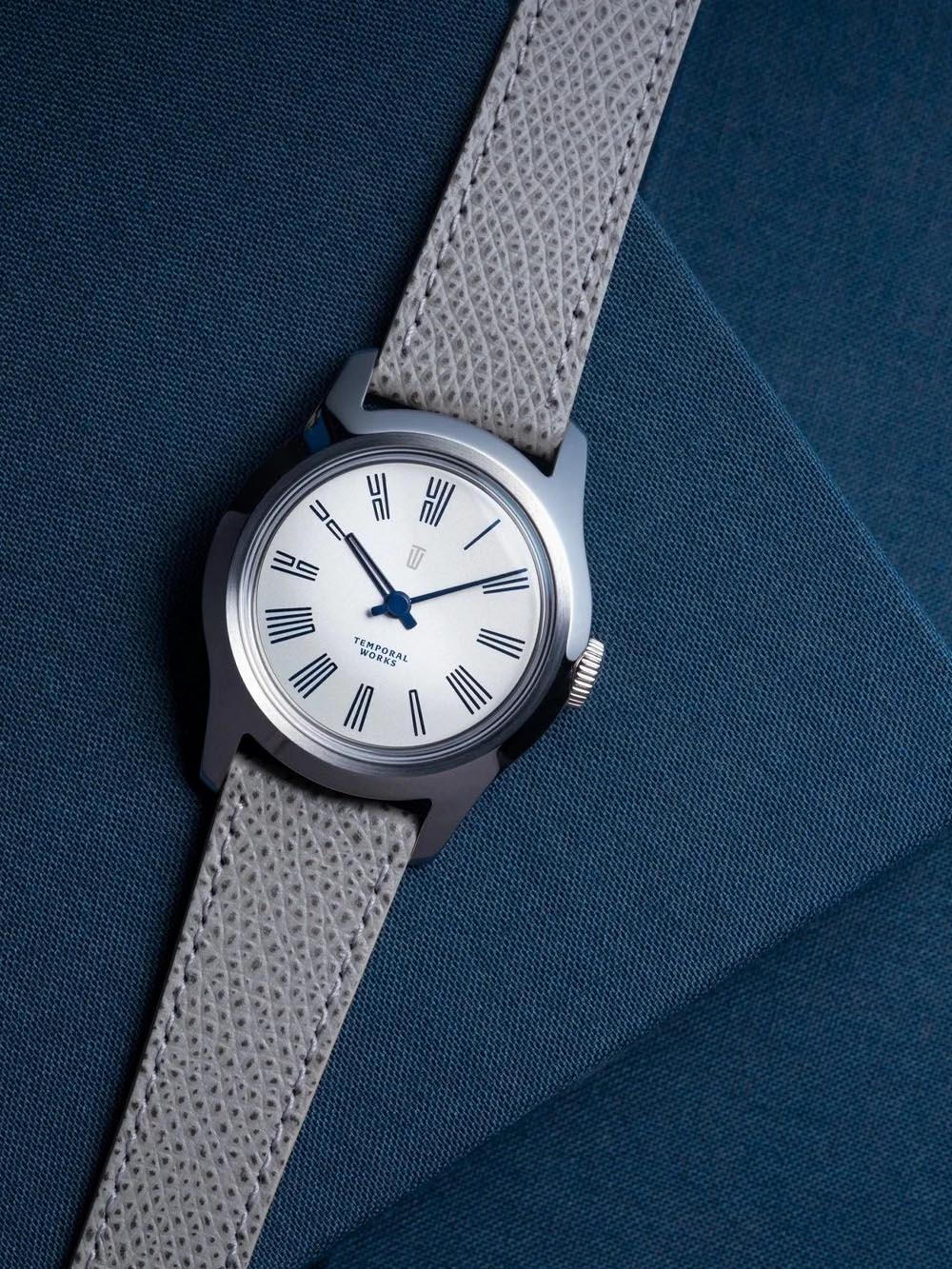
Temporal Works’ Series A Romanesque starts with one of watchmaking’s most familiar visual languages and makes it feel newly strange.
Lee Yuen-Rapati’s Colonnade Romans reduce I, V and X to a long vertical line and a short horizontal line, turning the V into a vertical construction and the X into two mirrored Vs.
The effect is sharpened by a two-piece sandwich dial, where each numeral is laser-cut through a silver-white opaline surface to reveal glossy midnight blue below.
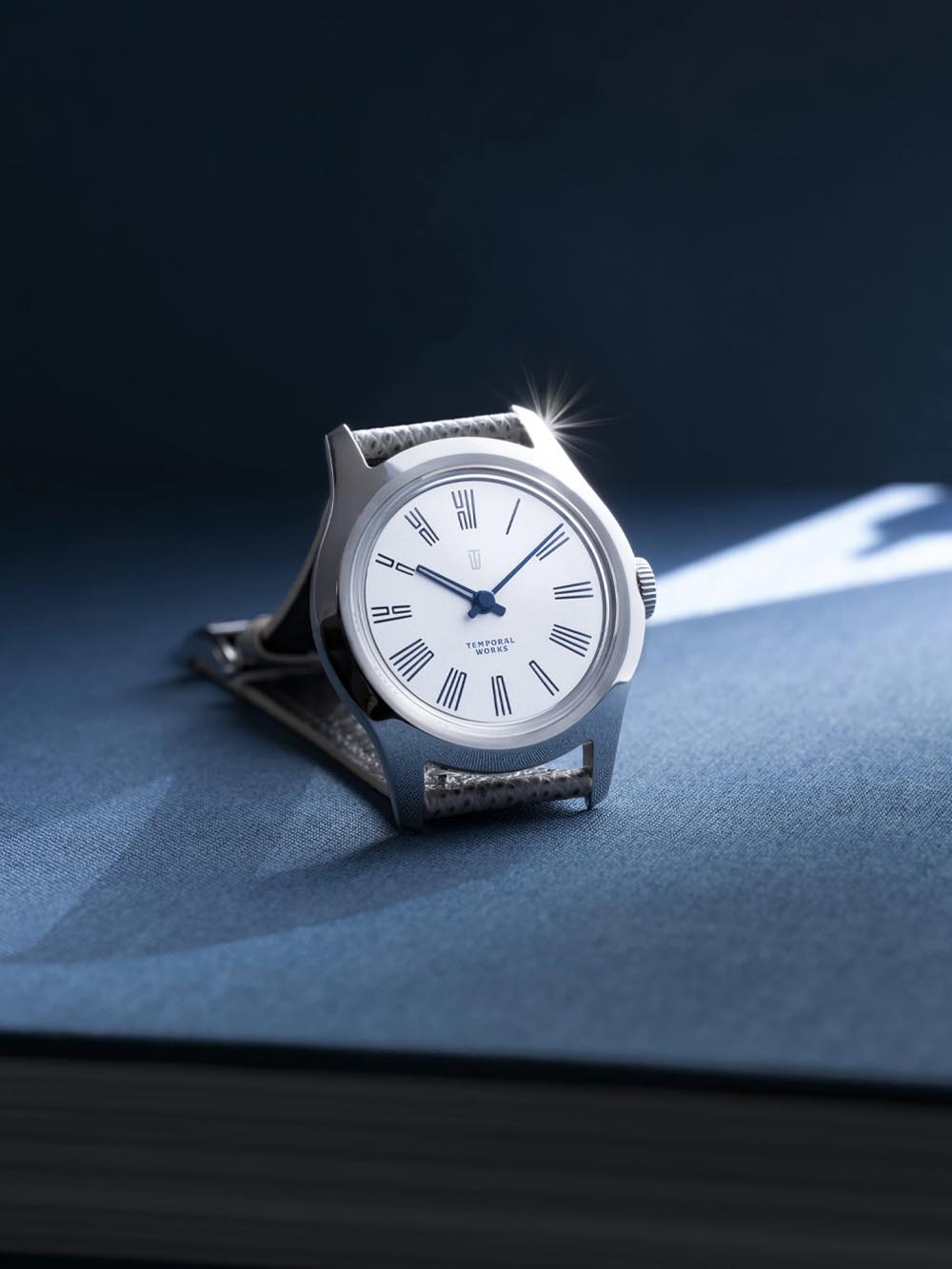
Rather than sitting on the dial, the numerals appear excavated from it.
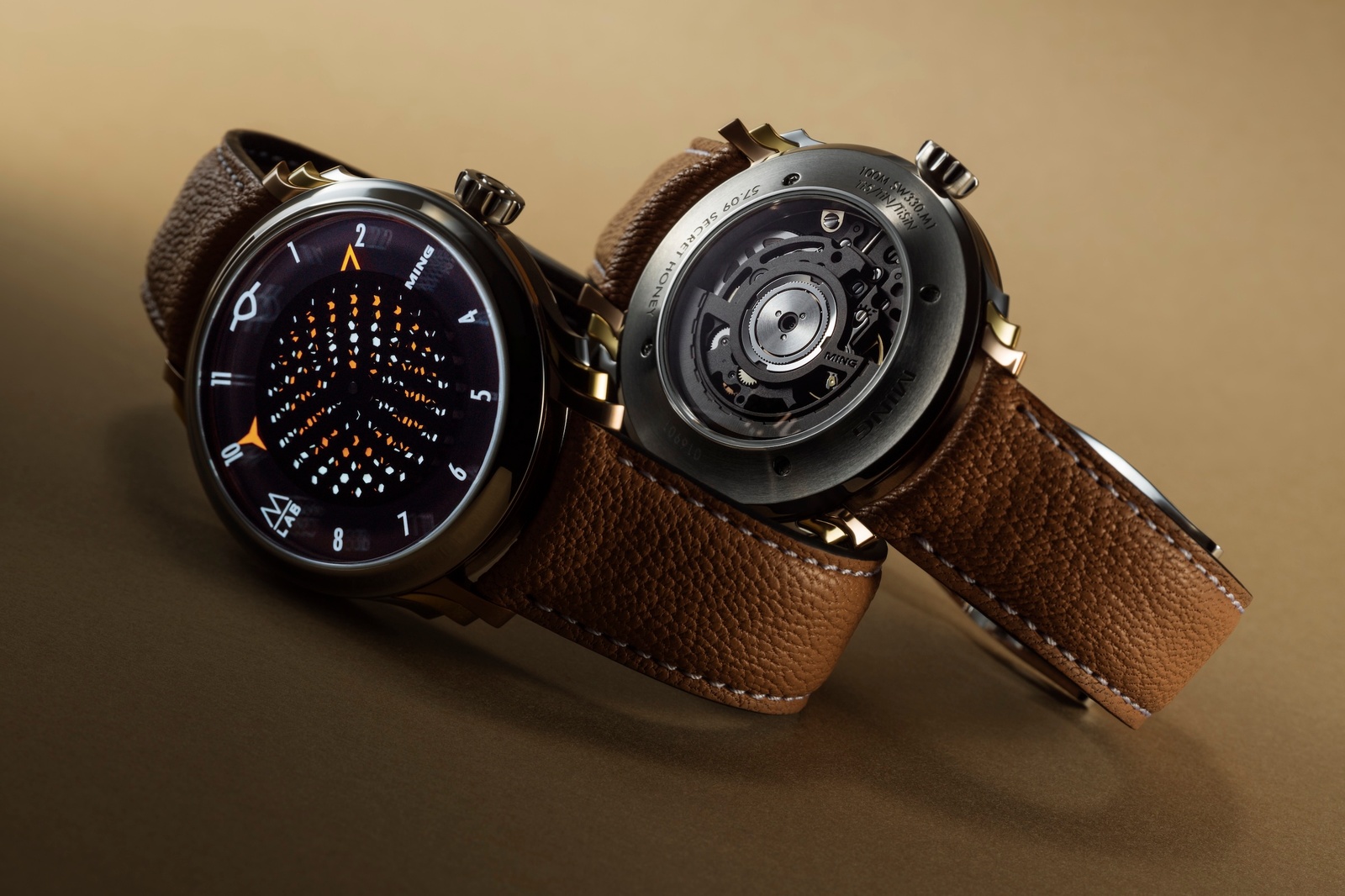
The Ming x Massena LAB 57.09 Secret Honey moves in a more deceptive direction, using three rotating sapphire discs above a dark brown lacquered dial.
Slots in the discs reveal and conceal honey-toned lume, making the hexagonal openings seem to shift in tone as the display changes.
Arrow-shaped indicators on the minute and hour discs do the time-telling, while stepped lugs move through three finishes, from natural titanium to yellow-gold and rose-gold appearances.
Limited to 125 pieces, it follows Ming’s 2021 17.09 and keeps the secret-watch idea alive without leaning on a hinged cover or a hidden dial.
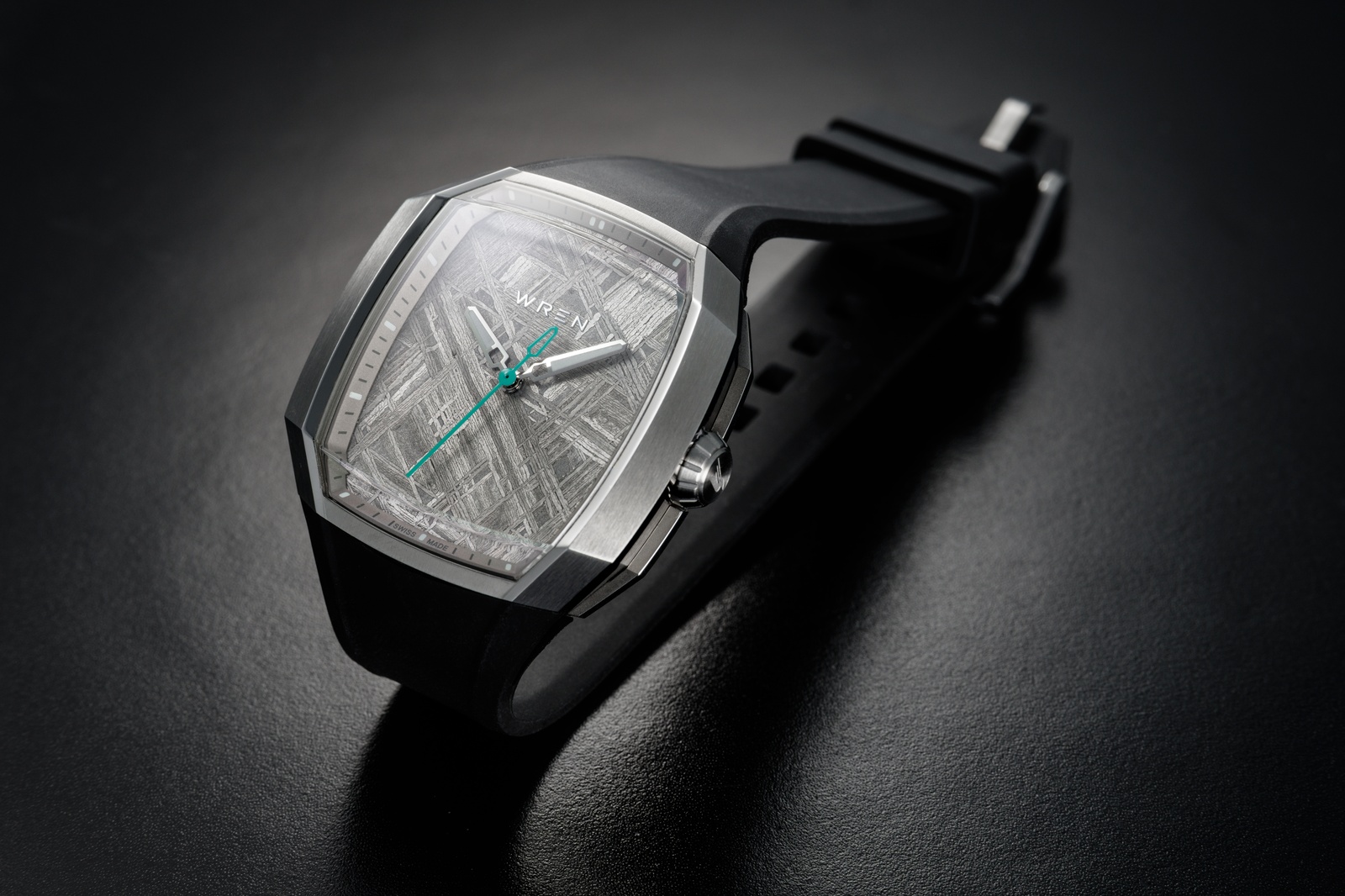
Wren’s Vessel is compelling for a different reason, because the brand has designed its own case, crystal and bracelet rather than relying on a familiar parts-bin composition.
The centrepiece is a faceted sapphire crystal that arcs down to meet the case at 12 and six o’clock.
Early prototypes reportedly suffered from distortion when the facets were cut only on the top, so Wren mirrored the cuts underneath to even out the optical effect.
Buyers can choose either a brushed sunray dial or a meteorite dial, with pre-orders open and deliveries expected in Q1 2027.
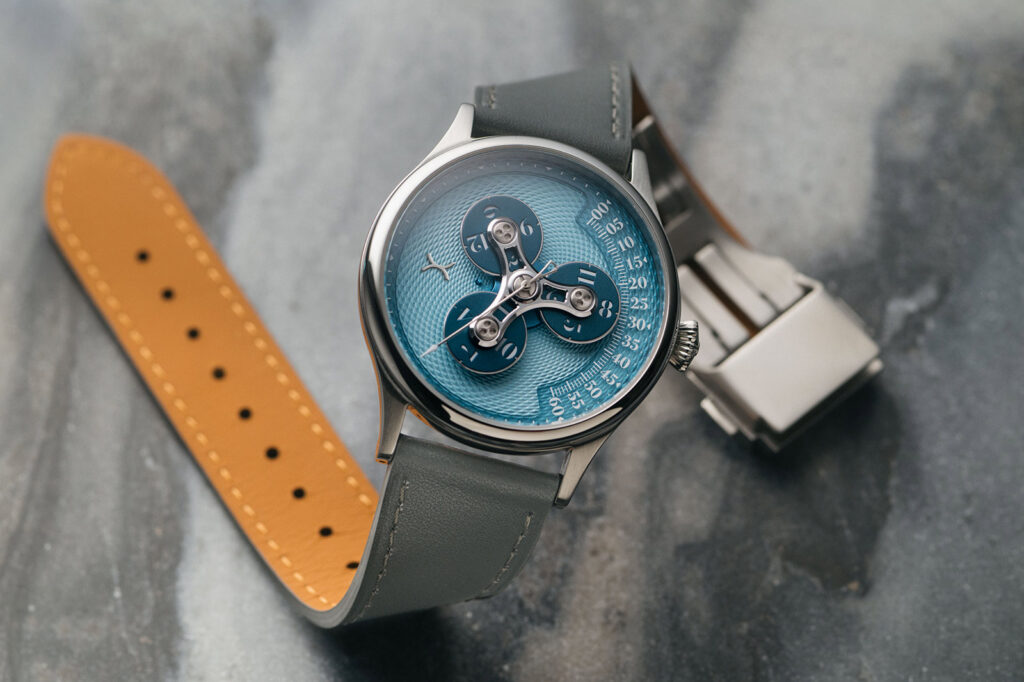
Xeric’s Triptych II Automatic Wandering Hour Ice Blue is the most display-focused of the group, revisiting the brand’s wandering-hour concept in a slimmer 39mm case after the earlier 42mm format.
A floating minute track opens up more of the guilloché-style ice-blue dial, and a sweeping seconds hand appears for the first time in the collection.
The watch is powered by a modified Miyota 9039, identified as Caliber X2.6, and the movement is visible through an exhibition caseback.
Production is limited to 500 pieces, with pre-orders due to ship in January 2027.
Space, geology and the pull of landscape
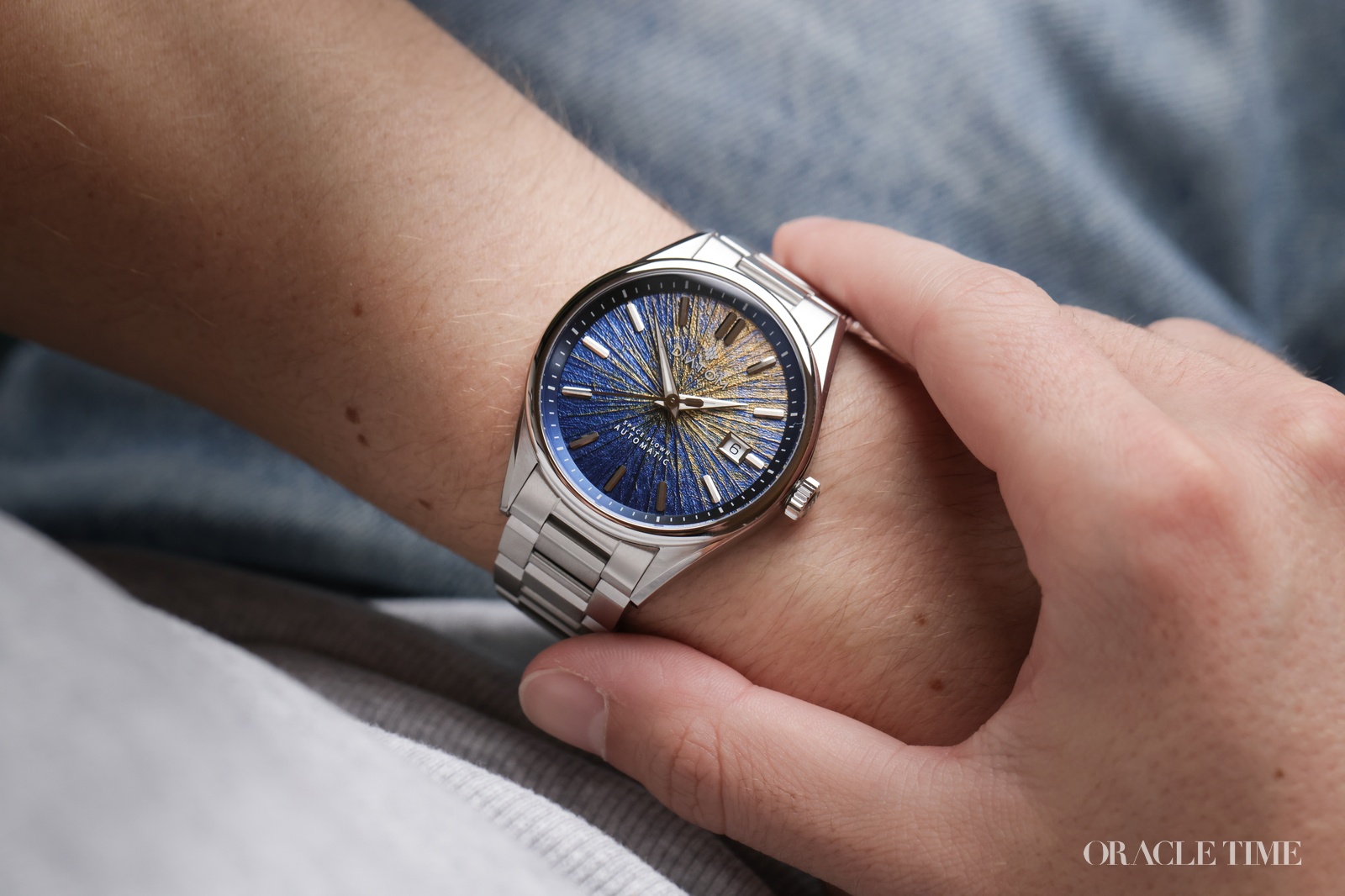
Diatom’s Inner Worlds Mercury takes its palette from enhanced-colour NASA MESSENGER imagery, where saturation is boosted to reveal minerals across Mercury’s surface.
That inspiration becomes a blue textured dial with golden highlights and a scorched, barren character.
The material story continues on the rotor, which is made from metal offcuts salvaged during the restoration of the Liberty Bell 7 capsule, the Project Mercury spacecraft that sank after Gus Grissom’s 1961 flight.
The Mercury edition is limited to 450 numbered pieces, and Venus, the Moon, Mars and Earth complete the wider Inner Worlds collection.
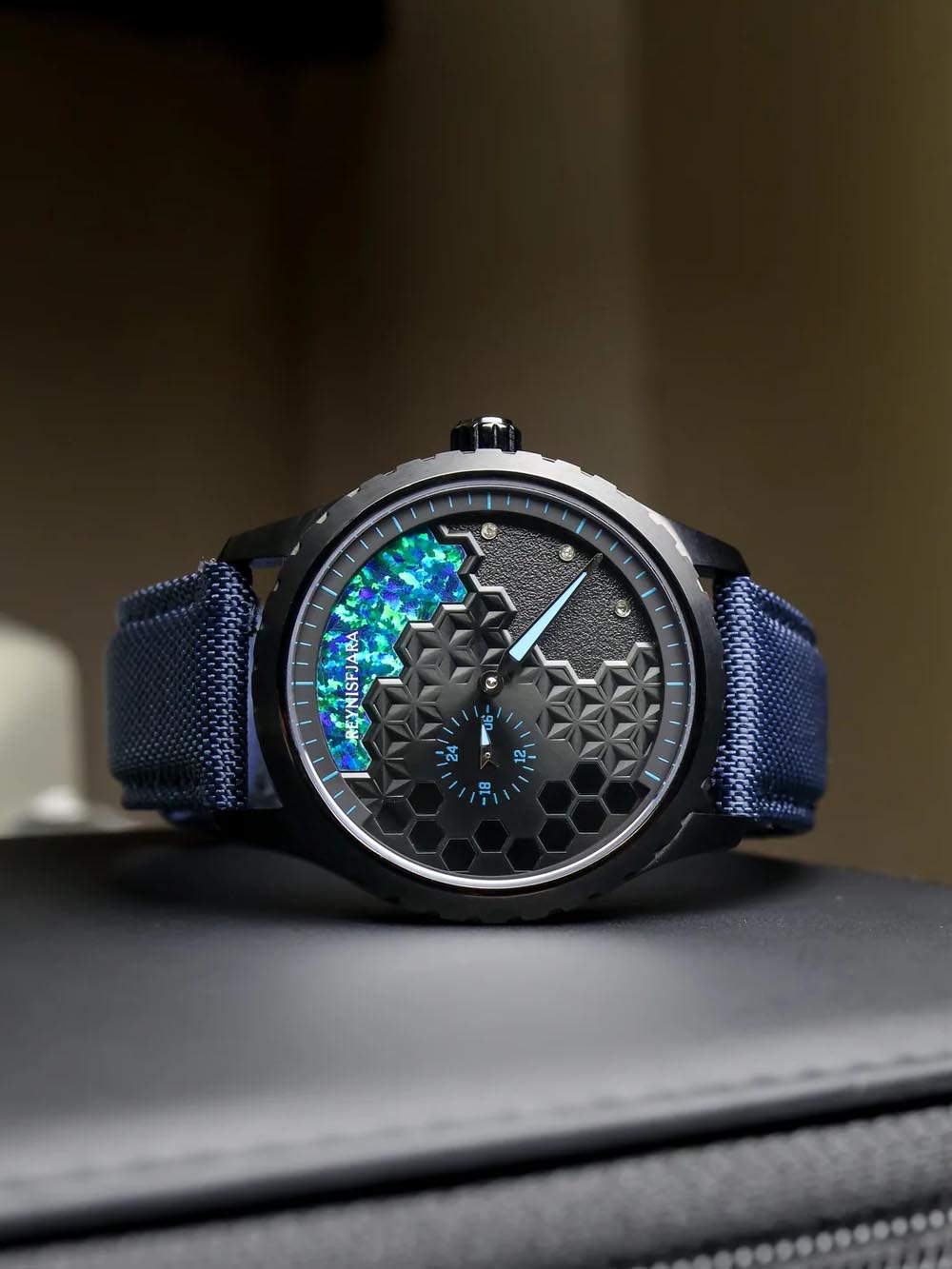
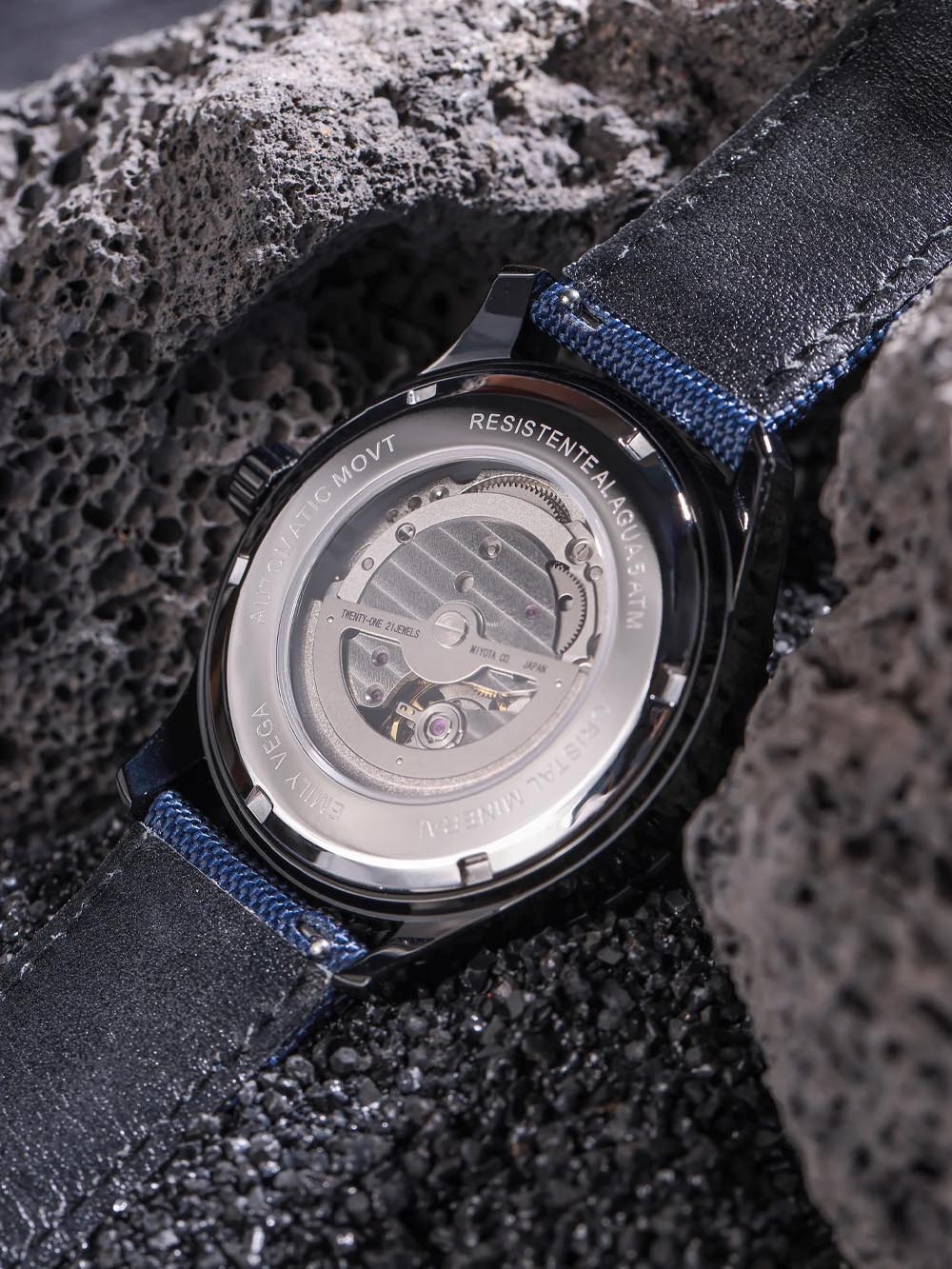
Emily Vega’s Ode to Reynisfjara looks to a more terrestrial drama.
The watch draws on Iceland’s Reynisfjara black-sand beach, known for its hexagonal basalt columns, part of which collapsed earlier this year.
Its dial divides the landscape into a raised hexagonal basalt field, a granular black-sand sector and a mosaic opal sky whose blue and green tones nod to the northern lights.
Those blues return on the zircon indices, the 24-hour subdial, the minute track and the navy NATO strap.
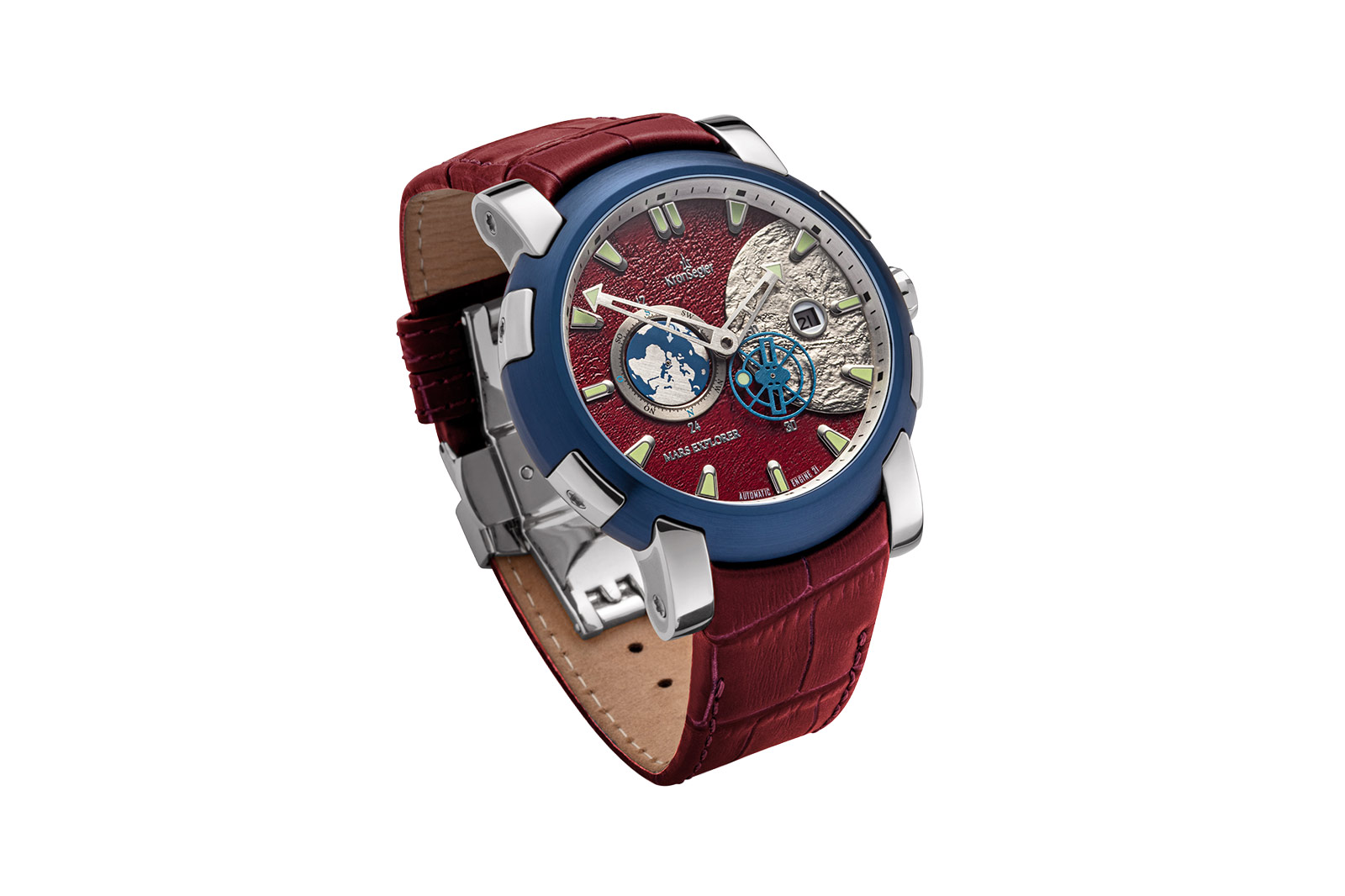
Kronsegler’s Mars Explorer Blue Red is less subtle but equally committed to its theme.
The dial includes a Mars disc that also serves as the date display, a rotating 24-hour Earth disc and a Mars probe that circles as the seconds indicator.
The amount of information means a 46mm case, so this is not a discreet watch, but the sapphire crystal and caseback window give the concept room to breathe.
The blue and red version is one of five colourways, each limited to 100 pieces.
Japanese restraint and record-shop character
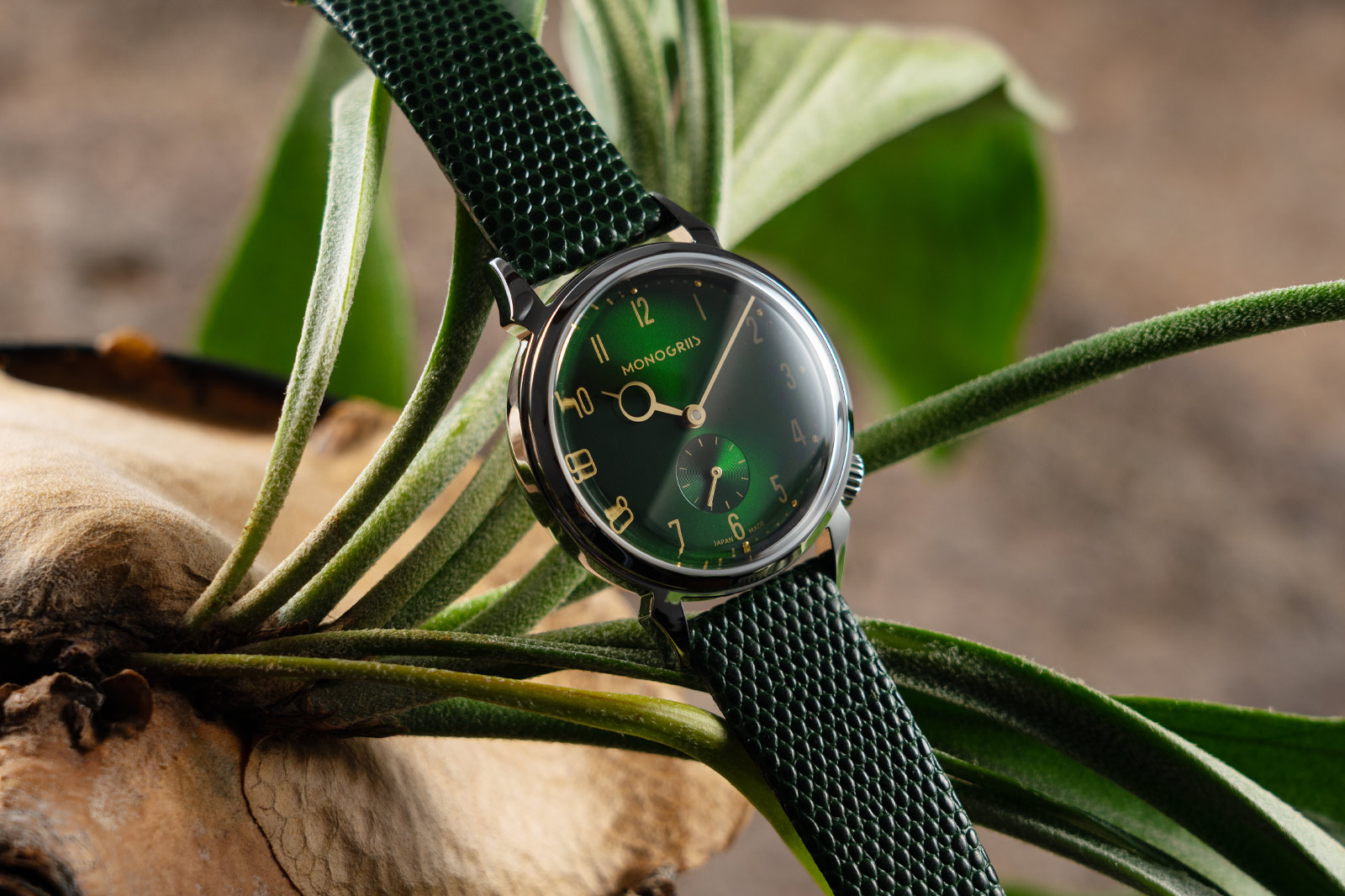
Monogriis keeps the Resta Midori 翠 deliberately compact and vintage in feel.
Its 36mm case is paired with a 13.9mm thickness, a figure influenced by the box-shaped sapphire crystal.
The Japanese cues are direct, from the Miyota 8N40 movement to hand assembly in Osaka, while green runs from the sunray dial to the lizard-embossed strap.
Gold-tone hands add warmth, a sapphire caseback reveals the movement, and the stated power reserve is around 42 hours.
With 50m of water resistance, a butterfly deployment clasp and a confirmed price of £250, it’s the clearest value play in this selection.
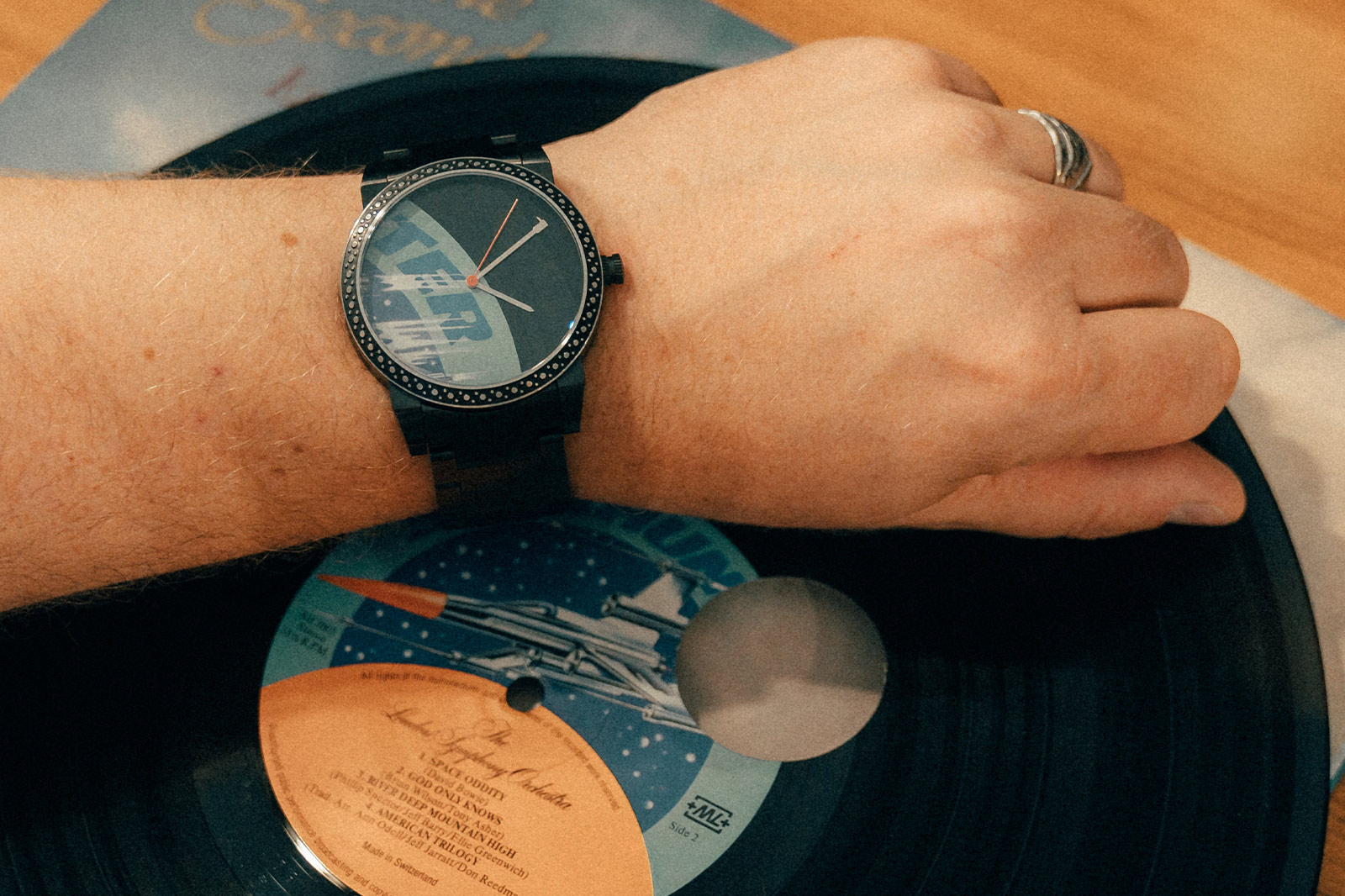
Vinyler’s M.01 Label Edition goes in the opposite direction, turning an actual discarded record into the watch dial.
The Label Edition uses the centre of the record, preserving original colours, typography and graphic details, which means every dial is different.
The record-player references continue through the tonearm-inspired minute hand, platter-like bezel dot pattern and a crown shaped as a nod to a tonearm counterweight.
Through the caseback, the rotor carries label-style Vinyler lettering.
The project was crowdfunded on Kickstarter, with first deliveries planned for February 2027.
Details & Specifications
| Temporal Works Series A Romanesque | Two-piece sandwich dial with silver-white opaline top layer, laser-cut Colonnade Roman numerals and glossy midnight blue lower layer. |
|---|---|
| Diatom Inner Worlds Mercury | Mercury-inspired blue and gold textured dial, rotor made from Liberty Bell 7 restoration offcuts, three-link steel bracelet, 450 numbered pieces. |
| Ming x Massena LAB 57.09 Secret Honey | Three rotating sapphire discs, dark brown lacquered dial, honey-toned lume, arrow-shaped hour and minute indicators, 125 pieces. |
| Wren Vessel | In-house designed case, crystal and bracelet, faceted sapphire crystal, brushed sunray or meteorite dial, deliveries expected in Q1 2027. |
| Emily Vega Ode to Reynisfjara | Dial with raised hexagonal basalt field, granular black-sand sector, mosaic opal sky, zircon indices, 24-hour subdial and navy NATO strap. |
| Monogriis Resta Midori 翠 | 36mm case, 13.9mm thickness, box-shaped sapphire crystal, Miyota 8N40 movement, around 42 hours of power reserve, 50m water resistance, £250. |
| Kronsegler Mars Explorer Blue Red | 46mm case, Mars date disc, rotating 24-hour Earth disc, Mars probe seconds indicator, sapphire crystal, movement-view caseback, 100 pieces per colourway. |
| Vinyler M.01 Label Edition | Dial made from the centre label of a discarded record, tonearm-inspired minute hand, platter-style bezel dots, first deliveries planned for February 2027. |
| Xeric Triptych II Automatic Wandering Hour Ice Blue | 39mm case, wandering-hour display, floating minute track, ice-blue guilloché-style dial, modified Miyota 9039 Caliber X2.6, 500 pieces. |
The strongest watches here aren’t merely unusual for the sake of it.
They each have a clear organizing thought, whether that’s a reworked numeral system, a geological memory, a space-age material link or the simple romance of a record label turned into a dial.
For collectors who like independent watchmaking with visible personality, November’s microbrand field is unusually rich.