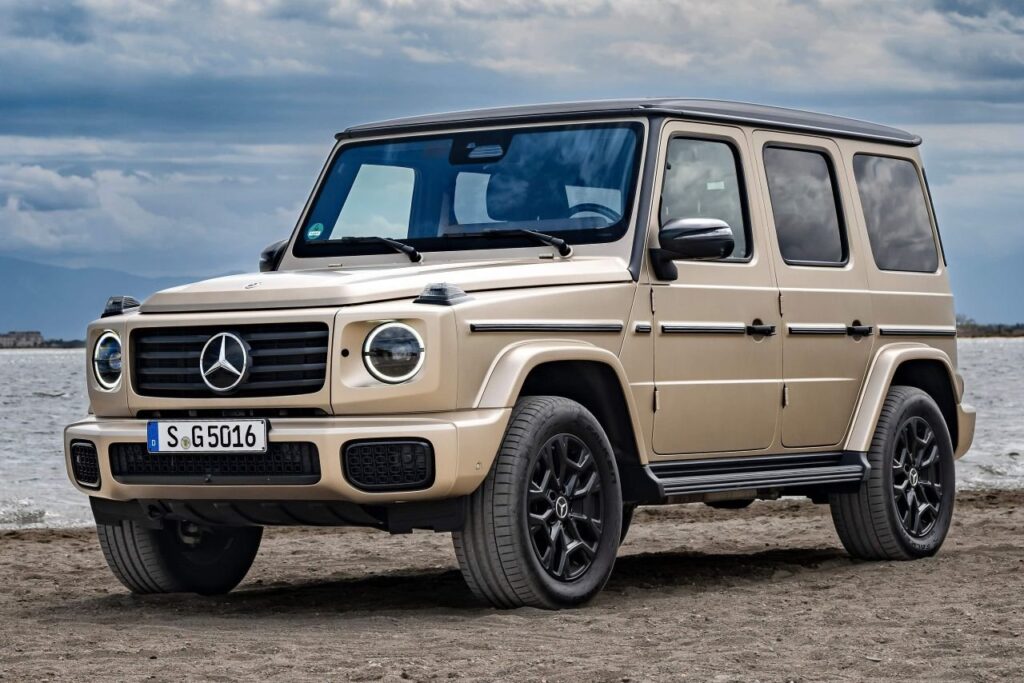
Mercedes-Benz’s smaller G-Class is shaping up to be more than a shrunken icon.
The upcoming model is expected to move production to Hungary, a decision that points to sharper cost control for a vehicle intended to sit below the full-size G-Wagon in both scale and price.
It also appears Mercedes has softened its original electric-only plan, with hybrid variants now set to join the EV.
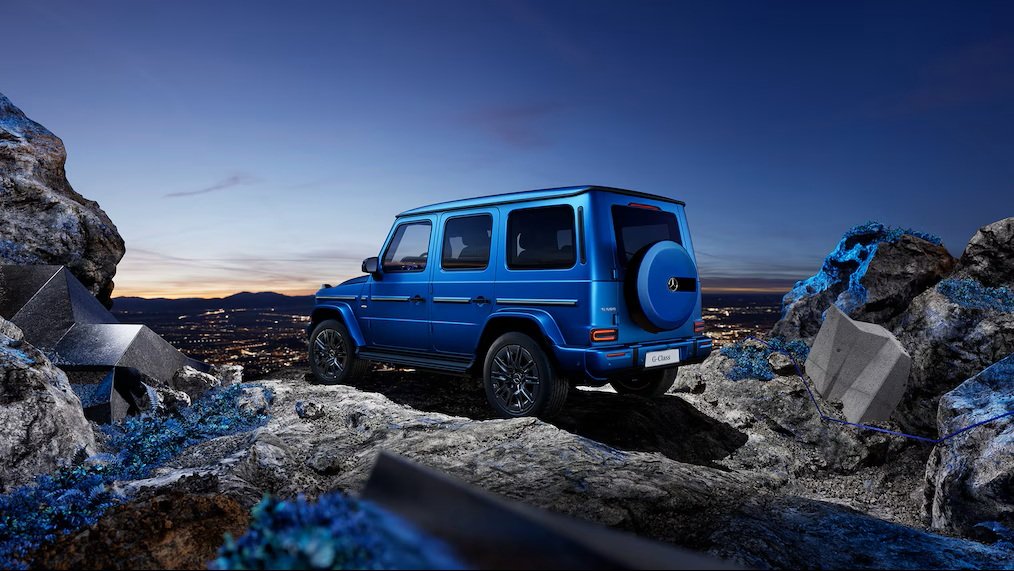
At a glance
- Mercedes-Benz’s upcoming smaller G-Class is set to be manufactured in Hungary rather than Germany.
- The model is expected to launch with an all-electric version and hybrid variants, widening its appeal across markets.
- The EV is tipped to use an 85 kWh battery, dual motors and a target range of up to 450 miles.
Hungary gives the smaller G a different cost base
For a model often described as the “baby” G-Class, the factory decision matters.
Mercedes is expanding its Hungarian operations into what is expected to become its largest manufacturing hub in Europe, giving the brand a lower-cost production base for a vehicle that needs to feel premium without carrying full flagship pricing.
That doesn’t mean the smaller G-Class is being positioned as an inexpensive SUV.
It means Mercedes has to protect the visual and emotional pull of the G-Class while building a business case for broader volume than the hand-built, high-margin G-Wagon world.
Electric power stays central, but hybrids broaden the brief
The smaller G-Class was initially expected to arrive as a fully electric off-roader.
That plan now appears to have expanded, with hybrid versions joining the battery-electric model to make the vehicle more flexible in markets where charging infrastructure, incentives and customer habits vary widely.
The all-electric version is expected to use an 85 kWh battery pack with dual motors.
A target driving range of up to 450 miles would give it serious everyday credibility, especially if Mercedes can combine that efficiency with the upright stance and all-weather ability buyers associate with the G-Class name.
Power figures haven’t been disclosed.
For the hybrid model, the latest CLA’s electrified 1.5-litre setup is a likely reference point, where electric assistance helps produce around 208 hp and 280 lb-ft of torque.
The smaller G-Class could receive a stronger tune, though Mercedes has yet to confirm final output.
A smaller G-Class has to preserve the attitude
The challenge for Mercedes isn’t simply making a compact off-roader with luxury badging.
The G-Class carries one of the most recognisable silhouettes in the industry, so even a smaller and more accessible model has to retain enough of that upright, squared-off character to feel authentic.
That matters because the buyer pool is different from the traditional G-Wagon audience.
This vehicle could appeal to customers who want the image and usability of a G-Class but don’t need, or don’t want to pay for, the flagship model’s size and price.
Adding hybrid power also makes sense for drivers who aren’t ready to commit to a full EV but still want electrified efficiency in a premium SUV.
Details & Specifications
| Brand | Mercedes-Benz |
|---|---|
| Model | Upcoming smaller G-Class |
| Positioning | Smaller and more affordable than the flagship G-Wagon |
| Production | Hungary |
| Powertrains | Electric and hybrid variants expected |
| EV battery | 85 kWh expected |
| EV drive layout | Dual motors expected |
| EV range | Up to 450 miles targeted |
| Hybrid setup | Potential 1.5-litre engine with electric assistance |
| Hybrid output reference | Around 208 hp and 280 lb-ft in the latest CLA setup |
| Debut timing | Could be shown as early as July 13 |
If the July 13 timing holds, Mercedes won’t just be introducing a smaller G-Class.
It will be testing how far one of its strongest design identities can stretch into a more attainable, electrified and globally adaptable format.