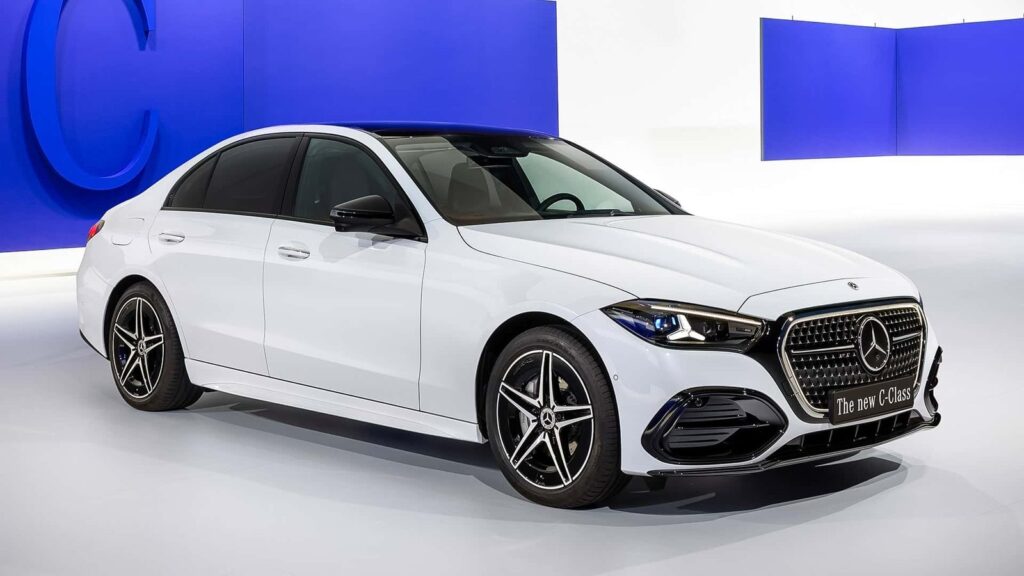
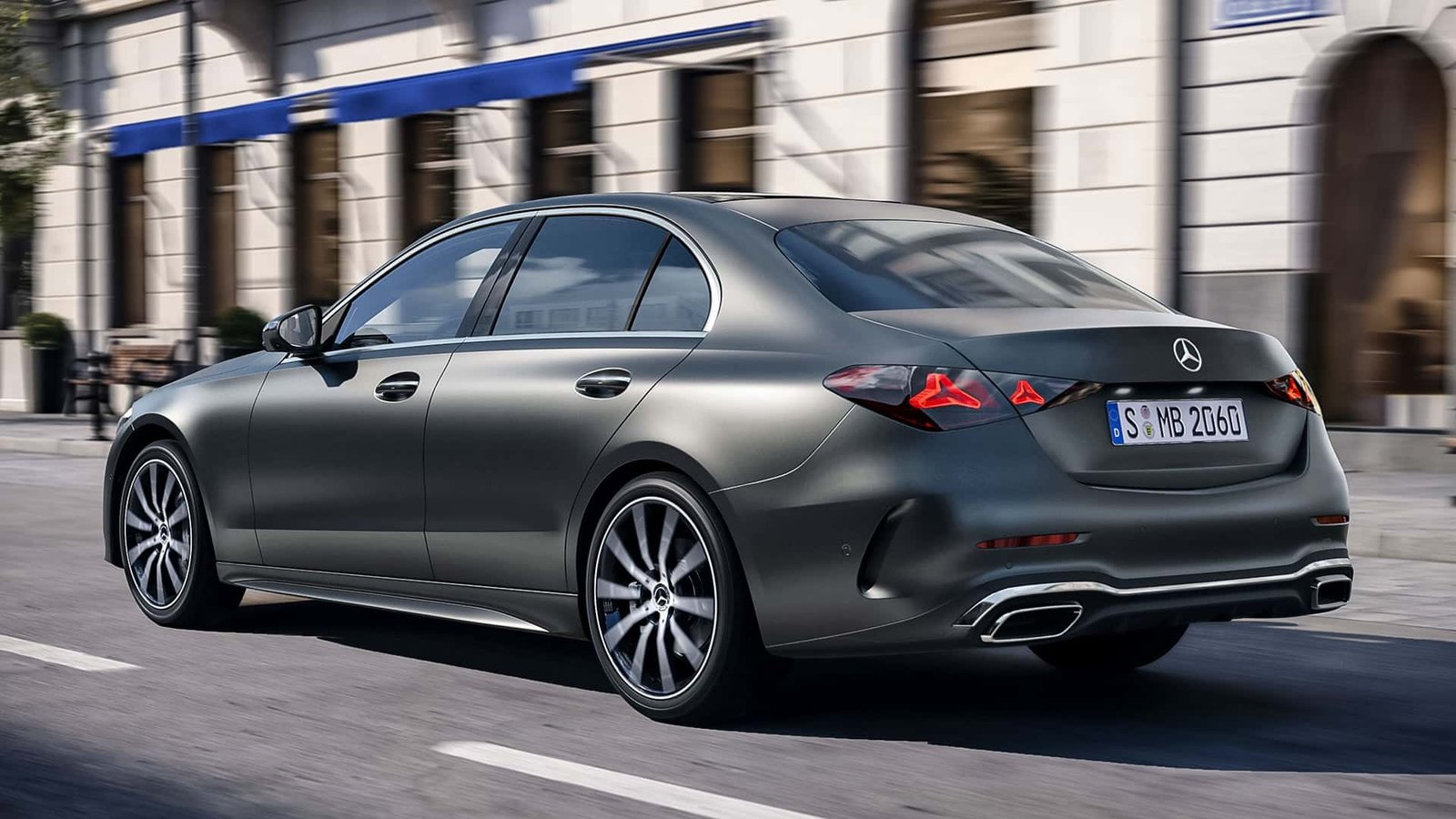
Mercedes-AMG’s C63 has long been one of the defining performance sedans for buyers who wanted muscle in a compact executive shape.
That chapter is now firmly closed for the current generation, with Mercedes confirming it isn’t planning to bring a V8 back to the C63.
The decision doesn’t mean the V8 is disappearing from the brand altogether, but it does sharpen the divide between AMG’s compact performance cars and its larger, more traditional luxury models.
At a glance
- Mercedes-AMG has ruled out a V8 return for the current-generation C63.
- Eight-cylinder engines will continue in larger Mercedes models where demand remains strong.
- V8 production is expected to continue until at least 2035 for select models and markets.
The C63 V8 era stays in the past
Klaus Rehkugler, Mercedes-Benz Head of Product Management and Global Training, confirmed that the company is not planning a return of the V8-powered C63.
He acknowledged the four-door C63’s popularity in markets including North America, Australia, Japan, China and Korea, but said the decision has been made not to revive the V8 version.
That’s a significant moment for AMG because the C63’s identity was shaped for years by a large-capacity engine in a relatively compact body.
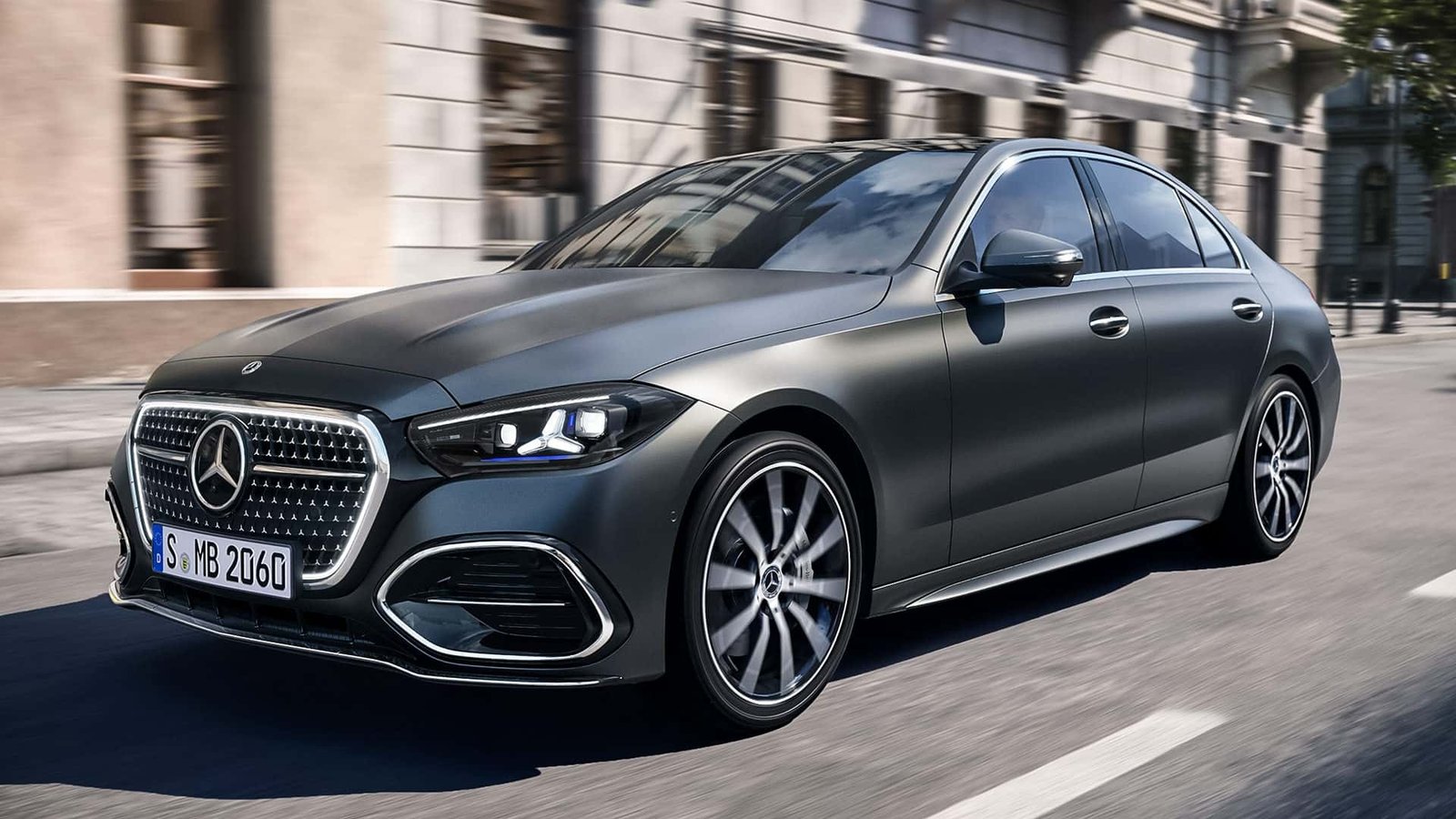
For many enthusiasts, the V8 was not just a specification line but a core part of the car’s character, sound and appeal.
V8 demand remains strong in key regions
Mercedes isn’t abandoning the V8 where it still makes commercial and regulatory sense.
Rehkugler pointed to North America and the Middle East as regions where eight-cylinder demand remains especially resilient.
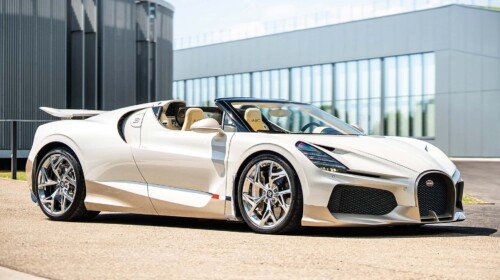
That demand is strong enough for Mercedes to keep V8 production alive until at least 2035, particularly in larger models such as the S-Class, G-Class and GLE.
The CLE 63 is also part of that eight-cylinder future, keeping a performance coupe-shaped AMG option in the conversation.
Europe’s emissions pressure shapes the lineup
The split is partly regional, with Europe’s CO2 regulations making V8-powered cars harder to justify.
Rehkugler described those rules as stringent, restrictive and punitive, which helps explain why AMG’s engine strategy can no longer be treated as one-size-fits-all.
In markets where taxes and emissions penalties are less hostile to larger engines, the V8 still has enough buyers to support continued production.
In Europe, the business case is less forgiving.
What it means for AMG buyers
For C63 loyalists, the message is simple and unlikely to satisfy everyone.
The V8 won’t be coming back to the current car, so buyers who see the engine as essential will need to look elsewhere in the AMG range or toward earlier C63 generations.
For Mercedes, the decision allows AMG to reserve V8 power for models where size, positioning and regional demand give the engine a clearer role.
It also suggests that AMG’s future won’t be defined by the death of the V8, but by a more selective use of it.
The C63 may have moved on from eight cylinders, but the AMG V8 still has another decade of life in the models and markets that can sustain it.