Most watch dials begin as brass, then disappear beneath paint, lacquer or a decorative finish.
Maximilian James is taking a more literal route with the Element Watch, a 39mm model built around dials made from individual pure elements.
It’s a small-brand idea with a very specific appeal, sitting somewhere between watch collecting, materials science and the kind of periodic-table fascination that never quite leaves certain enthusiasts.

At a glance
- Maximilian James offers the 39mm Element Watch with dials made from pure elements rather than painted or lacquered brass.
- Six standard dial options are available, including osmium, ruthenium, tantalum, gold, silver and copper.
- The elemental dials can be ordered now, with limited black DLC ruthenium and copper editions due in the shop in December.
A microbrand watch built around matter itself
The Maximilian James Element Watch keeps the platform simple so the dial can do the talking.
There is one 39mm model, with a case made in Germany and a Swiss Made Sellita SW300 automatic movement inside.
The variable is the material on display.

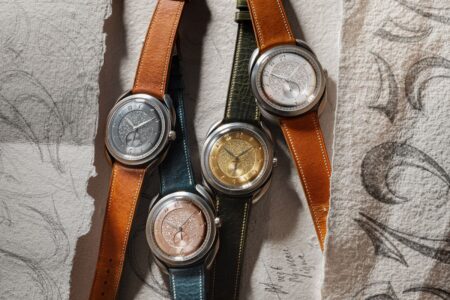
As standard, buyers can choose from six elements selected for their natural colour and character: osmium, ruthenium, tantalum, gold, silver and copper.
More unusual choices are available on request, including elements such as iridium, niobium or chromium, provided the material is neither radioactive nor liquid.
That constraint keeps the project grounded, even if the concept is deliberately unconventional.
Osmium gives the Element Watch its sharpest edge
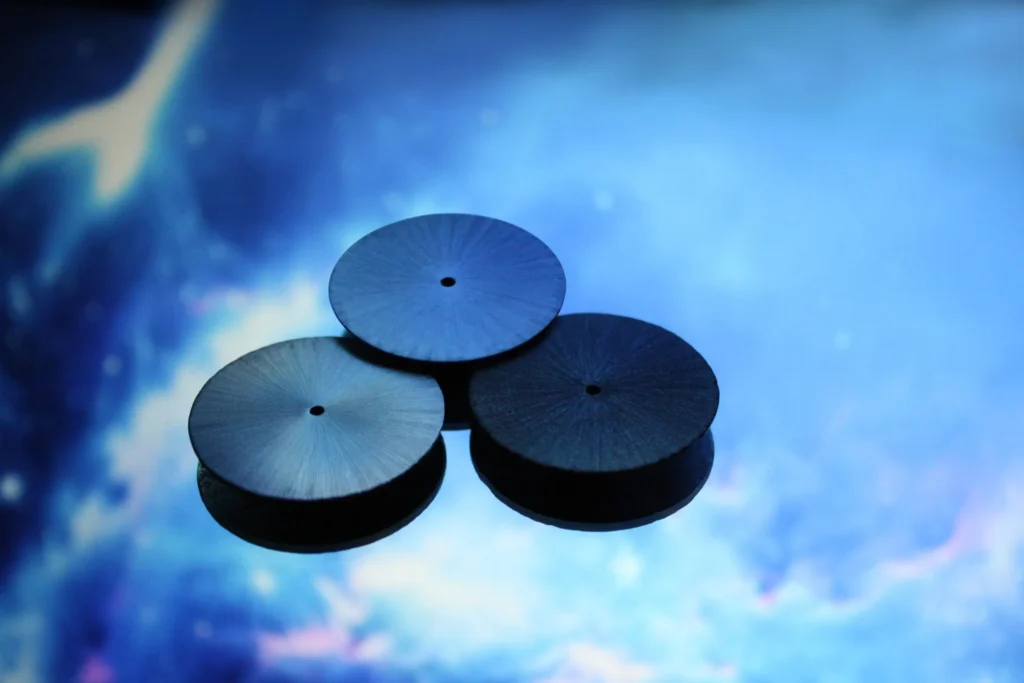
Osmium is the standout option, not simply because of its rarity in watchmaking but because of the difficulty attached to working with it.
Maximilian James says it was the first brand to use sintered osmium on a dial, a notable claim for a material known to be notoriously hard to machine.
The point is less about adding another metallic finish and more about letting the material exist as the object of interest.
“Elements are the building blocks of the universe,” founder Maximilian George has said, framing the watch as a way to wear something in pure form rather than as an alloy or coating.
That idea gives the Element Watch a different kind of collectability.
It isn’t chasing vintage references or sport-watch grammar so much as asking whether the dial material itself can be the main event.
From ruthenium to copper, colour comes from chemistry
The six standard elements make sense because they bring their own visual identity to the watch.
Gold, silver and copper are familiar precious or historically important metals, but their use here is less about conventional decoration than elemental clarity.
Ruthenium and tantalum push the watch into a more technical, less expected register.
Osmium, meanwhile, gives the collection its most specialist talking point and will likely be the option that draws the strongest reactions from collectors.
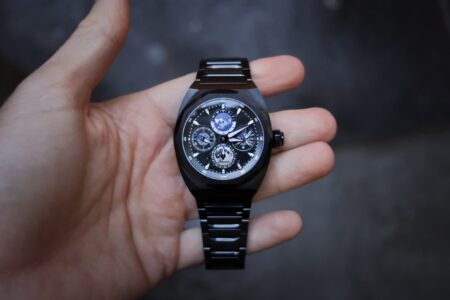
Limited black DLC editions of the ruthenium and copper versions are set to reach the shop in December.
That detail suggests Maximilian James is already experimenting with how a pure-element dial can sit inside a darker, more graphic case treatment.
Details & Specifications
| Brand | Maximilian James |
|---|---|
| Model | Element Watch |
| Case size | 39mm |
| Case | Made in Germany |
| Dial options | Osmium, ruthenium, tantalum, gold, silver and copper as standard |
| Additional dial options | Elements such as iridium, niobium or chromium available on request, excluding radioactive or liquid elements |
| Movement | Swiss Made Sellita SW300 automatic |
| Availability | Element dials can be ordered now |
| Limited editions | Black DLC ruthenium and copper versions due in December |
A niche idea with the right kind of specificity
This isn’t a watch for someone who wants every detail to feel familiar.
It’s aimed at collectors who care about what something is made from, not just how it looks from across a room.
That audience may include traditional watch enthusiasts, but it also reaches toward people who collect elements, minerals or unusual materials.
In microbrand terms, the Element Watch has the kind of premise that invites close inspection and debate, especially in enthusiast spaces such as r/microbrandwatches.
Some will see osmium on the wrist as a step too far, while others will find the directness of the idea hard to resist.
Either way, Maximilian James has found a clear point of difference by putting the periodic table where most brands put another layer of lacquer.