Maserati’s electric future may be about to gain an unexpected Chinese connection.
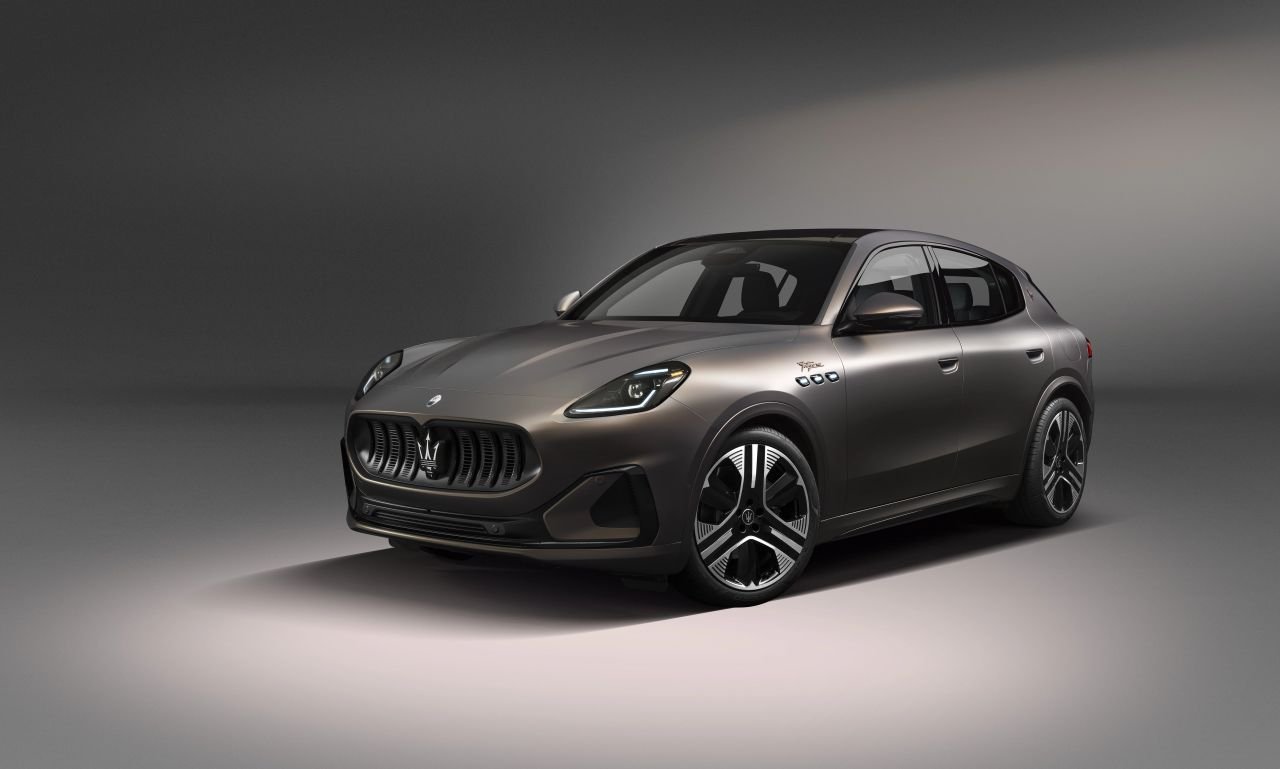
The Italian marque is reportedly in discussions with JAC Motors and Huawei over a pair of new electric vehicles, a move that would place outside engineering, software and manufacturing support at the heart of its next EV push.
For a brand balancing heritage, performance and the costs of electrification, the potential partnership is more than a manufacturing footnote.
At a glance
- Maserati is reportedly in talks with JAC Motors and Huawei to develop two new electric vehicles.
- The planned models are understood to include an SUV and a grand tourer, with Huawei supplying software, driver assistance and electric drive technology.
- Production would take place in Hefei, China, before vehicles are shipped to Italy as SKD kits for assembly.
A China-built route for Maserati’s next EVs
The proposed program would see JAC Motors take responsibility for engineering and manufacturing, while Huawei would contribute key digital and electrified systems.
Those systems are said to include Huawei’s HarmonyOS Intelligent Mobility platform, Qiankun ADS driver assistance software and electric drive components.
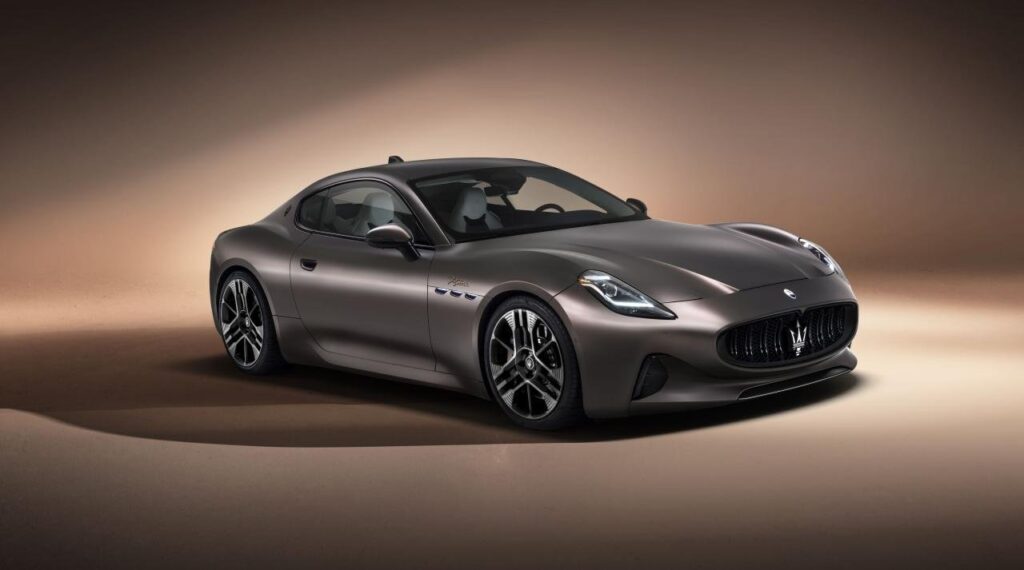
The two vehicles under discussion are an electric SUV and an electric grand tourer.

Positioning is expected to place them alongside the Grecale Folgore and GranTurismo Folgore respectively, rather than replacing those nameplates outright.
If the plan goes ahead, the vehicles would be built at the Zunjie Super Factory in Hefei, China.
They would then be shipped to Italy as Semi Knocked Down kits, commonly known as SKD kits, for final assembly.
Where Huawei fits into the project
Huawei’s role is particularly significant because modern EVs are increasingly defined by software architecture as much as motors and batteries.
HarmonyOS Intelligent Mobility would give the project a ready-made connected vehicle ecosystem, while Qiankun ADS would bring Huawei’s driver assistance suite into the equation.
For Maserati, that could shorten development timelines and reduce the burden of creating every digital layer in-house.
It would also signal a pragmatic approach to electrification at a time when legacy luxury brands are under pressure to manage costs without diluting identity.
Maextro in China, Maserati in Italy
The arrangement would reportedly have a split-market character.
In China, JAC Motors would sell the vehicles under the Maextro brand, while the Italy-bound version would be aligned with Maserati’s electric portfolio.
That distinction matters because it allows the underlying program to serve different commercial purposes in different markets.
It also reflects how Chinese EV development has become increasingly attractive to global luxury and performance brands looking for speed, scale and advanced software integration.
What it means for Maserati
Stellantis CEO Antonio Filosa has already indicated that Maserati needs industry partners while stressing that the brand itself is not for sale.
That statement frames this kind of collaboration as a strategic tool rather than a retreat from Maserati’s identity.
The challenge will be execution.
Maserati buyers expect more than a premium badge on a shared technical base, especially in segments as emotionally loaded as SUVs and grand tourers.
If the project moves forward, the cars will need to preserve the brand’s sense of occasion while embracing the speed and software depth that Chinese EV development can offer.
For now, the idea of a JAC- and Huawei-supported Maserati EV program is one of the more intriguing signs of how quickly the luxury car landscape is being redrawn.