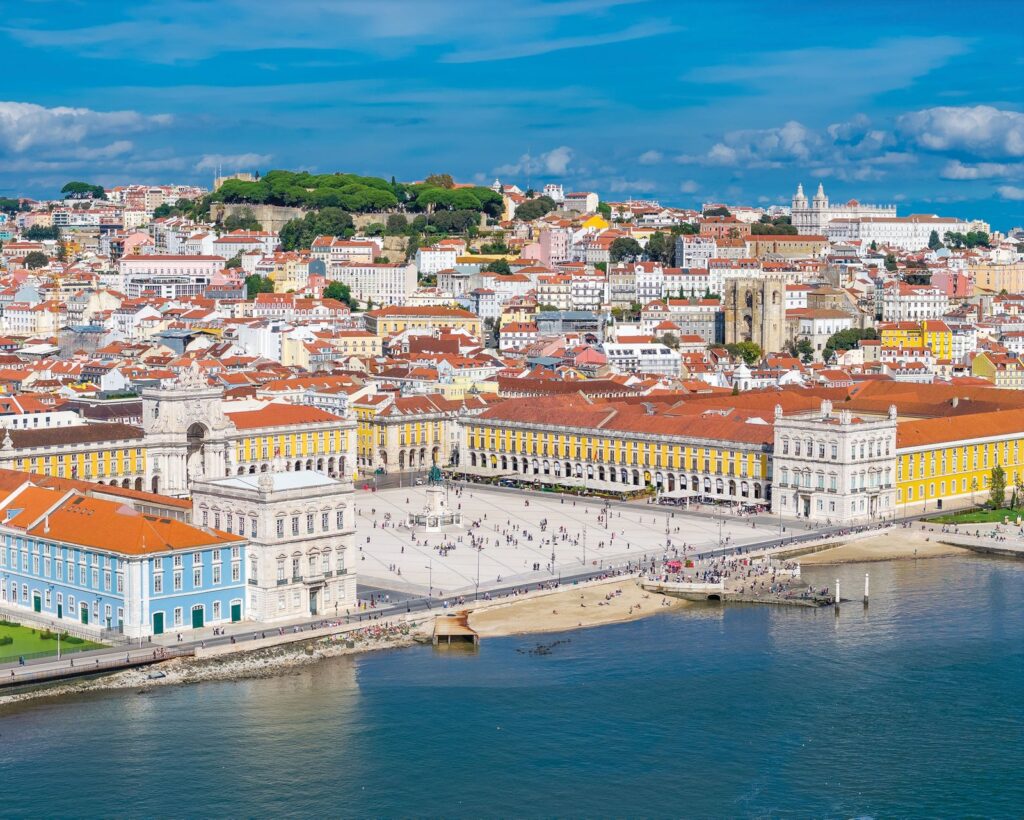
Lisbon doesn’t need to shout for attention.
Its appeal is quieter and more persuasive, found in tiled façades, late-afternoon light, hilltop viewpoints and the smell of warm pastéis de nata drifting from a corner bakery.
With a historic centre shaped across millennia, more than 300 days of sunshine a year and the Atlantic close enough for spontaneous coastal escapes, Portugal’s capital remains one of Europe’s most rewarding city breaks.

At a glance
- Lisbon pairs a deeply historic city centre with a relaxed contemporary rhythm and easy access to the coast.
- Highlights include Alfama, Baixa, Belém’s UNESCO landmarks, Cascais, Sintra and a strong restaurant and rooftop bar scene.
- The city suits travellers who want culture, design-led hotels, seafood, sunshine and day trips without sacrificing style.
A city best read on foot
Lisbon rewards slow movement, even when its hills make you work for it.
The centre is best explored on foot, with trams useful for the steeper climbs and comfortable shoes essential on the cobbled streets.
Between cafés, craft shops and quiet corners, the city’s older layers appear without ceremony.
São Jorge Castle brings the 11th-century Moorish past into view, while the Rua Augusta Arch offers a more theatrical perspective over the downtown grid and the river beyond.
The National Pantheon adds Baroque scale and a panoramic terrace, giving Lisbon one of those elevated moments that makes its terracotta rooftops feel almost cinematic.
A Lisboa Card is a practical choice for travellers planning to see several landmarks, with access to 51 attractions and unlimited public transport included for a fee.
Alfama and Baixa carry much of the city’s atmosphere, especially in the evening when Fado slips through the streets and the miradouros fill with soft gold light.
Food here is central rather than decorative.
Lisbon’s restaurants lean proudly into seafood, from sardines and clams to shrimp, while petiscos bring a relaxed Portuguese answer to small-plate dining.
Near São Jorge Castle, Zambeze stands out for its rooftop position and its cooking, which brings Portuguese Beira region flavours together with Mozambican influence.
The fish in coconut milk and duck curry make a convincing case for lingering, particularly when the Tagus and the city’s rooftops are spread out below at sunset.
Belém’s riverfront layers
Belém gives Lisbon a different tempo, stretching the city out along the water and connecting it to Portugal’s seafaring past.
The district is home to two of the capital’s essential UNESCO landmarks, the Jerónimos Monastery and Belém Tower.
Both have a grandeur that feels inseparable from the river, where yachts and dinghies move from the marina toward open water.
The area is not only about history.
MAAT, the Museum of Art, Architecture and Technology, brings contemporary design and exhibitions into the same riverfront landscape, while the gardens around the Belém Cultural Centre offer a quieter pause.
The Monument to the Discoveries adds a monumental tribute to Portugal’s maritime heritage, making Belém a district where old ambition and modern culture sit comfortably side by side.
Then there are the custard tarts.
A stop for Pastéis de Belém is hardly a secret, but some rituals remain worth joining, especially when the pastry is still warm.
Cascais and Sintra make the capital feel bigger
One of Lisbon’s great luxuries is how quickly the city opens onto the coast.
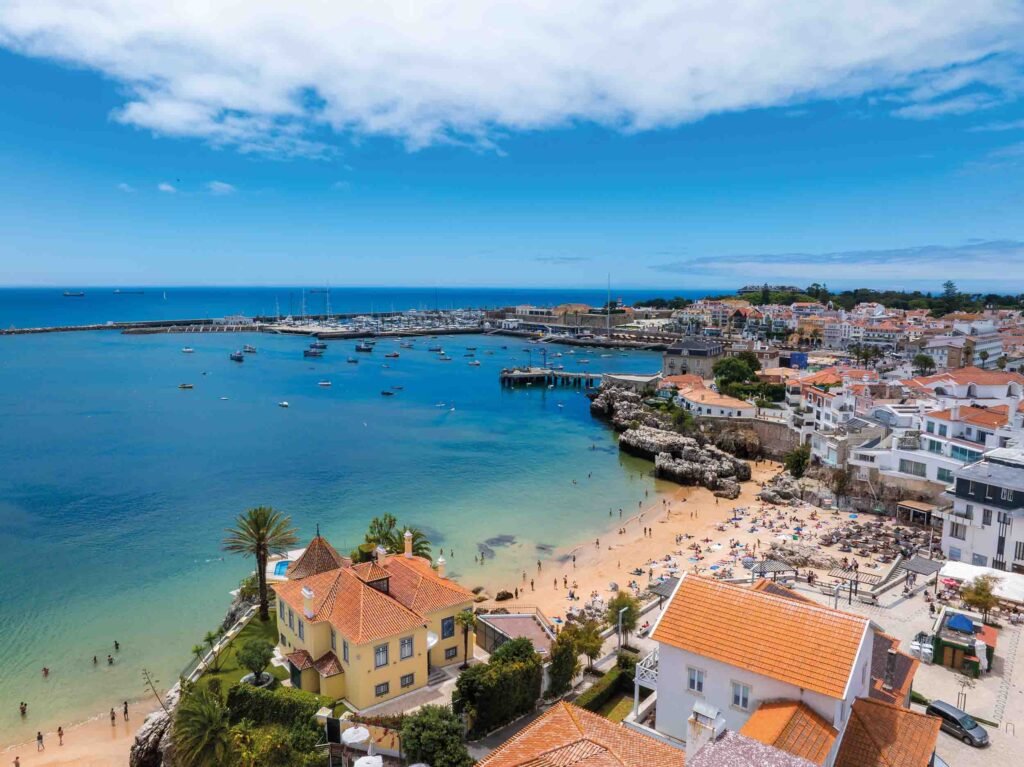
Cascais sits around 25 minutes from the centre and brings a polished seaside mood without losing the memory of its 19th-century fishing village roots.
Once a summer retreat for Portuguese royalty, it now draws an international crowd to its marina, boutiques, beaches and café-lined lanes.
The Condes de Castro Guimarães museum is worth time for its art collection and gardens, while the walk toward Boca do Inferno shifts the scene from elegant resort town to rugged Atlantic drama.
For something gentler, Praia da Rainha offers a sheltered pocket of sand in the town centre.
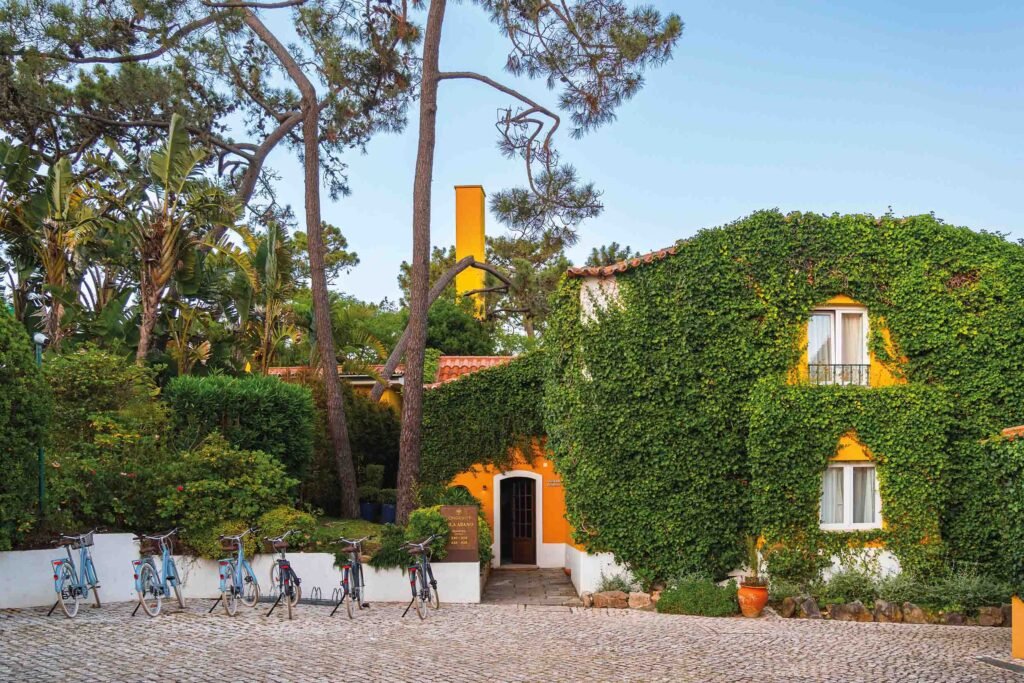
Cycling routes continue toward Guincho, where the beaches feel wilder and the surf takes over.
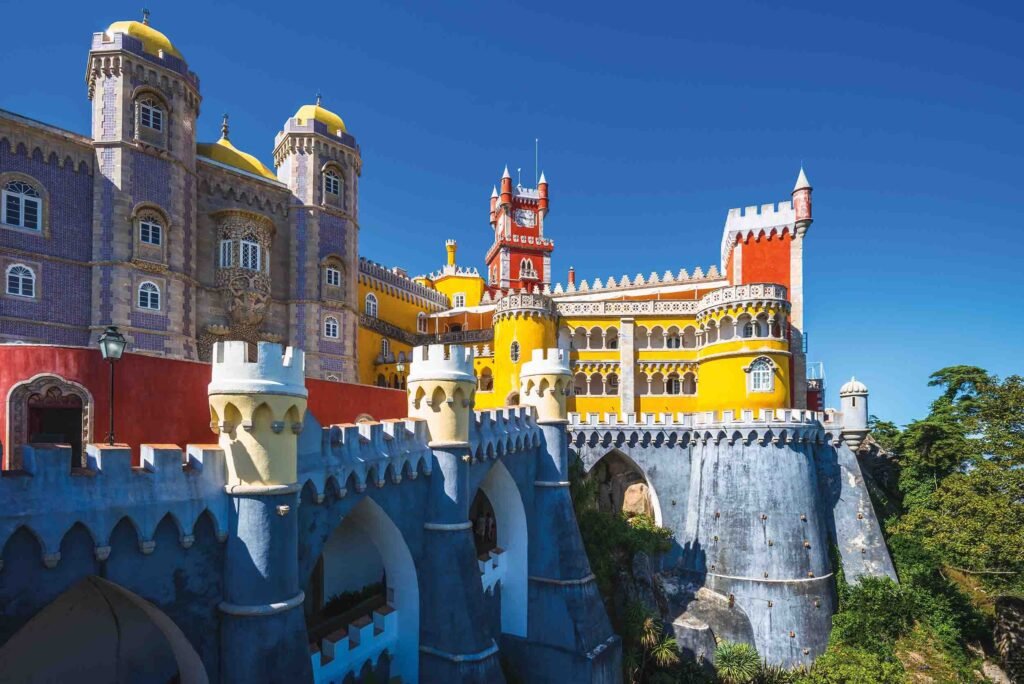
Sintra offers a different kind of escape, one wrapped in mist, forest and romantic architecture.
The UNESCO World Heritage town is known for Pena Palace, Quinta da Regaleira and its Initiation Well, the Moorish Castle and the tiled rooms of the National Palace.
Within the Sintra-Cascais Natural Park, fern-filled paths and hidden viewpoints open toward forested hills and the Atlantic.
Monserrate Palace offers a quieter counterpoint to the busier sights, while a travesseiro pastry in a local café is the right way to come back down to earth.
Where to stay between town and the Tagus
Lisbon’s hotel scene works because it doesn’t all speak in the same accent.
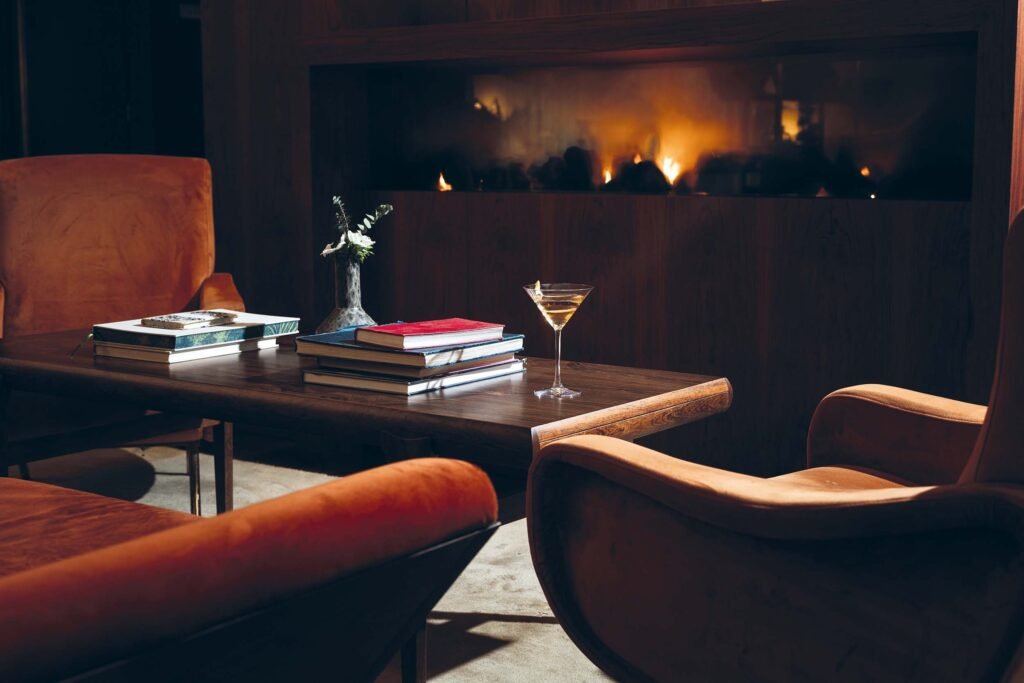
For a central, design-conscious stay, The Vintage brings a retro five-star boutique sensibility to a location between Avenida da Liberdade and Príncipe Real.
Its personality comes through in mid-century touches, vintage art, rich textures and confident colour palettes.
Guest rooms include thoughtful local details such as Claus Porto bath products, bespoke in-room drinks trolleys for DIY cocktails and complimentary minibar treats.
Blue Bistrot serves contemporary Portuguese plates, while V Rooftop Bar offers city views and an easy evening rhythm.
Downstairs, the spa adds a pool, sauna and steam room for a slower end to the day.
In Belém, Hyatt Regency Lisboa takes a river-facing approach to modern luxury.
Set on the banks of the Tagus, it places Jerónimos Monastery within easy reach while keeping the city centre accessible.
The hotel has 204 rooms and suites, with oak finishes and soft blues that nod to Portugal’s maritime history.
Some top-floor accommodation includes generous living space, a kitchen and a private balcony, making it a strong option for longer stays or travellers who prefer room to settle in.
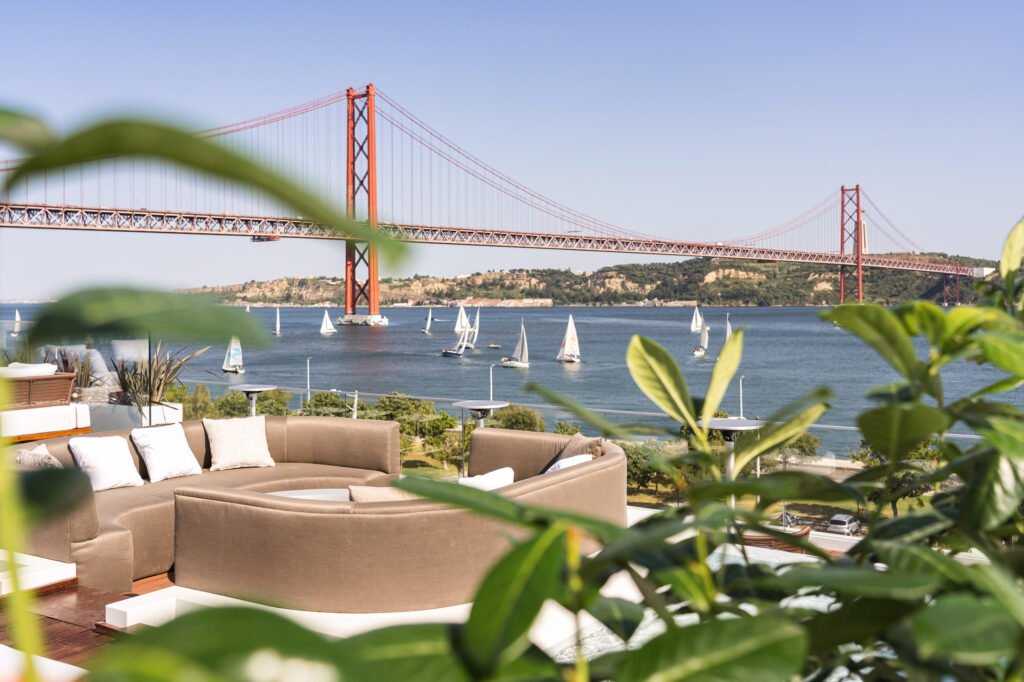
Viseversa covers local and international flavours, while Icon Rooftop Bar looks toward the Ponte 25 de Abril Bridge with the kind of sunset atmosphere Lisbon does particularly well.
The Serenity – The Art of Wellbeing spa completes the offering with treatments, IV therapies and a large indoor pool.
Lisbon endures because it gives travellers options without losing its own rhythm.
You can spend the morning among castle walls, the afternoon beside the Tagus, the next day on Atlantic cliffs and still return to a neighbourhood table for seafood, wine and a city that never seems in a hurry to be admired.