Lexus Australia is tightening its petrol-only lineup again, and this time the cuts reach both the family SUV aisle and the brand’s flagship sedan.
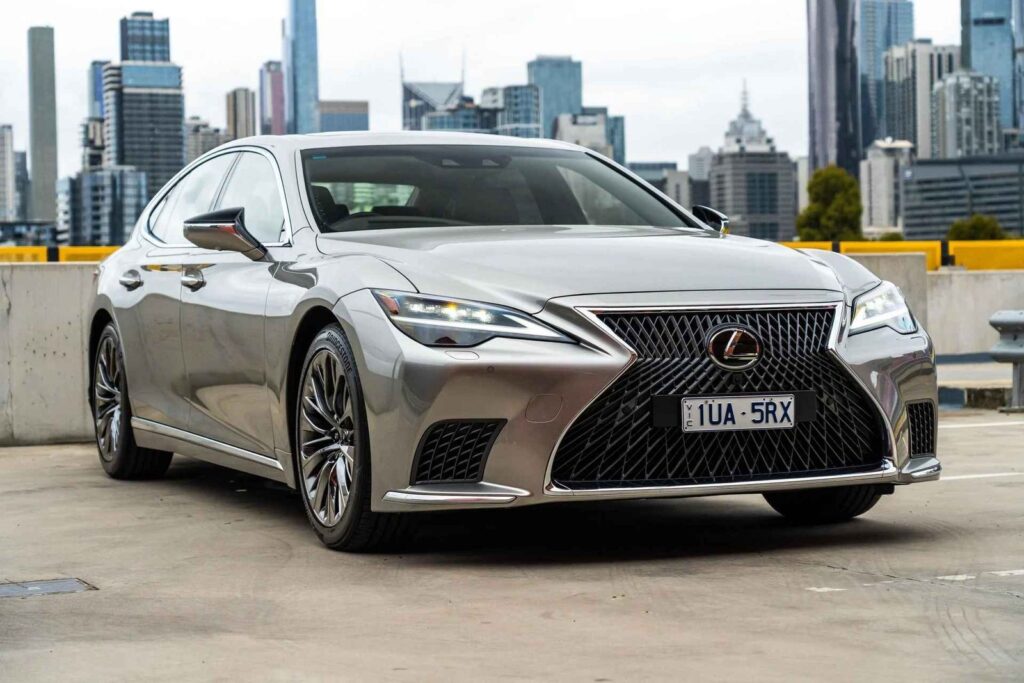
The RX350 and LS500 are being discontinued locally, marking another step away from conventional petrol power as Lexus customers continue moving toward electrified models.
By 2027, only three Lexus models in Australia are set to remain without hybrid assistance.
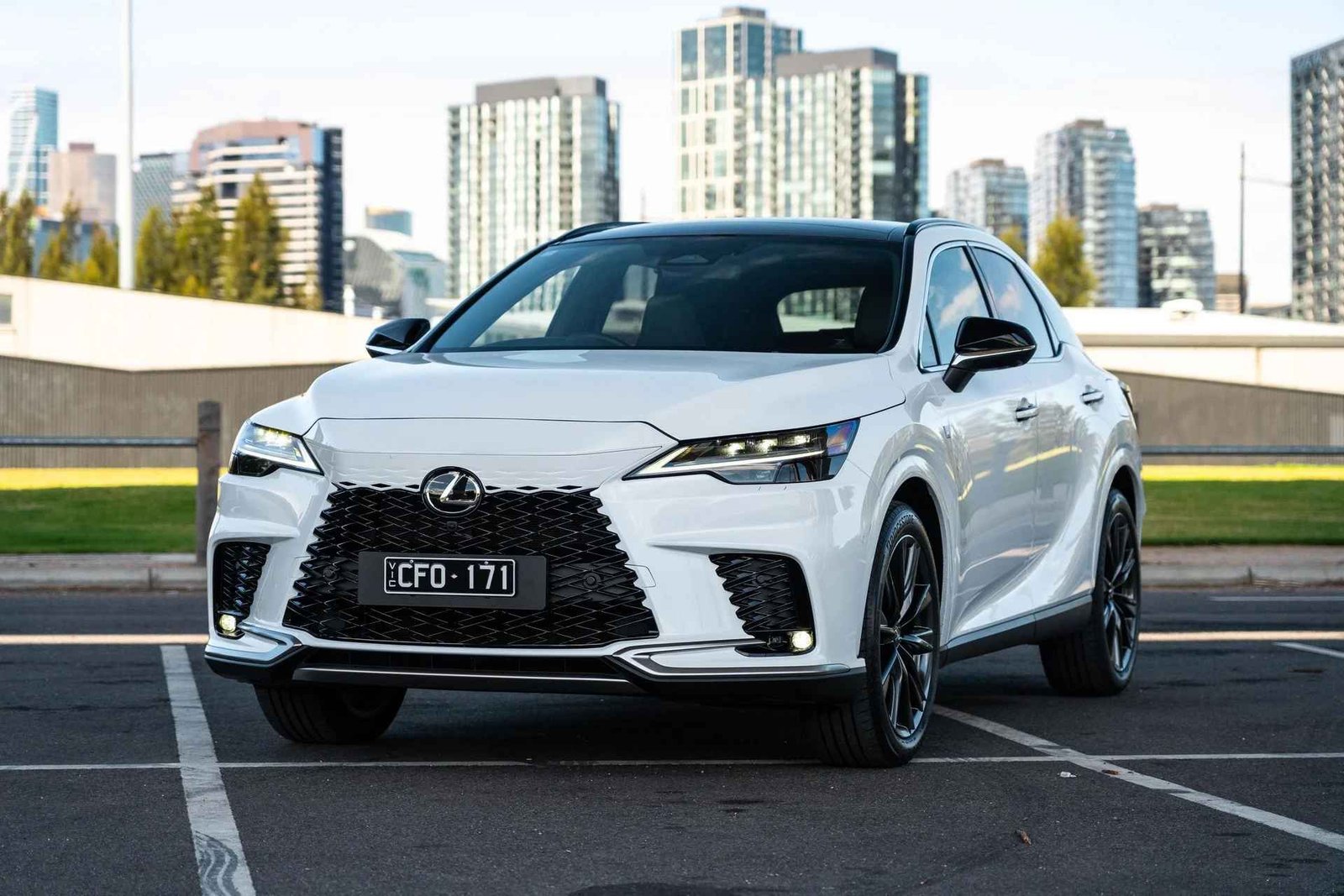
At a glance
- Lexus Australia will discontinue the petrol RX350 SUV and LS500 flagship sedan.
- The NX350 is also being phased out globally as part of its upcoming facelift.
- From 2027, the LBX Morizo RR, GX550 and LX600 are expected to be the brand’s only petrol-only models in Australia.
RX350 and LS500 leave the local range
The RX350’s departure is notable because the RX remains one of Lexus’ most important nameplates, sitting in the heart of the premium SUV market.
Removing the petrol version sharpens the model’s focus around electrified drivetrains, a direction that already suits the way many Lexus buyers approach the brand.
The LS500’s exit carries a different kind of weight.
As the flagship sedan, the LS has long represented Lexus’ traditional luxury identity, with a focus on quietness, refinement and understated authority.
Its discontinuation in petrol form reflects how quickly the upper end of the luxury market has moved away from large combustion sedans, especially in markets where SUVs and electrified models dominate showroom traffic.
Petrol-only Lexus models become the exception
The RX350 and LS500 won’t be the only models disappearing from Lexus Australia’s non-hybrid ranks.
The NX350 is also being phased out globally as the NX heads toward a facelift, further reducing the number of purely petrol-powered Lexus options.
The LC has already been retired locally this year, removing one of the brand’s most charismatic petrol models from Australian showrooms.
That leaves a much smaller group of Lexus models without hybrid assistance from 2027.
The remaining trio will be the LBX Morizo RR, the GX550 and the LX600.
It’s an interesting spread, because those models occupy very different parts of the Lexus universe.
The LBX Morizo RR brings a performance-led, enthusiast angle, while the GX550 and LX600 serve buyers who want large, capable luxury SUVs with serious road presence.

What the shift says about Lexus buyers
Lexus says the move reflects changing customer preferences, and that explanation fits the broader pattern across the premium market.
Hybrid power has become deeply associated with the Lexus brand, particularly in Australia, where buyers often see it as part of the ownership appeal rather than a compromise.
For many Lexus customers, the attraction isn’t just lower fuel use.
It’s the quieter low-speed driving, smoother urban manners and the sense that the powertrain suits the brand’s calm, polished character.
The disappearance of the RX350 and LS500 doesn’t mean petrol is vanishing from Lexus Australia overnight.
It does, however, make clear that purely petrol-powered Lexus models are moving into a more specialised role rather than sitting at the centre of the range.
Details & Specifications
| Brand | Lexus |
|---|---|
| Market | Australia |
| Discontinued petrol models | RX350 and LS500 |
| Additional petrol model being phased out | NX350 |
| Previously retired locally | LC |
| Petrol-only models remaining from 2027 | LBX Morizo RR, GX550 and LX600 |
| Reason given by Lexus | Changing customer preferences |
For Australian Lexus buyers, the message is straightforward.
If a purely petrol-powered Lexus is still on the shortlist, the window is narrowing, and the brand’s future showroom mix is being shaped increasingly around electrification rather than tradition.