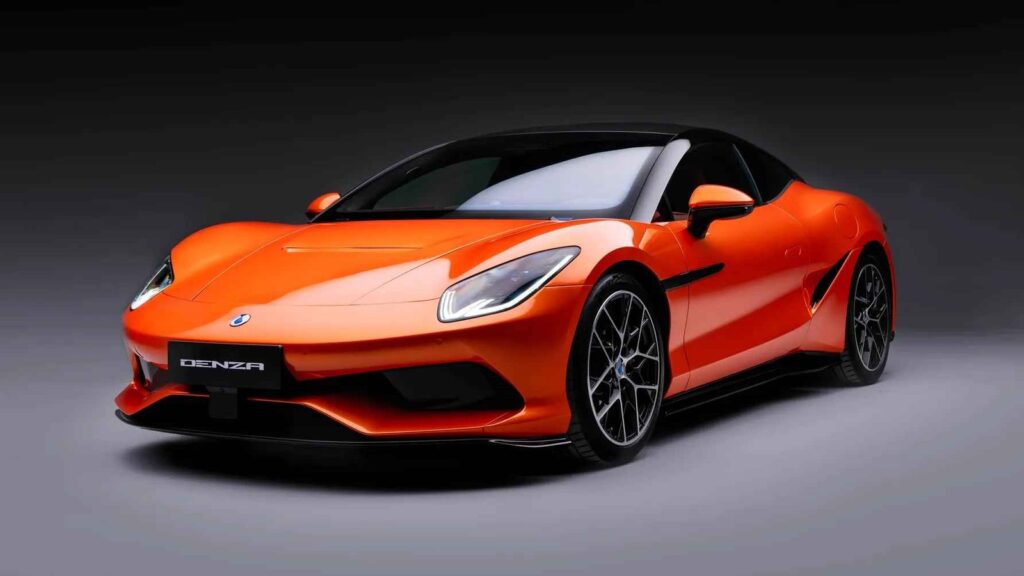
China’s performance-car scene is moving fast, with electric powertrains delivering the sort of numbers that would have sounded absurd not long ago.
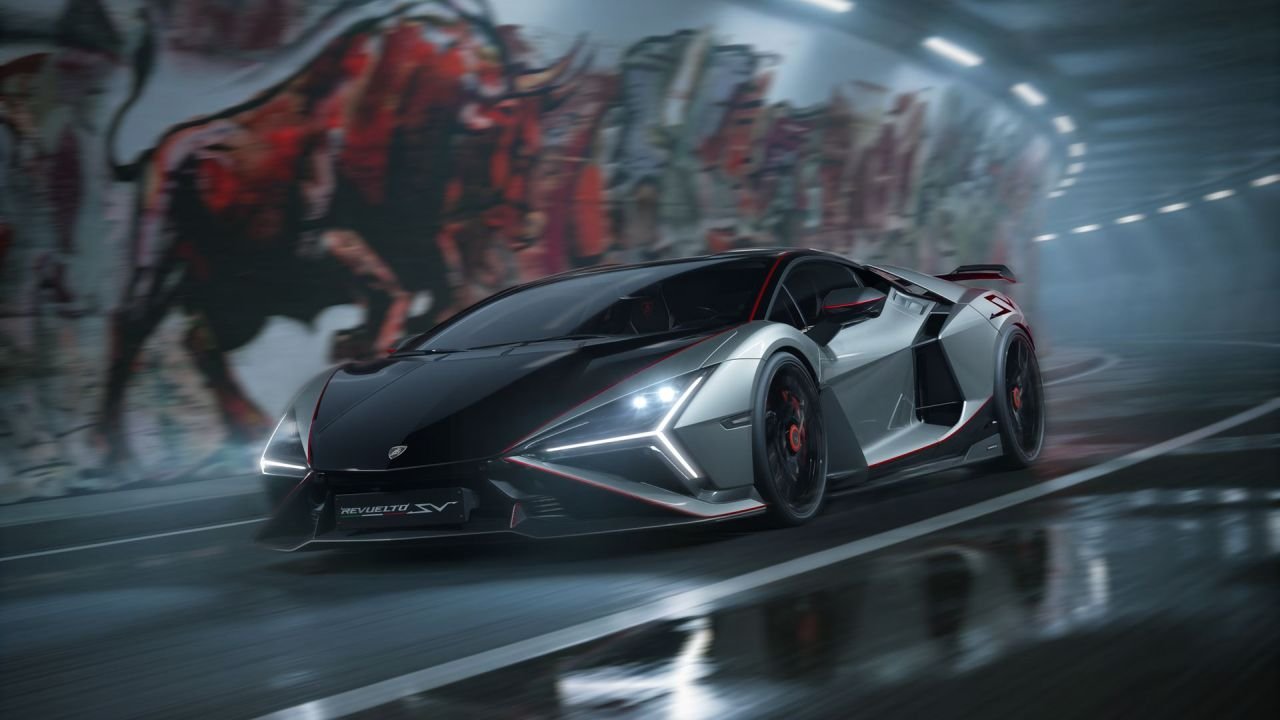
Lamborghini is clearly paying attention, but chairman and CEO Stephan Winkelmann doesn’t see the current wave of Chinese supercars as a direct threat to Sant’Agata.
His reasoning is simple enough. Lamborghini is building its future around hybrid performance, not fully electric supercars, and that keeps the brand on a different path from many of China’s newest high-output machines.
At a glance
- Lamborghini CEO Stephan Winkelmann says Chinese electric supercars aren’t currently a direct threat to the Italian brand.
- The distinction comes down to powertrain strategy, with Lamborghini focused on hybrids while many Chinese performance cars are fully electric.
- Winkelmann left the door open for future change, saying “never say never” about how the competitive landscape may evolve.
Lamborghini’s hybrid line in the sand
Winkelmann’s position reflects a broader decision inside Lamborghini to treat electrification as a supporting act rather than the entire identity of the car.
“We don’t see this as a threat. Because they are doing electric cars. And if we say we are not doing electric cars for a reason, then there is also an idea behind how we look at our Chinese competitors or Chinese manufacturers,” he said.
That doesn’t mean Lamborghini is resisting electrification outright.
The company has already moved into hybrid territory, using electric assistance to sharpen performance while preserving the sound, mechanical character and theatre that have long defined its cars.
China’s electric performance surge
The context for Winkelmann’s comments is easy to understand.
Chinese manufacturers have become increasingly ambitious, and cars such as the Denza Z are now being discussed in the same breath as established supercar names because of enormous claimed power figures.
On paper, that kind of output is impossible to ignore.
Yet Lamborghini’s argument is that a supercar is not judged by horsepower alone, especially at the end of the market where heritage, design language, rarity and driver emotion still carry serious weight.
The supercar contest goes beyond numbers
For Lamborghini, the question is less about whether an electric car can be faster and more about whether it can deliver the same emotional charge.
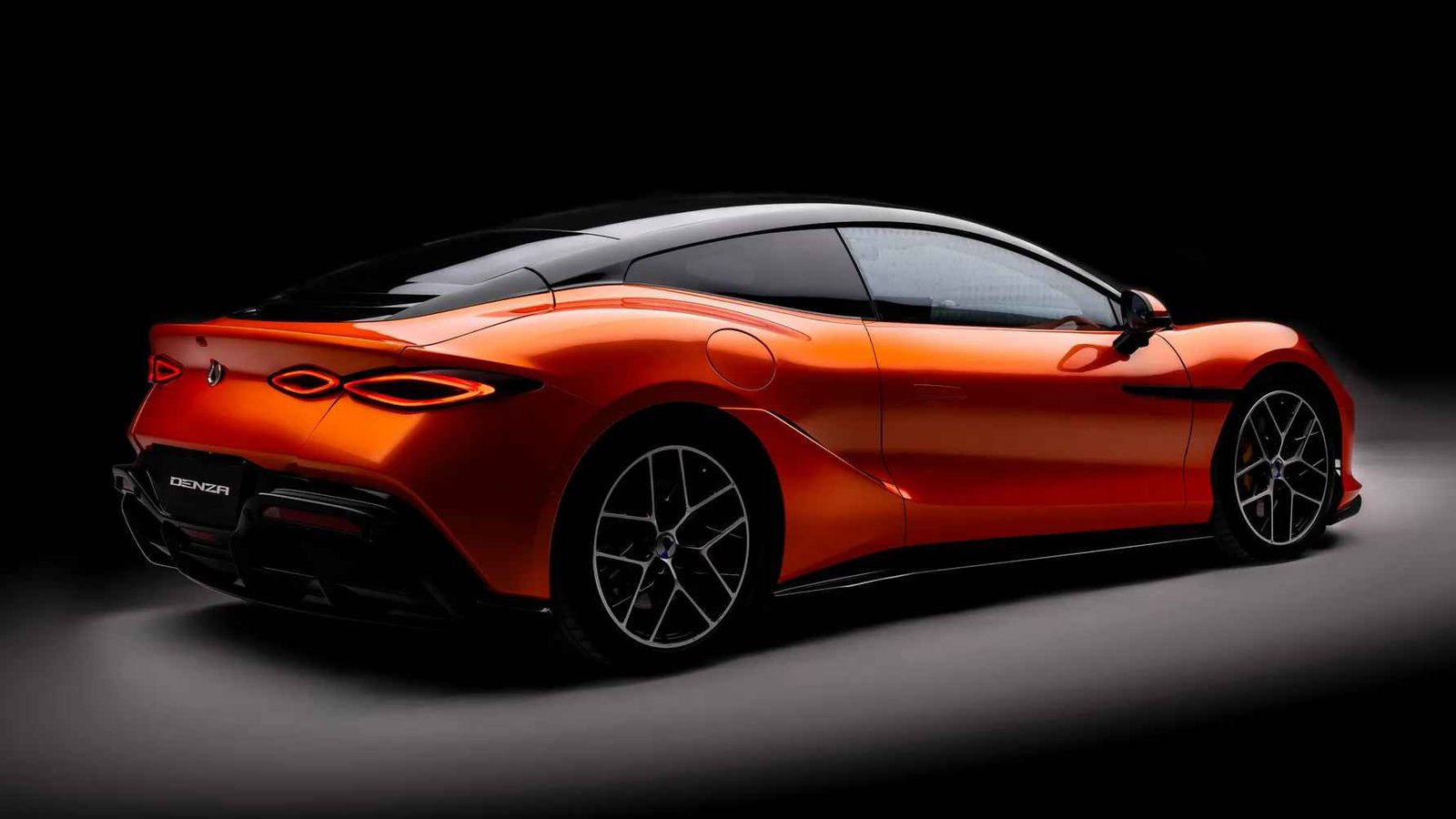
Acceleration has become easier to achieve in the electric era, but drama is harder to engineer.
That drama includes the sound of the powertrain, the response of the chassis, the way the car looks at rest and the sense that it belongs to a lineage stretching back through Miura, Countach, Diablo and Murciélago.
This is where Lamborghini still believes it has distance from newcomers, even those arriving with extraordinary performance claims.
A cautious eye on the future
Winkelmann’s confidence doesn’t come across as complacency.
His added line, “I always say, never say never,” is a useful reminder that the supercar market can change quickly, especially when technology, regulation and buyer expectations all move at once.
For now, Lamborghini’s message is clear. Chinese electric supercars may be reshaping the performance conversation, but Sant’Agata still believes its strength lies in a more emotional, hybrid-driven interpretation of speed.