Electric performance has changed the supercar conversation.
Acceleration that once belonged almost exclusively to rare, expensive exotics is now becoming a familiar EV party trick, and Lamborghini knows that raw speed can’t carry the category on its own.
For Sant’Agata, the next chapter is about making electrification feel dramatic rather than merely efficient.

At a glance
- Lamborghini believes speed remains important, but no longer defines a supercar by itself.
- The brand is leaning on hybrid powertrains to preserve emotion, mechanical drama and driver engagement.
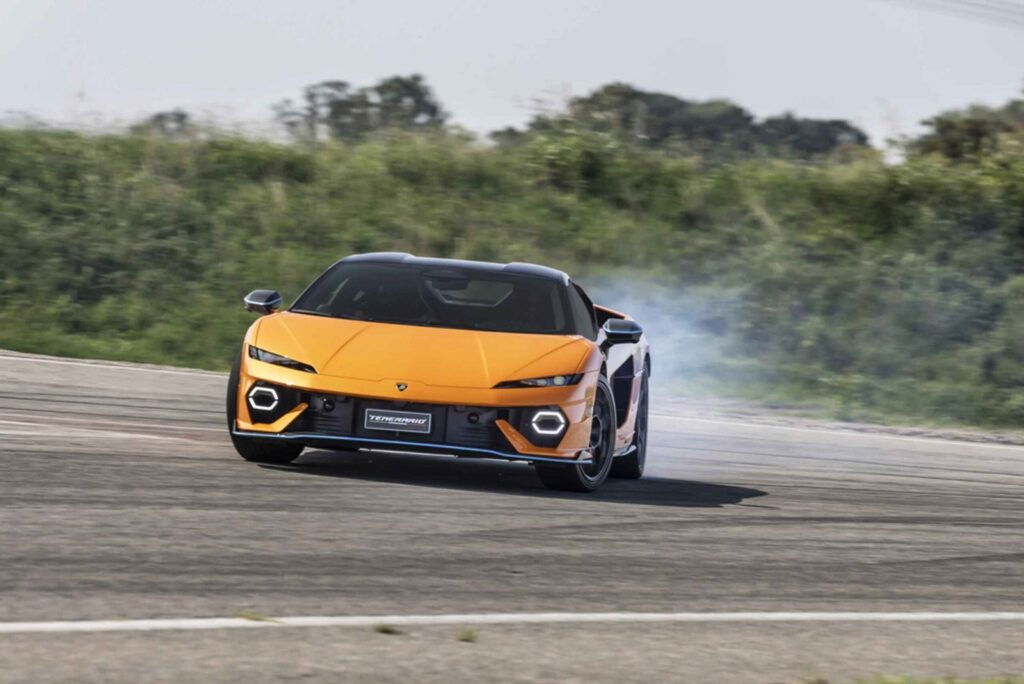
- The Temerario reflects that thinking with electrification paired to a twin-turbo V8 capable of revving to 10,000 rpm.
Acceleration is no longer the rarest currency
Paolo Racchetti, Lamborghini’s product line director, has drawn a clear line between being quick and being a true super-sports car.
“Speed is still an important part of performance, but it’s clear that it’s necessary, not sufficient, for a car to be called a super-sports car,” Racchetti said.
That distinction matters because EVs have made extreme launch performance more widely available.
Instant torque, sophisticated traction systems and repeatable acceleration have pushed the numbers game into new territory, where straight-line speed alone is a less convincing badge of superiority.
For Lamborghini, the answer isn’t to dismiss speed, but to place it within a wider emotional package.
“What a super-sports car must provide is not only acceleration and speed, but also emotion,” Racchetti added.
Why Lamborghini still wants mechanical theatre
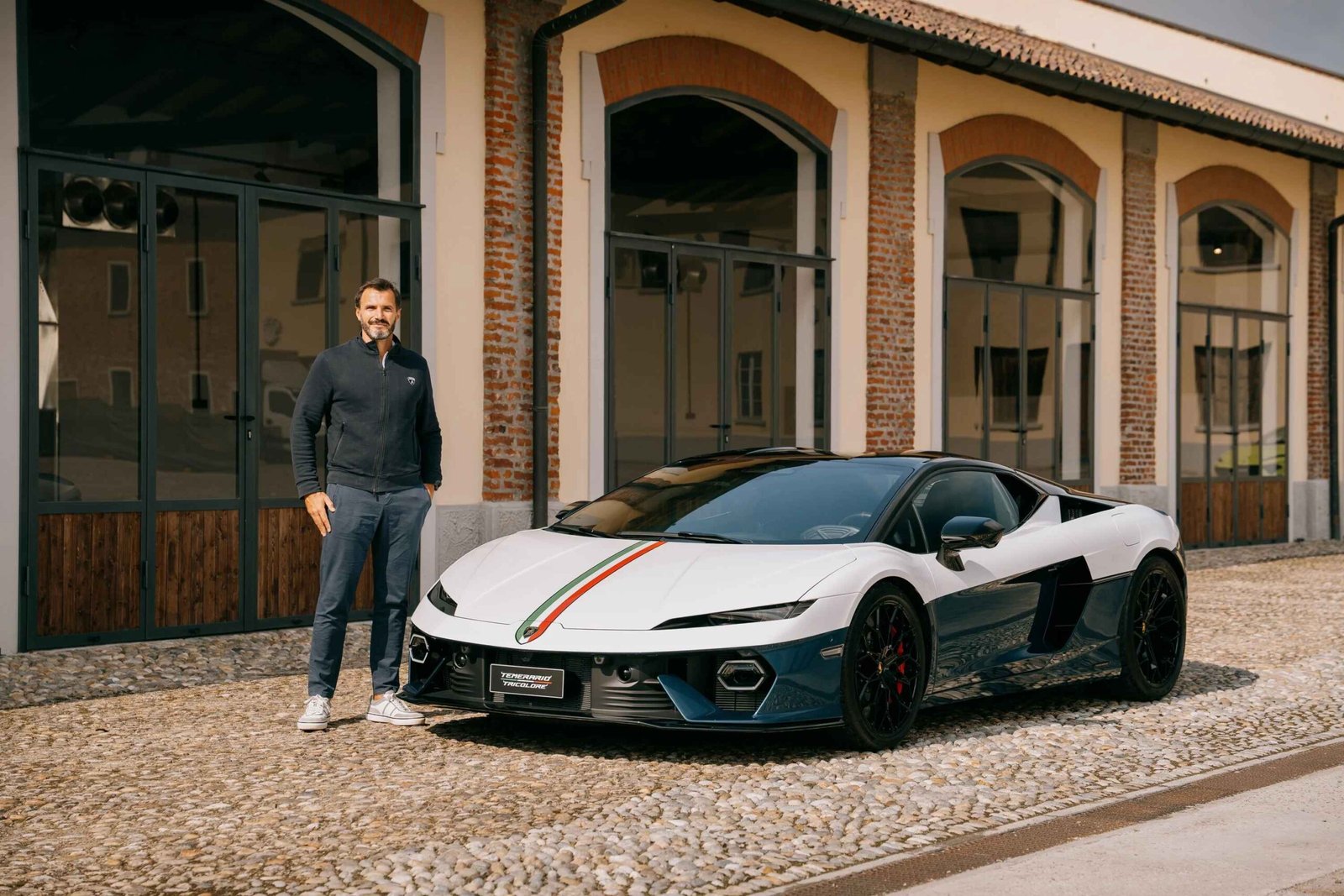
The Temerario is the clearest expression of that approach.
Rather than treating hybridisation as a purely technical necessity, Lamborghini is using it alongside a twin-turbo V8 that can rev to 10,000 rpm.
That high-revving character is important because it gives the car a mechanical signature in a segment where electric performance can sometimes feel clinically effective.
Lamborghini customers have long bought into more than a stopwatch figure.
Sound, response, vibration, theatre and the sense of operating something alive are all part of the brand’s appeal, and the company appears determined to carry that into its electrified era.
Hybrid power as a wider performance tool
Racchetti also sees hybrid technology as a way to broaden a car’s character rather than narrow it.
The same core technology can help shape very different personalities, from a grand tourer to rear-wheel-drive or all-wheel-drive layouts.
Electronics also make extreme performance more approachable, giving drivers greater confidence in cars that operate at levels once reserved for professionals and the very brave.
The risk, of course, is that ease can dilute drama.
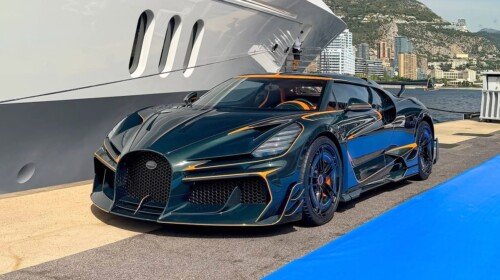
Lamborghini’s position is that the electronic layer should not make a car anonymous, but should help unlock more of its character more often.
“But maybe the most important thing is that we can emphasise emotion,” Racchetti said.
Details & Specifications
| Brand | Lamborghini |
|---|---|
| Model | Temerario |
| Powertrain | Hybrid |
| Engine | Twin-turbo V8 |
| Rev limit | 10,000 rpm |
The broader message is simple enough, but significant for the supercar world.
As electric acceleration becomes less exclusive, the cars that endure will be the ones that can still make speed feel personal, physical and memorable.